
TL;DR
- Master objective-based gameplay before focusing on eliminations
- Utilize AI matches and practice range to build hero proficiency safely
- Begin with versatile heroes like Soldier: 76 before tackling specialists
- Develop map awareness and positioning to avoid unnecessary deaths
- Optimize settings and avoid ranked until fundamentals are solid
Overwatch 2 presents significant challenges for newcomers, but implementing these strategic approaches will transform your FPS gaming experience from frustrating to rewarding.
With Overwatch 2’s arrival, players unfamiliar with team-based shooters may feel completely overwhelmed. The combination of steep learning curves, experienced opponents, and 35+ unique heroes creates an intimidating initial experience. This comprehensive Overwatch 2 beginner’s guide provides structured pathways to develop your abilities while maintaining enjoyment throughout the learning process.
Evaluate hero capabilities using our detailed Overwatch 2 tank rankings, damage dealer assessments, and support character analyses.
For every newcomer exploring Overwatch 2, numerous veterans have maintained their skills since the 2016 original launch while bringing extensive FPS expertise. This skill disparity means you’ll frequently encounter superior players, which can feel discouraging—nobody appreciates repeated respawns during matches. However, Overwatch 2 offers multiple low-pressure environments specifically designed for skill development.
Additionally, remember that defeats in unranked modes represent learning opportunities rather than failures. Embrace experimentation, analyze mistakes, and continuously refine your approach.
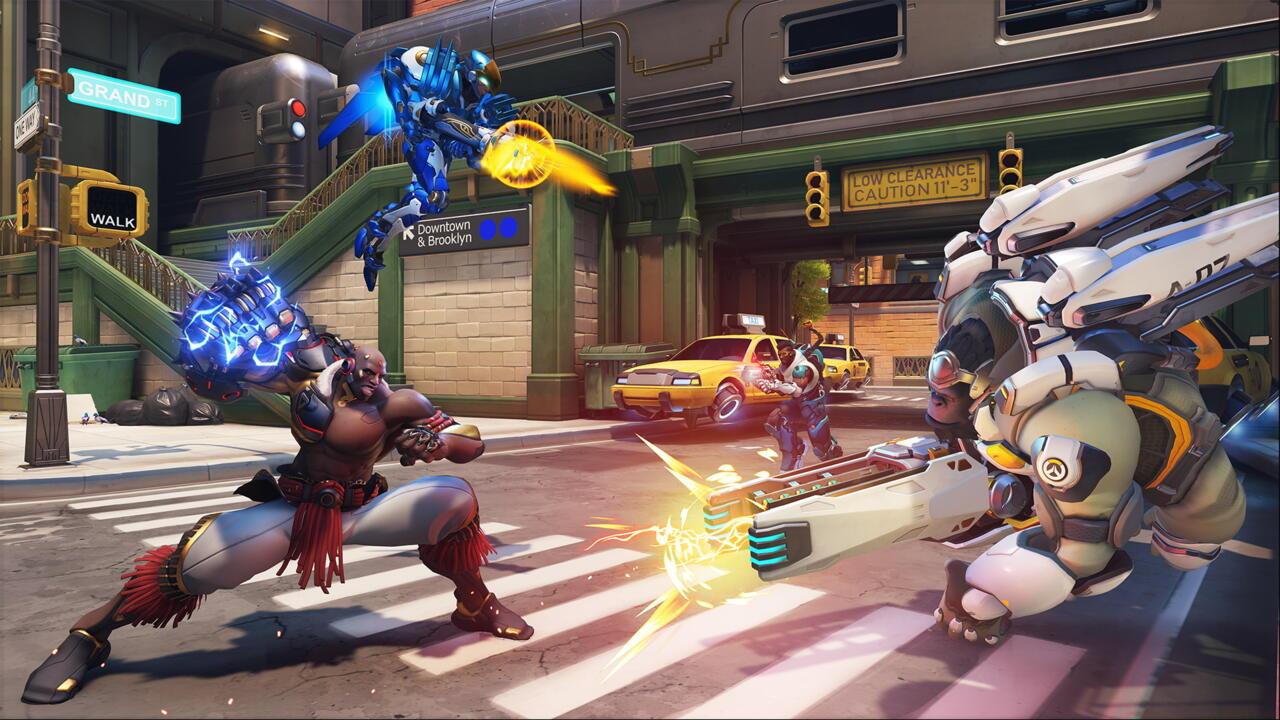
Strategic awareness of environment, objectives, and enemy composition separates successful Overwatch 2 players from struggling newcomers.
Practice Fundamentals
Dedicated practice separates progressing players from stagnant ones. Begin with 15-20 minute daily sessions in the practice range, focusing on fundamental mechanics: aiming, ability usage, and movement patterns. Gradually increase session duration as your comfort improves, targeting 45-60 minutes for comprehensive training. This consistent approach builds muscle memory and game sense simultaneously.
Common mistake: Practicing only comfortable heroes. Solution: Allocate 30% of practice time to unfamiliar characters to broaden your strategic flexibility.
Game Mode Mastery
Every Overwatch 2 match centers around specific objectives, including the new push mode, where elimination totals rarely determine victory. Certain modes require escorting payload vehicles to destinations, while others demand capturing and defending control points. Regardless of mode specifics, prioritize contributing toward victory conditions. Eliminating enemy supports in isolated locations or defending irrelevant positions provides zero strategic value and guarantees defeat.
Hero Selection Strategy
When starting your Overwatch journey, select heroes with straightforward mechanics and clear roles. Soldier: 76 exemplifies a versatile damage dealer with accessible gameplay compared to specialists like Junkrat or Widowmaker requiring precise technical execution. Similarly, Lucio provides passive healing without ability management, while Moira enables hybrid damage-support playstyles. Understanding class fundamentals accelerates your adaptation to different hero categories.
AI Match Utilization
Among available training options, battles against AI opponents provide exceptional learning value. These matches team you with human players against computer-controlled enemies. Selecting appropriate difficulty levels creates ideal environments for mastering new heroes and understanding their abilities without competitive pressure.
Pro tip: Start with “Easy” AI difficulty, then progress to “Medium” once you achieve consistent 3:1 elimination-to-death ratios. This graduated approach builds confidence while developing mechanical skills.
Strategic Positioning Awareness
Consistently monitor your positioning relative to objectives, teammates, and potential threats. Maintaining awareness of escape routes, health pack locations, and enemy sightlines significantly reduces unnecessary deaths. Position yourself where you can contribute to team fights while maintaining retreat options.
Advanced technique: Use the “Tab” key frequently to assess team compositions and ultimate charge status. This information enables strategic adjustments before engagements begin.
Ranked Play Considerations
Competitive matches feature heightened skill levels and performance pressure since ranking systems demote players after significant loss streaks. This pressure compounds with requirements to win matches for competitive access. Additionally, Overwatch 2’s matchmaking may pair you against opponents two tiers higher, meaning bronze-ranked players could face gold-tier teams capable of overwhelming dominance.
Essentially, while ranked play offers competitive engagement, the performance demands and skill requirements typically diminish enjoyment for players seeking casual entertainment. Consider exploring comprehensive guides for deeper game mechanics understanding before entering competitive queues.
Settings Configuration
Optimizing control schemes and interface settings dramatically improves gameplay effectiveness. Adjust sensitivity settings to ensure precise aiming while maintaining quick turning capability. Enable customized crosshairs for different hero types and activate kill feed displays for immediate combat feedback.
Critical settings often overlooked: Turn on “Allied Health Bars” to monitor teammate status and adjust “Field of View” to maximum for superior environmental awareness. These configurations provide critical information without requiring additional player actions.
Progressive Difficulty Approach
Implement graduated challenge systems rather than immediate high-difficulty immersion. Begin with AI matches, progress to quick play, then consider competitive once achieving consistent positive performance metrics. This structured progression prevents frustration while building sustainable skills.
Time investment: Allocate 2-3 weeks mastering fundamentals before attempting ranked matches. This timeframe allows development of essential game sense and mechanical proficiency.
Continuous Improvement Framework
Regularly review match replays to identify positioning errors, ability mistiming, and strategic misjudgments. Focus on one improvement area per session rather than attempting comprehensive overhauls. This targeted approach yields measurable progress without overwhelming complexity. For weapon-specific strategies, consult our detailed weapon guides covering optimal usage scenarios and customization options.
Advanced optimization: Create hero-specific control schemes for characters requiring unique sensitivity settings or ability keybinds. This specialization optimizes performance across your entire roster.
Action Checklist
- Complete 15-minute daily practice sessions focusing on 2-3 heroes
- Play 5 AI matches at increasing difficulty levels
- Master 1 damage, 1 tank, and 1 support hero
- Optimize key settings: sensitivity, crosshairs, and health bars
- Review 2 match replays weekly to identify improvement areas
No reproduction without permission:SeeYouSoon Game Club » Overwatch 2 Tips And Tricks Master Overwatch 2 fundamentals with proven strategies to accelerate your skills and game sense