
TL;DR
- Use shovel paths and torch trails for reliable early-game navigation markers
- Craft compasses to return to world spawn and locator maps for real-time player tracking
- Master five-level map zooming to create comprehensive world exploration tools
- Implement lodestones for custom waypoint creation beyond spawn points
- Combine celestial navigation with crafted tools for foolproof orientation
While celestial navigation using the sun provides basic directional awareness, combining this with crafted navigation tools ensures you’ll never face starvation in mountain isolation while fending off hostile mobs. Understanding both natural and crafted navigation methods creates redundancy in your orientation systems.
Few experiences in Minecraft prove more frustrating than discovering an incredible resource-rich cave system or picturesque river biome, only to realize you’ve completely lost track of your base location. Early gameplay demands careful attention to landmarks, but as you accumulate resources, your navigation toolkit expands dramatically with sophisticated wayfinding solutions. This guide covers everything from basic path marking to advanced cartography systems.
Drawing inspiration from classic trail-marking techniques seen in folklore, you can implement far more effective systems than simple breadcrumb trails. Deploy torches from your inventory strategically to illuminate and mark exploration routes. When torch visibility becomes challenging for directional purposes, employ your shovel’s secondary function on terrain to create clearly defined pathways. With just this simple tool, you establish both aesthetically pleasing and highly functional navigation aids.
Although Minecraft doesn’t officially implement cardinal directions within its game mechanics, the consistent rising and setting patterns of the sun and moon across the eastern and western horizons provide reliable orientation reference points. Maintain awareness of these directional constants during construction projects and exploration ventures.
When other methods prove insufficient, crafting signs in bulk quantities offers straightforward solutions. Placing informative markers that incorporate directional arrow symbols (^, V, <, and >) can effectively guide you through complex cave systems and sprawling builds.
However, navigation shouldn’t demand excessive effort or constant vigilance simply to locate your home base. As material collection progresses, significantly more efficient options become available.
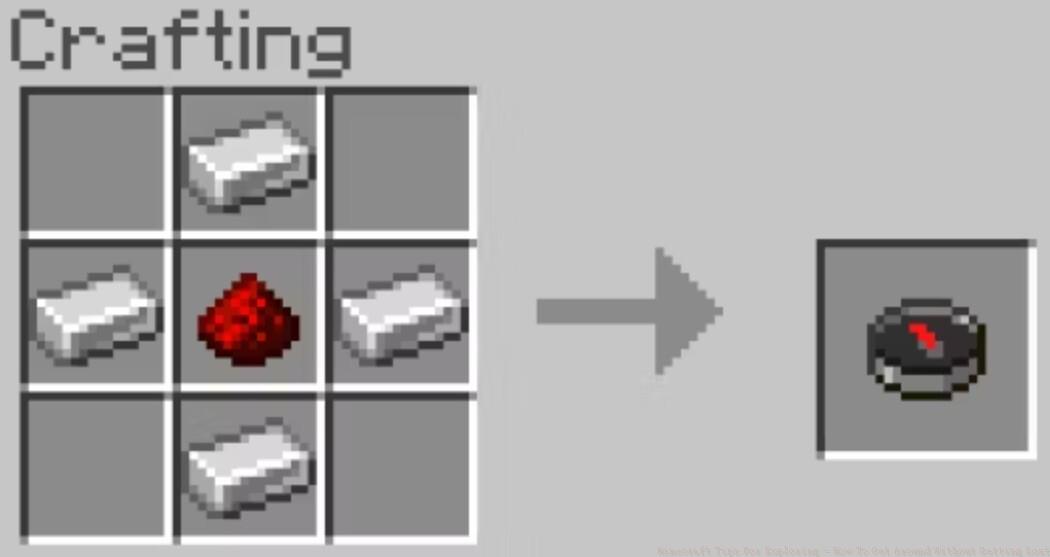
The compass represents one of the most straightforward navigation items to craft and deploy effectively. By design, this instrument consistently points toward your world spawn location—the initial point where you first entered the game world. This functionality guarantees that regardless of exploration distance, you maintain the capability to return to this central reference point. As you establish operations further from spawn, this becomes less practical, though this limitation can be overcome using Lodestone technology—covered in detail later. Nevertheless, this fundamental tool provides absolute reliability for returning to spawn from any distance.
While compasses ensure return to origin points, they won’t guide you back to that amazing mineral deposit discovered during exploration. Maps, conversely, provide this specific functionality. To craft your first map, gather nine paper sheets, obtained through harvesting Sugar Cane and processing at crafting stations. Comprehensive mapping consumes substantial paper reserves, so accumulating multiple stacks proves wise—though beginning with nine units suffices for initial creation. Upon crafting and activating your map, you receive a basic cartographic representation of your immediate vicinity, which expands as you traverse the mapped territory. This merely scratches the surface—maps become incredibly powerful tools when mastered properly.
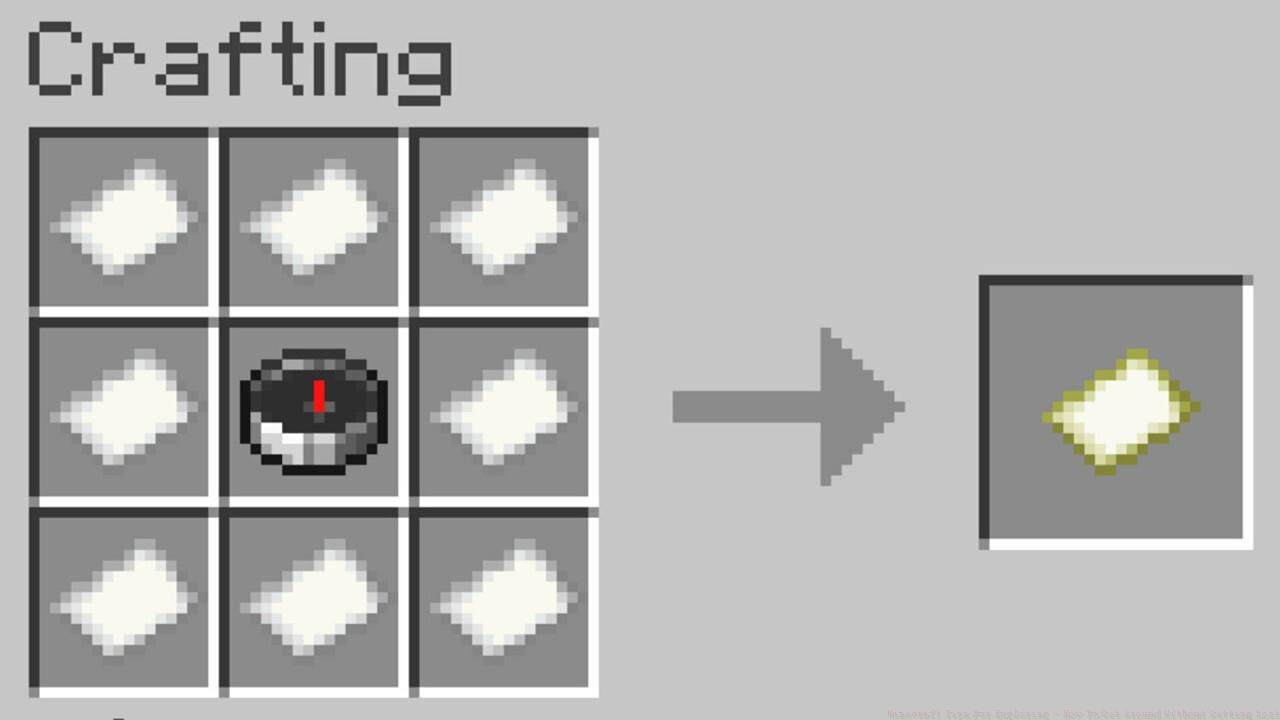
The evolutionary step beyond basic mapping involves creating locator maps. This advanced variant requires eight paper sheets combined with a compass. The resulting map mirrors the basic version but incorporates real-time player positioning, displaying both your location and orientation alongside other server participants. When players venture beyond mapped boundaries, their positions appear along the map edges, providing crucial guidance for reuniting lost companions with established bases.
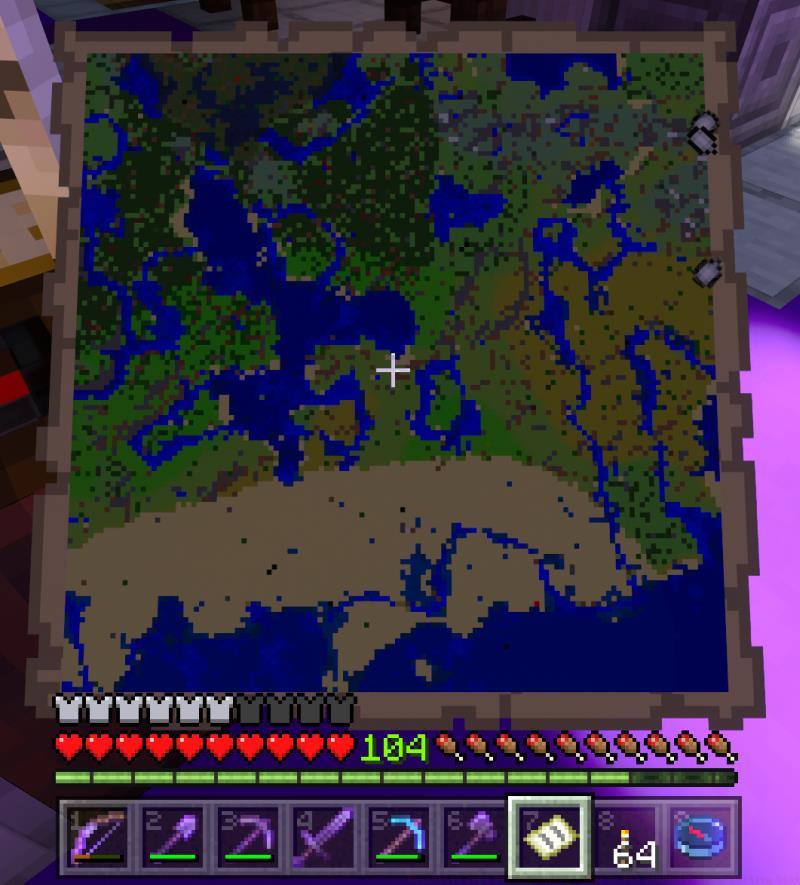
The pinnacle of cartographic development involves creating zoomed-out map variations. The game features five distinct map zoom levels, each providing progressively broader territorial coverage while maintaining navigational precision. Understanding when to employ each zoom level significantly enhances exploration efficiency and base management capabilities.
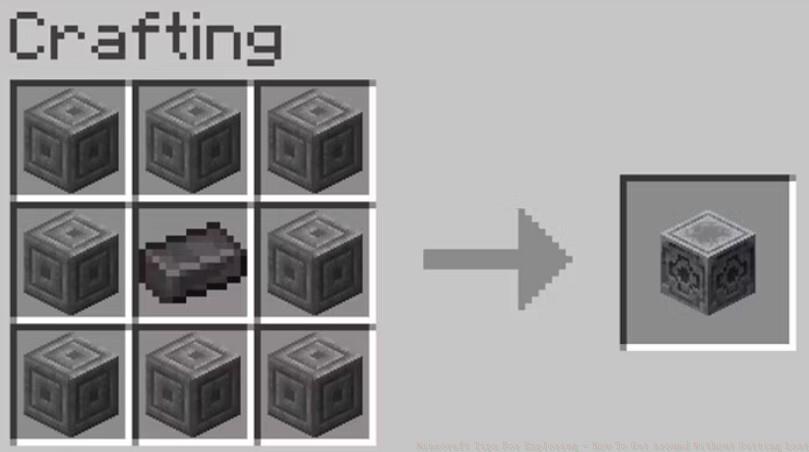
For players seeking customized waypoint systems beyond spawn navigation, Lodestone implementation offers the ultimate solution. These specialized blocks, when paired with compasses, create personalized directional markers that point to specific locations of strategic importance. This advanced technique proves invaluable for marking multiple bases, resource outposts, or significant landmarks throughout your world.
Strategic navigation planning separates novice players from seasoned veterans. Consider establishing primary routes using shovel paths between key locations, supplementing with torch markers for night navigation. Implement sign systems at complex intersections, and always carry both compass and locator maps during extended expeditions. This layered approach ensures you maintain orientation through any situation, from deep cave mining to cross-biome exploration.
For comprehensive gaming strategies beyond navigation, our Battlefield 6 Complete Guide provides extensive tactical insights applicable across various game genres. Similarly, understanding equipment systems through our BF6 Weapons Unlock Guide demonstrates systematic progression planning, while the BF6 Class Selection Guide offers character specialization strategies that translate well to Minecraft role-playing servers.
Action Checklist
- Craft basic shovel path network between key locations
- Establish torch trail system using color-coded placement for different path types
- Create compass for spawn navigation and sugar cane farm for paper production
- Craft locator map for real-time player tracking and territory mapping
- Implement lodestone waypoint system for custom navigation points
No reproduction without permission:SeeYouSoon Game Club » Minecraft Tips For Exploring – How To Get Around Without Getting Lost Master Minecraft navigation with essential tools, advanced mapping techniques, and practical survival strategies