
TL;DR
- Anvils enable enchanted item repair and combination using 31 iron ingots
- Grindstones remove unwanted enchantments while providing XP recovery benefits
- Enchantment Tables transform abundant Lapis Lazuli into powerful tool upgrades
- Strategic tool management reduces Minecraft’s grind significantly
- Proper enchantment selection creates tools that last through entire gameplay sessions
Strategic tool management can transform your Minecraft experience from tedious resource gathering to efficient, enjoyable gameplay. When optimized correctly, a single properly enchanted pickaxe can serve your mining needs throughout extensive gameplay sessions.
Note: This guide focuses on the Bedrock version of Minecraft, available on Windows 10, Xbox, PlayStation, Switch, and mobile.
Minecraft’s progression system can feel overwhelming for new players, with resource gathering consuming significant time. However, three specialized tools—Anvil, Grindstone, and Enchantment Table—can dramatically reduce this grind when used strategically. These items shift gameplay focus from constant mining to intelligent crafting and tool optimization. While constructing an Anvil demands substantial iron investment, its enchantment manipulation and renaming capabilities deliver exceptional long-term value. Similarly, creating your initial Enchantment Table requires effort, but its fuel components—Lapis Lazuli and experience points—become plentiful through normal gameplay, transforming ordinary tools into reliable companions. This guide provides detailed strategies for leveraging these essential tools to enhance your survival efficiency in Minecraft’s challenging environment.
While basic item repair is possible at any Crafting Table, once you begin working with enchanted equipment, the Anvil becomes indispensable. This specialized workstation requires substantial iron investment—31 ingots total—but provides three critical functions unavailable elsewhere: repairing enchanted items without losing their magical properties, combining multiple enchantment books to create powerful stacked effects, and customizing item names for organizational purposes.
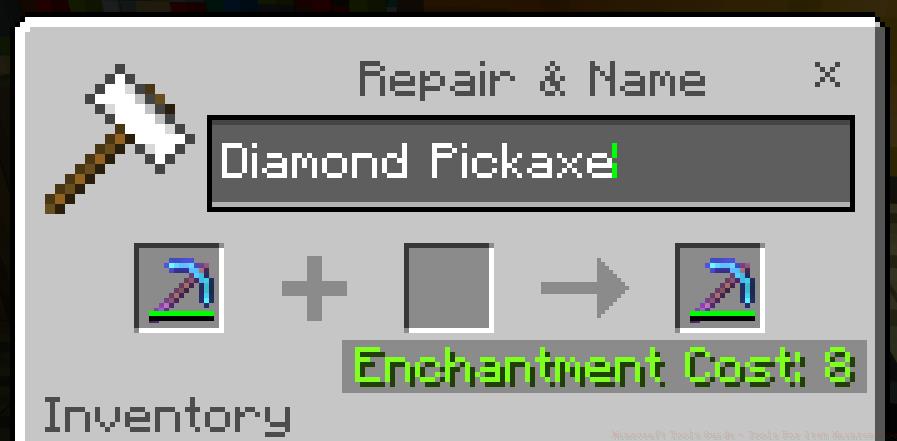
Advanced Anvil strategies include combining tools with similar enchantments to repair them efficiently—for example, two damaged Efficiency III pickaxes can be combined to create one fully repaired tool while preserving the enchantment. Another professional technique involves renaming items before extensive use, as named items don’t accumulate the increased experience cost penalty when repaired repeatedly. Common mistakes include wasting resources on low-level enchantment combinations instead of waiting for higher-tier books, or repairing items too frequently rather than combining them strategically with duplicate enchanted tools.
Acquiring enchanted equipment represents significant progress, but not all enchantments provide practical benefits for your playstyle. The Grindstone offers intelligent enchantment management by allowing removal of any non-Curse enchantments from items while returning a portion of the invested experience points. This functionality proves particularly valuable when transitioning between gameplay phases—such as moving from fishing-focused activities to mining operations—where different enchantment sets become preferable.
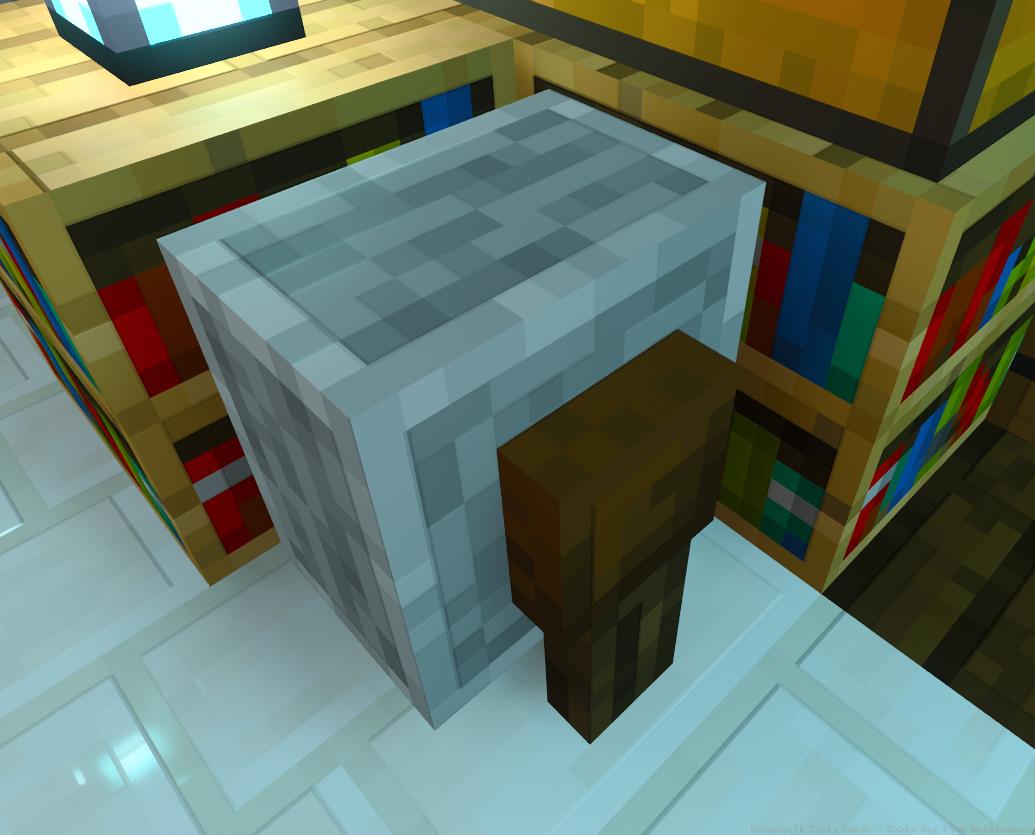
Strategic Grindstone usage involves removing undesirable enchantments from found items before applying preferred ones via Anvil combination. For instance, a sword with Bane of Arthropods can be stripped of this situational enchantment to prepare it for more universally useful Sharpness. The recovered XP, typically 20-40% of the original cost, can then fund new enchantments. Avoid the common error of disenchanting valuable high-level items—always assess whether the base item quality justifies the enchantment removal process.
As you progress into deeper mining operations, Lapis Lazuli accumulation will quickly exceed your initial expectations. Rather than hoarding this blue mineral, channel it into systematic tool enhancement through the Enchantment Table. Once constructed, this mystical workstation consumes modest amounts of Lapis Lazuli alongside your accumulated experience points, but the transformation it enables turns basic implements into extraordinary assets.
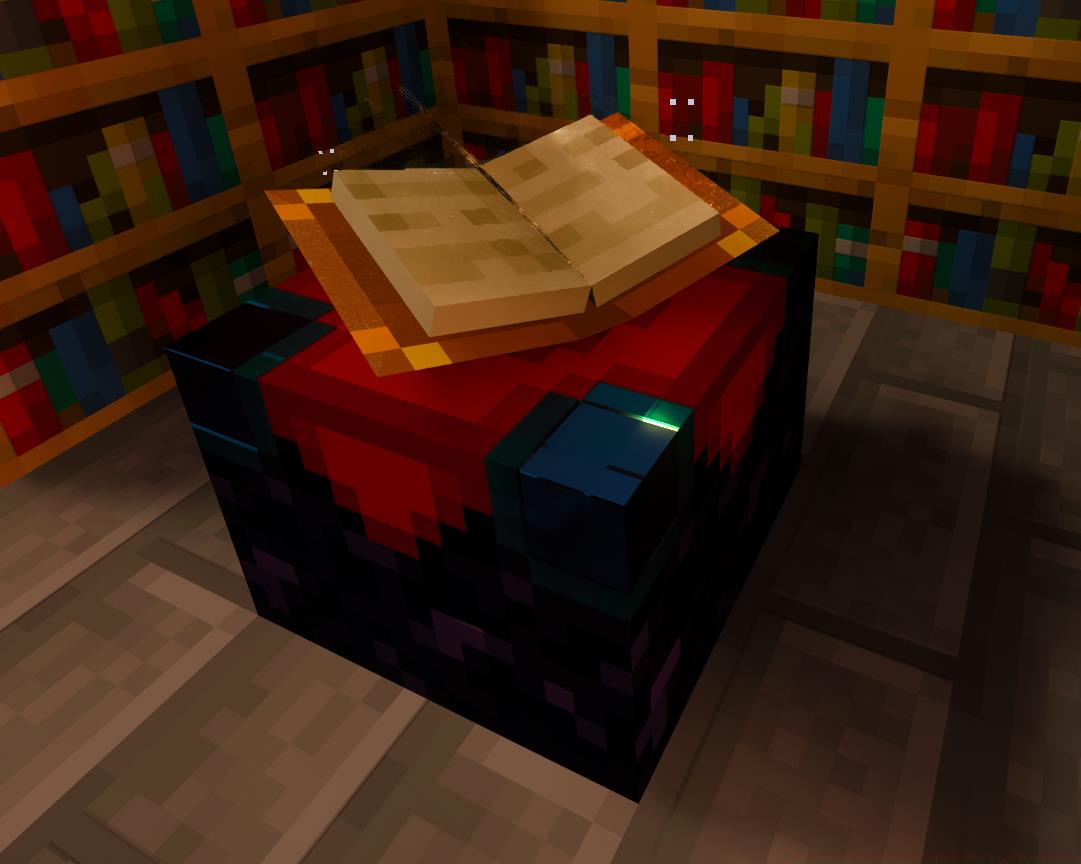
Optimal enchantment strategy involves prioritizing tools you use most frequently—typically pickaxe, sword, and armor. For mining tools, Efficiency and Unbreaking dramatically increase productivity, while Fortune III can triple diamond yields. Combat tools benefit enormously from Sharpness, Smite, or Bane of Arthropods depending on your predominant enemies, with Looting significantly improving mob drop rates. A common beginner mistake is enchanting low-durability tools; always start with fresh, fully repaired items to maximize enchantment value. Advanced players often create dedicated “enchantment setups” with bookshelves positioned precisely to unlock maximum-level enchantments.
Mastering the synergy between these three workstations separates novice players from Minecraft veterans. The optimal workflow involves: using the Grindstone to remove undesirable enchantments from found gear, applying preferred enchantments via the Enchantment Table, and finally using the Anvil to combine complementary enchantments and repair items strategically.
Resource optimization tips include creating an iron farm to supply Anvil materials sustainably, building mob farms for consistent XP generation, and establishing trading halls with librarians for specific enchantment books. Time estimates for constructing these stations vary: 2-3 hours for gathering Anvil resources, 1-2 hours for Enchantment Table construction, and minimal time for Grindstone creation.
Common pitfalls to avoid: neglecting to rename items before heavy use (increasing repair costs), combining enchantments haphazardly instead of planning synergistic sets, and wasting high-level enchantments on inferior base items. Remember that while these tools require initial investment, their long-term benefits dramatically reduce the Minecraft grind, allowing more time for creative building and exploration.
Action Checklist
- Construct Enchantment Table first using 4 obsidian, 2 diamonds, and 1 book
- Gather 31 iron ingots for Anvil construction
- Use Grindstone to remove unwanted enchantments from found gear
- Apply preferred enchantments to fresh tools via Enchantment Table
- Combine complementary enchantments and rename items at Anvil
- Establish sustainable resource farms for ongoing tool maintenance
No reproduction without permission:SeeYouSoon Game Club » Minecraft Tools Guide – Tools For Item Maintenance Master Minecraft's essential tools: Anvil, Grindstone, and Enchantment Table for efficient gameplay