
TL;DR
- Plains offer flat terrain ideal for beginners but lack natural wood resources
- Forests provide abundant wood but require careful mob management and fire prevention
- Swamps contain exclusive resources like slime but present navigation and lighting challenges
- Each biome requires specific survival strategies and base-building approaches
- Strategic biome selection dramatically impacts your early-game progression speed
Mastering Minecraft’s temperate biomes provides the foundation for successful survival gameplay, whether you’re a first-time player or seasoned veteran. These regions offer balanced environments that support sustainable progression without the extreme challenges of hostile biomes.
Note: This guide focuses on the Bedrock version of Minecraft, available on Windows 10, Xbox, PlayStation, Switch, and mobile.
While few Minecraft biomes are completely uninhabitable, temperate zones significantly reduce survival difficulty through abundant resources and manageable threats. Understanding biome-specific mechanics enables strategic decision-making for base location selection and resource gathering optimization.
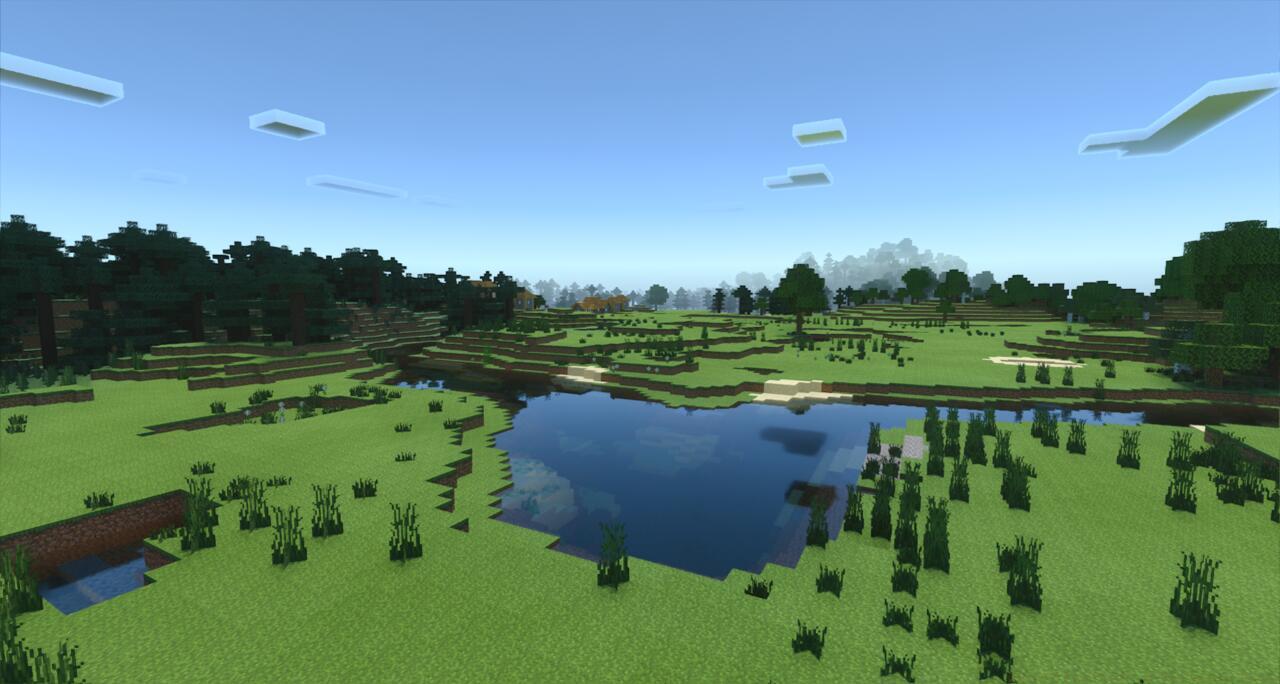
Plains biomes represent one of Minecraft’s most recognizable landscapes, characterized by expansive flat terrain with occasional tree clusters. This topography makes navigation straightforward but requires strategic planning for resource acquisition.
The plains support diverse passive mob populations including horses, donkeys (exclusive to this biome), and common farm animals. Beehives naturally generate here, providing access to honey resources. However, the open landscape offers minimal natural cover, making hostile mob encounters more frequent during nighttime.
Strategic plains survival requires immediate wood gathering from sparse trees, then rapid shelter construction before dusk. The flat terrain facilitates large-scale farming operations and simplifies redstone contraption implementation. Village and pillager outpost generation, while uncommon, provides significant early-game advantages through loot and trading opportunities.
Common Mistake: Beginners often underestimate wood requirements in plains biomes. Collect at least two stacks of logs during your first day to ensure adequate material for essential tools, shelter, and fuel.
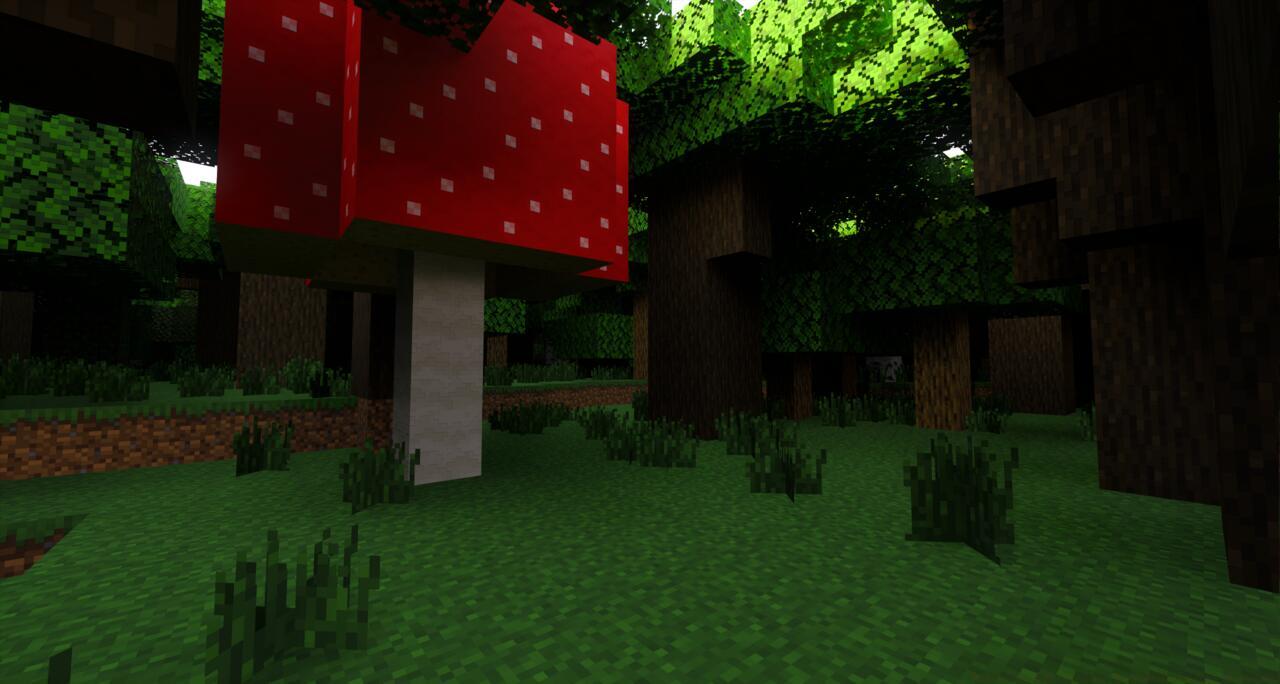
Forest biomes match plains in frequency but feature dense concentrations of oak and birch trees interspersed with water bodies. These regions exclusively support wolf spawning—companion animals that provide defensive capabilities when tamed using bones.
The abundant wood resources enable rapid tool progression and shelter construction. However, the dense canopy creates dark areas where hostile mobs can spawn during daylight hours, requiring thorough area lighting for safety.
Forest subtypes present distinct characteristics and challenges:
Pro Tip: When exploring dark forests, carry at least 32 torches and place them every 5-7 blocks to prevent mob spawning. The dense wood resources make these biomes excellent for large-scale construction projects once properly secured.
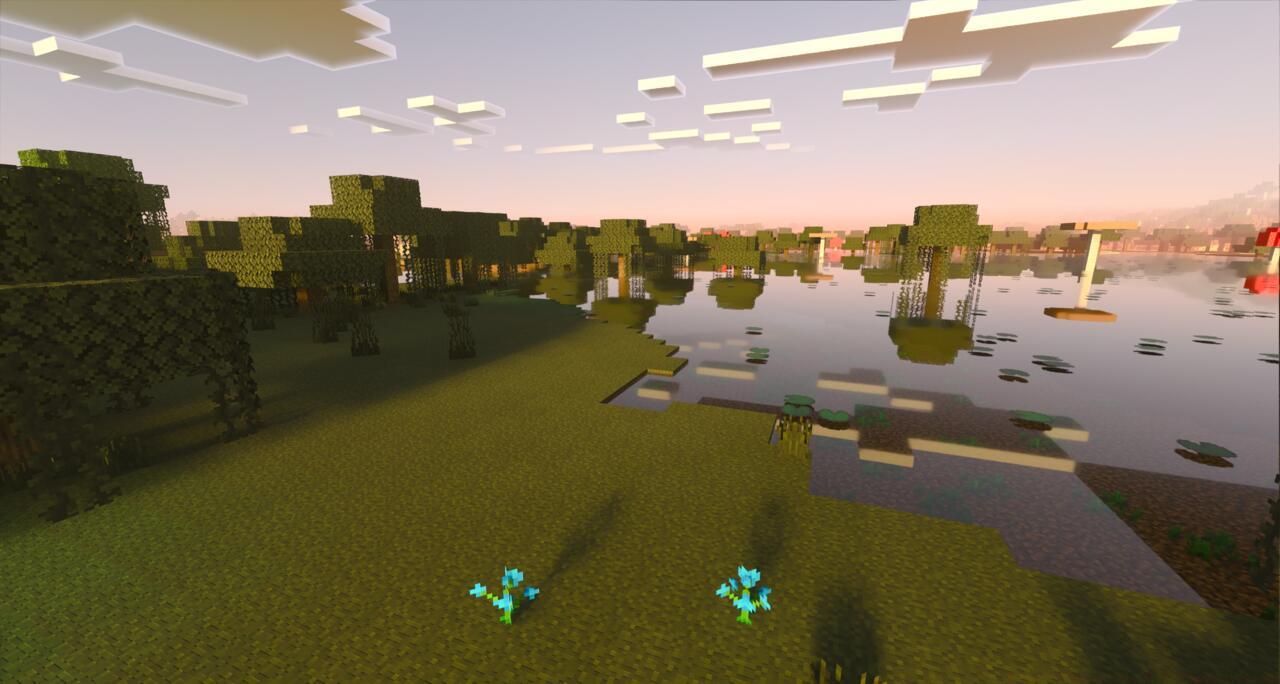
Swamp biomes present unique environmental conditions characterized by shallow water, lily pads, and vine-covered trees. These wetlands contain exclusive resources including slime balls from slime mobs and unique blue orchid flowers.
Witch huts generate exclusively in swamps, providing access to potion ingredients but presenting magical combat challenges. The waterlogged terrain complicates navigation but offers natural defensive advantages against ground-based mobs.
Successful swamp habitation requires elevated base construction or drainage projects. The abundant water sources facilitate farming operations but necessitate careful lighting placement to prevent drowned mob spawns.
Advanced Strategy: Build treehouse bases using the abundant dark oak trees to avoid ground-level threats while maintaining access to unique swamp resources.
Action Checklist
- Gather 64+ wood logs immediately upon spawning in any biome
- Construct basic 5×5 shelter with door, bed, and crafting table before first night
- Place torches every 6-8 blocks around your base perimeter
- Explore nearby biomes to identify complementary resources within 500 blocks
- Establish sustainable food source through farming or animal breeding
No reproduction without permission:SeeYouSoon Game Club » Minecraft Biome Guide – All The Temperate Biomes Master Minecraft's temperate biomes with expert survival strategies and resource optimization tips