
TL;DR
- Ice Spikes biome is exceptionally rare with unique ice tower formations worth marking on maps
- Snowy Tundra hosts exclusive mobs like Strays and Polar Bears with valuable combat advantages
- Ocean Monuments in deep oceans provide sponges and guardians for advanced underwater base building
- Powder snow in mountain slopes requires shovel preparation to prevent freezing and suffocation
- Mushroom Fields offer hostile-mob-free environments perfect for safe farming operations
Ice Spikes formations and Mushroom Cow habitats represent Minecraft’s most extraordinary biome anomalies that deliver unforgettable exploration experiences. These frozen and fungal landscapes provide both aesthetic wonder and practical gameplay advantages for savvy players.
Note: This guide focuses on the Bedrock version of Minecraft, available on Windows 10, Xbox, PlayStation, Switch, and mobile.
While Minecraft features numerous temperate regions, its coldest ecosystems offer unparalleled visual spectacle and unique survival mechanics. The elusive Ice Spikes biome creates breathtaking first encounters with its towering frozen structures. Equally remarkable are the mushroom-covered bovine creatures that inhabit specialized fungal biomes. These represent Minecraft’s most fascinating cold, aquatic, and bizarre environmental zones that every dedicated explorer should experience.
Imagine an arctic desert landscape—vast, open expanses of snow-covered terrain with sparse vegetation distribution. Snowy tundra biomes typically generate as massive flat areas with occasional tree clusters. The real attractions here are the exclusive mob spawns: polar bears that appear nowhere else, along with white-furred rabbits blending into the environment. More significantly, this biome features the Stray, a frozen skeleton variant that employs both ranged and close-combat attacks while inflicting the debilitating Slowness status effect on players.
Pro Tip: Strays drop Arrows of Slowness when defeated, making them valuable for PvP scenarios and mob control strategies. Always carry milk buckets to counteract slowness effects during extended tundra exploration sessions.
The Ice Spikes biome stands as one of Minecraft’s rarest environmental types, featuring spectacular ice pillar formations reminiscent of eroded badlands topography but composed entirely of frozen water structures. These zones contain minimal vegetation but offer immense aesthetic value for builders seeking unique architectural inspiration.

Common Mistake: Many players attempt to mine ice spikes with bare hands or incorrect tools, resulting in destroyed resources without yield. Always use Silk Touch-enchanted tools to harvest packed ice blocks intact for transportation and construction projects.
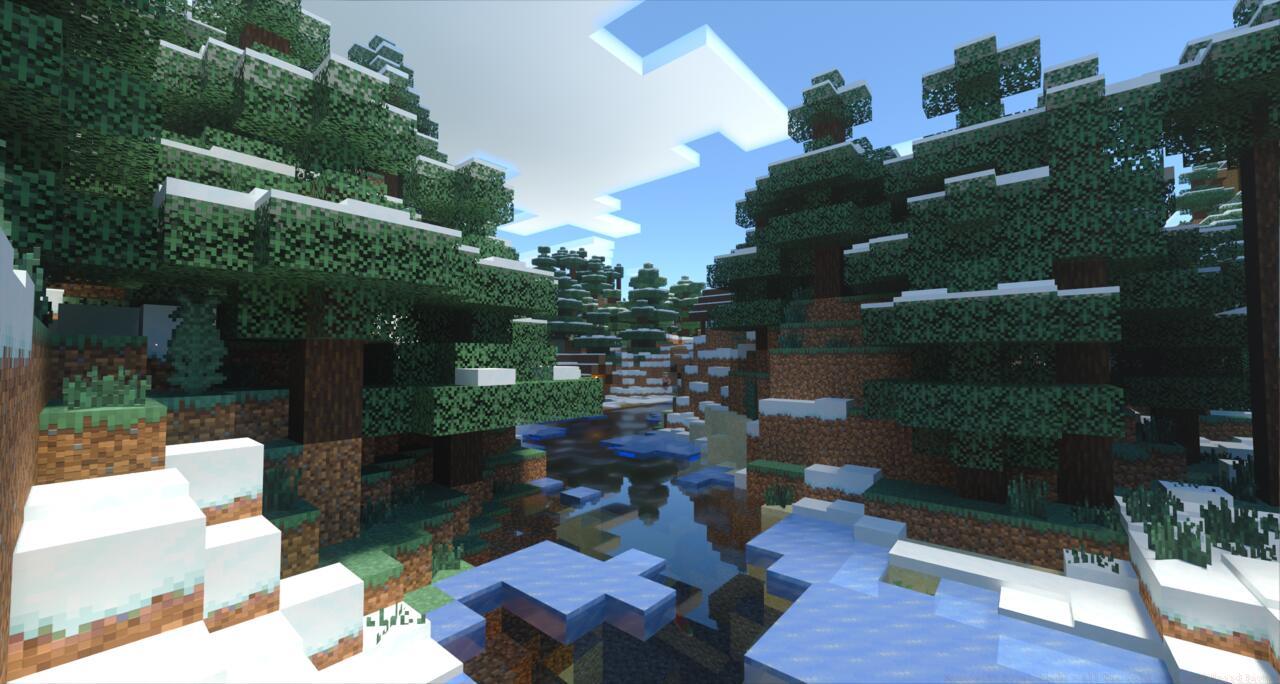
Taiga forest ecosystems contain dense groves of standard and massive spruce trees, complemented by ground cover including ferns, damaging sweet berry bushes, and various mushroom types. These areas frequently spawn rabbits and wolves, while serving as the exclusive habitat for fox mobs. Villages can generate within taiga biomes under appropriate conditions. Depending on specific generation parameters, taiga regions may produce snowfall and vary between flat and mountainous terrain configurations. Giant taiga variants showcase enormous spruce specimens and feature podzol blocks instead of standard dirt terrain.
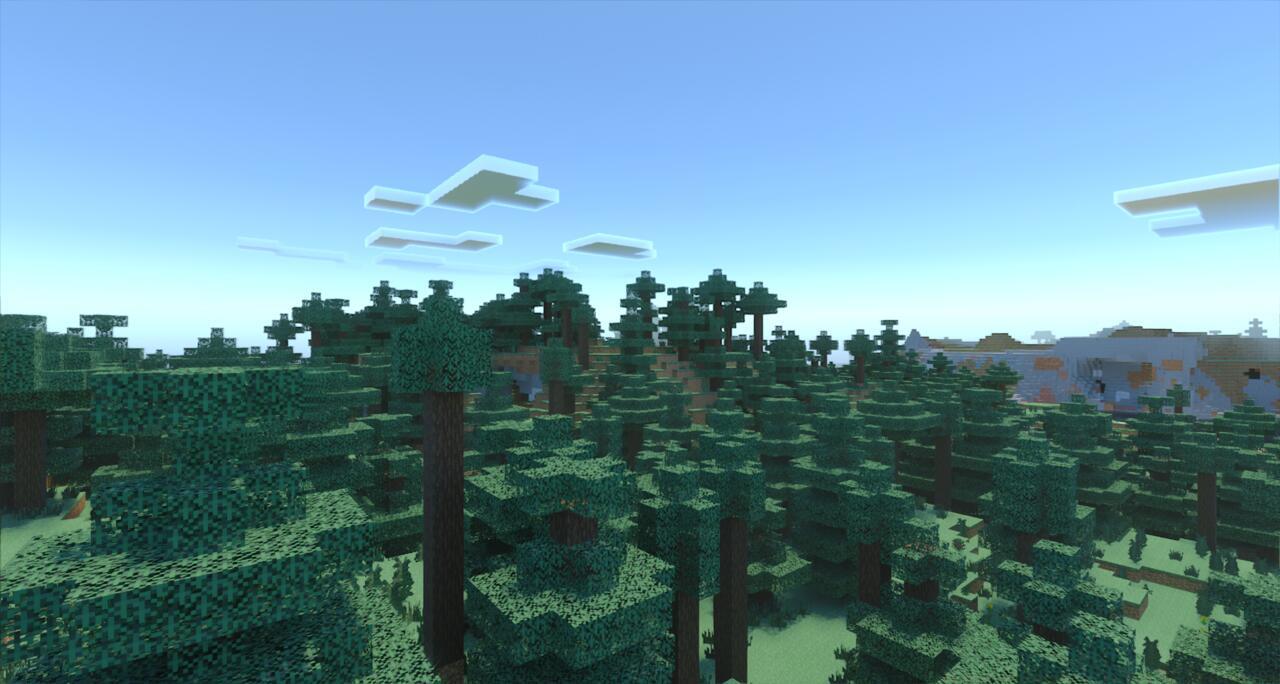
Advanced Strategy: Foxes spawned in taiga biomes will trust players who breed them, unlike wild-spawned foxes. This makes taiga the ideal location for establishing fox farms. Sweet berry bushes provide excellent early-game food but require careful navigation to avoid damage.
Ocean biomes constitute Minecraft’s most extensive environmental category, dominating significant portions of the Overworld terrain. All ocean variants generate at consistent sea level elevations. The six primary ocean types include: deep ocean, frozen ocean, deep frozen ocean, cold ocean, lukewarm ocean, and warm ocean classifications.
Ocean environments demonstrate remarkable diversity matching their substantial depths. Warm ocean biomes generate vibrant coral reef systems teeming with marine life including dolphins, pufferfish, tropical fish varieties, and more. Deep ocean variants may spawn Ocean Monuments, challenging structures containing guardian mobs (dangerous piscine enemies) and yielding sponge blocks—invaluable tools for draining underwater construction sites. Numerous ocean biomes also contain shipwreck structures that enhance world immersion through environmental storytelling.
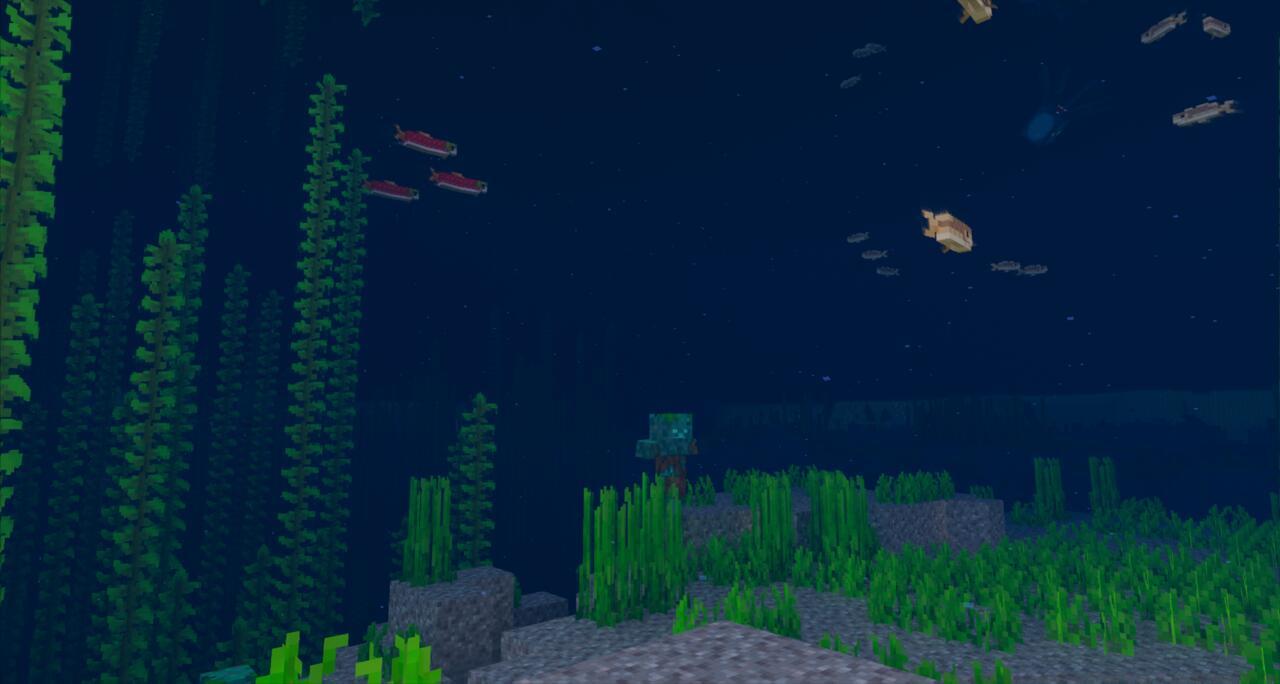
Time Investment: Fully clearing an Ocean Monument typically requires 45-60 minutes with proper preparation, including water breathing potions and depth strider enchantments.
Among the newer additions to Minecraft’s expanding biome roster are the elevated mountain summit categories. Jagged Peaks, Frozen Peaks, and Stony Peaks comprise this classification, characterized by extensive ice formations and substantial snow accumulation layers. Generally, these high-altitude zones serve as the primary spawning grounds for goat mobs.
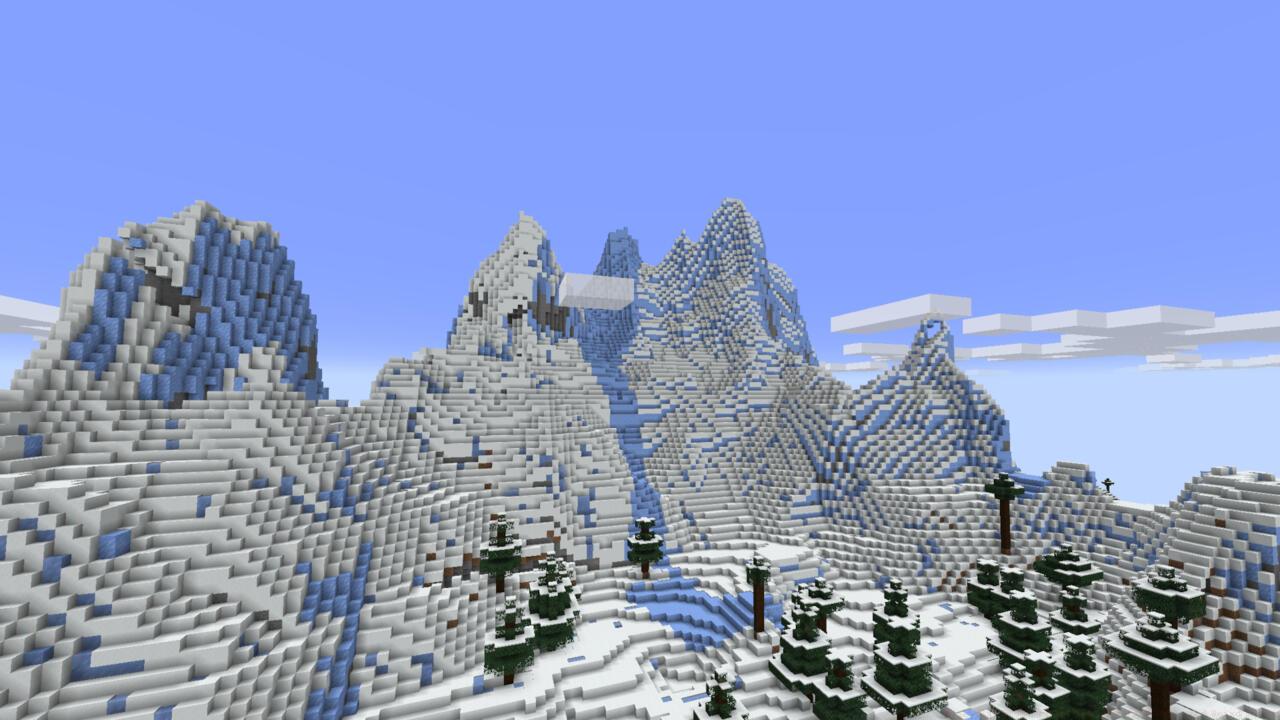
Descending mountain elevations reveal snowy slopes and grove biomes. The predominant danger in these areas involves powder snow—complete snow blocks that unsuspecting players may fall into, sustaining freezing damage and ultimately facing suffocation mechanics. Maintaining a shovel in your quick-access toolbar provides essential protection against these environmental threats.
Critical Warning: Without proper equipment, players can become completely trapped in powder snow, requiring external rescue. Leather boots prevent sinking, while shovels create escape paths.
Mushroom Fields represent one of Minecraft’s most secure biomes, as hostile mobs cannot spawn naturally on mycelium blocks. This creates ideal conditions for establishing safe farming operations and base construction without lighting requirements. The iconic mooshrooms (mushroom cows) spawn exclusively here, providing unique mushroom stew resources when harvested properly.
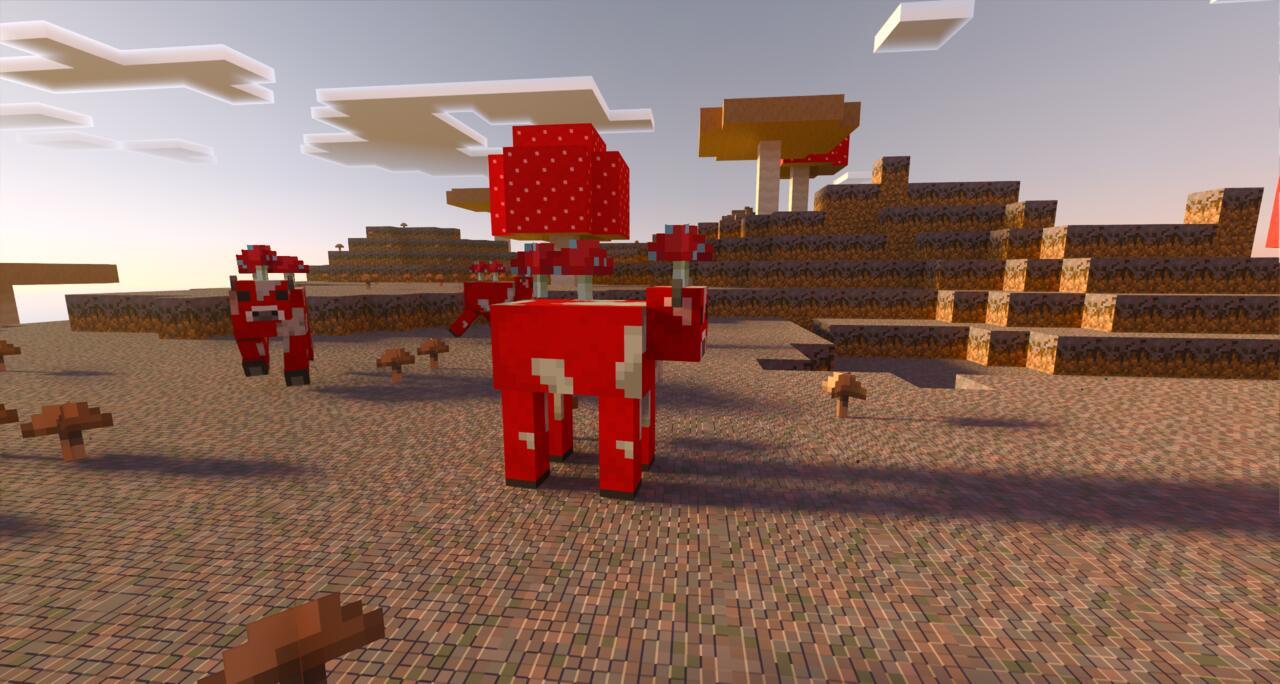
Building Advantage: Mycelium blocks spread to adjacent dirt blocks, allowing players to expand their safe zones gradually. Mooshrooms can be bred using wheat and may even be converted back to regular cows if struck by lightning—a rare but documented transformation.
Action Checklist
- Mark Ice Spikes biome coordinates immediately upon discovery for future resource harvesting
- Always carry shovels in mountain biomes to escape powder snow hazards
- Use Silk Touch tools to harvest packed ice from Ice Spikes without destruction
- Prepare water breathing potions and depth strider gear before Ocean Monument raids
- Breed foxes in taiga biomes to create trusted companions for exploration
No reproduction without permission:SeeYouSoon Game Club » Minecraft Biome Guide – All The Cold, Wet, And Weird Biomes Master Minecraft's rarest cold biomes with expert survival strategies and resource optimization tips