
TL;DR
- Jungles offer rare resources like bamboo and jungle temples but require navigation expertise
- Deserts feature dangerous husks that inflict hunger and unique golden rabbits as passive mobs
- Badlands provide abundant terracotta and increased gold generation in rare terrain formations
- Each warm biome has distinct weather patterns affecting gameplay and resource availability
- Strategic preparation is essential for surviving hostile conditions in all warm biomes
Minecraft’s warm biomes present some of the most visually striking yet challenging environments for players to navigate. These regions demand specialized survival knowledge and preparation to conquer their unique obstacles.
Important: This comprehensive guide specifically covers the Bedrock edition of Minecraft, playable across Windows 10, Xbox consoles, PlayStation systems, Nintendo Switch, and mobile devices.
The game’s warmer climate zones often prove difficult to locate and can be exceptionally punishing for unprepared adventurers. While desert areas appear frequently, they harbor husks—zombie variants immune to sunlight. The breathtaking badlands landscapes, despite their beauty, typically lack abundant resources and wildlife.
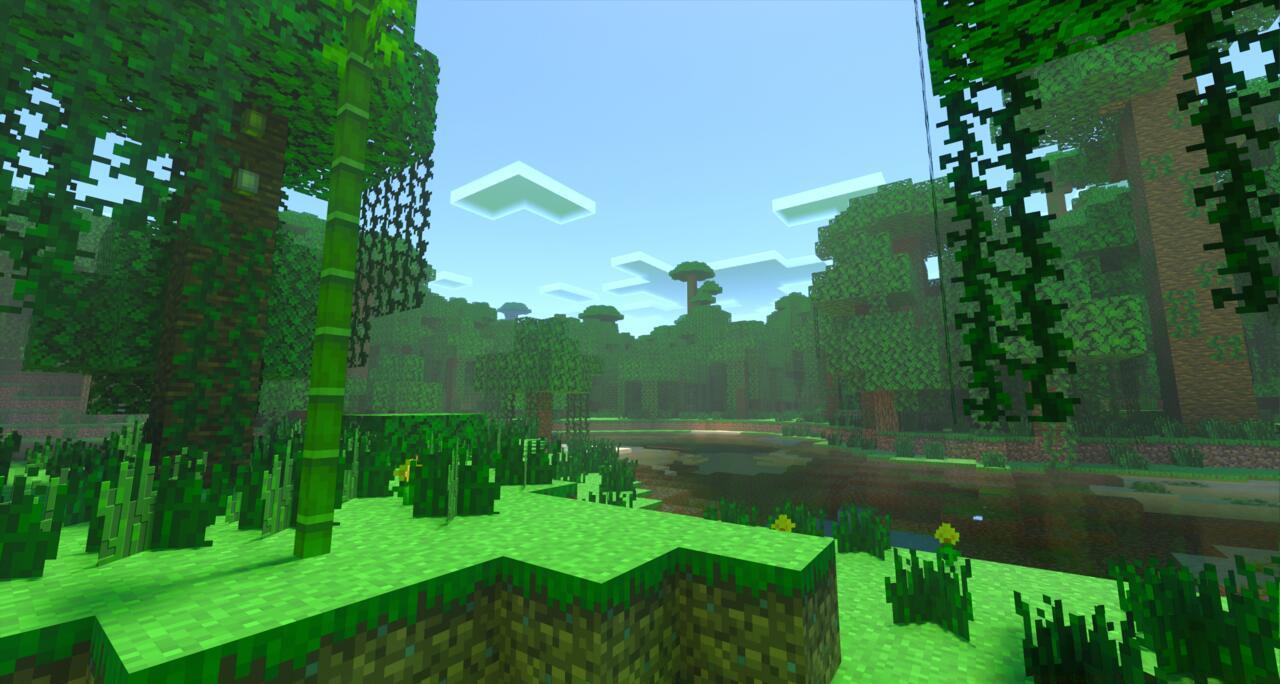
Jungle biomes rank among Minecraft’s scarcest environments, characterized by massive jungle trees reaching up to 31 blocks tall alongside miniature trees growing from single wood blocks. These dense forests contain numerous exclusive features that reward thorough exploration.
The jungle’s unique ecosystem supports specialized wildlife including ocelots, colorful parrots, and pandas—creatures found nowhere else in the game world. Adventurers may also discover elusive jungle temples containing valuable loot and complex redstone puzzles.
Bamboo jungle variants occur more commonly than standard jungles, featuring reduced tree density but abundant bamboo clusters. This fast-growing plant serves as one of Minecraft’s most renewable resources and forms the foundation for scaffolding blocks, essential construction tools for ambitious building projects.
Pro Tip: Always carry shears when exploring jungles—bamboo grows rapidly and shears harvest it efficiently. For navigation, create pathways with torches or build elevated walkways to avoid getting lost in the dense vegetation.
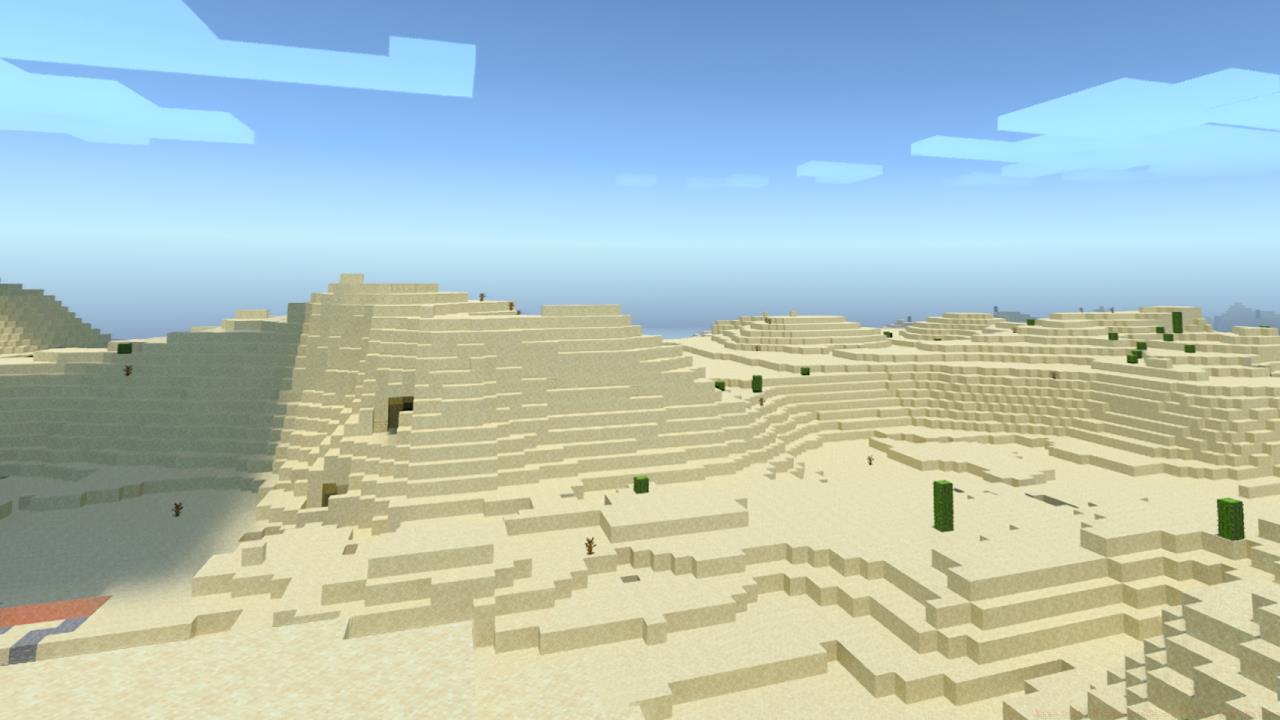
Desert biomes match expectations perfectly—expansive sand dunes and cactus fields stretching to the horizon. Vegetation remains sparse with primarily dead bushes and cacti dominating the landscape.
Unlike most biomes, deserts spawn only rabbits as passive mobs, featuring golden fur camouflage matching their sandy surroundings. This environment introduces its own hostile threat: the husk. These zombie variants withstand direct sunlight and inflict the Hunger status effect when attacking, temporarily disabling your food consumption effectiveness.
Desert regions may contain villages, water wells, and hidden pyramids/temples with valuable treasures. Precipitation never occurs in desert biomes, even when adjacent areas experience rainfall—a unique meteorological phenomenon.
Common Mistake: Many players underestimate husk threats due to their zombie resemblance. Always maintain distance and use ranged weapons—their hunger effect can quickly become fatal when combined with limited desert food sources.
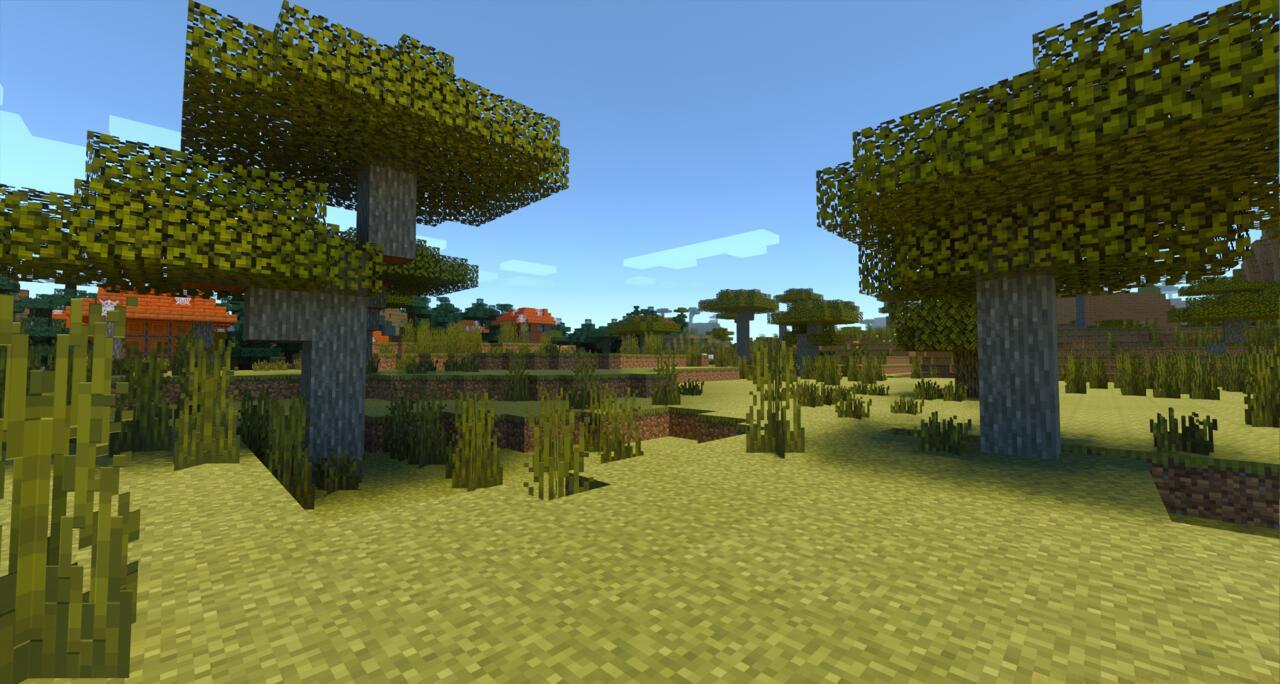
Badlands environments share similarities with deserts regarding limited flora and fauna. Cacti and dead bushes generate naturally, but passive mobs remain completely absent—not even the desert’s golden rabbits appear here.
These exceptionally rare biomes typically border desert areas and contain increased mineshaft frequency with higher gold ore generation rates. The primary construction materials include abundant terracotta and red sand deposits available in massive quantities.
Similar to deserts, precipitation never occurs in badlands biomes. The terrain consists predominantly of colorful layered terracotta formations creating stunning visual landscapes.
Badlands biome variations include several distinct types:
Mining Strategy: Focus strip mining at Y=32 for optimal gold yields in badlands. The increased ore frequency makes these biomes ideal for establishing gold farms and automated mining operations.

Action Checklist
- Pack extra food and water bottles before entering deserts to counter husk hunger effects
- Bring shears for efficient bamboo harvesting in jungle variants
- Establish elevated navigation markers in dense jungles to prevent getting lost
- Mine at Y=32 in badlands for maximum gold ore yields
- Construct desert bases near village structures for emergency supplies and trading
No reproduction without permission:SeeYouSoon Game Club » Minecraft Biome Guide – All The Warm Biomes Master Minecraft's warm biomes with expert survival strategies, resource guides, and biome-specific challenges