
TL;DR
- Dripstone caves offer abundant copper and unique farming mechanics through stalactites and stalagmites
- Lush caves provide sustainable food sources, natural lighting, and rare mob encounters like axolotls
- Deep Dark biomes contain Ancient Cities with exclusive loot but require advanced stealth to avoid Wardens
- Each underground biome requires specialized gear and strategies for optimal resource extraction
- Proper preparation and understanding of biome-specific dangers dramatically increases survival chances
The underground mining experience in Minecraft has transformed dramatically from its early iterations. What was once repetitive stone corridors has evolved into diverse subterranean ecosystems each with unique resources and challenges.
When Minecraft originally launched, spelunking primarily involved navigating uniform stone tunnels with occasional lava pools and rare diamond deposits as the main highlights. The contemporary underground landscape now features distinct biomes with specialized characteristics, including ancient structures containing valuable artifacts—provided you can survive the formidable guardians protecting them.
While surface exploration showcases numerous biome variations, the underground presents fewer but significantly more hazardous environments requiring advanced preparation and strategic thinking.
Note: This guide focuses on the Bedrock version of Minecraft, available on Windows 10, Xbox, PlayStation, Switch, and mobile.
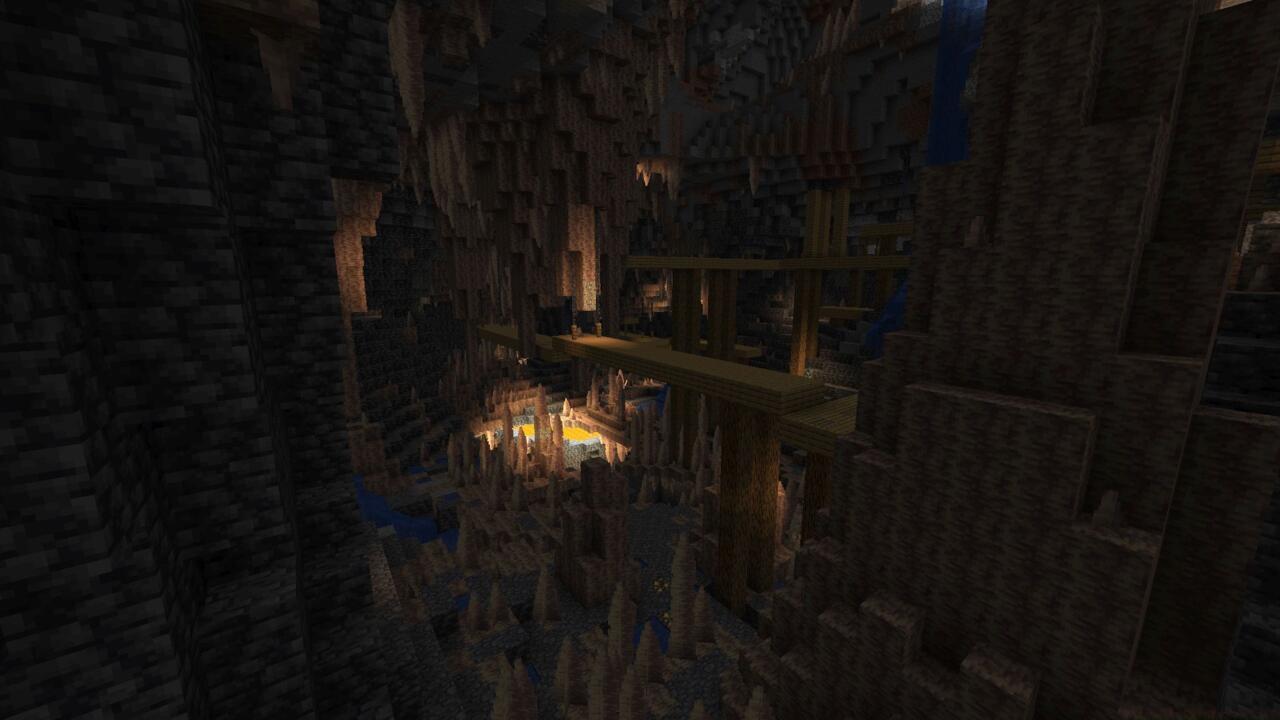
Dripstone caverns immediately distinguish themselves through their distinctive geological formations—stalactites descending from ceilings and stalagmites rising from floors. These pointy blocks serve multiple practical functions beyond aesthetics, including automated lava farming systems and defensive traps that damage both players and hostile mobs upon contact.
Copper ore generates in significantly higher concentrations within dripstone environments compared to other underground areas. For optimal copper mining, focus on the middle layers (Y=48 to Y=0) where these caves most frequently generate. A common mistake is breaking dripstone blocks without silk touch—this causes them to shatter rather than drop as items. Always carry a silk touch enchanted tool when exploring these caves to maximize resource collection.
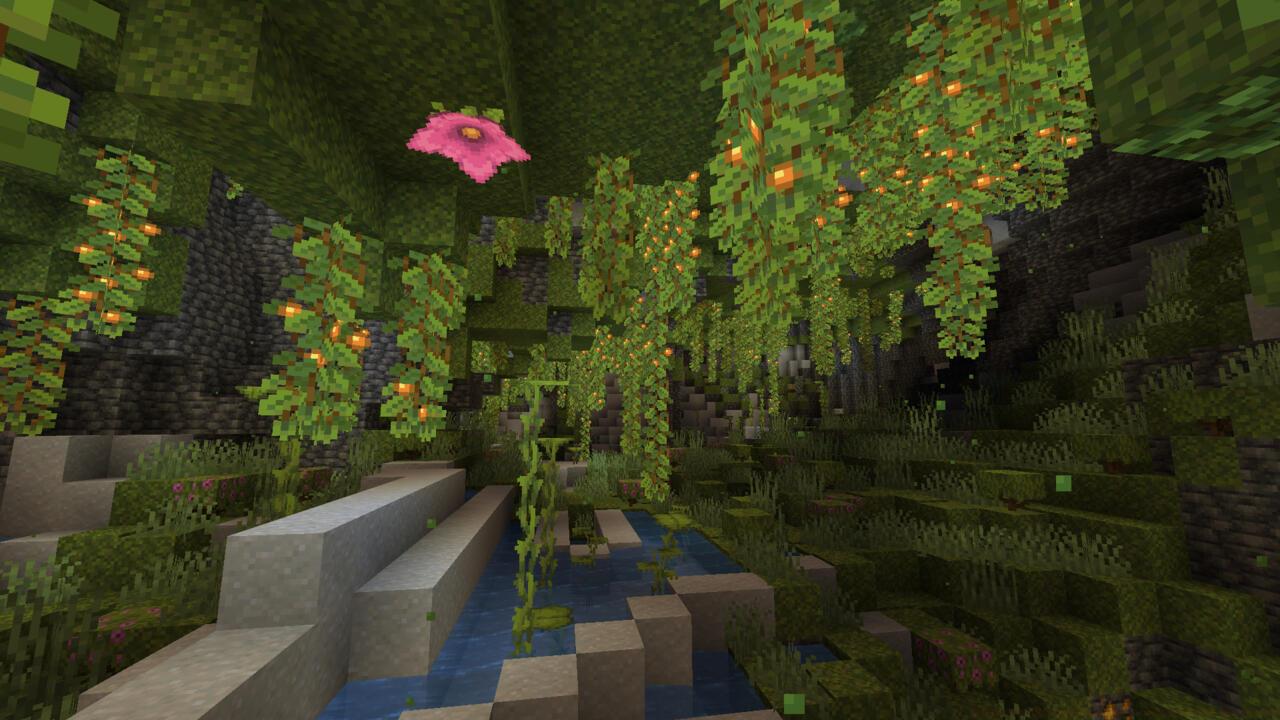
Lush caves represent a breathtaking departure from traditional Minecraft subterranean aesthetics. Previously, underground exploration involved navigating near-identical stone passages with occasional mineral deposits. These vibrant biomes burst with botanical diversity, featuring extensive moss coverage, azalea shrubs, various grasses, and colorful ground flowers.
The canopy areas host glowberries that serve dual purposes as both edible items and natural light sources, accompanied by hanging vines and decorative spore blossoms. Small water pools typically contain dripleaf vegetation and occasionally house axolotls—valuable aquatic companions that assist in combat against underwater threats.
Advanced players should note that lush caves generate directly beneath azalea trees on the surface, providing a reliable surface indicator. The moss blocks can be easily harvested and used for rapid underground terraforming. A critical survival tip: these caves provide sustainable food through glowberries, eliminating the need to return to surface farming during extended mining sessions.
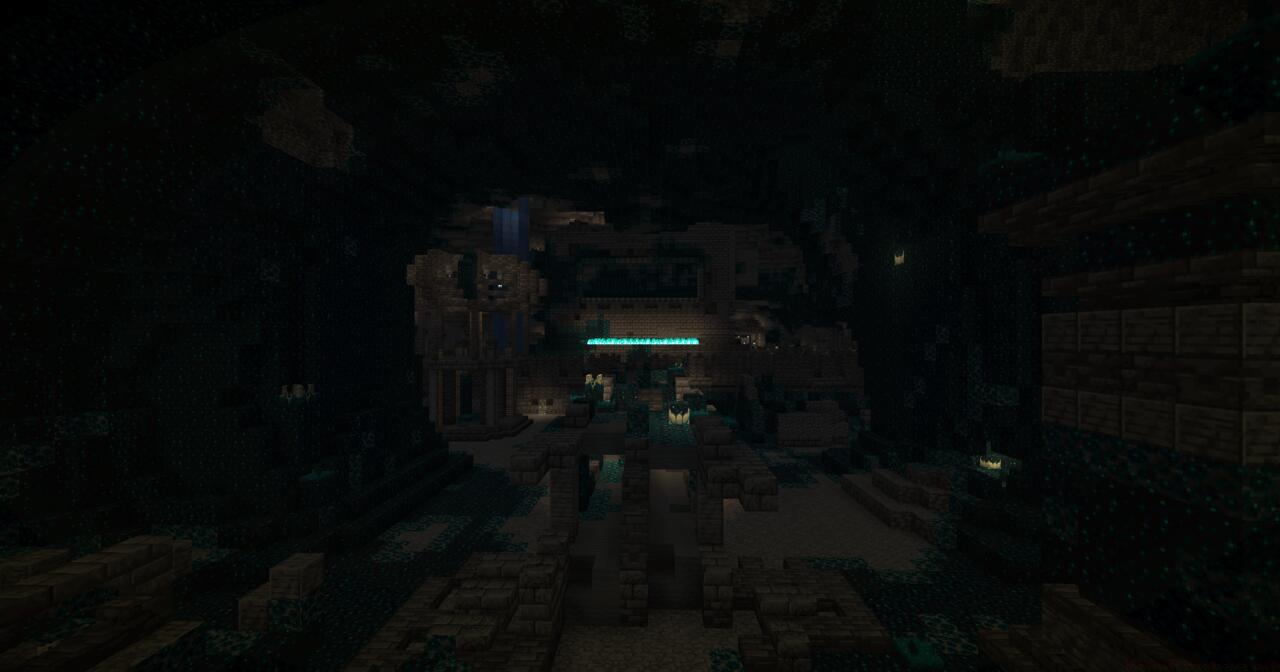
Deep Dark caverns introduce genuine terror to underground exploration. These foreboding environments primarily generate where standard stone transitions to deepslate layers. You’ll encounter sculk sensors that detect vibrations and shriekers that can summon the devastating Warden when triggered multiple times.
Ancient Cities exclusively spawn within these biomes, containing exceptionally rare items including enchanted golden apples and limited-edition music discs among other treasures. While no standard hostile mobs spawn here, the Warden presents an extreme threat—capable of eliminating players wearing full Netherite armor in just two strikes.
Essential survival strategy: move cautiously and utilize wool blocks to muffle footsteps since sculk sensors cannot detect vibrations through wool. Always carry a stack of wool when exploring these areas. Another pro tip: use projectiles to trigger sensors from a distance, allowing you to map safe pathways through ancient cities. The Warden is blind but has exceptional hearing and vibration detection, making stealth and strategic noise diversion your primary survival tools.
Action Checklist
- Craft silk touch pickaxe for dripstone collection and bring 64+ torches
- Locate surface azalea trees to identify lush cave positions before digging
- Prepare wool blocks (2 stacks minimum) for Deep Dark vibration suppression
- Establish base camp at Y=11 with bed, chest, and furnace before biome exploration
- Practice sneaking mechanics and projectile throwing for Warden evasion drills
No reproduction without permission:SeeYouSoon Game Club » Minecraft Cave Biomes Guide Master Minecraft's underground biomes with expert strategies for survival, resource gathering, and avoiding deadly threats