
TL;DR
- Ridden Hives appear randomly during campaign missions, requiring group consensus to enter
- Heng is essential for detecting hidden hive entrances with his unique ping ability
- Skull Totems serve as both weapons and currency for exclusive cosmetic rewards
- Proper team preparation and resource management dramatically increase survival chances
- Avoid common mistakes like rushing exploration and neglecting environmental awareness
The Tunnels of Terror expansion introduces a unique approach to DLC integration that differs significantly from traditional gaming add-ons. Rather than presenting itself as a separate menu option, this content seamlessly blends into your existing campaign experience, creating organic discovery moments that enhance replayability.
To gain entry to these challenging underground environments, you must first secure the expansion through purchase. The Ridden Hives content comes bundled with Back 4 Blood’s Ultimate and Deluxe editions, or can be acquired separately for $15. Many players encounter confusion after purchasing, expecting a straightforward access method from Fort Hope’s hub area.
The innovative design places seven distinct Ridden Hives as randomly spawning encounters throughout standard campaign missions. These hidden entrances require unanimous team approval to descend into, presenting strategic decisions about whether to pursue high-risk rewards or maintain mission focus. The spontaneous nature means you might complete multiple runs without encountering a single hive, then suddenly discover several in one session.
Strategic character selection becomes paramount when hunting for Ridden Hives. Among the new Cleaners introduced, Heng possesses an indispensable passive ability that transforms hive discovery from chance to certainty. His unique sensory perception allows him to detect hive entrances from considerable distances, similar to how Karlee identifies Warped Ridden threats.
Only Heng can actively ping Ridden Hives, making him non-negotiable for dedicated hive exploration teams. Without his expertise, groups risk bypassing these lucrative opportunities entirely, especially when navigating levels under pressure from Ridden attacks.
Team composition should balance Heng’s detection capabilities with complementary support roles. Consider pairing him with healers for sustainability and damage dealers to handle the intensified enemy encounters. Proper loadout preparation including trauma resistance cards and extra ammo capacity significantly impacts survival rates in these extended underground sequences.
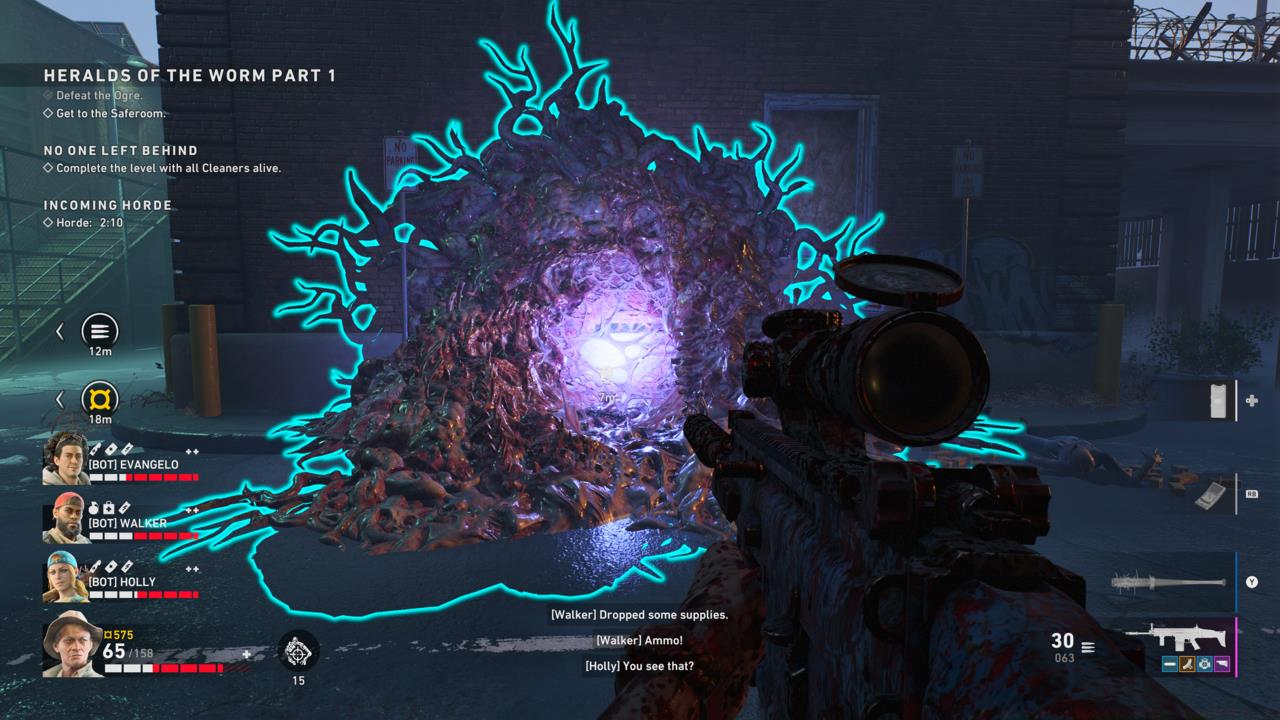
Heng’s unique detection ability makes him indispensable for consistent hive discovery and team success.
Once you commit to descending into a Ridden Hive, immediate environmental assessment becomes critical. These vibrant but violent subterranean networks introduce new navigation challenges and enemy types that demand adaptive combat approaches.
Skull Totems represent the primary objective within hives, functioning as both melee weapons and special currency. Successfully extracting these artifacts to mission completion unlocks exclusive cosmetic rewards unavailable through any other gameplay method.
The new Warped Ridden variants present in hives require specific counter-strategies. Their enhanced abilities and attack patterns necessitate coordinated team tactics rather than individual heroics. Environmental awareness proves equally important, as hive layouts often feature verticality and confined spaces that can quickly become death traps if approached carelessly.
Resource management takes on heightened importance, as hive excursions extend mission duration without additional supply points. Ammunition conservation, medical item allocation, and tool usage timing separate successful teams from those that become overwhelmed.
Many teams falter in Ridden Hives due to preventable errors. The most common mistake involves rushing exploration without proper threat assessment, leading to ambushes and resource depletion. Another frequent error is neglecting to communicate about Skull Totem carriers, as the designated bearer suffers mobility restrictions requiring protection.
Optimization begins with understanding hive spawning probabilities. While random, certain campaign missions demonstrate higher hive appearance rates, particularly in middle chapters where difficulty ramps up. Advanced players coordinate deck builds specifically for hive encounters, prioritizing stamina regeneration and damage resistance.
Time investment varies significantly based on team coordination and difficulty setting. Novice groups should allocate 20-30 minutes per hive encounter, while experienced teams can clear them in 15-20 minutes. Failed attempts often result from underestimating the endurance required for back-to-back combat without safe room respites.
Mastering hive mechanics requires recognizing that these are endurance challenges rather than speed runs. Patient progression, thorough area clearing, and strategic retreat points prove more valuable than aggressive advancement.
Action Checklist
- Purchase Tunnels of Terror DLC or own Ultimate/Deluxe edition
- Include Heng in your team composition for reliable hive detection
- Coordinate with team for unanimous hive entry decisions during missions
- Thoroughly search for Skull Totems while managing Warped Ridden threats
- Extract successfully with Skull Totems to unlock exclusive cosmetics
No reproduction without permission:SeeYouSoon Game Club » How To Start Back 4 Blood DLC – Tunnels Of Terror Master Back 4 Blood's Ridden Hives DLC with essential strategies for finding, entering, and surviving these challenging underground levels