
TL;DR
- Coordinate weapon types with teammates to prevent ammo conflicts and establish specialized roles
- Always maintain at least one tool kit for unlocking valuable resources and emergency minigun access
- Use melee attacks during reloads without interrupting the reload sequence for continuous defense
- Share copper resources strategically to ensure team-wide access to upgrades and healing stations
- Master the ping system for effective communication with random teammates during critical moments
Strategic weapon coordination transforms your team from random survivors into a cohesive fighting unit. Beyond simply avoiding ammo conflicts, proper loadout planning enables role specialization that maximizes your team’s effectiveness against different threat types.
Establish clear combat roles: designate a long-range specialist with sniper rifles for eliminating special Ridden, a close-quarters defender with shotguns for crowd control, and support gunners with LMGs for suppressing fire. This approach ensures your team can handle any combat scenario efficiently while conserving precious ammunition resources.
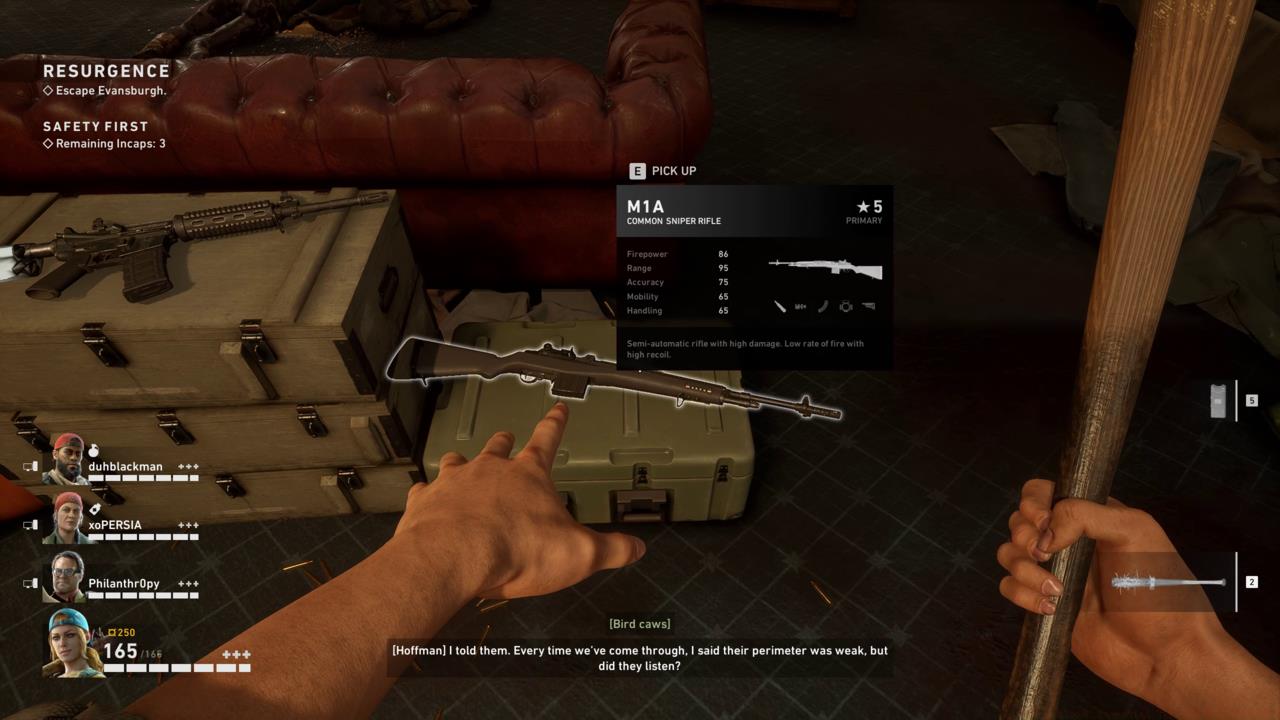
Advanced teams should consider weapon pairing strategies that cover all engagement ranges. Avoid carrying two weapons that consume the same ammunition type, as this dramatically accelerates your depletion rate. Even if you typically avoid melee combat, equipping a secondary melee weapon provides a reliable fallback when ammunition runs low, ensuring you’re never completely defenseless.
Combat proficiency in Back 4 Blood requires breaking traditional FPS habits and embracing the game’s unique mechanics. One critical technique involves integrating melee attacks seamlessly into your reload sequences.
The game’s bash mechanic operates independently of your reload animation, allowing you to defend yourself while your weapon prepares. This is particularly valuable when surrounded or when special Ridden breach your defensive position unexpectedly.
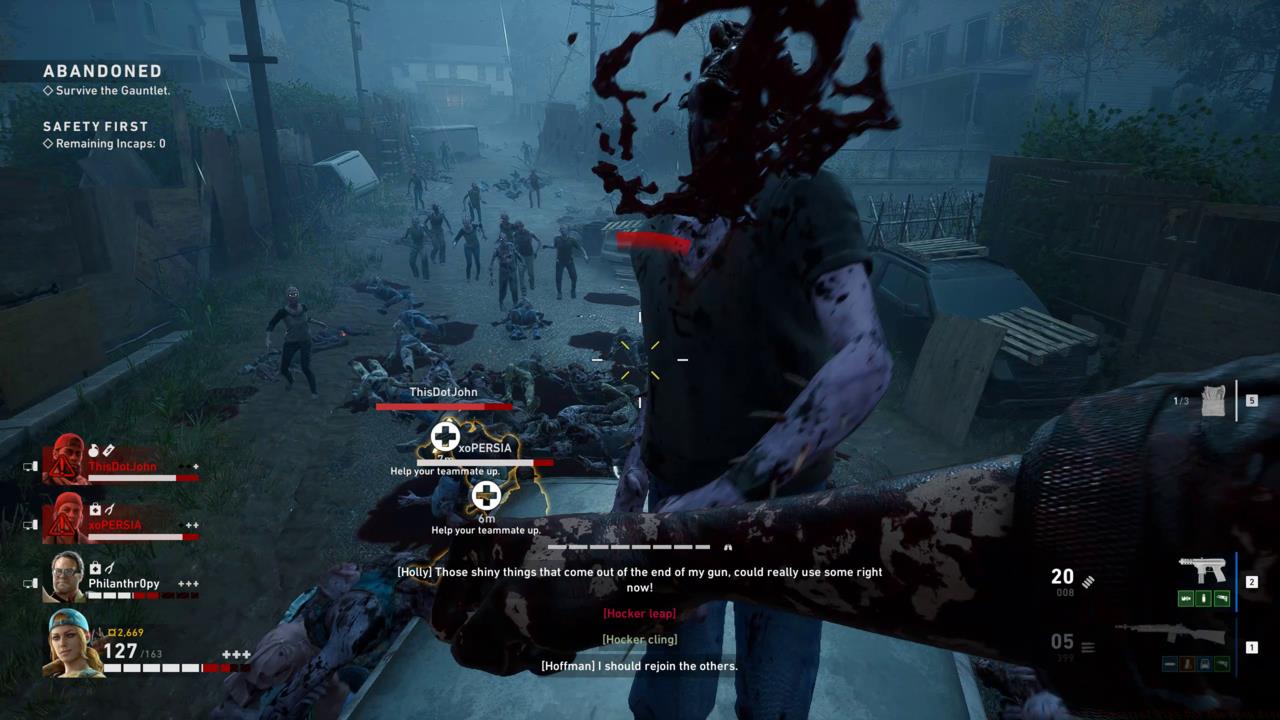
Positioning remains paramount for survival. Maintain tight formation with teammates to enable rapid response to incapacitation events. Certain enemy types can immobilize players, requiring immediate teammate intervention. Being within quick reach allows for swift recovery without compromising your overall defensive posture.
Advanced players should practice situational awareness drills, constantly scanning for environmental advantages and potential flanking routes that Ridden might exploit.
Effective resource management separates successful teams from those constantly struggling for survival. Tool Kits represent one of the most valuable consumables, providing access to resource-rich locked rooms and emergency defensive equipment.
Designate one team member as the primary tool kit carrier, ensuring your squad always has access to these critical items. The investment consistently pays dividends through superior weapon drops, copper caches, and health station access.
Copper distribution requires strategic thinking beyond simple sharing. Prioritize team upgrades in safe rooms that benefit everyone, then allocate remaining funds to address individual needs. This systematic approach maximizes your collective survival potential.
Advanced resource tactics include pre-planning purchases before missions and establishing copper pooling protocols for expensive but crucial team enhancements.
Communication excellence compensates for skill gaps and random teammate pairings. The ping system serves as your primary communication tool when voice chat isn’t available or practical.
Develop the habit of constant pinging: mark special Ridden, ammunition caches, medical supplies, and environmental hazards.
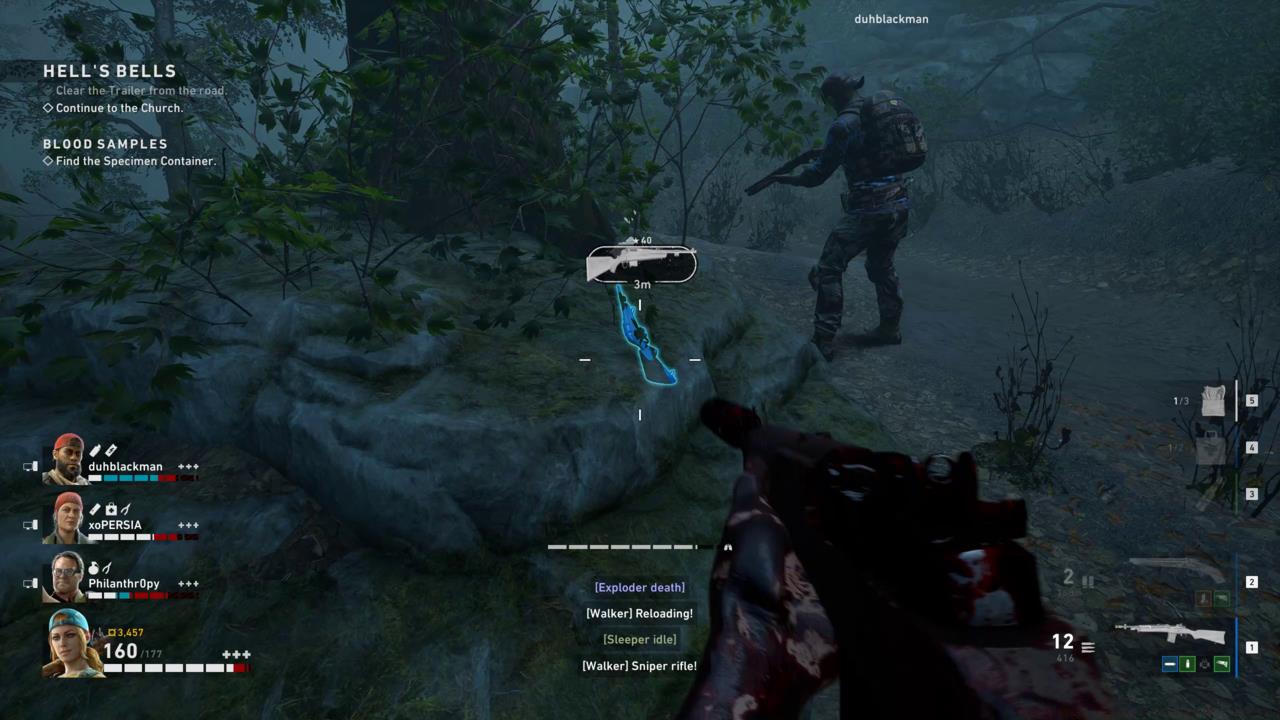
Establish communication protocols with your team, including specific ping patterns for different threat levels and resource types. This creates a shared understanding even without verbal communication.
For teams using voice chat, establish clear callout terminology for different special Ridden types and combat situations to reduce confusion during intense encounters.
Understanding Back 4 Blood’s deeper mechanics provides significant survival advantages. Trauma damage represents a persistent threat that reduces your maximum health until properly treated at medical stations.
Friendly fire introduces additional strategic considerations, particularly on higher difficulties. Coordinate firing lanes and positioning to minimize accidental team damage while maintaining effective coverage.
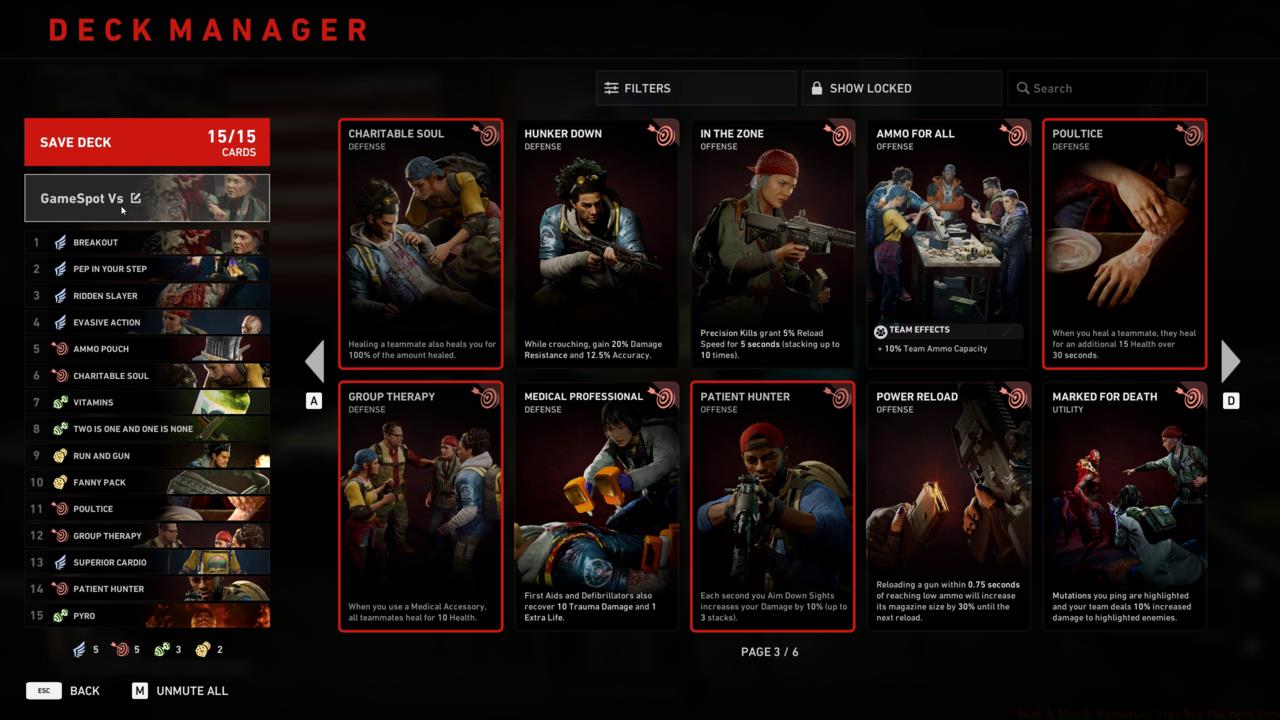
Deck customization offers another layer of strategic depth. Fine-tune your card order to match your preferred playstyle and team role, ensuring you receive crucial upgrades when they’re most needed.
Advanced players should experiment with different deck configurations tailored to specific mission types and team compositions for optimal performance.
Action Checklist
- Coordinate weapon types with teammates during safe room preparation
- Designate tool kit carrier and establish copper sharing protocols
- Practice melee integration during reload sequences in combat scenarios
- Establish communication protocols and ping system standards
- Fine-tune deck order based on team role and mission requirements
No reproduction without permission:SeeYouSoon Game Club » Back 4 Blood: Essential Tips For The Open Beta Master Back 4 Blood with essential team strategies, weapon coordination, and advanced survival techniques