
TL;DR
- Dark Zones offer premium loot but require precise timing – exit before sunrise
- GRE Anomaly battles provide rare Inhibitors and crafting materials
- Metro stations enable strategic fast travel when activated at night
- Night-specific quests yield 30% more XP and unique weapons
- Always carry UV flares and plan escape routes for emergency situations
When darkness envelops Villedor in Dying Light 2, the city transforms into a high-risk, high-reward environment that separates novice survivors from seasoned veterans. While most citizens retreat to UV-protected sanctuaries, strategic players can leverage the nocturnal chaos for substantial gains. The key lies in balancing aggression with caution, as the infected become more active while their valuable nesting grounds become accessible.
The transition to nighttime creates unique gameplay dynamics where visibility decreases but opportunities multiply. Successful nighttime operations require understanding the infection cycle – volatiles dominate the streets while regular infected congregate in indoor spaces. This redistribution creates temporary windows for resource acquisition in normally dangerous areas. Proper preparation includes stocking up on UV flares, repairing weapons, and planning multiple escape routes before venturing out.
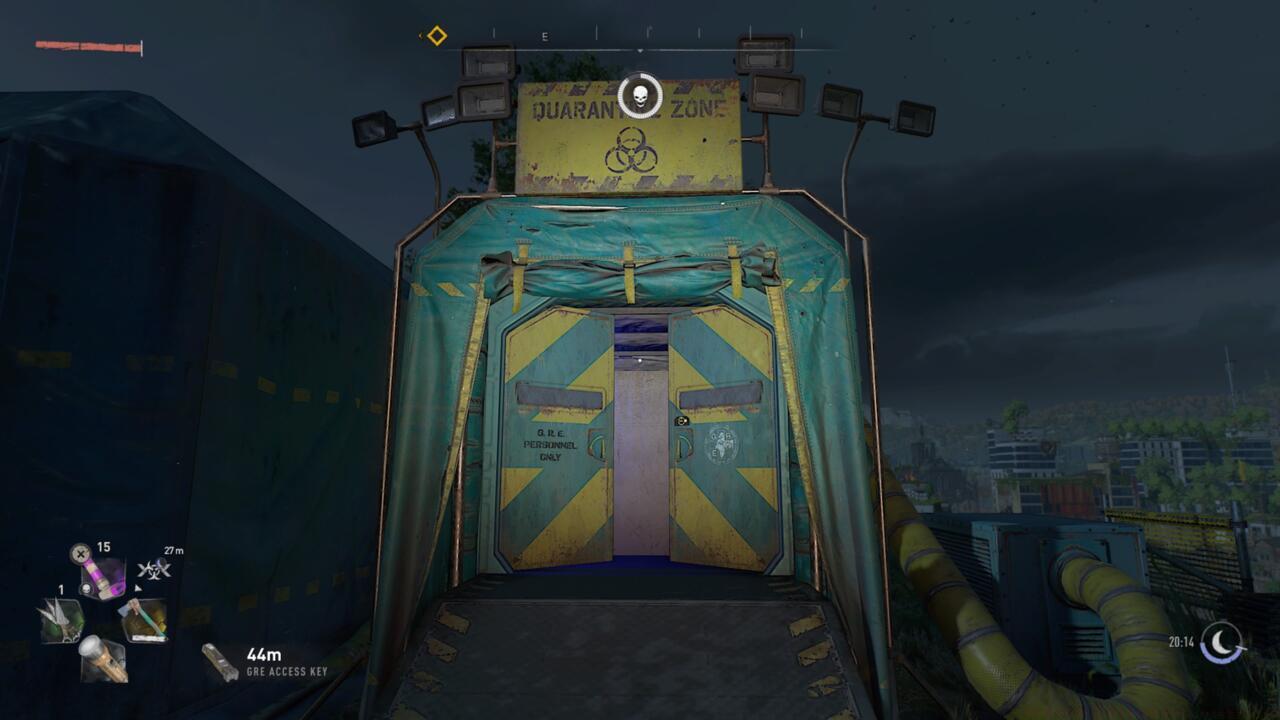
Strategic exploration of Dark Zones yields essential crafting components and rare items unavailable during daylight.
Dark Zones represent the pinnacle of nighttime reward structures, containing concentrated resources that can dramatically accelerate your progression. These infected-heavy locations house crafting materials, military tech, valuables for trading, and the crucial Inhibitors that permanently enhance your capabilities. Approach methodology should vary based on zone layout and infected density.
Stealth execution proves more effective than direct confrontation in most Dark Zone scenarios. Utilize parkour movement to access upper levels and ventilation systems, often bypassing ground-level threats entirely. Takedowns work efficiently on isolated infected, but engaging groups risks alerting the entire area. The most common mistake involves overstaying – remember that daybreak triggers massive infected respawns that can trap unprepared players.
Advanced tactics include scouting zones during daylight to memorize layouts, then executing rapid nighttime raids. Prioritize Inhibitors and rare crafting blueprints over common materials, as these provide long-term benefits. Always maintain an exit strategy and monitor the in-game clock – begin extraction when approximately 25% of night time remains.
GRE Anomaly Zones present specialized combat encounters against mutated infected that have absorbed excessive GRE technology. These mini-boss battles test your mastery of combat mechanics while offering exclusive rewards unavailable elsewhere. Each anomaly features unique attack patterns and environmental interactions that require specific counter-strategies.
Successful anomaly engagements typically yield Inhibitors, high-tier crafting components, and unique weapon mods. Preparation should include maxing out healing items and ensuring your best weapons are repaired. Many players underestimate the mobility requirements – these fights demand constant repositioning and vertical awareness.
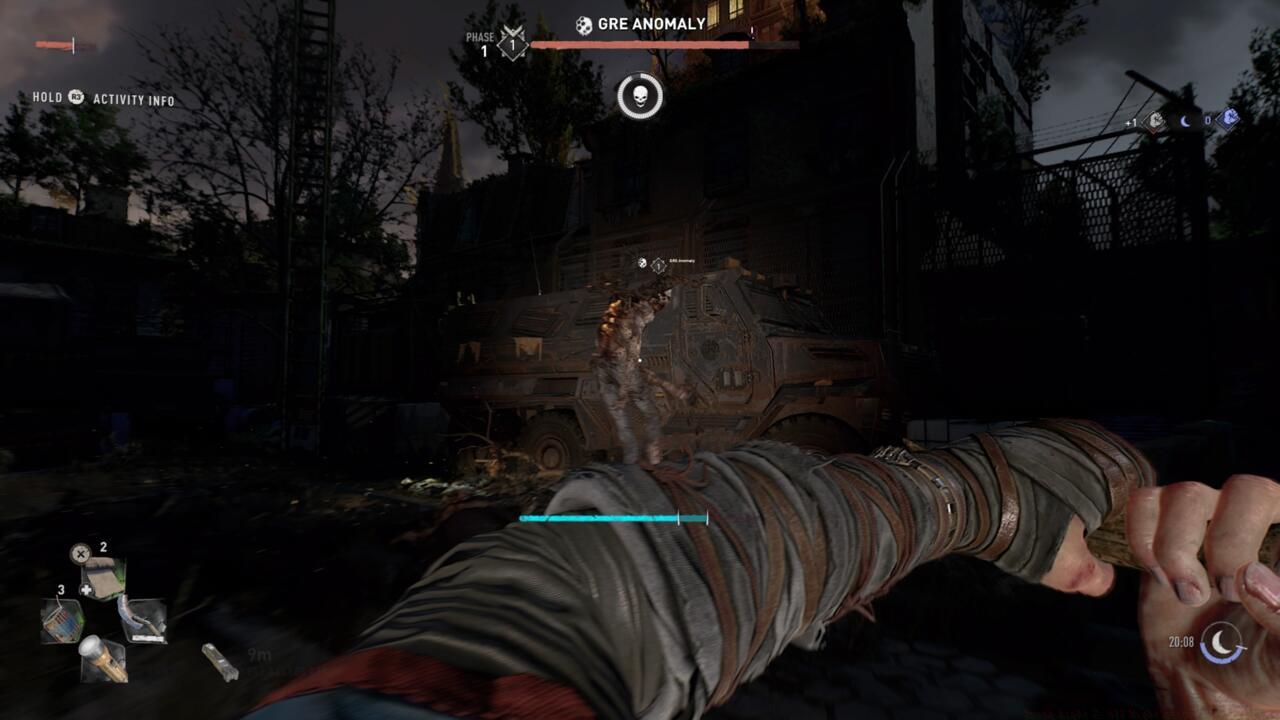
Conquering GRE Anomalies unlocks specialized equipment that significantly enhances your combat effectiveness throughout Villedor.
For team play, coordinate roles with one player drawing aggression while others target weak points. Solo players should master dodging timing and environmental weapon usage. These encounters typically take 8-12 minutes to complete, so ensure you have adequate nighttime remaining before engagement.
Metro stations serve as critical fast travel nodes that dramatically reduce traversal time across Villedor’s vast landscape. Activation requires navigating to each station at night and restoring power via generator systems. This process creates permanent transportation options that streamline future nighttime activities.
Generator activation sequences often involve puzzle elements or combat scenarios. Come prepared with tools for lockpicking and electrical repair minigames. The most efficient strategy involves activating metro stations early in your playthrough to maximize their utility. Each activated station reduces future nighttime travel risk by approximately 40%.
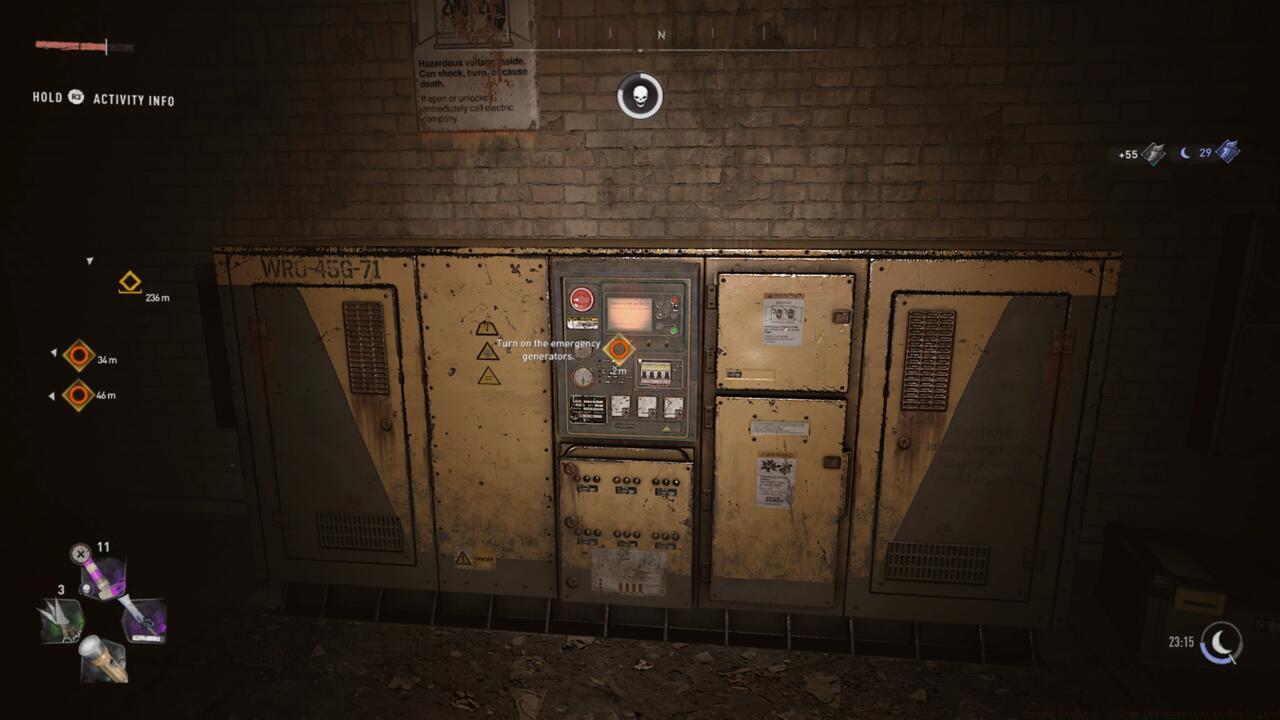
Generator activation requires both technical skill and combat readiness, as the process often attracts nearby infected.
Strategic metro usage enables efficient circuit routes between Dark Zones, GRE Anomalies, and nighttime quests. Plan your route to complete multiple objectives in a single night cycle, maximizing efficiency. Remember that fast travel becomes unavailable during certain story missions, so always have backup navigation plans.
Certain narrative threads and character interactions only unfold under cover of darkness, offering unique storytelling moments alongside substantial gameplay rewards. These exclusive missions typically provide 30% more experience points than their daytime counterparts, along with unique weapon blueprints and character upgrades.
Night-specific quests often involve stealth mechanics, timed objectives, or escort missions that leverage the unique nighttime environment. Success requires adapting your approach to limited visibility and increased enemy density. Many players miss these opportunities by consistently sleeping through night cycles.
Optimal quest sequencing involves accepting multiple nighttime objectives before sunset, then completing them in geographical proximity to minimize travel time. The Complete Guide to mission planning can help optimize your approach. These activities typically reward specialized gear like the UV flashlight attachment or volatile-resistant armor mods.
For maximum efficiency, combine quest objectives with other nighttime activities. For example, accept a quest near a Dark Zone you plan to raid, or coordinate with GRE Anomaly appearances. Advanced players can complete 3-4 major nighttime activities in a single cycle with proper planning.
Action Checklist
- Stock UV flares and repair kits before nightfall
- Scout Dark Zone locations during daylight for route planning
- Activate 2-3 metro stations to establish fast travel network
- Complete one GRE Anomaly encounter for Inhibitor rewards
- Execute combined Dark Zone raid and nighttime quest in single cycle
No reproduction without permission:SeeYouSoon Game Club » Dying Light 2: All Night Activities Explained Master nighttime strategies in Dying Light 2 to maximize rewards and avoid deadly mistakes