
TL;DR
- Weapon repair exclusively through mod installation – each mod restores 50% durability
- Strategic timing: wait until weapons are nearly broken before applying mods for maximum efficiency
- Dark Zones at night provide premium crafting materials for advanced weapon modifications
- Craftmasters offer recipe upgrades and essential blueprints for end-game content
- Resource prioritization: focus on scrap, resin, and alcohol for early-game sustainability
Maintaining functional armaments in Dying Light 2 represents a critical survival skill that directly impacts your longevity in Villedor’s hostile environment. Without proper weapon maintenance strategies, you’ll quickly find yourself overwhelmed by the relentless infected and human factions competing for control.
The post-apocalyptic landscape of Dying Light 2 presents constant threats from ravenous infected and hostile survivors, making weapon reliability non-negotiable. Fortunately, Villedor’s ruins contain abundant resources for crafting and maintenance, though mastering the repair system requires strategic thinking. Weapon restoration proves more complex than typical gaming mechanics, demanding careful planning of modification applications and material conservation, particularly during early gameplay stages when resources remain scarce.
Beyond mere damage enhancement, weapon modifications serve a dual purpose by significantly extending your equipment’s operational lifespan. Firearms and melee weapons feature up to three distinct modification slots typically categorized as tip, shaft, and grip positions. Crucially, installing any modification automatically restores 50% of the weapon’s durability, transforming a nearly broken tool into a serviceable armament with just two mod installations.
Crafting weapon enhancements occurs through your inventory interface, requiring specific material combinations for each modification type. Most basic modifications maintain reasonable resource requirements, utilizing commonly found components. For example, crafting an incendiary Flame mod necessitates gathering scrap metal fragments, natural resin, and alcoholic substances for ignition properties.
When discovering a particularly effective weapon, resist the temptation to immediately install modifications. Instead, employ that weapon exclusively until it approaches critical durability threshold (approximately 10-15% remaining). Once near breaking point, apply your highest-tier modifications to not only restore full functionality but substantially enhance its combat capabilities beyond original performance parameters.
This modification-based repair system constitutes the sole method for weapon restoration within the game’s mechanics. Each strike against enemies or environmental objects gradually degrades weapon integrity until eventual breakage. This necessitates adopting a rotational weapon strategy: utilize your current best available weapon until depleted, then rebuild it through strategic modification while transitioning to your next primary armament.
Successful crafting operations in Dying Light 2 begin with systematic resource acquisition from Villedor’s diverse environments. Medicinal components like chamomile and honey predominantly cluster around distinctive yellow rooftop groves, which also yield UV Shroomz for nighttime protection. Basic materials including scrap metal and cloth rags can be scavenged from fallen infected or abandoned structures, with zombies frequently carrying currency or fundamental crafting ingredients, making corpse looting a profitable habit.
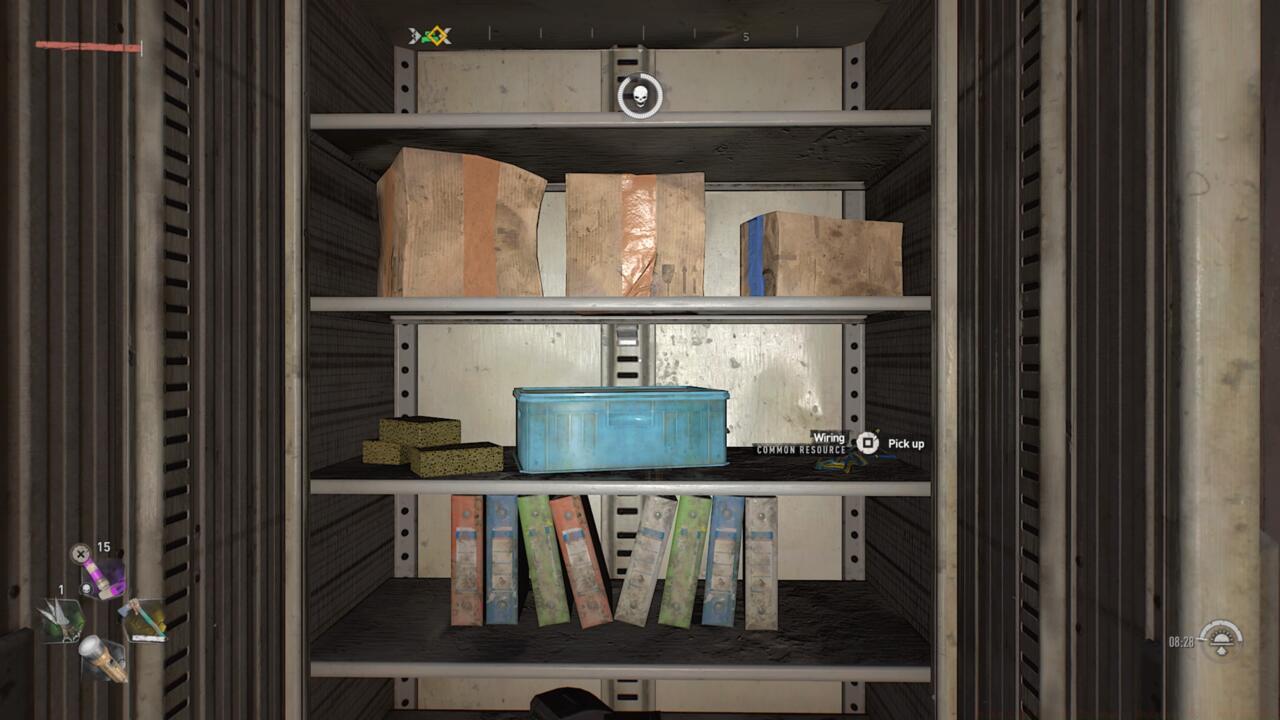
Systematic looting significantly accelerates your crafting progression.
Acquiring superior crafting components demands nocturnal exploration of Villedor’s high-risk Dark Zones. These hazardous locations contain increased zombie concentrations but offer disproportionate rewards including specialized wiring, rare pigments, and advanced electronic components essential for crafting end-game modifications.
Many players underestimate the strategic timing of modification installation, often wasting valuable resources by applying mods too early. Optimal strategy involves tracking weapon degradation and planning modification applications to coincide with near-breakage points, maximizing the durability restoration benefit. Additionally, prioritizing which weapons deserve precious high-tier modifications becomes crucial mid-game when resource allocation decisions significantly impact combat effectiveness.
Primary settlements throughout Villedor typically host specialized merchants known as Craftmasters. These technical experts not only market various blueprints for consumables, throwable items, and weapon enhancements but can also enhance existing recipe effectiveness through upgrade paths.
.jpg)
Craftmasters provide essential services for weapon optimization and recipe enhancement.
Developing relationships with Craftmasters early yields significant long-term benefits, as their inventory expands with your progression. Their upgrade services transform basic recipes into substantially more potent versions, sometimes reducing material costs while increasing output quantities or effect durations. Strategic players should prioritize visiting Craftmasters after major story milestones or when accumulating sufficient currency for meaningful recipe acquisitions.
Advanced players should note that Craftmaster services extend beyond mere transactions. These vendors often provide contextual hints about resource locations and modification synergies that aren’t documented elsewhere. Building rapport with multiple Craftmasters across different factions can unlock exclusive recipes and modification options unavailable through standard gameplay progression.
Action Checklist
- Prioritize looting all corpses and containers for scrap, resin, and alcohol
- Monitor weapon durability and apply mods only when below 20% condition
- Establish Craftmaster locations in each major settlement and visit regularly
- Schedule nighttime expeditions to Dark Zones for advanced material acquisition
- Maintain a 3-weapon rotation to ensure continuous combat capability
No reproduction without permission:SeeYouSoon Game Club » Dying Light 2: How To Repair Weapons, Mod, And Upgrade Master Dying Light 2 weapon maintenance with advanced repair strategies and crafting optimization techniques