
TL;DR
- Timefall rapidly ages everything it touches except raincoats, requiring strategic cargo protection
- Essential gear includes weather forecasts, Timefall shelters, and backpack covers unlocked in Episode 3
- Vehicles provide protection but require maintenance and careful BT navigation
- Black rain signals BT presence, requiring stealth over speed for survival
- Advanced techniques include strategic waiting and cargo prioritization systems
When diving into Death Stranding, newcomers frequently wonder about the mysterious Timefall phenomenon. This unique weather system represents more than just precipitation—it’s a catalyst for rapid aging that affects nearly everything in the game world. Understanding Timefall’s mechanics is crucial for successful package delivery across the fractured American landscape.
Timefall functions as accelerated rain that dramatically speeds up the deterioration process of any exposed surfaces. Unlike ordinary rainfall, this precipitation causes immediate aging effects on cargo, vehicles, equipment, and structures left outdoors. The only exception appears to be specialized raincoat gear, which somehow resists the temporal effects.
During early gameplay, your primary defense involves seeking immediate shelter in natural formations like caves or man-made structures such as outposts and distribution centers. When utilizing safe houses or private rooms, time automatically advances thirty minutes. This waiting strategy proves particularly challenging during time-sensitive deliveries where every minute counts toward your evaluation.
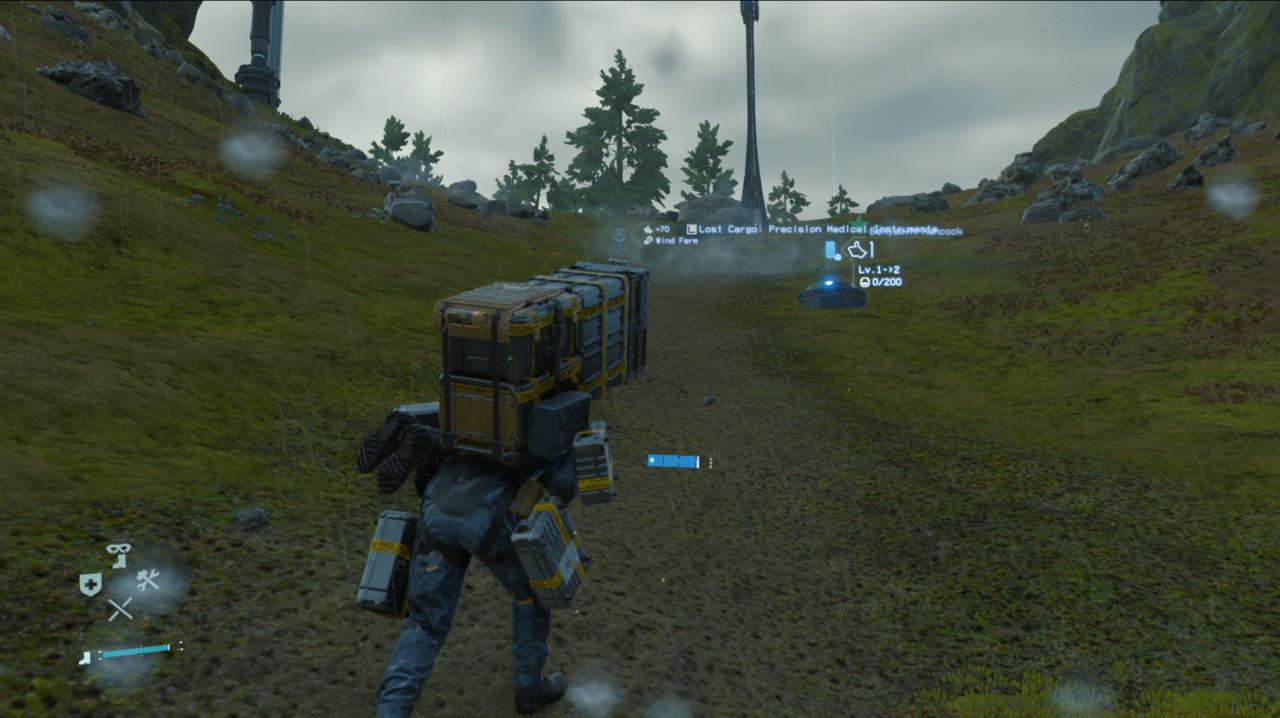
When facing unavoidable Timefall exposure, strategic cargo arrangement becomes essential. Packages secured to your suit’s exterior or stacked above your backpack sustain significantly more damage than those stored internally. Prioritize placing mission-critical items in the deepest backpack compartments where Timefall penetration is minimized. For damaged containers, Repair Spray offers temporary fixes—though it cannot restore already compromised contents.
Episode 3 introduces revolutionary technology that transforms Timefall management. Sam’s cufflinks gain integrated weather prediction capabilities—access this by opening your map and double-clicking the right stick to view precipitation patterns for the coming half-hour. This forecasting ability dramatically improves route planning and storm avoidance.
The PCC Level 2 unlocks another game-changing tool: the Timefall shelter. This deployable umbrella structure creates a protective zone shielding both Sam and vehicles from precipitation damage. Additionally, these shelters allow advancing time incrementally by ten-minute intervals, though excessive use accelerates the decay of other constructed items throughout the game world.
Later in Episode 3, seek out the Veteran Porter character who provides a backpack rain cover upgrade. This additional layer of protection significantly reduces cargo degradation rates during unavoidable storm encounters.
Many players underestimate storm duration variability—some Timefall events persist for extended periods, making strategic waiting decisions crucial. Balance the urgency of timed deliveries against potential cargo damage from prolonged exposure. For comprehensive gameplay strategies, consult our Complete Guide to master similar environmental challenges.
Transportation options offer mixed protection against Timefall’s effects. Trucks provide excellent cargo coverage from precipitation, though reckless operation remains a separate hazard. Motorcycles deliver superior speed for storm traversal but provide less comprehensive coverage for your shipments.
The appearance of black rain serves as an ominous warning of impending BT activity. During these encounters, stealth typically outperforms haste—while prolonged exposure increases cargo degradation, it’s preferable to having your packages scattered or destroyed by ghostly entities.
Remember that all vehicles experience cumulative damage from Timefall exposure. A broken-down truck stranded in remote territory with valuable cargo represents one of the most frustrating scenarios. Regular garage maintenance prevents these catastrophic failures. For weapon loadouts that complement your survival strategy, explore our Weapons Unlock guide for optimal equipment selection.
Advanced players should note that BT territories often coincide with the most severe Timefall patterns. Learning to read environmental cues can help anticipate both weather changes and spectral activity, allowing for preemptive shelter seeking.
Seasoned porters develop cargo loading techniques that minimize Timefall damage. Place fragile or time-sensitive items in the most protected positions, with durable goods taking the exterior slots. This simple reorganization can mean the difference between successful deliveries and complete cargo loss.
A frequent error involves underestimating Repair Spray limitations—while it restores container integrity, it cannot reverse damage to the contents themselves. Always prioritize prevention over repair whenever possible.
For character builds that enhance your survival capabilities, our Class Guide offers specialized approaches for different playstyles. The most effective porters combine equipment knowledge with situational awareness to navigate Death Stranding’s hazardous weather conditions successfully.
Master players recommend establishing a cargo grading system—categorizing shipments by value and fragility to determine protection priorities during unexpected storms.
Action Checklist
- Check weather forecast via cufflink map before departing
- Load essential cargo in backpack interior, less critical items externally
- Deploy Timefall shelter when caught in short-duration storms
- Seek Veteran Porter in Episode 3 for backpack cover upgrade
- Perform regular vehicle maintenance at garages
No reproduction without permission:SeeYouSoon Game Club » Death Stranding Timefall Guide: How Weather Works And How To Check It Master Timefall survival strategies, cargo protection, and BT avoidance in Death Stranding