
TL;DR
- Use terrain and cargo management to maintain stealth when crossing hostile territories
- Prioritize non-lethal takedowns and bola guns for MULE encounters to preserve reputation
- Always maintain escape routes and use scanning tools to track enemy movements in real-time
- Terrorists require more aggressive defensive measures due to their lethal weaponry
- Strategic planning and equipment preparation significantly reduce encounter risks
Navigating Death Stranding’s treacherous landscapes requires mastering encounters with both MULEs and Terrorists—two distinct threats that demand different tactical approaches. MULEs primarily seek to steal your cargo, operating from strategically placed camps that often block critical delivery routes. These obsessive parcel hunters will aggressively pursue any porter crossing their domain, making stealth often the wisest initial strategy. In contrast, Terrorists present a more lethal challenge, employing deadly force that can end your journey permanently if not handled with extreme caution.
Successful porters must develop situational awareness that extends beyond simple avoidance. Understanding patrol patterns, territorial boundaries, and behavioral triggers separates novice couriers from seasoned professionals. This comprehensive guide provides advanced techniques for both evasion and engagement, helping you make informed decisions based on your current load, equipment, and mission priorities. For broader strategic context, consult our Complete Guide to tactical gameplay mechanics.
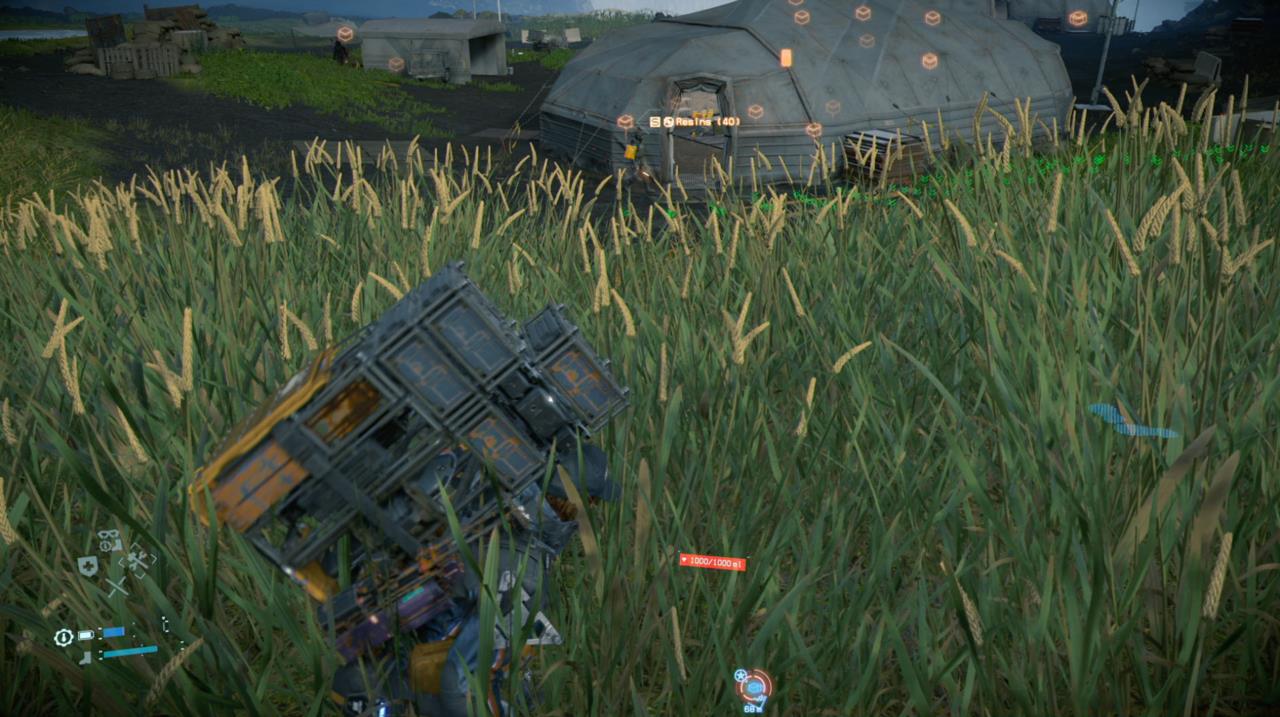
Mastering stealth movement through hostile territories requires more than simply crouching—it demands strategic planning and environmental mastery. Begin by scanning the area from elevated positions using your odradek scanner to identify patrol routes, security perimeters, and potential blind spots. MULE camps typically feature predictable patrol patterns that can be exploited by patient observation before engagement.
Terrain utilization proves critical for successful infiltration. Use rock formations, ravines, and structural cover to break line of sight, remembering that MULEs rely primarily on visual detection. Time your movements during patrol transitions, and consider weather conditions—rain provides auditory cover while reducing visibility for both parties. Advanced porters should practice “cargo whispering” by minimizing package noise through proper stacking and using stabilizers to prevent rattling.
Common mistakes include rushing through territories and carrying excessive cargo that slows movement and increases detection risk. Instead, plan routes that utilize the environment’s natural features, and consider making multiple trips with lighter loads rather than one risky heavily-laden journey. Optimal equipment for stealth includes the bola gun for non-lethal takedowns and smoke grenades for creating temporary concealment when detected.
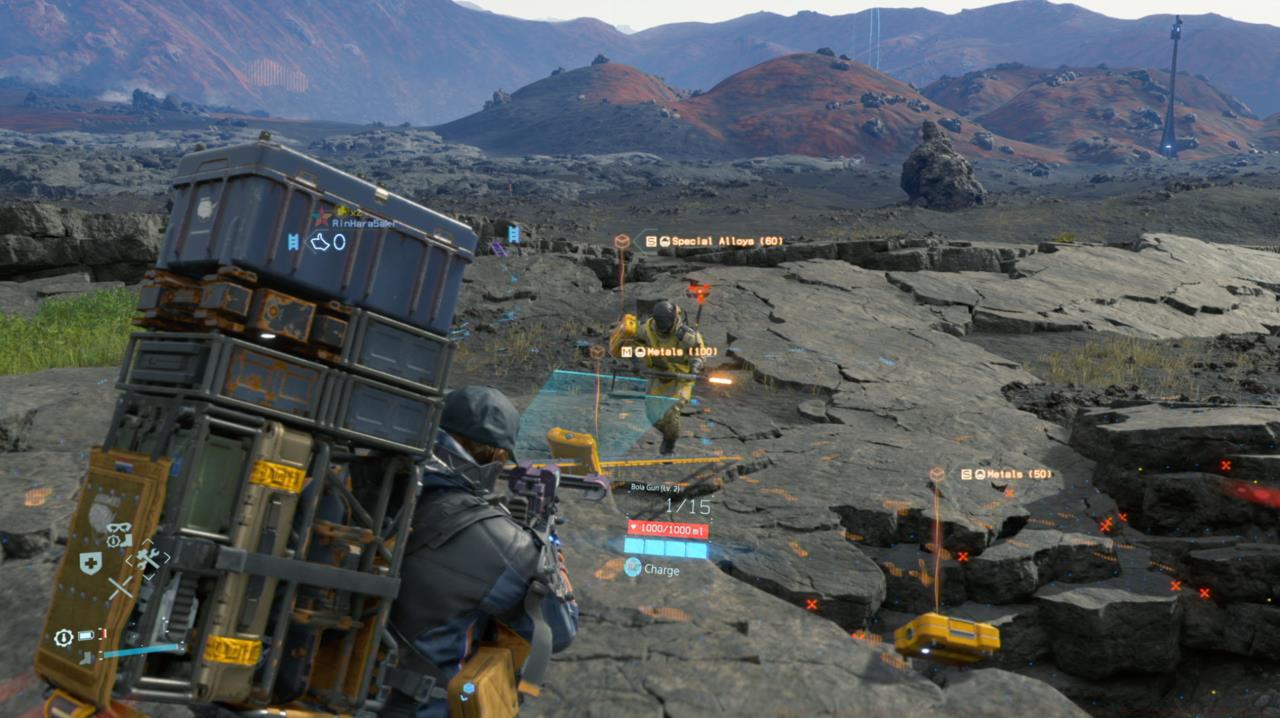
When stealth fails or becomes impractical, understanding combat mechanics becomes essential for survival. The bola gun stands as your most versatile tool—incapacitating MULEs temporarily without lethal consequences, preserving your porter reputation while neutralizing immediate threats. For more persistent enemies, consider strategic melee approaches using the strand rope for defensive takedowns.
Weapon selection should align with your strategic objectives. Non-lethal options maintain higher standing with distribution centers, while lethal weaponry may become necessary in extreme terrorist encounters. Always prioritize disabling enemies over elimination when dealing with MULEs, as their non-lethal nature doesn’t warrant permanent solutions.
Environmental advantages can turn the tide of any engagement. Use MULE postboxes as temporary storage to lighten your load before combat, and position yourself near recharge stations to maintain equipment functionality. Advanced players should master the art of “strategic disengagement”—knowing when to break contact and retreat rather than pursuing costly victories.
Death Stranding Guides
Terrorist encounters demand fundamentally different approaches than MULE interactions due to their lethal intent and superior weaponry. These hostile factions employ firearms and advanced tactics that can quickly overwhelm unprepared porters. Defensive positioning becomes paramount—use natural cover and maintain multiple escape routes when navigating known terrorist territories.
Preparation separates successful terrorist zone traversals from disastrous ones. Before entry, ensure you have adequate defensive equipment, including armor plates and smoke grenades for emergency concealment. Consider scouting alternative routes that may take longer but avoid concentrated terrorist presence.
Resource management proves critical during extended terrorist zone operations. Portable generators and spare batteries extend your equipment functionality, while carefully planned cargo distribution maintains mobility during emergency retreats. For comprehensive equipment strategies, reference our Weapons Unlock guide for tactical loadout optimization.
Advanced techniques include using remote grenade launchers to create diversions and the hologram decoy to misdirect enemy attention. Unlike MULEs, terrorists typically require more aggressive measures—sometimes lethal force becomes necessary for survival. Always prioritize mission success over ideological purity when facing immediate lethal threats.
Action Checklist
- Scan territory from elevated position to identify patrol patterns and security gaps
- Optimize cargo load for stealth—use postboxes to store excess packages
- Equip bola gun and smoke grenades for non-lethal engagement options
- Plan and memorize at least two escape routes before territory entry
- Engage terrorists with defensive positioning and prepared retreat strategies
No reproduction without permission:SeeYouSoon Game Club » Death Stranding MULE And Terrorist Strategy Guide: Tips For Handling These Pesky Enemies Master stealth and combat tactics to navigate MULE and Terrorist territories safely in Death Stranding