
TL;DR
- Use Odradek scanning to identify terrain safety levels before moving
- Treat cargo weight as manageable debt rather than simple encumbrance
- Maintain proper balance through strategic cargo placement and distribution
- Plan routes considering stamina drain and environmental hazards
- Exercise restraint with additional cargo to maintain movement flexibility
Video game movement typically involves straightforward directional input with minimal consequence for terrain navigation. However, Death Stranding transforms basic traversal into a complex survival challenge where maintaining stability becomes your primary concern. As Sam Porter Bridges, your mission to reconnect America demands mastery over environmental navigation unlike any other gaming experience.
Your primary objective involves transporting essential supplies across treacherous post-apocalyptic landscapes. While delivery tasks appear simple initially, each decision regarding route selection and movement pace introduces genuine tension. Unlike conventional open-world titles with limitless inventory capacity, every kilogram added to Sam’s loadout directly impacts his mobility and control precision.
This comprehensive guide distills extensive gameplay experience into three critical mastery areas: strategic pacing, intelligent weight distribution, and continuous balance maintenance. These interconnected systems determine your success navigating Death Stranding’s unforgiving wilderness as a professional porter.
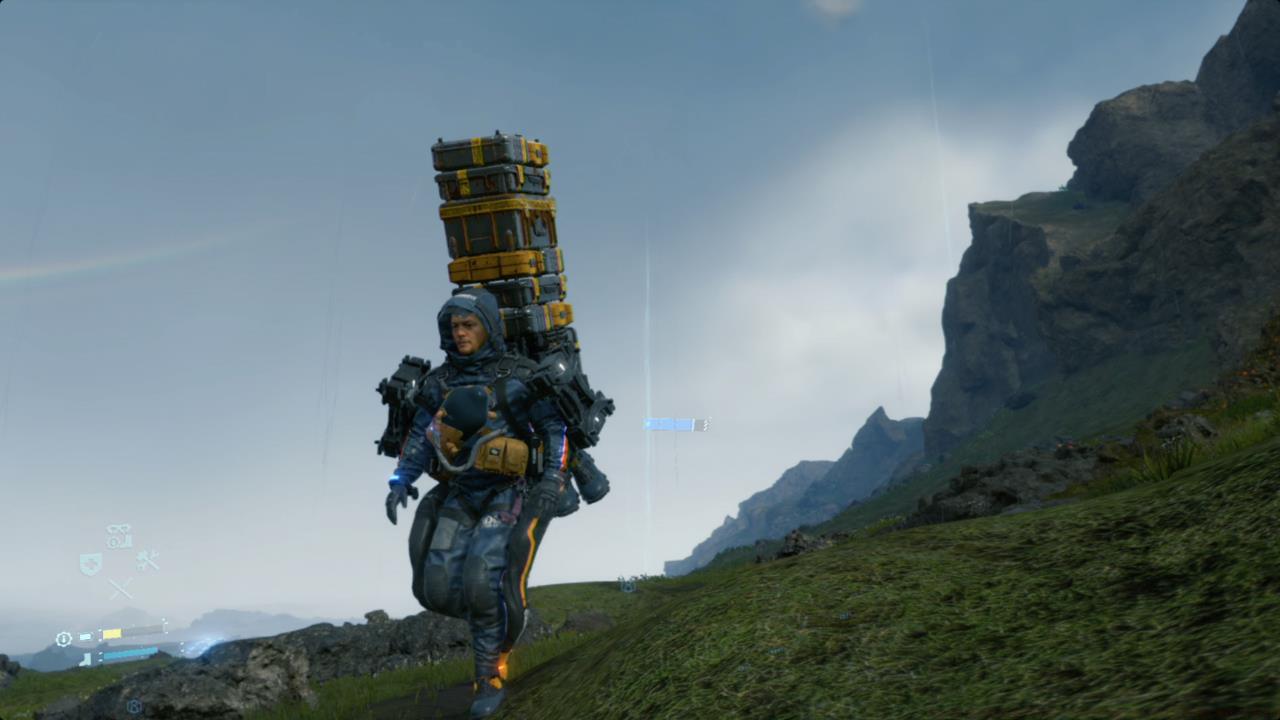
Adapting to Death Stranding’s movement mechanics requires abandoning assumptions from traditional open-world games. Where other titles minimize travel challenges, this game emphasizes deliberate observation and calculated movement across every terrain type.
Navigation often resembles precision platforming rather than casual exploration. Your Odradek scanner provides essential terrain analysis, color-coding surfaces by safety level: blue indicates stable ground, yellow signals caution-required areas, and red marks hazardous zones including deep water and extreme slopes.
Resist the temptation to sprint constantly across vast distances. Rapid movement rapidly depletes stamina reserves and significantly increases falling risks, particularly on inclined surfaces. Descending steep hills often proves more dangerous than ascending them.
Sam’s porter responsibilities involve transporting vital cargo through regions plagued by Timefall precipitation, spectral BT entities, and hostile MULE factions. Successful deliveries earn social approval through ‘Likes’ that enhance your standing within the porter community. Despite encountering abandoned cargo during expeditions, disciplined restraint proves crucial for maintaining operational efficiency.
Initial carrying capacity limits at 125 kilograms may seem generous, but cumulative weight effects become immediately apparent. Death Stranding approaches encumbrance as consequential gameplay rather than mere inconvenience.
Conceptualize cargo accumulation as accumulating debt against Sam’s physical capabilities. While moderate loads remain manageable, excessive weight rapidly degrades movement options and stamina regeneration.
The most critical mistake involves accepting maximum-capacity deliveries for extended journeys. While vehicular transport becomes available later, substantial personal carrying remains unavoidable. Always prioritize sustainable loads over maximum capacity for long-term success.
Pro Tip: Distribute weight evenly across Sam’s body using equipment management screens. Asymmetrical loading dramatically increases balance challenges and falling frequency.
Advanced players should note that cargo condition affects weight distribution – damaged containers create uneven balance points that require constant compensation. Regular maintenance and repackaging during rest stops can prevent these issues.
Maintaining equilibrium represents the final crucial component of effective Death Stranding navigation. Balance complications stem from poor cargo arrangement rather than pure weight accumulation, directly impacting Sam’s posture and movement efficiency.
Oversized cargo containers, while individually manageable, create disproportionate strain when combined improperly. It’s easy to overlook balance considerations when collecting stray items or accepting additional missions, but these decisions frequently trigger mobility problems.
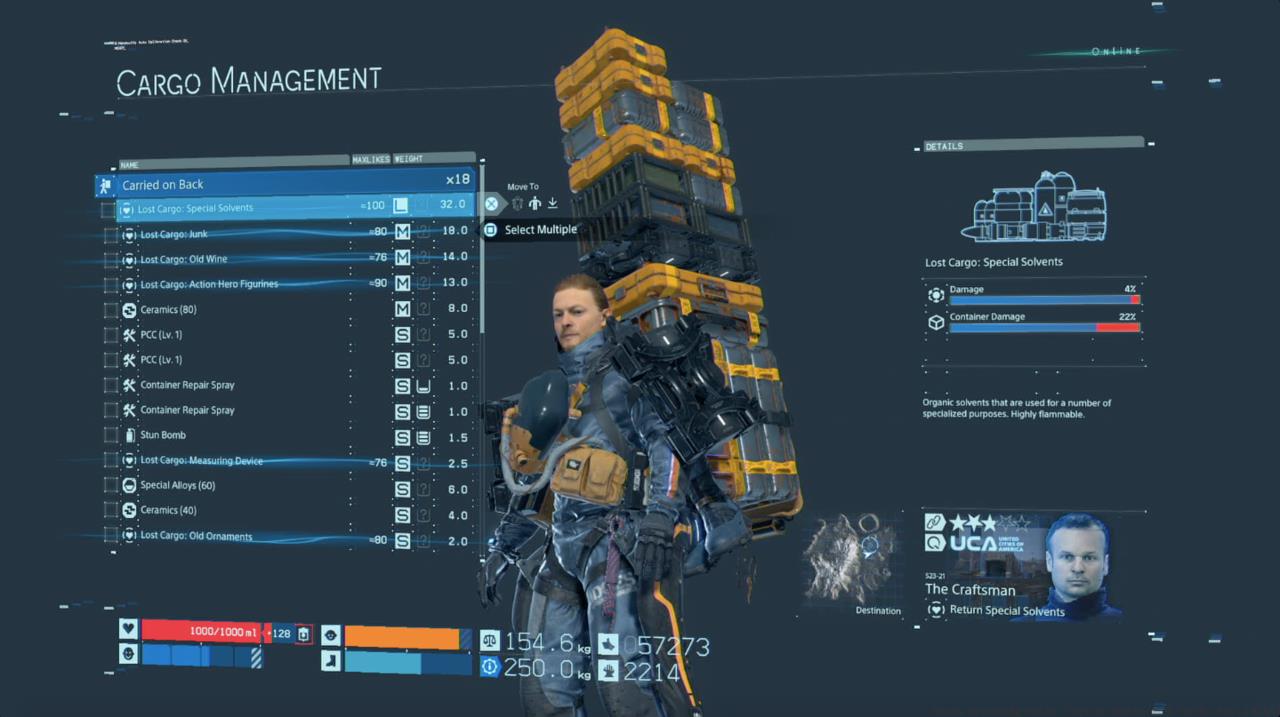
Common Mistake: Many players overload their backpack’s top section, creating high centers of gravity that make recovery from stumbles nearly impossible.
Mastering the rhythmic tapping of shoulder buttons to stabilize during tricky descents can save minutes of recovery time. Practice this technique on gentle slopes before attempting dangerous terrain.
Environmental adaptation involves reading subtle terrain cues beyond Odradek scans. Learn to identify rock stability, soil composition changes, and vegetation patterns that indicate ground reliability.
For those progressing through the game, our Class Guide offers complementary strategies for character development that enhance traversal capabilities.
Action Checklist
- Scan all upcoming terrain with Odradek before movement, noting color-coded safety zones
- Balance cargo distribution evenly across Sam’s body using equipment management
- Practice controlled descent techniques on 30-degree slopes before attempting steeper terrain
- Limit cargo to 70% capacity for long-distance deliveries
- Monitor stamina drain rates on different terrain types to optimize route planning
No reproduction without permission:SeeYouSoon Game Club » Death Stranding Guide: Tips On How To Walk In The Weird World Master Death Stranding's unique traversal mechanics with advanced pacing, weight management, and balance strategies