
TL;DR
- Cascade Falls offers centralized positioning with predictable mid-game rotations and defensive strongholds
- Storm Catcher provides indoor combat advantages with multiple escape options and rooftop respawn access
- Strategic landing requires analyzing team composition, loot distribution, and escape route availability
- Early game positioning directly impacts mid-game rotation opportunities and combat effectiveness
- Proper drop zone selection can increase survival rates by 30-40% in competitive matches
Securing victory in Apex Legends begins with mastering your initial descent. The first 60 seconds of any match often determine your squad’s entire trajectory, making drop location selection one of the most crucial strategic decisions you’ll make.
Successful teams understand that optimal landing zones provide more than just weapons and gear—they offer positional advantages, rotation pathways, and legend-specific synergies that compound throughout the match. Knowing where to touch down based on your team composition, playstyle, and the flight path can dramatically increase your chances of reaching the final circles.
This guide examines Storm Point’s most effective drop locations, analyzing their tactical benefits, common pitfalls to avoid, and how to leverage each area’s unique characteristics for maximum competitive advantage.
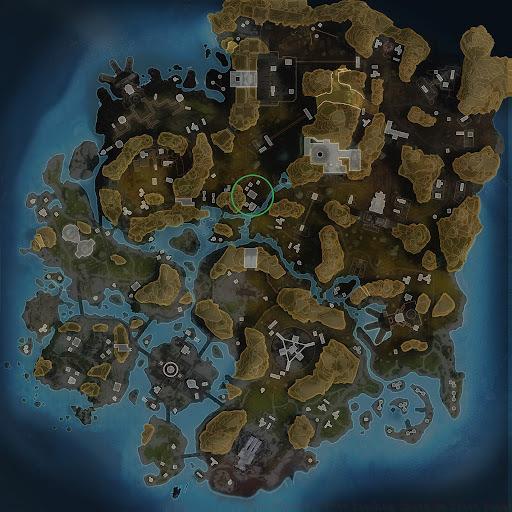
Cascade Falls
Loot potential: mid-tier
Cascade Falls stands as a premier drop location due to its strategic layout and predictable combat flow. The area features a multi-level central structure surrounded by smaller outbuildings, creating natural looting pathways that allow teams to gear up systematically before engaging.
The central building’s ground floor consistently spawns weapons at a higher rate than surrounding areas, giving early-droppers immediate combat capability. However, this central positioning comes with heightened risk—expect 2-3 squads to contest this zone in most matches.
What makes Cascade Falls truly valuable is its role as a natural rotation magnet during mid-game phases. Teams that secure this location early can anticipate incoming squads from multiple directions, allowing for prepared ambushes and defensive setups.
Advanced teams should establish defensive positions in the water wheel tower or central building upper floors, using height advantage to control approaching enemies. The northern respawn beacon’s zipline access provides quick retrieval options for eliminated teammates, though this area frequently sees secondary conflicts.
Common Mistake: New players often overcommit to looting the perimeter buildings, leaving them vulnerable to teams that quickly secure the central structure. Instead, prioritize securing at least one weapon before assessing whether to push or defend.
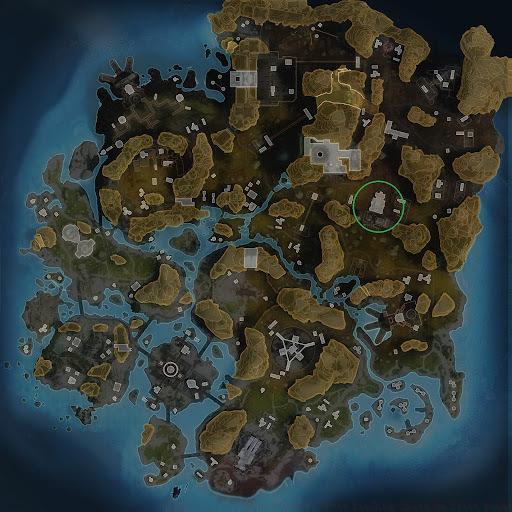
Storm Catcher
Loot potential: mid-tier
Storm Catcher excels as a landing zone for legends who dominate in close-quarters environments. The interior-focused design with abundant cover positions makes it ideal for characters like Caustic, Wattson, or Rampart who can control space effectively.
While loot distribution can be inconsistent, the enclosed nature reduces the variables you need to manage during early engagements. This allows teams to focus on combat fundamentals rather than worrying about third-party interventions from unexpected angles.
Escape options provide crucial flexibility when drops become overcrowded. The dual zipline systems on either side enable quick disengagement to secondary looting areas, while the northern gravity canyon offers a complete escape route when necessary.
The rooftop respawn beacon gives winning teams immediate revival capabilities, but this advantage comes with significant risk. The beacon’s visibility and audio cues often attract additional squads, so consider relocating to a safer position before initiating respawns.
Pro Tip: Legends with vertical mobility like Horizon or Pathfinder can use the central machinery to gain unexpected height advantages over opponents confined to ground level.
Beyond individual location knowledge, successful landing strategy requires understanding how drop zones fit into broader match dynamics. Consider these advanced factors when selecting your touch-down point:
Team Composition Analysis: Assess how your legend selection interacts with each location’s characteristics. Defensive legends excel in structured environments like Storm Catcher, while mobility-focused characters may prefer areas with multiple rotation options.
Flight Path Assessment: The dropship’s trajectory dramatically impacts which locations will be contested. Choose less crowded alternatives when the path directly crosses popular zones to avoid early elimination.
Loot Distribution Timing: High-tier loot areas attract immediate attention but often result in chaotic early fights. Balanced mid-tier locations like those covered here provide reliable gear with more manageable combat scenarios.
Rotation Pathway Planning: Before committing to a drop, identify 2-3 potential rotation routes to next zones. This foresight prevents your team from becoming trapped in dead-end positions during circle closures.
Mastering these strategic layers transforms landing from a random decision into a calculated advantage that pays dividends throughout the entire match duration.
Action Checklist
- Analyze dropship path and mark 2-3 alternative landing zones before jump
- Communicate landing priority (central building vs perimeter) with teammates during descent
- Secure at least one weapon before extensive looting or pushing
- Identify and memorize escape routes from your chosen landing zone
- Establish defensive positions controlling high-ground and rotation pathways
- Plan mid-game rotations based on circle predictions and respawn beacon locations
No reproduction without permission:SeeYouSoon Game Club » Apex Legends: Best Landing Spots On Storm Point Master Storm Point's best landing spots with strategic insights for loot, rotations, and combat advantages