
Master combat mechanics and optimize your build with comprehensive weapon skill strategies in Where Winds Meet
Understanding Weapon Skills System
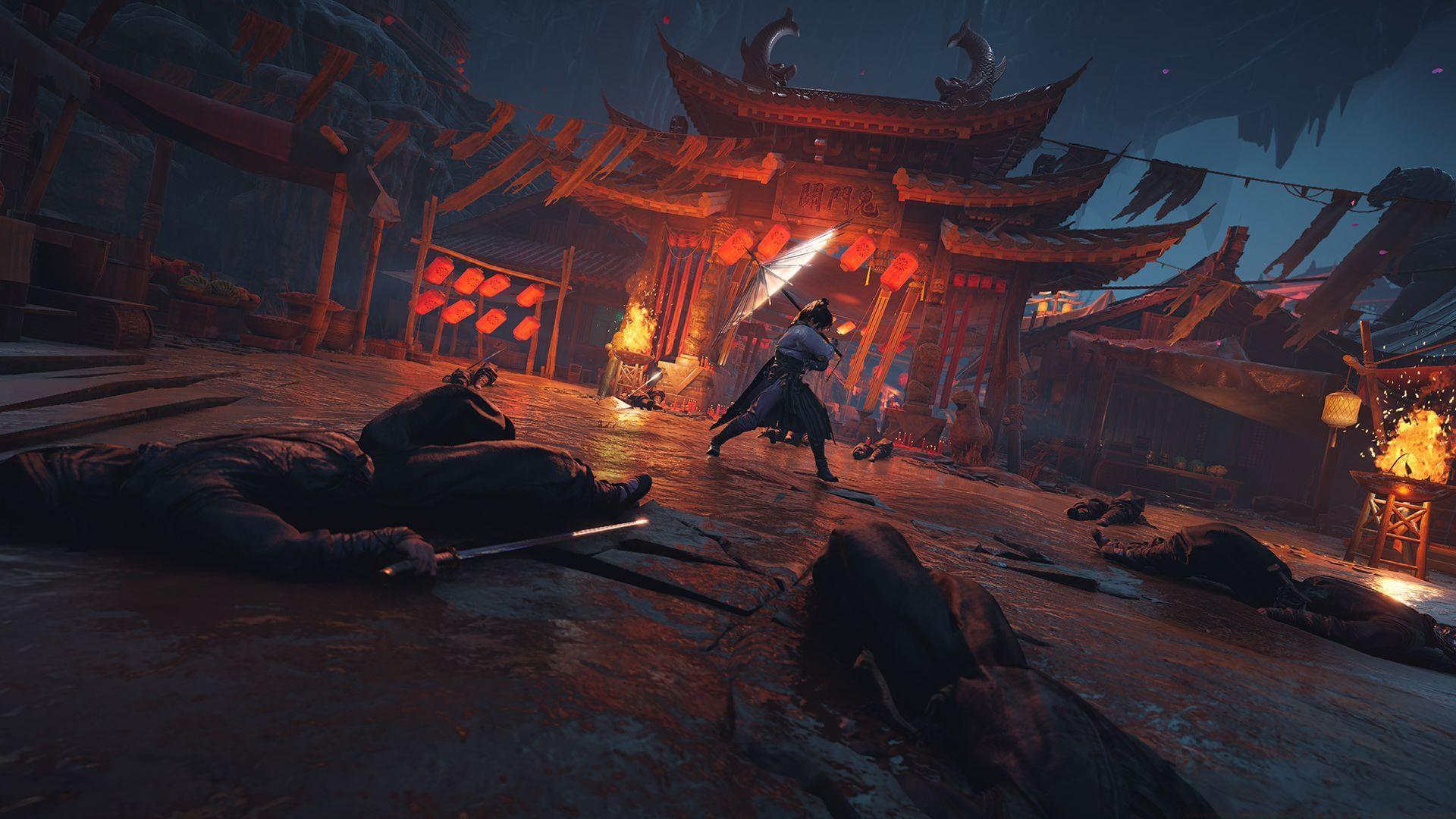
Weapon Skills represent the cornerstone of combat effectiveness in Where Winds Meet, serving as the primary determinant of your character’s battlefield capabilities. Each combat ability remains exclusively bound to its designated weapon category, preventing cross-weapon utilization and fundamentally shaping your chosen combat specialization. This design philosophy encourages players to commit to specific martial disciplines, enabling mastery through focused weapon training rather than generalized combat proficiency.
Understanding this weapon-skill relationship early prevents wasted resources and ensures efficient character development. The system promotes strategic decision-making about your preferred combat style before investing heavily in any particular skill tree.
Acquiring Weapon Skills
Beyond conventional methods, affiliating with martial sects provides accelerated access to specialized techniques. Each sect maintains unique combat traditions, offering distinctive skills that reflect their philosophical approach to martial arts. This pathway typically delivers faster results compared to traditional dungeon exploration and key collection methods, though it requires commitment to the sect’s requirements and objectives.
For players preferring unconventional approaches, covert infiltration of sect strongholds presents an alternative progression route. This high-risk, high-reward strategy demands stealth capabilities and thorough preparation but bypasses the faction allegiance requirements. However, this method carries significant consequences if detected, including permanent hostility from the targeted organization.
Also read: Where Winds Meet review: The best, most compelling Wuxia game in years
Strategic consideration: Evaluate whether sect alignment fits your character’s narrative direction before committing. Some skills remain exclusively available through faction membership, while others can be acquired through multiple channels.
Skill Implementation & Usage
Executing weapon techniques involves straightforward mechanics once acquisition requirements are satisfied. After securing a combat skill, you must possess the corresponding weapon type to activate and utilize the ability. The interface simplifies this process through intuitive skill assignment menus.
For practical application: accessing the skills interface and selecting compatible armaments like the Rope Dart for dart-specific techniques enables immediate combat integration. Proper equipment pairing remains essential—attempting to use sword skills with spear-class weapons will prove ineffective regardless of skill level or character attributes.
Pro tip: Always verify weapon compatibility before engaging challenging content. Mismatched equipment during critical encounters can lead to unnecessary defeats and resource loss.
Skill Progression & Enhancement
Skill development follows structured advancement tiers with significant power spikes at predetermined intervals. Every fifth skill level unlocks a breakthrough opportunity, granting enhanced combat effects such as damage amplification, area-of-effect expansion, or additional debuff applications. These milestones dramatically impact combat effectiveness and should be prioritized in your progression planning.
Advancement requires careful resource allocation, consuming various materials including creature remains, currency, and specialized manuscripts. These components primarily originate from weekly vendor rotations, regional trials, limited-time activities, and dungeon completions. Efficient material gathering demands consistent participation across multiple game systems rather than focusing on单一source.
Resource management strategy: Maintain balanced participation in all activity types to ensure consistent material flow. Over-focusing on specific content types often creates resource bottlenecks that stall progression.
Advanced Combat Strategies
Mastering weapon skills extends beyond basic acquisition and leveling. High-level play requires understanding skill rotation optimization, animation canceling techniques, and situational awareness. Many players mistakenly prioritize raw damage numbers over utility effects, overlooking how crowd control and mobility skills can dramatically improve survival rates and combat efficiency.
Common progression errors include over-investing in single skill trees too early, neglecting complementary abilities that create synergistic combinations. The most effective builds balance primary damage skills with utility techniques that enhance positioning, defense, or resource generation.
Endgame considerations: Late-content challenges often require adaptable skill loadouts rather than fixed rotations. Preparing multiple specialized skill sets for different encounter types proves more valuable than maximizing a single configuration. Advanced players should experiment with unconventional skill combinations that counter specific enemy mechanics or environmental factors.
Check out our other Where Winds Meet articles:
No reproduction without permission:SeeYouSoon Game Club » Where Winds Meet Weapon Skill guide: How to unlock and use them Master combat mechanics and optimize your build with comprehensive weapon skill strategies in Where Winds Meet