
TL;DR
- The game features multiple real-world music references including Pearl Jam and A-ha songs
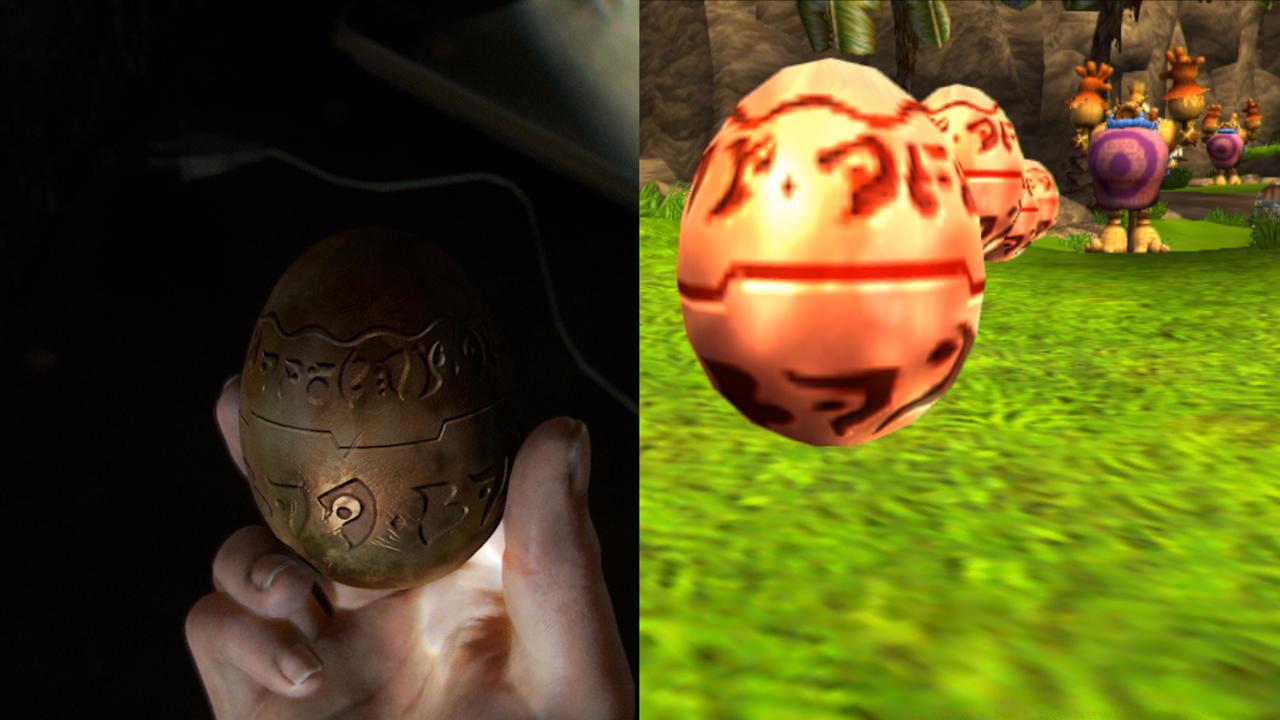
- Naughty Dog includes self-referential nods to their own Jak and Daxter and Uncharted franchises
- The 0451 code pays homage to immersive sim classics like System Shock and Bioshock
- Several Easter eggs connect to cut content and stage adaptations of the original game
- Environmental storytelling contains subtle pop culture references requiring careful exploration
The Last of Us Part II delivers an emotionally charged narrative packed with cleverly integrated pop culture homages that reward attentive players. While many references connect to the first game’s storyline, this guide focuses exclusively on external cultural Easter eggs that bridge the game’s world with our own reality. Be advised that exploring these discoveries involves discussing specific story moments, so proceed with caution if you wish to preserve narrative surprises.
For those interested in internal series connections, supplementary materials detail callbacks to The Last of Us and Left Behind through item placements, scene recreations, and dialogue echoes. The depth of these hidden elements demonstrates Naughty Dog’s commitment to layered storytelling that extends beyond the main plot.
Joel’s poignant guitar performance for Ellie early in the game features Pearl Jam’s “Future Days,” a genuine track from their 2013 Lightning Bolt album. The song’s official October 11, 2013 release date creates fascinating narrative implications, as the Cordyceps outbreak occurred weeks earlier on September 26. This timeline suggests Joel either attended live performances (the song debuted in July 2013) or discovered unreleased physical media before distribution systems collapsed.
Downtown Seattle’s Valiant Music shop contains a poster for Pearl Jam’s Lightning Bolt album, creating a subtle connection to Joel’s earlier performance. Within the same location, Ellie delivers a hauntingly beautiful acoustic version of A-ha’s iconic “Take on Me,” transforming the upbeat 80s synth-pop hit into a melancholic reflection of her journey.
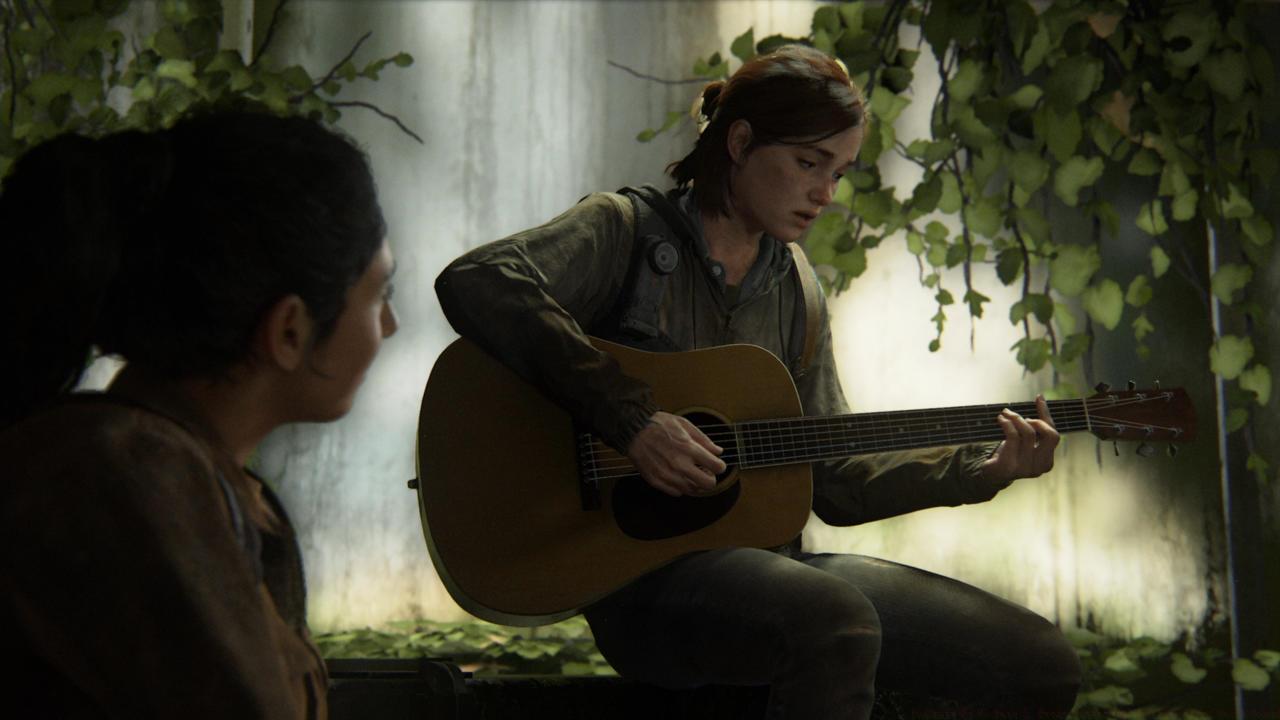
These musical selections aren’t random—they serve as emotional anchors that deepen character relationships while bridging the game’s fictional world with recognizable cultural touchstones. The somber reinterpretations mirror the game’s themes of loss and adaptation.
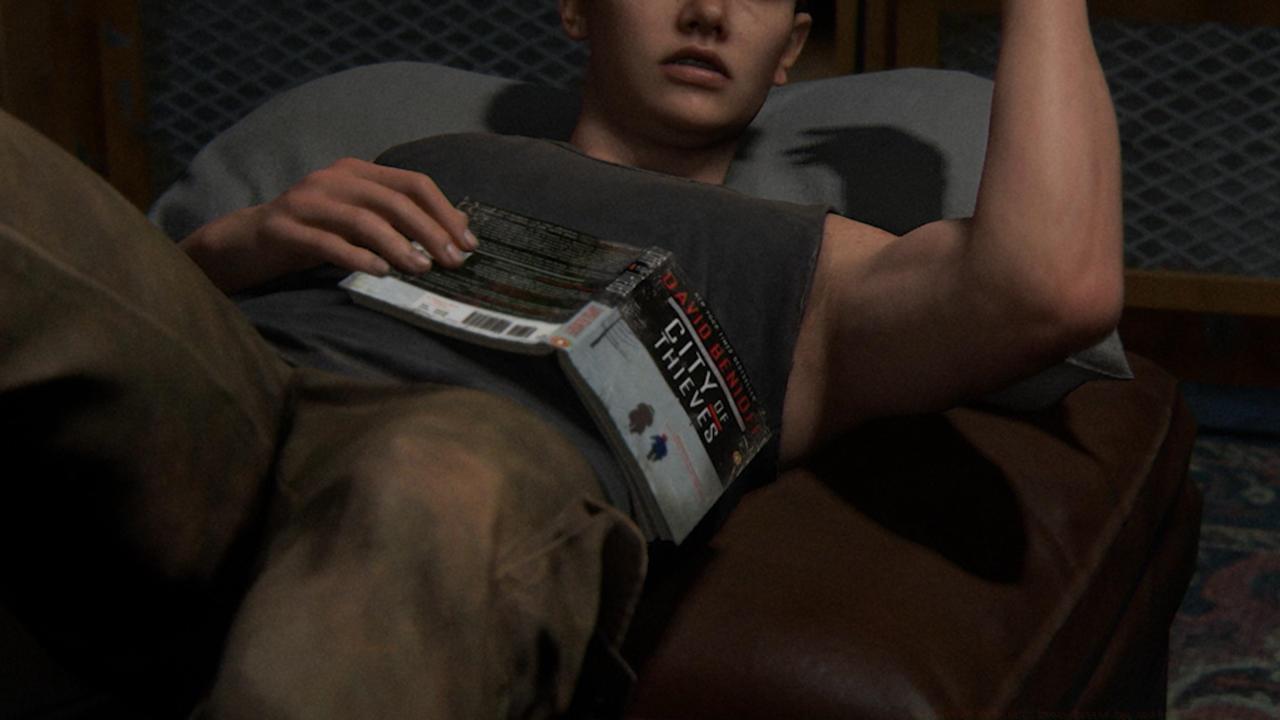
Ellie’s bedroom at age 19 contains a functional PlayStation 3 alongside physical copies of the Jak and Daxter Collection and Uncharted: Drake’s Fortune. These inclusions serve as both nostalgic artifacts and meta-commentary on Naughty Dog’s own gaming legacy, connecting their current narrative masterpiece with their earlier iconic franchises.
Eugene’s residence continues this pattern with another PS3 and expanded game collection including Uncharted 2: Among Thieves. His possession of “Smash Brandi’s Cooch” provides crude humor while subtly referencing Crash Bandicoot through phonetic similarity.
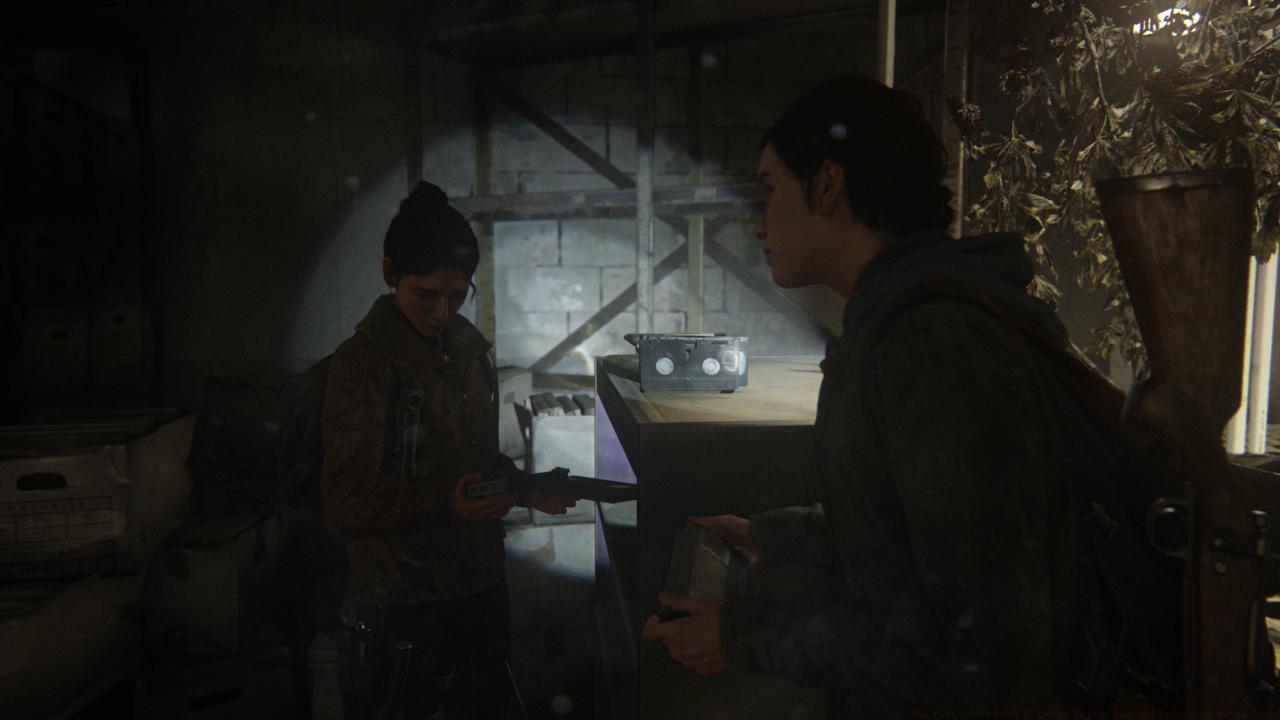
The gate code 0451 during Ellie’s Seattle exploration represents gaming’s most enduring Easter egg—originally from Looking Glass Studios’ Cambridge office access code. This number has appeared in numerous immersive simulation classics including System Shock, Thief: The Dark Project, Bioshock, and Dishonored. Its appearance in The Last of Us Part II acknowledges gaming history while creating an amusing anomaly in a non-immersive sim title.
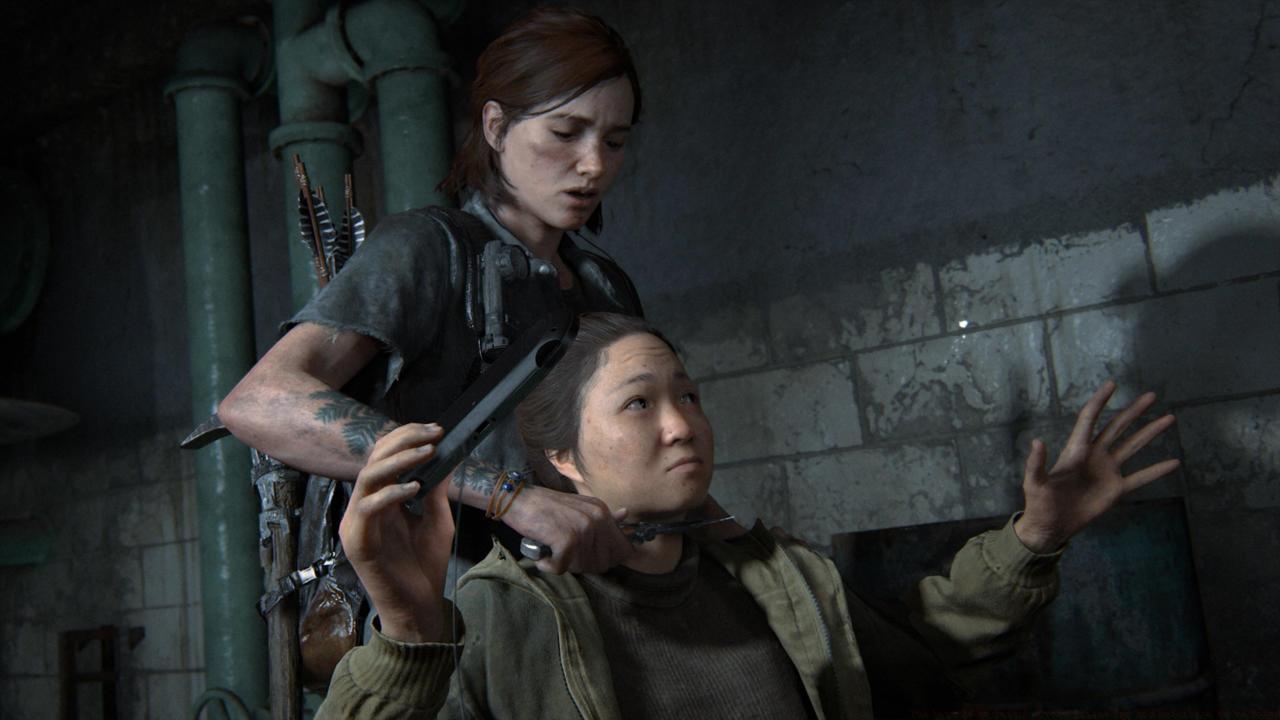
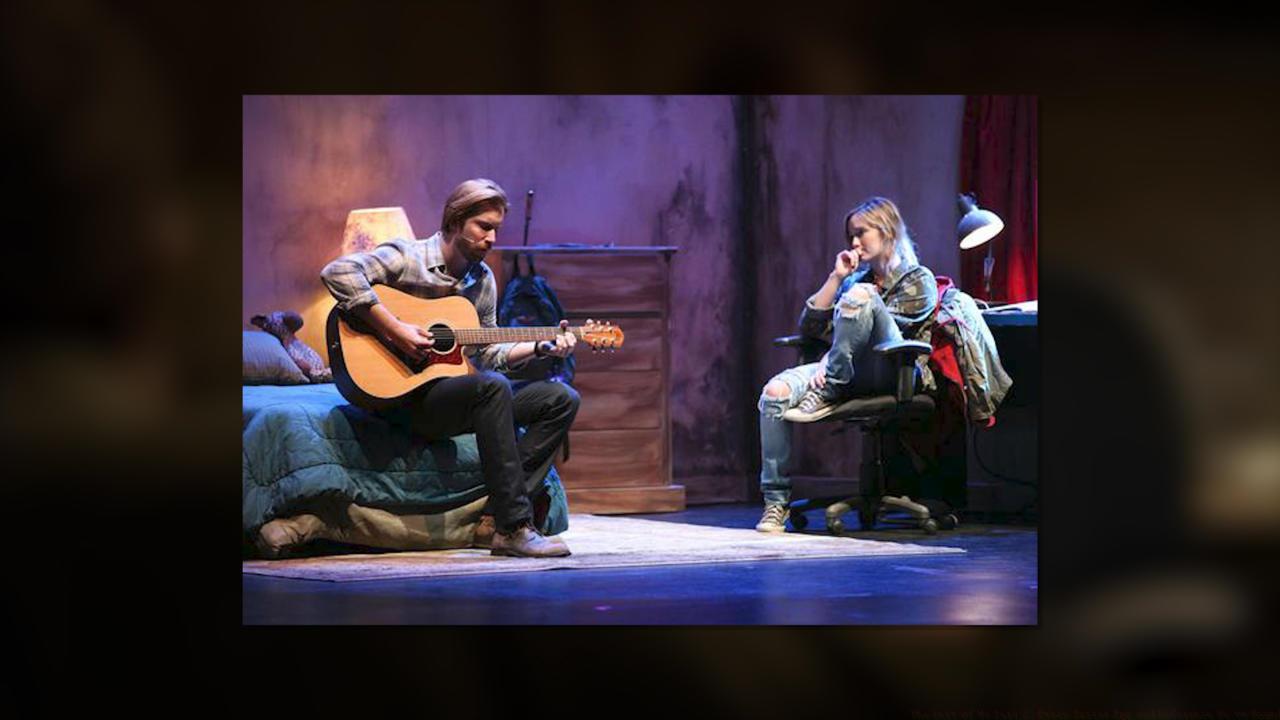
Joel’s musical performance for Ellie adapts the epilogue from The Last of Us: One Night Live, a limited stage performance held in July 2014. This theatrical version featured additional narrative elements, including Joel mentioning that Tommy arranged a relationship with a woman named Esther—content that was originally planned for Part II but ultimately cut during development.
Naughty Dog’s revelation about the eliminated storyline demonstrates how Easter eggs can provide insights into the creative process and narrative evolution. The altered scene in the final game reflects the studio’s iterative approach to storytelling, where character dynamics were refined to serve the central narrative more effectively.
Understanding these connections enhances appreciation for how the developers balanced fan expectations with narrative cohesion. The stage adaptation Easter egg serves as a rare glimpse into alternative narrative paths and the difficult decisions involved in crafting a cohesive story.
Successfully discovering The Last of Us Part II’s hidden references requires systematic environmental exploration and attention to audio cues. Prioritize examining residential spaces for gaming hardware and media, while music shops and performance venues typically contain musical Easter eggs. Environmental storytelling elements often conceal the most subtle references.
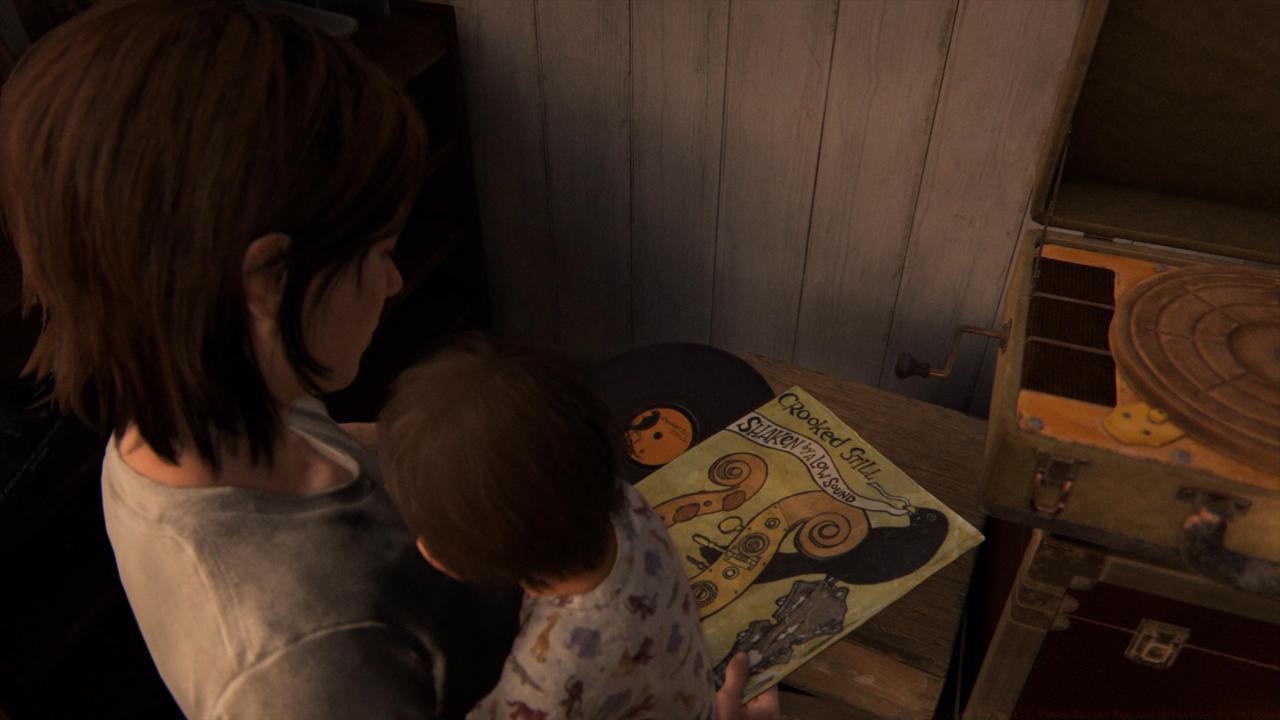
Common mistakes include rushing through environments or overlooking interactive elements like readable items and examinable objects. Advanced players should methodically scan each area, listening for distinctive musical motifs and examining wall decorations that might reference real-world culture.
For optimal Easter egg discovery, allocate 15-20 minutes per major location to thoroughly investigate all interactive possibilities. Pay particular attention to childhood spaces and character-specific areas, as these often contain personalized references that reveal backstory and personality traits through cultural touchstones.
Developer commentary tracks and behind-the-scenes materials frequently provide additional context for these hidden elements, revealing intentional design choices that might otherwise go unnoticed. This layered approach to environmental narrative creates rewarding exploration for dedicated players.
Action Checklist
- Thoroughly examine all residential spaces for gaming consoles and media collections
- Investigate music shops and performance areas for real-world song references
- Document gate codes and numerical sequences for gaming history references
- Listen carefully for musical performances and examine their emotional context
- Cross-reference discoveries with developer commentary for deeper understanding
No reproduction without permission:SeeYouSoon Game Club » The Last Of Us Part 2: Every Easter Egg And Reference We’ve Found Discover hidden pop culture references and gaming Easter eggs throughout The Last of Us Part II's emotional journey