
TL;DR
- Sleep before midnight for XP and attack buffs – passing out at 3 AM causes penalties
- Talk to every NPC once for free gifts and identify romance options via heart icons
- Upgrade inventory slots starting at 10 gol and build chests for resource overflow
- Maintain workshop machines with fuel, water, and regular dusting for optimal performance
- Select commissions based on available resources and time to maintain reputation
Establishing effective sleep patterns represents one of the most crucial early-game systems in My Time at Sandrock that many beginners overlook. Proper rest management directly impacts your character’s performance and progression speed.
While My Time at Sandrock presents itself as relaxed about achievement pacing, the game’s mechanics subtly reward disciplined daily routines. Understanding these systems early prevents productivity bottlenecks and ensures your builder maintains peak efficiency.
Many players mistakenly rely exclusively on food consumption to maintain stamina reserves, but this approach has diminishing returns. Your character will eventually experience exhaustion regardless of nutrition intake. Sleeping past midnight triggers character complaints about fatigue, while pushing until 03:00 results in your builder collapsing from exhaustion. Conversely, achieving proper rest before midnight grants valuable experience multipliers and combat enhancement bonuses the following day.
An optimized approach involves establishing clear worktime and downtime boundaries. Worktime encompasses stamina-draining activities like mining, logging, and combat. Downtime includes crafting, socializing, and shopping – activities that don’t consume energy reserves. Monitor the in-game clock diligently and prioritize returning home for sleep at reasonable hours. Most characters require approximately eight hours of rest, and Sandrock’s technological level hasn’t advanced to include caffeine-based solutions for sleep deprivation.
Advanced Sleep Strategy: Plan your last stamina-consuming activity to conclude around 10 PM, allowing travel time home and preparation for bed by 11 PM. This ensures you consistently receive the well-rested bonus, which typically provides a 10-15% experience gain and 5% attack increase for the next full day. Players who maintain this routine typically level up 20-30% faster than those with irregular sleep patterns.
Developing connections with Sandrock’s residents requires consistent effort but offers substantial gameplay benefits. While immediate romantic pursuits may seem appealing, focusing initially on foundational relationships yields better long-term results.
Prioritize initial introductions with every character during your first week in town. Each NPC provides a unique gift upon first meeting, offering valuable early-game resources that can significantly accelerate your workshop development.
For players interested in romance options, the relationship interface provides clear indicators. Romance-capable characters display heart symbols instead of stars beneath their relationship meters, simplifying target identification.
Relationship Building Efficiency: Carry a few low-cost gifts like crystals or simple foods when exploring town. When you encounter NPCs during daily activities, you can immediately improve relationships without dedicated social time. This approach typically increases relationship points 40-50% faster than scheduled visiting alone.
Common Mistake Avoidance: Don’t waste premium gifts on initial interactions – save them for when relationship levels require larger point investments. Also, note that some NPCs have specific schedule patterns; consulting our Class Guide for similar strategic planning approaches can help optimize your social calendar.
Resource collection quickly highlights My Time at Sandrock’s restrictive inventory limitations. While constructing storage chests provides a basic solution, smarter inventory management dramatically improves gameplay flow.
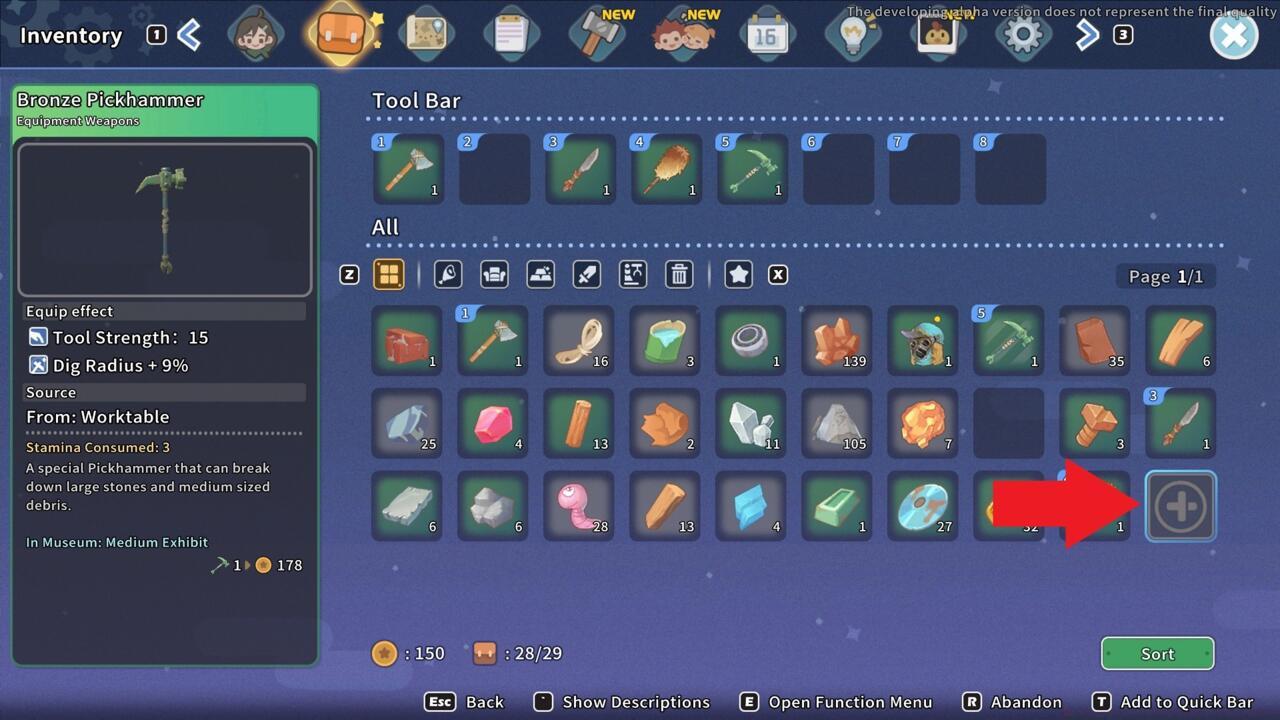
Inventory expansion becomes crucial within your first week of gameplay.
Within your inventory interface, locate the easily overlooked expansion icon positioned at your storage’s extremity. This blank tile featuring a plus (+) symbol unlocks purchase opportunities for additional carrying capacity. Initial upgrades cost a modest 10 gol, with gradual price increases as you acquire more slots. The cost progression remains manageable initially, enabling you to acquire numerous additional spaces based on current financial resources.
Storage Optimization Approach: Build specialized chests for different resource categories – one for ores, another for woods, and separate containers for crafted items. This organizational system saves significant time when locating specific materials for commissions or crafting projects. Players who implement categorized storage typically complete tasks 25% faster than those using generalized containers.
Economic Strategy: Allocate 20-30% of your daily earnings toward inventory expansion during the first month. This investment pays dividends in reduced travel time and increased resource gathering efficiency. For more advanced resource management techniques, our Complete Guide offers additional strategic frameworks.
Maintaining optimal workshop functionality requires consistent equipment attention. Proper machine maintenance ensures continuous production and prevents workflow interruptions.
Every workshop apparatus demands three essential maintenance components: energy sources, hydration supplies, and regular cleaning to remove abrasive sand accumulation.
Maintenance Schedule Optimization: Establish morning and evening maintenance routines. Refuel machines at day’s start before beginning projects, and perform cleaning as your final evening activity. This prevents mid-day production halts and ensures overnight processing continues uninterrupted.
Common Pitfall: Many beginners underestimate water requirements, particularly for multiple machines. Ensure you maintain at least 10-15 units of water in storage specifically for maintenance purposes. Dehydrated equipment operates at 50% reduced efficiency and may completely cease functioning during critical crafting periods.
Commission Assessment Strategy: Before accepting any commission, thoroughly evaluate your current resource inventory, required crafting time, and delivery deadline. This prevents reputation damage from failed completions and ensures consistent income flow.
Risk Management Approach: Prioritize commissions matching materials you already possess or can quickly gather. Avoid assignments requiring rare resources or complex multi-step crafting processes until your workshop is properly equipped.
Advanced Tip: Monitor commission boards daily but only accept 1-2 assignments that align with your planned activities. This balanced approach maintains reputation growth without overwhelming your daily schedule. For weapon-specific strategic thinking similar to commission selection, consult our Weapons Unlock guide for complementary decision-making frameworks.
Time Investment Returns: Well-selected commissions typically yield 150-200% return on time investment compared to resource gathering alone. This makes them essential for efficient progression during early and mid-game phases.
Action Checklist
- Establish sleep routine – be in bed by 11 PM for experience buffs
- Meet every NPC for free starter gifts and identify romance options
- Upgrade 5-10 inventory slots immediately, then 2-3 weekly
- Build categorized storage chests for different resource types
- Implement morning/evening equipment maintenance schedule
- Select 1-2 commissions daily that match your current resources
No reproduction without permission:SeeYouSoon Game Club » My Time At Sandrock Tips for Beginners Essential My Time at Sandrock beginner strategies for sleep management, NPC relationships, and inventory optimization