
TL;DR
- 14 weapon types offer distinct combat styles requiring different skill sets and strategies
- Weapon switching is freely available through item boxes, enabling flexible playstyle experimentation
- Close-range weapons emphasize positioning and timing, while ranged weapons focus on distance management
- Each weapon has unique mechanics that significantly impact hunting efficiency and success rates
- Beginner-friendly options exist but mastery requires understanding advanced combat techniques
Choosing your primary weapon represents one of the most impactful decisions you’ll face in Monster Hunter Rise, directly influencing your hunting effectiveness and overall enjoyment. This comprehensive guide provides detailed analysis of each weapon’s combat characteristics to help you identify the perfect match for your preferred playstyle.
The complexity of Monster Hunter Rise stems from the intricate combat systems and nuanced capabilities inherent to each weapon category. Mastering a weapon type demands significant time investment as you learn its unique attack patterns, special mechanics, and optimal usage scenarios. With 14 distinct weapon types available—including versatile options like the hammer for stunning power, bow for ranged precision, and charge blade for technical complexity—each offers completely distinct approaches to monster encounters.
Fortunately, the game allows complete flexibility in weapon selection through item box access at any time. If your current weapon doesn’t resonate with your combat preferences, you can immediately experiment with alternatives. Below we break down essential characteristics, strategic considerations, and practical applications for every weapon type to streamline your decision process. For additional guidance on starting weapons, consult our specialized beginner’s weapon guide featuring curated recommendations.
Close-range weapons dominate melee combat with diverse approaches to engagement, from aggressive assault to defensive positioning. Understanding each weapon’s rhythm and optimal attack sequences dramatically improves your hunting performance.
- Close-Range Weapons
- Sword & Shield: Balanced offense and defense with quick attacks and shield capabilities
- Dual Blades: High mobility and rapid strikes using demon mode activation
- Great Sword: Massive damage potential through charged attacks and precise timing
- Long Sword: Fluid combos with spirit gauge management for empowered strikes
- Hammer: Stunning power focused on head targeting and knockout potential
- Switch Axe: Morphing weapon with axe mobility and sword element discharge
- Charge Blade: Technical weapon combining sword/shield with axe transformations
- Lance: Defensive powerhouse with precise counter-attacks and relentless pressure
- Gunlance: Explosive hybrid weapon blending lance defense with shelling attacks
Common Beginner Mistake: Many new hunters underestimate the importance of positioning with heavy weapons like Great Sword, leaving themselves vulnerable during lengthy attack animations. Always plan your attack locations with escape routes in mind.
Ranged weapons provide tactical advantages through distance management and elemental targeting, requiring different skills than melee combat but offering superior positioning flexibility.
- Long-Range Weapons
- Light Bowgun: Mobile firing platform with rapid reloads and diverse ammunition types
- Heavy Bowgun: High-damage artillery with specialized modifications and siege capabilities
- Bow: Agile ranged option combining charged shots with coating applications for status effects
Advanced Strategy: Successful ranged combat hinges on maintaining critical distance—the optimal range where your attacks deal maximum damage. Position yourself at this sweet spot while monitoring monster attack patterns for optimal effectiveness.
Ranged weapon users must master ammunition management and coating applications to maximize their combat potential. Unlike melee weapons, you’ll need to craft and manage your consumable resources throughout hunts.
Weapon proficiency extends beyond basic combos to include matchup knowledge, silkbind skill integration, and monster behavior prediction. Advanced hunters often master multiple weapons to counter specific monster types effectively.
Weapon Switching Tactics: Don’t hesitate to change weapons between hunts based on your target monster. Fast, agile monsters often pair well with mobile weapons like Dual Blades or Sword & Shield, while larger, slower creatures may be better approached with heavy-hitting options like Great Sword or Hammer.
Monster Matchup Considerations: Some weapons naturally excel against particular monster types. For example, Lance performs exceptionally well against linear charging monsters, while Insect Glaive offers aerial superiority against ground-focused enemies.
For comprehensive gameplay guidance beyond weapon selection, explore our Complete Guide to master all aspects of your hunting experience.
Understanding your weapon’s silkbind skills—special techniques unique to Monster Hunter Rise—can dramatically enhance your combat capabilities. These powerful moves often provide mobility, defense, or burst damage options that complement your standard attack repertoire.
Close-Range Weapons
For hunters who thrive on direct confrontation, Monster Hunter Rise’s close-range arsenal provides exceptional diversity in combat approaches. These weapons dominate the game’s armory with distinct mechanics that cater to various playstyles from tactical defense to overwhelming offense.
Sword & Shield
.jpg)
Sword & Shield
The Sword & Shield combination stands as the ultimate beginner-friendly option with surprising depth for veterans. While it lacks the visual spectacle of more elaborate weapons, its reliability and versatility make it consistently effective across all hunting scenarios. This weapon delivers rapid, decisive strikes that don’t demand perfect timing for effective damage output. The accompanying shield serves dual purposes – enabling defensive bashing attacks against monsters while providing immediate protection through quick blocks. As a lightweight armament, it maintains your mobility, allowing swift evasion from charging beasts without sacrificing offensive capability. Pro Tip: Master the Perfect Rush combo for burst damage opportunities when monsters are immobilized.
[Jump to Top]
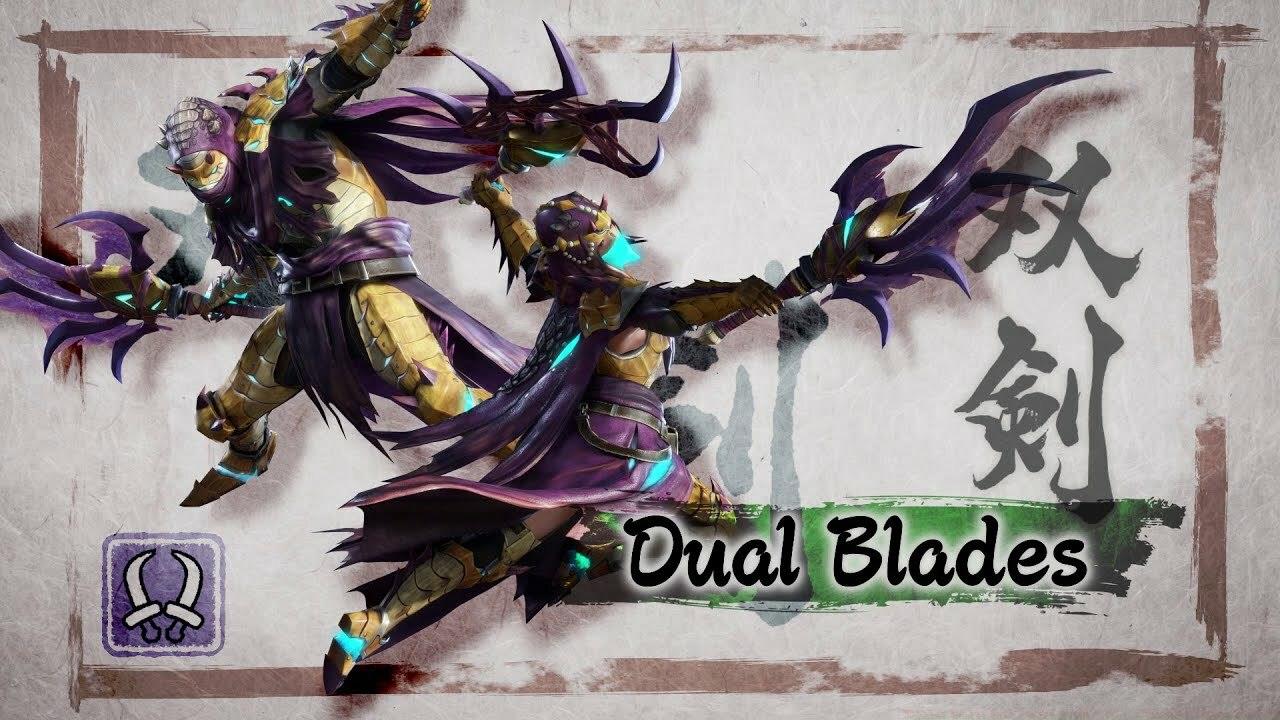
Dual Blades
Dual Blades
Dual Blades cater to aggressive hunters prioritizing maximum mobility and close-quarters engagement. Their straightforward mechanics make them accessible for newcomers while offering technical depth for experienced players.
The core mechanic revolves around Demon Mode, activated by pressing the block button. This state enhances your damage output and enables chainable quick dashes for repositioning. While active, you accumulate meter to eventually trigger Archdemon Mode, unlocking enhanced special attacks and improved mobility.
Successful Dual Blade usage demands constant offensive pressure. Individual strikes may seem weak, but sustained assault from a skilled user generates exceptional damage per second. The significant limitation is complete reliance on evasion – without blocking or countering capabilities, you must master dodging techniques. Common Mistake: Overusing Demon Mode without monitoring stamina depletion, leaving you vulnerable during critical moments.
[Jump to Top]
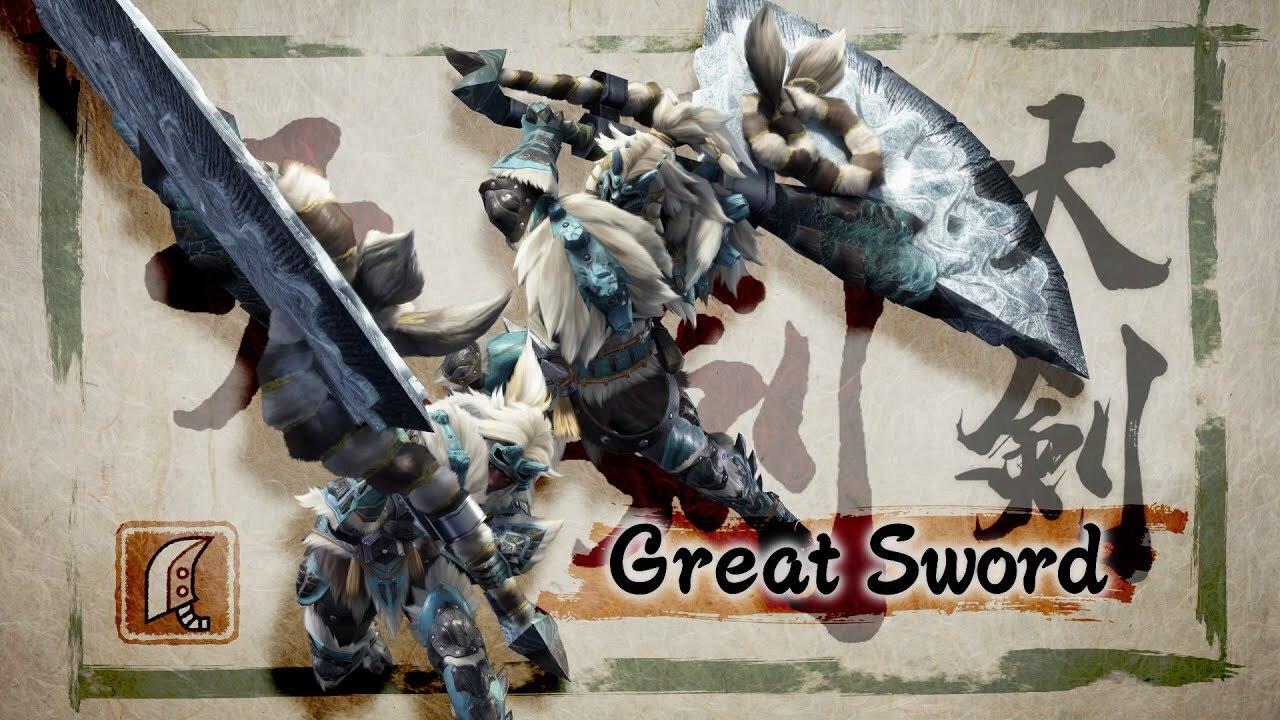
Great Sword
Great Sword
Among Monster Hunter’s extensive blade collection, the Great Sword delivers unparalleled raw destructive force. This massive weapon inflicts catastrophic damage on monsters and can sever tails for additional crafting materials. However, this immense power carries substantial tradeoffs. The Great Sword moves slowly and awkwardly; attack animations cannot be canceled mid-swing, and movement becomes severely restricted when wielded.
Fortunately, Wirebug mechanics help mitigate these disadvantages. The Power Sheathe Silkbind move enables rapid disengagement while temporarily boosting your attack power. Pressing ZR with the Great Sword drawn activates a blocking stance, crucial for survival given the close combat requirements. While challenging for beginners, mastering the Great Sword provides immense satisfaction through perfectly timed charged attacks.
[Jump to Top]
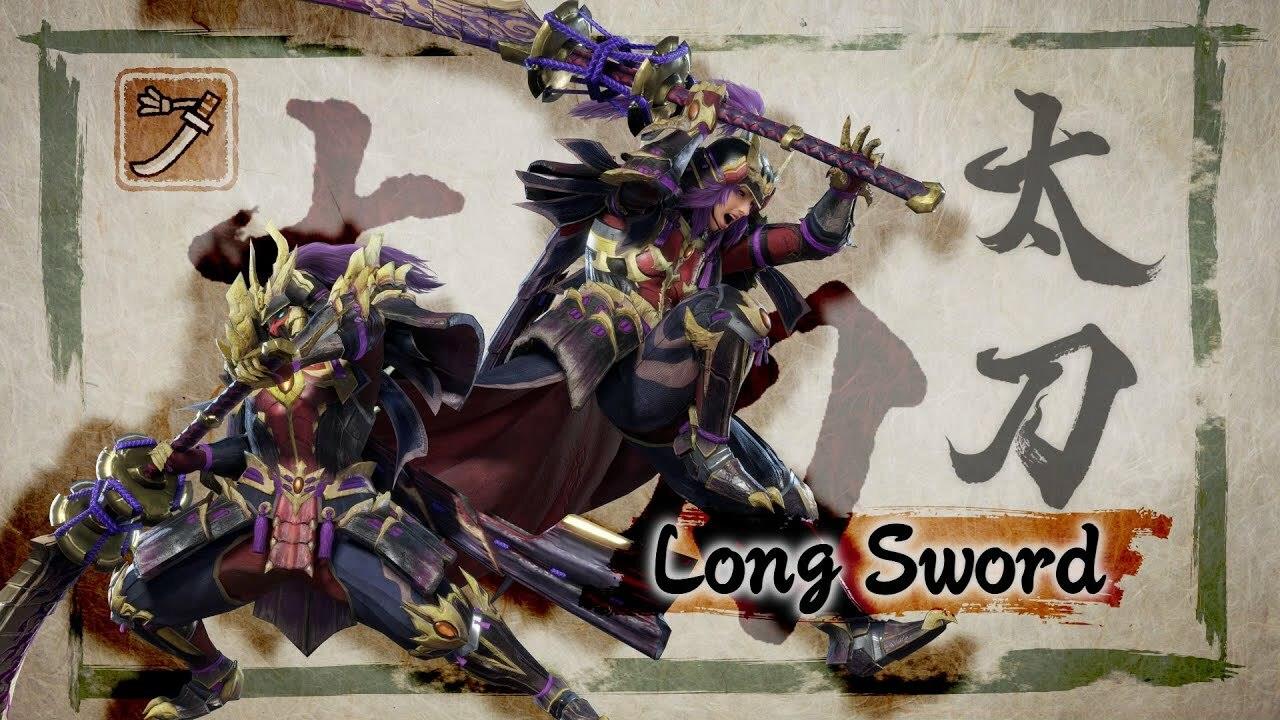
Long Sword
Long Sword
Second only to the Sword & Shield in balance, the Long Sword provides excellent swing velocity, impressive melee range, and straightforward combos ideal for new hunters. Its defining feature is the spirit gauge system, requiring combo execution to build meter for Spirit Roundslash attacks.
Each successful Spirit Roundslash connects advances your spirit gauge through three enhancement tiers. With each progression level, the Long Sword’s damage output increases substantially. Maintaining level three (red) spirit gauge represents your primary objective for sustained damage output. Learning which maneuvers flow into Spirit Roundslash creates the fundamental combat rhythm that maximizes both damage and spirit gauge maintenance. This flow proves surprisingly accessible to learn, with advanced techniques becoming available as proficiency develops.
[Jump to Top]
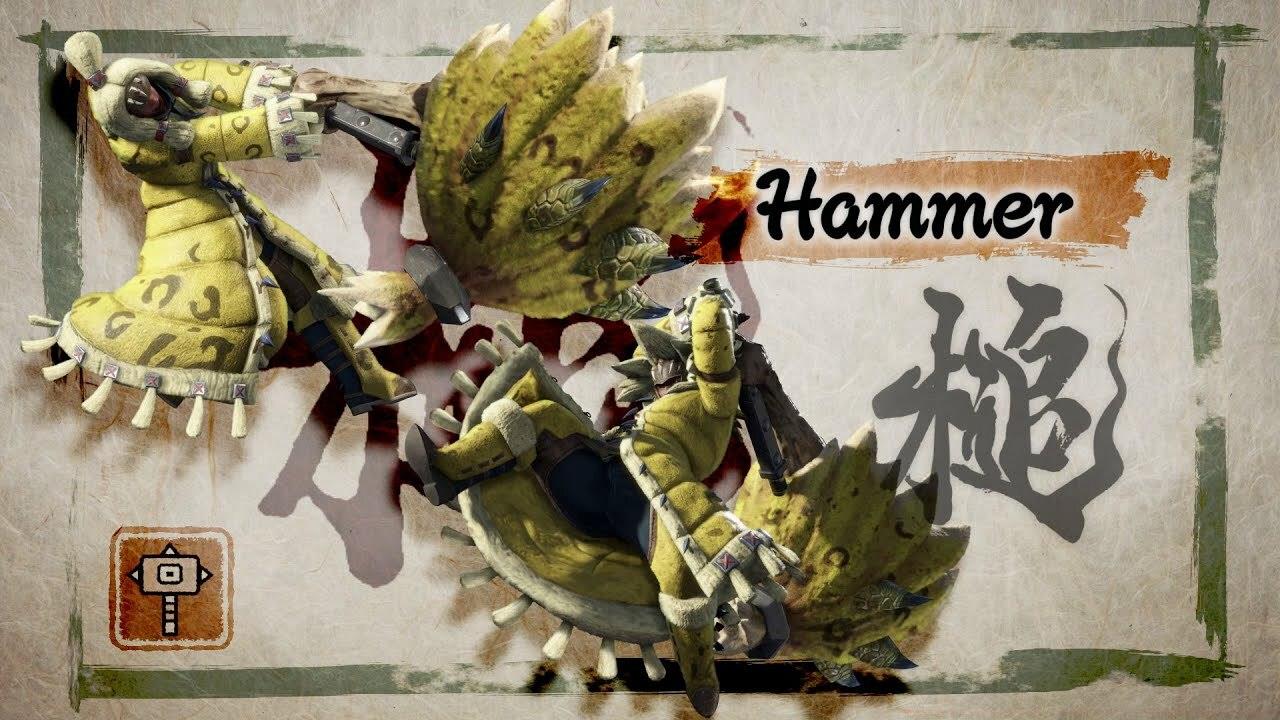
Hammer
Hammer
The Hammer serves as the premier choice for hunters who enjoy intense close-quarters combat. Despite limited reach, it delivers tremendous impact power and excels at staggering opponents. Concentrating attacks on monster heads creates stunning opportunities, enabling your hunting party to unleash coordinated assaults. This raw power carries inherent risks however. Hammer wielders cannot block attacks, and the required proximity to monsters places you directly in harm’s way. Unlike the Great Sword, you maintain mobility while charging Hammer attacks, preventing complete immobilization. Advanced Technique: Master the Impact Crater Silkbind move for devastating damage when monsters are downed.
[Jump to Top]
Switch Axe
Switch Axe
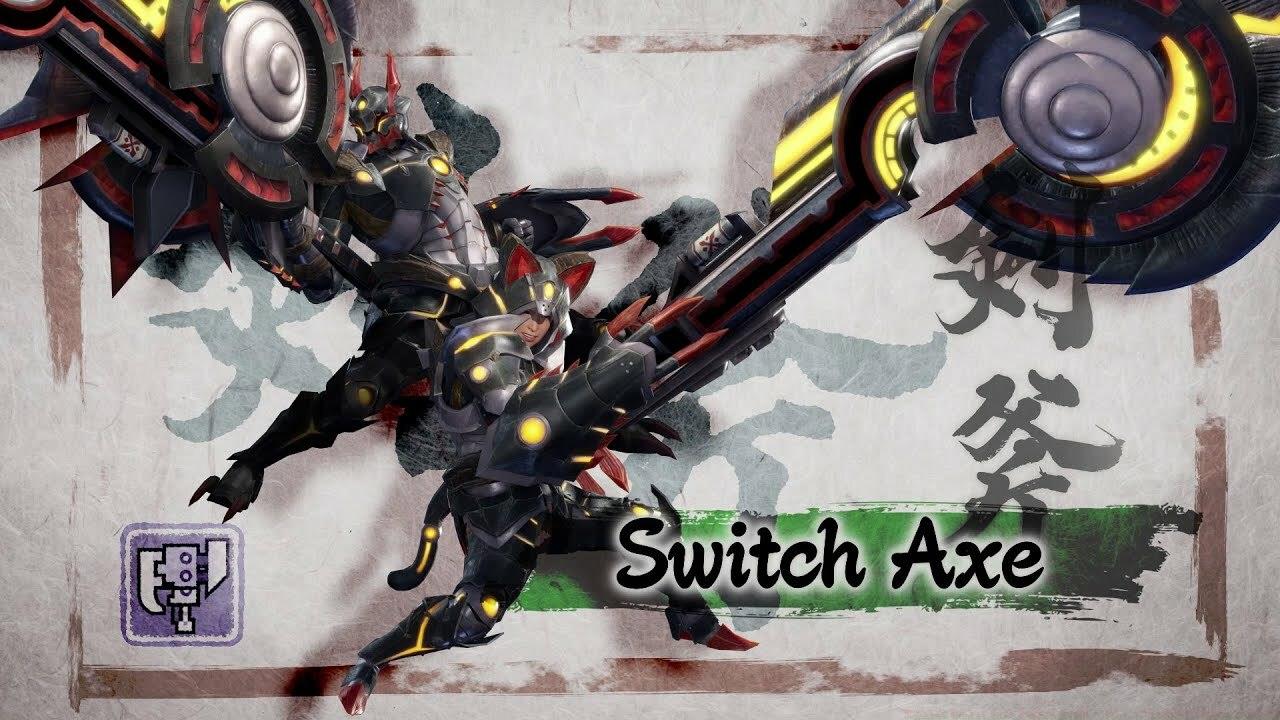
The Switch Axe represents another formidable two-handed weapon blending strength and agility through its transformative nature. With ZR button presses, the weapon shifts between axe and sword configurations, each with distinct attributes and attack patterns, effectively providing two distinct combat styles in one weapon system.
Mastering the Switch Axe requires understanding optimal transformation timing. Attacks in axe mode gradually charge your blade meter, enhancing sword form attack potency. Sword configuration enables faster swinging but reduces mobility significantly. The blade meter depletes during sword form assaults, requiring reversion to axe mode upon exhaustion. Regular form switching proves essential for effective Switch Axe utilization.
[Jump to Top]
Charge Blade
Charge Blade
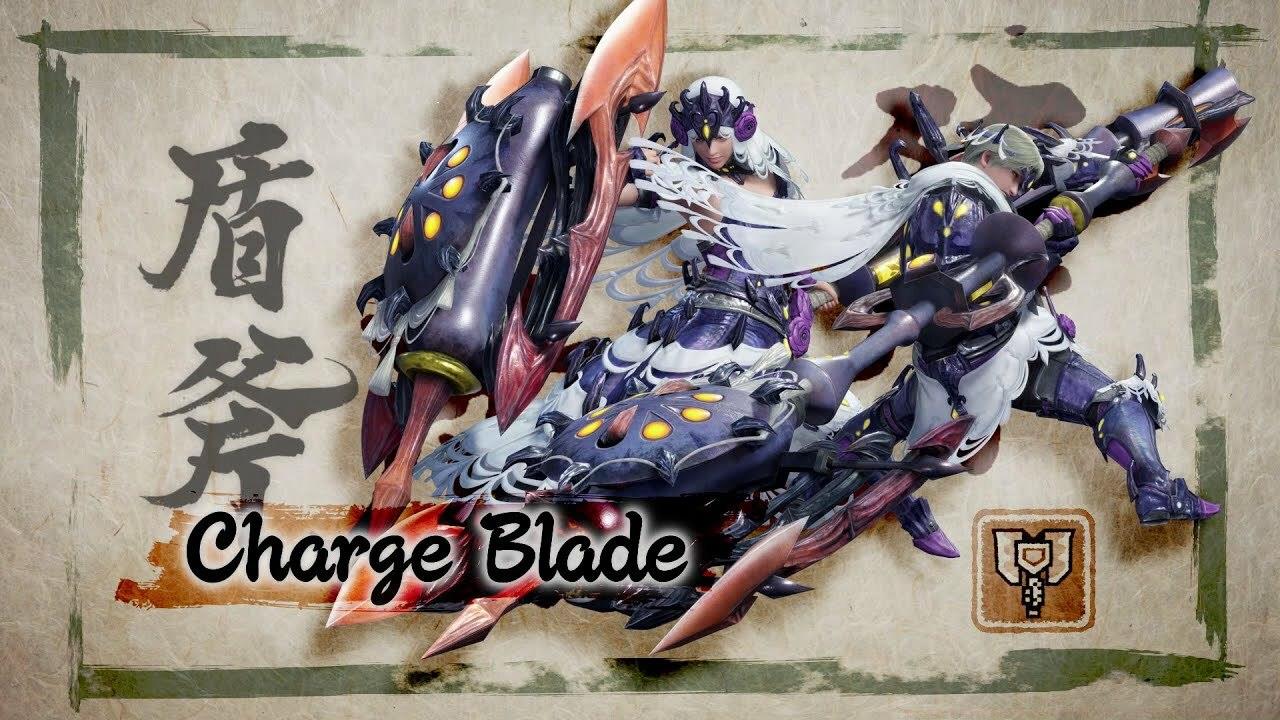
The Charge Blade stands as a heavyweight damage dealer that, in expert hands, can eliminate monsters with remarkable efficiency. However, it’s also a cumbersome weapon that demands technical proficiency and substantial practice, making it better suited for veteran hunters.
Charge Blade strategy centers on filling phials through basic attacks. Once charged, you can transfer energy to your shield. An energized shield provides defensive counter-damage during blocks, but the true potential emerges when transforming to axe mode, combining sword and shield into a single devastating weapon. Through charged phials, you can execute elemental discharge attacks dealing massive damage. This complex weapon rewards dedicated mastery with one of the game’s most powerful armaments.
[Jump to Top]
Lance
Lance
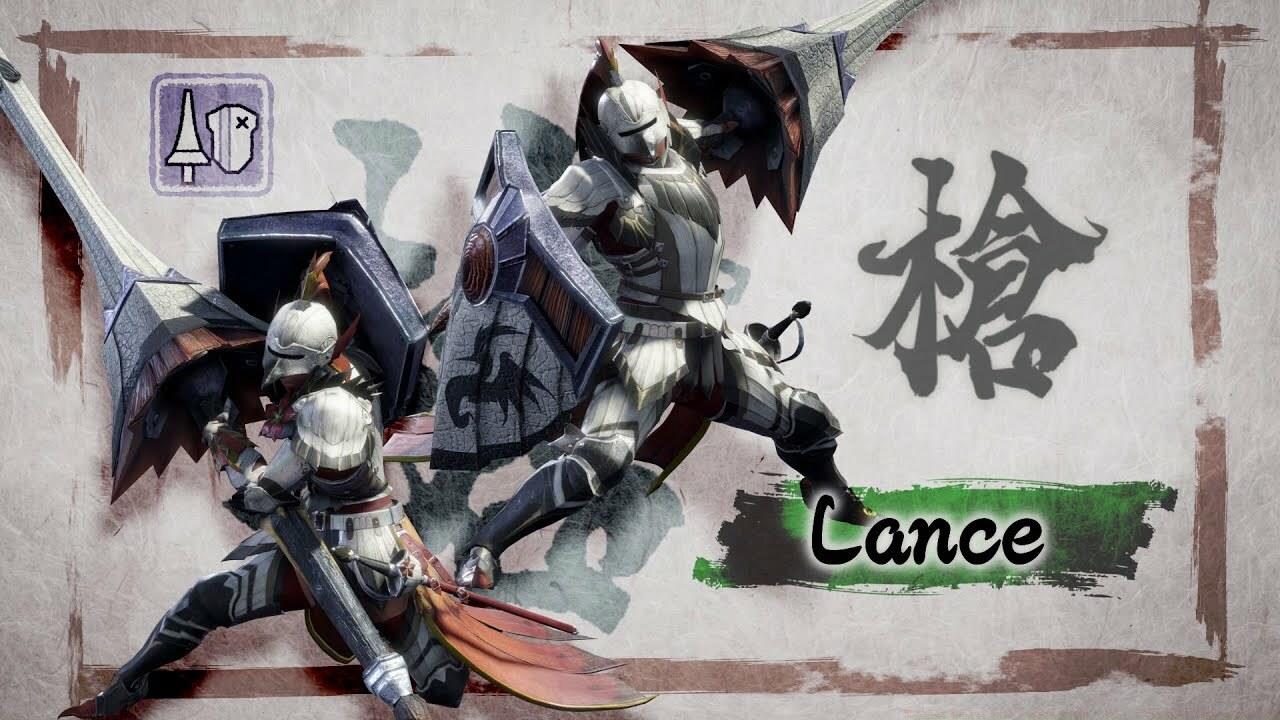
If you derive satisfaction from maintaining optimal distance while precisely striking enemies, the Lance represents your ideal weapon choice. It moves relatively slowly, providing respectable damage output while suffering from constrained mobility during deployment. Nevertheless, learning to operate within effective range while timing assaults correctly reveals the Lance’s considerable strengths.
As one of Monster Hunter Rise’s longest-reaching melee weapons, the Lance emphasizes spacing control and intelligent counter-offensive tactics. Success depends on evaluating prime attack opportunities, executing rapid thrusts, then either hopping to safety or defending as circumstances dictate. Deliberate action proves crucial with the Lance, though it does include a shield to partially mitigate positioning errors. Additionally, the Lance maintains high sharpness levels, enhancing effectiveness against thick-skinned monsters. This weapon typically suits intermediate-level hunters best.
[Jump to Top]
Gunlance
Gunlance
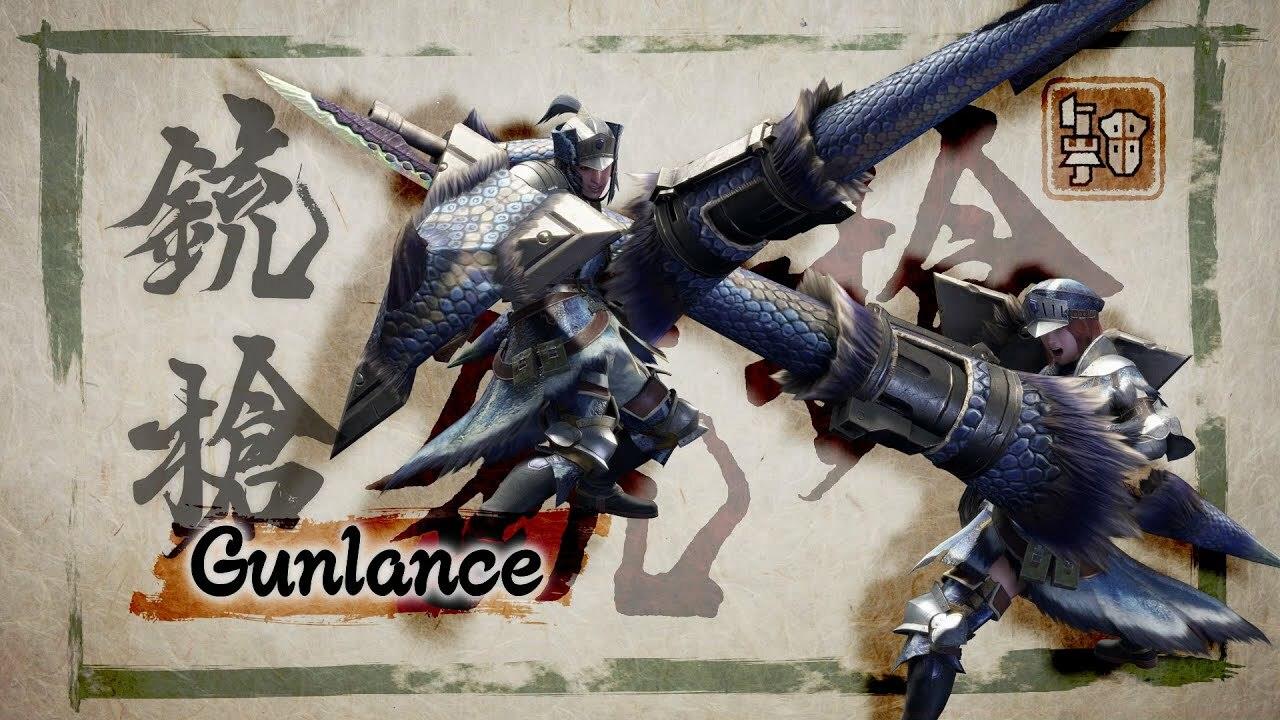
The Gunlance presents a significantly more explosive iteration of the standard Lance. It functions similarly, offering comparable mobility and defensive capabilities. Despite its name suggesting ranged functionality, the Gunlance operates exclusively in melee combat. Beyond standard lunging attacks, it incorporates short-range explosive shelling capabilities that can accumulate substantial damage when employed strategically. This specialized attack mechanism, known as Shelling, varies in effectiveness based on whether you tap or hold the A button during execution.
This destructive potential carries operational costs however. You must consistently monitor reload requirements, which occur frequently during shell expenditure. Shelling also rapidly degrades weapon sharpness, necessitating frequent Whetstone usage during engagements. Additionally, its special Wyvern’s Fire attack must be integrated intelligently into combos to devastate foes. Otherwise, you’ll face cooldown periods before reuse. Pro Tip: Utilize Guard Reload to simultaneously block attacks while replenishing your shell capacity.
Successful Gunlance operation requires varied combination usage and understanding when to deploy its explosive power for maximum damage accumulation. This weapon highly recommends itself to players preferring highly engaged moment-to-moment combat.
[Jump to Top]
Long-Range Weapons
If you consider close-quarters combat overrated and prefer Monster Hunter’s alternative offerings, you’ll appreciate the game’s selection of long-range armaments. These weapons enable damaging monsters through practical and creative methods from safe distances.
Light Bowgun
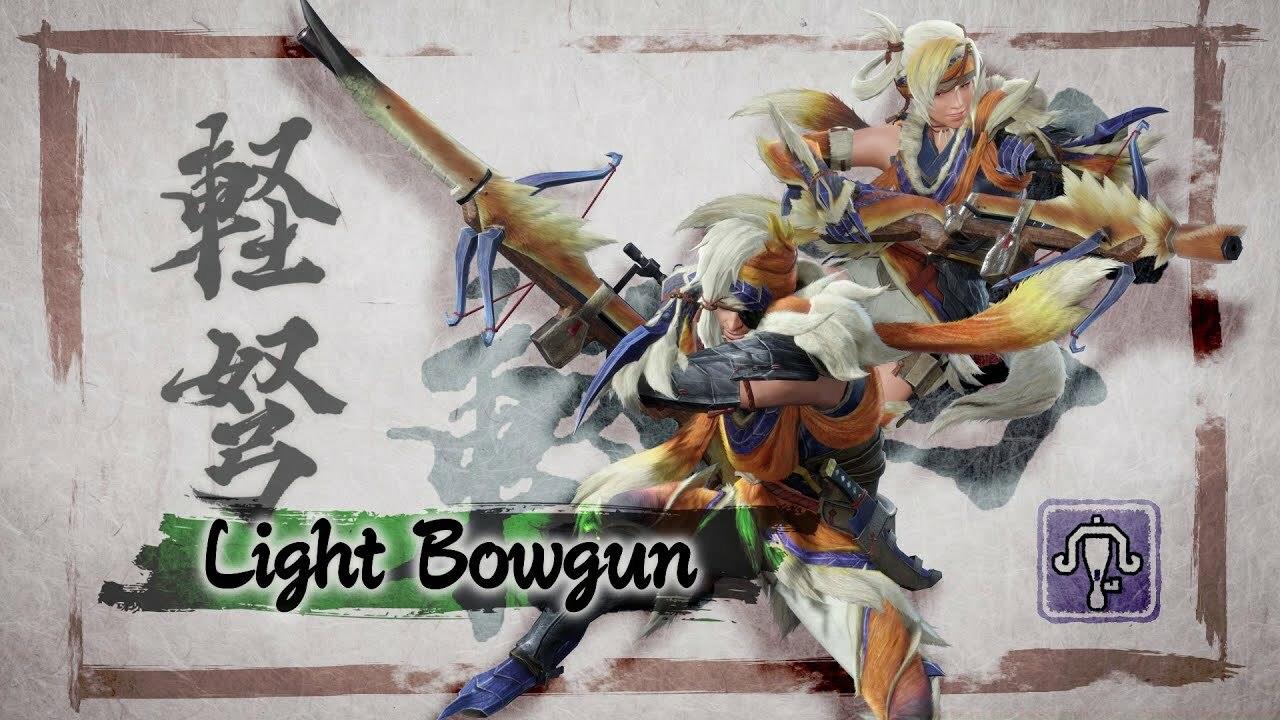
Light Bowgun
For enthusiasts of projectile combat, the Light Bowgun offers an appealing option. While it lacks the raw power of its heavier counterpart, it provides the closest experience to third-person shooter mechanics within Monster Hunter. When drawn, holding ZL repositions the camera behind your hunter, enabling dual analog movement and aiming controls. Though not exceptionally powerful, the Light Bowgun features rapid firing and reloading speeds, creating superior mobility and beginner accessibility compared to other ranged weapons. Remember that optimal Light Bowgun performance requires utilizing all available ammunition types, so ensure you’re adequately supplied with specialized ammo before embarking on hunts. Common Mistake: Neglecting to craft additional ammo during quests, leaving you ineffective against certain monster types.
[Jump to Top]
Heavy Bowgun
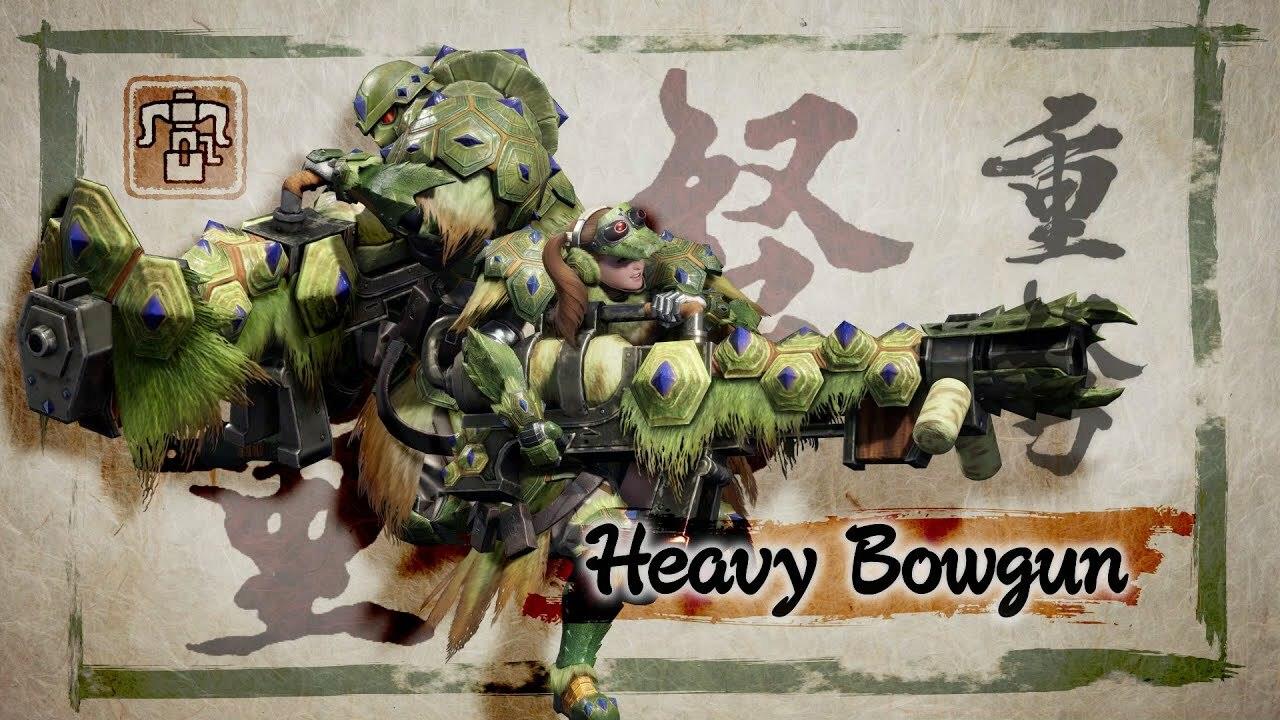
Heavy Bowgun
As indicated by its name, the Heavy Bowgun delivers significantly more impact than its lighter version. While fundamentally operating similarly to the Light Bowgun, it resembles and handles more like a rocket launcher, making it preferable for hunters prioritizing sheer firepower. The compromise for this enhanced strength is reduced operational speed; movement becomes sluggish when the weapon is drawn, and reloading requires more time. However, its projectiles inflict substantially greater damage, and Wirebug usage can partially offset the weapon’s mobility limitations. These characteristics make the Heavy Bowgun more appropriate for advanced players.
[Jump to Top]
Bow
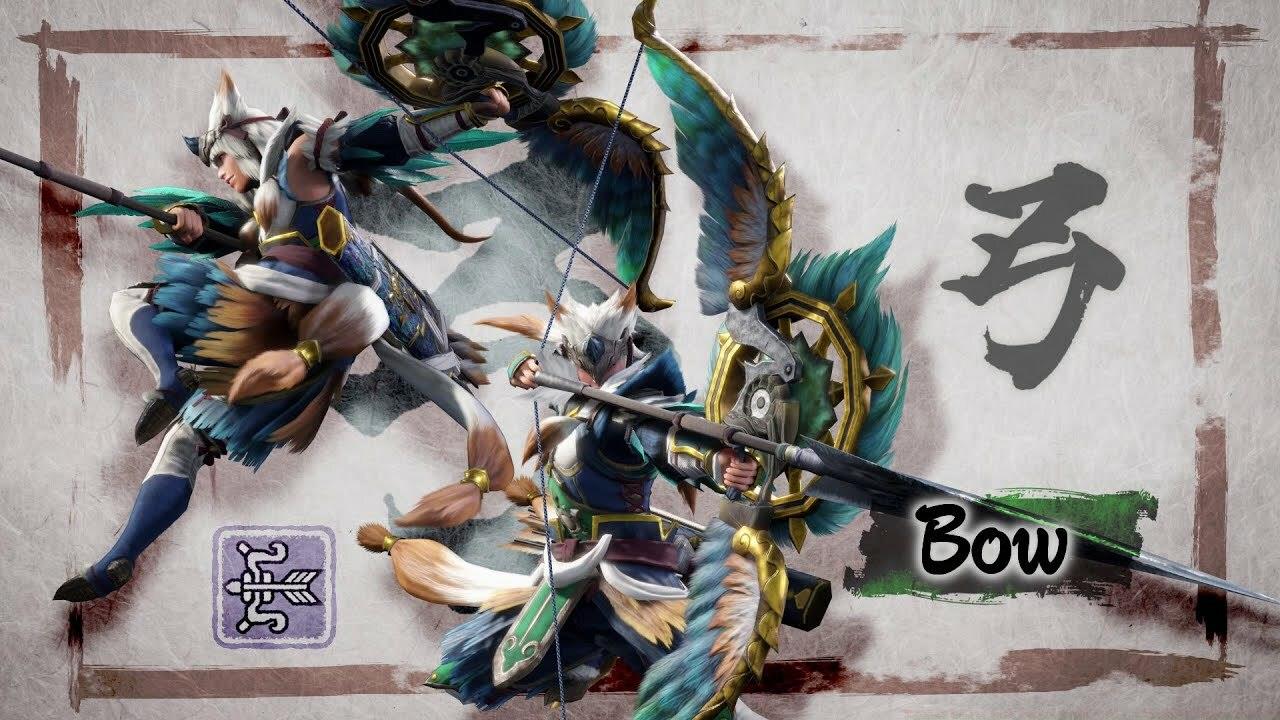
Bow
Despite its traditional appearance compared to other ranged options, the Bow arguably presents greater handling challenges due to its precision and timing requirements. It offers several advantages over bowguns however. Beyond charging shots by holding ZR, you can launch restorative arrows skyward to benefit yourself and teammates. To maximize weapon effectiveness, you must apply coatings to arrows, imbuing them with various properties to facilitate monster takedowns. Advanced Technique: Master the Dodgebolt switch skill for evasive counter-attacks that build charge levels rapidly.
[Jump to Top]
Other
Several of Monster Hunter Rise’s most sophisticated and functional weapons transcend conventional categorization. If you plan to utilize any mentioned below, understand that you’ll need either substantial experience or regular multiplayer hunting to fully utilize their capabilities.
Hunting Horn
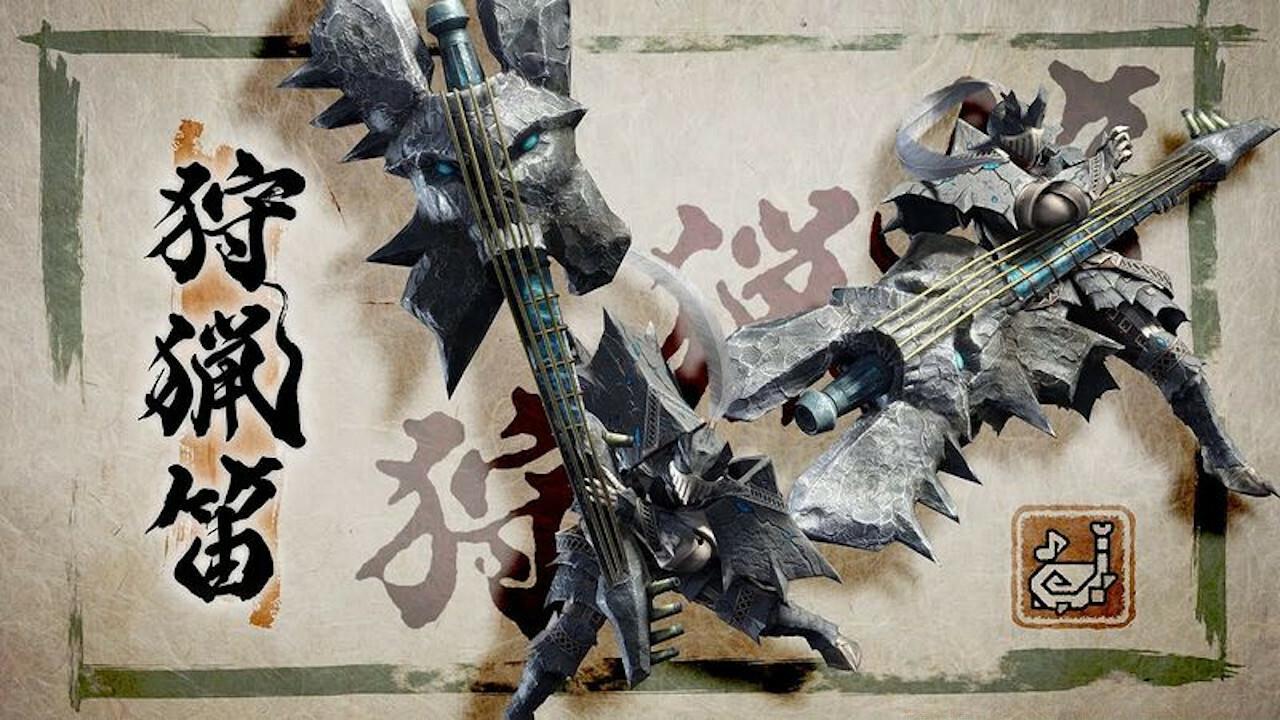
Hunting Horn
Superficially, the Hunting Horn operates similarly to other close-range blunt weapons, featuring an impressively acrobatic repertoire of powerful combos and setups with straightforward execution. Its most significant strengths derive from “song” performance capabilities, which unleash various attack chains while simultaneously enhancing your abilities and buffing teammates. This functionality establishes the Hunting Horn as an ideal support weapon, enabling enhancement of teammate attack and defense statistics, and even restoring group health (while maintaining damage output capacity). However, this also creates learning complexity, making it most suitable for cooperative play. Fortunately, its complexity has been significantly reduced compared to previous series entries, making this weapon far less intimidating than historically.
If you’re considering adopting the Hunting Horn, recognize that individual instruments vary significantly. When crafting new Hunting Horns at the Smithy, you’ll observe that different models possess unique buffs and song selections. Focus on buffs that optimally serve your hunting party’s needs, and you’ll extract substantial value from the Hunting Horn. Pro Tip: Memorize your horn’s song queue to perform melodies efficiently during combat lulls.
[Jump to Top]
Insect Glaive
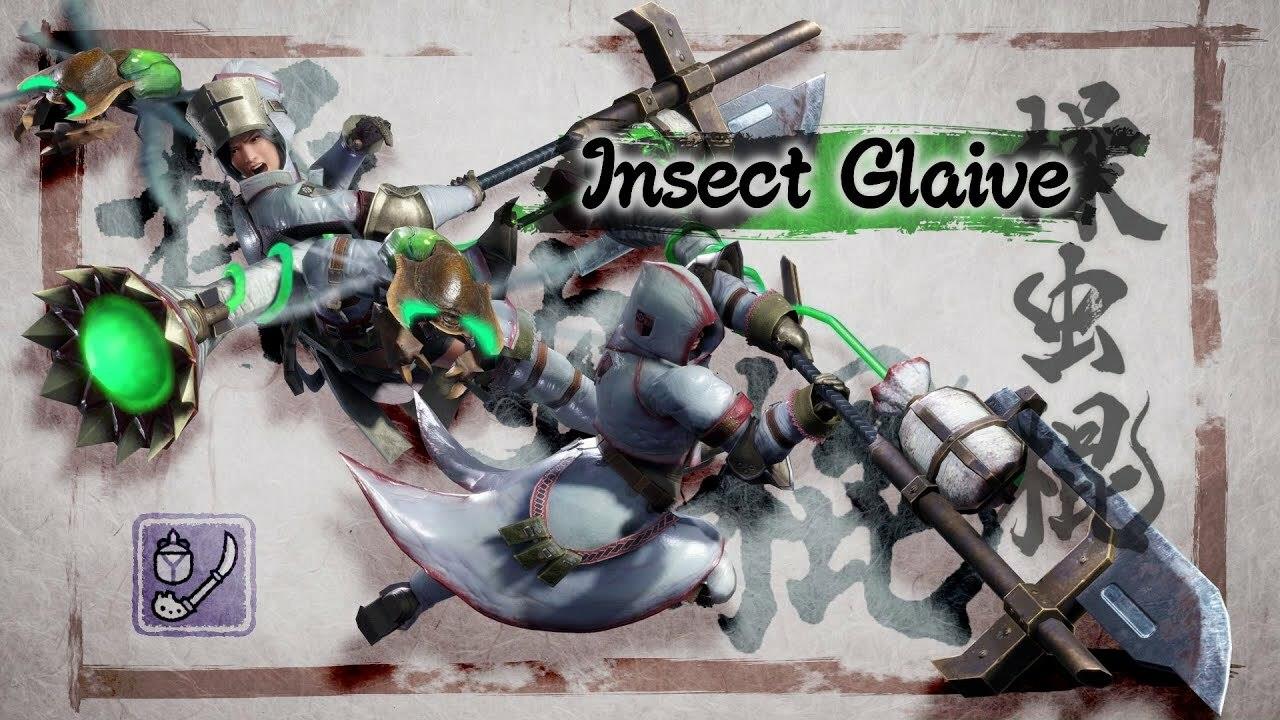
Insect Glaive
The Insect Glaive ranks among Monster Hunter Rise’s most advanced weapons, not due to difficulty of use, but because of mastery complexity. It’s an agile armament offering numerous swift attacks that can deliver quick damage during brief combat openings. You can also utilize the Insect Glaive to propel yourself airborne, unleashing assaults from above or executing evasive maneuvers–capabilities inherently unavailable to other weapons.
However, the Insect Glaive’s true complexity stems from Kinsect summoning and control mechanics. Beyond dealing damage, a Kinsect can harvest Extracts from monsters to amplify your combat capabilities. Complexity increases further when considering how Extract types vary based on targeted monster body parts, requiring manual marking beforehand. With the Insect Glaive, you must continuously evaluate multiple factors to unlock its full damage potential.
This weapon demands precision, deliberate action, and significant multitasking to execute optimal setups. Knowledgeable wielders will also exploit multiple Kinsect customization options at the Smithy, further expanding possibilities for those committed to learning this exceptional yet challenging weapon. Common Mistake: Neglecting to maintain triple Extract buffs (red/white/orange), significantly reducing damage output and mobility.
[Jump to Top]
Monster Hunter Rise is available on Nintendo Switch, with PC release scheduled for 2022. For additional Monster Hunter Rise guidance, consult the following resources.
Monster Hunter Rise Guides And News
- How To Kill Every Monster
- Essential Beginner And Advanced Tips
- How To Set Up Multiplayer
- + Show More Monster Hunter Rise Guides And News Links (7)
- Weapons Explainer – Which Weapon Is Right For You?
- Best Weapons For Beginners
- Buddy Explainer: How Palamutes And Palicoes Work
- Rampage Quest Tips And Explainer
- Amiibo Guide
- All The Best Armor We’ve Crafted (So Far)
- Monster Hunter Rise Review
For hunters who thrive in face-to-face confrontations, mastering close-quarters weaponry becomes essential for success. These melee options constitute the majority of Monster Hunter Rise’s arsenal, with their appeal stemming from remarkably diverse combat mechanics and specialized capabilities that cater to different playstyles.
Close-range combat demands understanding each weapon’s unique rhythm and learning when to engage versus when to retreat. The strategic depth comes from matching your preferred combat approach with the right tool for each hunting scenario.
The Sword & Shield combination stands as an ideal starting point for those new to monster hunting. Despite appearing less flashy than alternatives, this weapon pair delivers exceptional reliability and versatility. It enables rapid, decisive strikes that don’t demand frame-perfect execution to achieve effectiveness.
The accompanying shield provides crucial defensive utility, enabling you to bash creatures or assume protective stances to reduce incoming damage. As a lightweight armament, it maintains your mobility, letting you evade charging beasts with responsive dodging maneuvers.
Advanced Technique: Master the Perfect Rush combo by timing your inputs after a backstep evade for significantly increased damage. Many beginners overlook the shield’s offensive potential – well-timed shield bashes can interrupt monster attacks and create openings for your team.
Dual Blades cater to hunters prioritizing maximum mobility and intimate engagement distances. Their fundamental mechanics are accessible enough for novices while offering depth for mastery.
The weapon’s signature feature is Demon Mode, activated by pressing the block button to enter an enhanced state. This mode boosts your damage output and enables chainable rapid dashes. Maintaining Demon Mode builds your gauge toward Archdemon Mode, unlocking additional specialized assault techniques.
Combat Strategy: Success with Dual Blades demands relentless offensive pressure. While individual strikes deal modest damage, skilled users achieve exceptional DPS through sustained assault chains. The primary limitation is complete reliance on evasion since blocking and countering aren’t options.
Common Mistake: New users often drain their stamina completely in Demon Mode, leaving them vulnerable. Manage your stamina bar carefully by exiting Demon Mode periodically to recover.
Among Monster Hunter’s blade repertoire, the Great Sword delivers unparalleled raw destructive capability. This massive weapon inflicts catastrophic damage on monsters and can sever tails for additional crafting materials. However, this power carries significant tradeoffs.
As expected, the Great Sword operates slowly and clumsily; attack animations cannot be cancelled, and your mobility suffers dramatically when the weapon is unsheathed.
The Wirebug system helps mitigate these weaknesses. Execute Power Sheathe Silkbind maneuvers for rapid repositioning while gaining temporary attack enhancement. You can also press ZR with the Great Sword drawn to perform emergency blocks, crucial given your close-quarters combat requirements. Though challenging for newcomers, mastering this weapon brings immense satisfaction.
Positioning Tip: Learn monster attack patterns to position yourself where they’ll be when your charged strike lands. This foresight separates adequate Great Sword users from exceptional ones.
Alongside the Sword & Shield, the Long Sword represents one of the game’s most well-rounded armaments. It provides respectable swing velocity, impressive melee range, and straightforward combinations that welcome beginners. Its core mechanic centers on the spirit gauge system.
The objective involves building sufficient meter through combos to execute Spirit Roundslash techniques. Each successful hit with this move elevates your spirit gauge by one level, offering three total enhancement stages.
Each spirit level increase boosts the Long Sword’s damage potential. Your primary goal involves maintaining level three (red) spirit gauge consistently. Mastering techniques that flow into Spirit Roundslash represents the optimal approach for sustaining damage output and maintaining gauge levels.
Advanced Combo: Use Fade Slash to reposition while maintaining combo momentum, then follow with Spirit Blade attacks to build your gauge efficiently.
The Hammer suits hunters who enjoy being immersed in combat intensity. Despite limited reach, it delivers tremendous striking force and excels at staggering opponents. Concentrate attacks on monster heads to create stunning opportunities, enabling your hunting party to unleash coordinated assaults.
This raw power carries disadvantages, however. Hammer wielders cannot block attacks, and since you’ll often confront monsters directly, you’ll frequently face retaliation. Fortunately, unlike the Great Sword, you maintain mobility while charging Hammer attacks, preventing complete immobilization.
Charge Management: Different charge levels enable various attacks – level one for quick hits, level two for uppercuts, and level three for powerful slam combinations.
Team Play: Coordinate with teammates to maximize stun opportunities. When you stun a monster, communicate so your party can prepare their most damaging attacks during the vulnerable window.
The Insect Glaive stands apart as a weapon demanding exceptional precision, deliberate execution, and sophisticated multi-tasking capabilities to unleash its most powerful combinations. Unlike simpler weapons, it requires simultaneous management of positioning, attack timing, and Kinsect commands. Strategic hunters further amplify their effectiveness by leveraging the extensive customization options available for their Kinsect companion at the Smithy, dramatically expanding the tactical possibilities for dedicated practitioners of this high-skill ceiling armament.
Monster Hunter Rise currently delivers its immersive hunting experience on Nintendo Switch platforms, with PC enthusiasts anticipating the scheduled 2022 release. For comprehensive Monster Hunter Rise guidance covering all weapon types and advanced strategies, explore our detailed resource collection below. New hunters should consult our Class Guide to understand fundamental combat roles and specialization options.
Comprehensive Monster Hunter Rise Guides And Strategic Resources
Action Checklist
- Test all 14 weapon types in training area to assess basic feel and mobility
- Select 2-3 promising weapons for further experimentation in low-rank hunts
- Master basic combos and mechanics for your chosen weapons through repeated practice
- Learn advanced techniques like silkbind skills and optimal positioning for your weapon type
- Expand your arsenal by learning additional weapons to counter specific monster types effectively
- Test 2-3 weapon types in Training Area to identify preferred combat style
- Master core mechanics: Spirit Gauge (Long Sword), Demon Mode (Dual Blades), Phials (Charge Blade)
- Practice advanced techniques: Perfect Rush (S&S), Impact Crater (Hammer), Dodgebolt (Bow)
- Learn optimal combos for your chosen weapon against different monster types
- Customize your loadout with appropriate armor skills and weapon upgrades
- Practice Sword & Shield perfect rush combos after evading
- Master Dual Blade stamina management in Demon Mode
- Learn Great Sword positioning against predictable monster patterns
- Practice Long Sword Fade Slash into Spirit Blade combos
- Coordinate Hammer stuns with teammate damage rotations
- Practice extract collection timing on low-threat monsters for 15-20 minutes daily
- Experiment with different Kinsect types at the Smithy to identify your preferred combat style
- Master the aerial evasion and mounting combo by practicing on inclined terrain
- Study monster attack patterns to optimize your Kinsect command placement for maximum extract efficiency
No reproduction without permission:SeeYouSoon Game Club » Monster Hunter Rise Weapon Guide – What’s The Best Weapon For You?