
TL;DR
- Sunbreak adds 17 total monsters with only 4 being completely new designs
- Subspecies feature elemental changes and enhanced abilities while retaining core movesets
- Proper elemental resistance gear is essential for surviving subspecies encounters
- Future updates will introduce additional monsters beyond the initial expansion
- Understanding subspecies behavior patterns significantly improves hunt success rates
The Sunbreak expansion significantly enhances Monster Hunter Rise’s creature roster with a substantial addition of 17 new monsters, bringing the complete count to 54 formidable creatures to hunt. However, veteran hunters will recognize many of these additions from previous Monster Hunter titles or as variations of existing monsters.
Among these 17 additions, only 4 represent completely original monster designs never seen before in the series. The remaining 13 consist of subspecies derived from base game monsters or returning favorites from earlier installments. This strategic mix provides both fresh challenges for experienced players and nostalgic encounters for long-time fans.
Capcom has strategically teased two additional monsters scheduled for future updates, indicating ongoing content support beyond the initial expansion release. This approach maintains player engagement while expanding the endgame content ecosystem.
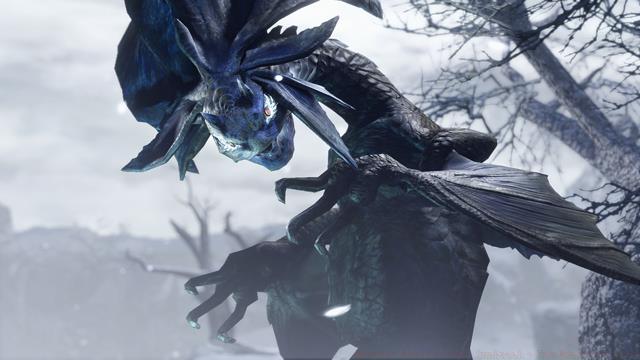
Aurora Somnacanth represents the subspecies approach – familiar yet dangerously different.
Subspecies in Monster Hunter Rise: Sunbreak follow established series patterns – they maintain similar behavioral patterns to their base counterparts but introduce significant combat enhancements and elemental variations. These changes transform familiar encounters into substantially more dangerous engagements requiring adapted strategies.
The primary differentiation typically involves elemental attack modifications, where monsters exchange their original elemental affinities for new, often more dangerous alternatives. These elemental shifts necessitate different armor sets and resistance preparations from hunters.
Beyond elemental changes, subspecies frequently gain new attack patterns, enhanced movement capabilities, and increased aggression levels. However, their core behavioral rhythms and attack telegraphing often remain recognizable to hunters familiar with the original versions.
Understanding these mechanical changes is crucial for successful hunts. Subspecies typically possess higher health pools, deal more damage, and exhibit improved AI behaviors that make them more challenging than their base game counterparts.
Aurora Somnacanth transforms the sleep-inducing original into an ice-element threat. Instead of generating sleep clouds, it creates slippery ice surfaces that impair hunter mobility while employing freezing breath attacks that can quickly drain health and cause iceblight.
Blood Orange Bishaten exchanges poison fruit for explosive pinecones that create area-denial hazards. Its core movement patterns remain similar, but the explosive additions require constant spatial awareness and timely evasion.
Furious Rajang maintains its enraged state throughout the entire encounter, resulting in dramatically increased speed and aggression. Its electrical attacks become more frequent and devastating, demanding perfect dodging and counter-attack timing.
Magma Almudron substitutes water manipulation for molten magma control. This elemental shift makes its attacks more damaging and creates persistent environmental hazards that limit safe positioning options.
Pyre Rakna Kadaki enhances the already frustrating base species with explosive capabilities. It spawns Pyrantula minions that function as living bombs, creating unpredictable explosive patterns throughout the arena.
Scorned Magnamalo represents a larger, more powerful variant with enhanced physical capabilities. Its increased size and strength make familiar attacks more dangerous while its hellfire blight becomes even more punishing.


Successfully hunting Sunbreak’s new monsters requires strategic preparation beyond simple gear upgrades. Elemental resistance becomes critically important when facing subspecies, as their modified elemental attacks can quickly overwhelm unprepared hunters.
Common mistakes include underestimating the speed increases of enraged subspecies and failing to adapt to new environmental hazards. Always study monster patterns in lower-rank quests before attempting high-rank subspecies variants.
For optimization, consider creating specialized loadouts for each subspecies type. Weapons with opposing elements often provide significant advantages, while armor skills that mitigate specific status effects can dramatically improve survival rates.
Advanced hunters should coordinate with party members to cover multiple elemental resistances and bring complementary weapon types. This approach ensures your hunting party can handle any subspecies encounter effectively.
Action Checklist
- Research each subspecies’ elemental changes and prepare corresponding resistance gear
- Practice against base monsters to understand core movement patterns before subspecies encounters
- Create specialized item loadouts including elemental resistance consumables and healing items
- Coordinate with hunting party members to ensure coverage of multiple weapon types and elemental defenses
- Study attack pattern changes through observation runs before committing to full hunts
No reproduction without permission:SeeYouSoon Game Club » Monster Hunter Rise: Sunbreak – New Monsters Guide Complete guide to Sunbreak's 17 new monsters with strategies, subspecies analysis, and combat tips