
TL;DR
- Enchanting transforms basic gear into powerful assets that dramatically reduce resource grind
- Strategic bookshelf placement and experience level management are crucial for optimal results
- Advanced players should master book enchanting for precise control over gear customization
- Common mistakes like random enchanting waste valuable resources and experience points
- Disenchantment provides resource recovery but requires careful strategic planning
Enchanting represents one of Minecraft’s most transformative mechanics, fundamentally altering how you interact with the game world. Moving beyond basic survival requires embracing this system to gain significant advantages.
Once you’ve established your initial base and survived the critical first nights, enchanting becomes essential for long-term progression. This system allows you to enhance tools, weapons, and armor with magical properties that dramatically reduce resource gathering time and combat difficulty. What once posed serious threats becomes manageable with properly enchanted equipment.
This comprehensive guide provides everything needed to master enchanting, from basic table construction to advanced optimization techniques. You’ll learn not just how to enchant, but when and why specific approaches yield the best results.
Note: This guide focuses on the Bedrock version of Minecraft, available on Windows 10, Xbox, PlayStation, Switch, and mobile.
For players seeking to maximize their combat effectiveness, our Weapons Unlock guide offers complementary strategies for gear optimization.
Your enchanting journey begins with constructing the essential Enchanting Table. While none of the required components are exceptionally rare, they do demand strategic resource gathering and preparation.
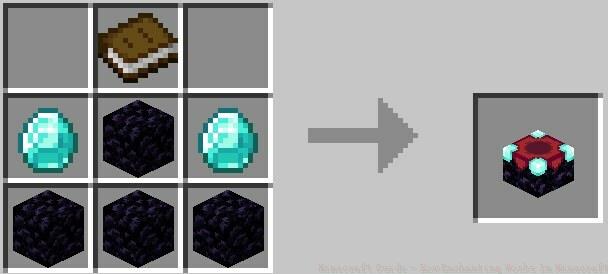
The core components include 4 obsidian blocks, 2 diamonds, and 1 book. Obsidian requires mining with a diamond pickaxe after creating it with water and lava interactions. Diamonds typically appear between layers 1-15, requiring iron or better pickaxes for extraction. Books are crafted from leather and paper, with leather obtained from cows and paper from sugarcane.
Pro Tip: Create your enchanting table near your primary storage area but ensure adequate space for bookshelf placement. The ideal location combines accessibility with expansion potential for future upgrades.
Beyond the basic table, successful enchanting requires several key resources. Experience levels form the currency for enchantments, while lapis lazuli serves as the required material component for the process.
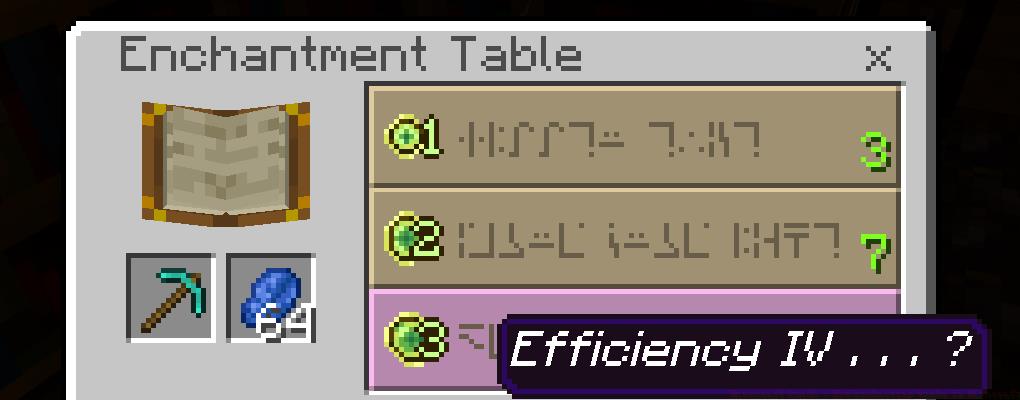
Experience points are gathered through various activities including mining, farming, breeding animals, and defeating mobs. Lapis lazuli is mined from blue ore blocks typically found at lower depths, similar to diamond distribution patterns.
Advanced Strategy: Maintain multiple experience farms to ensure consistent level availability. A mob grinder, crop farm, and animal breeding setup can provide renewable experience sources. For comprehensive gameplay strategies, our Complete Guide offers additional progression techniques.
Common Mistake: Many players attempt high-level enchantments without adequate experience reserves, resulting in wasted lapis and suboptimal results. Always maintain at least 10-15 levels above your target enchantment requirement.
With your table constructed and materials gathered, you’re ready to begin the actual enchanting process. The interface displays three potential enchantments with varying level costs and possible outcomes.
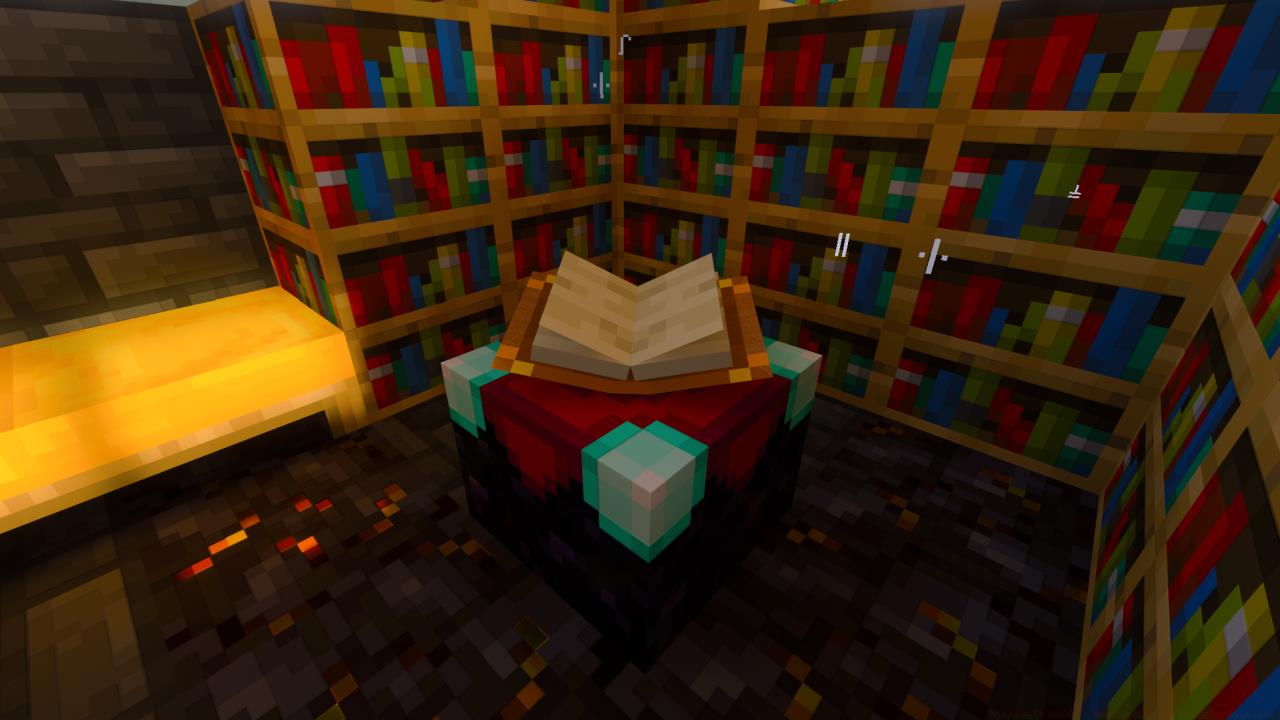
Higher-level enchantments typically provide better results but require more experience and lapis. The available options are influenced by nearby bookshelves, with maximum power achieved at 15 bookshelves placed one block away from the table.
Optimization Technique: Place bookshelves in a precise arrangement around your enchanting table. They must be exactly one block away with no obstructions between them and the table. Glass blocks can maintain the connection while providing access.
Critical Insight: Enchantment outcomes follow specific probability distributions rather than pure randomness. Understanding these patterns allows for strategic enchantment sequencing to maximize desirable results.
Enchanted books provide superior control over the enchanting process, allowing you to apply specific enchantments to chosen items. This method requires an anvil but offers precision unmatched by direct table enchanting.
Creating enchanted books involves using the enchanting table on blank books, then combining them with target items on an anvil. This approach consumes additional experience but eliminates the randomness of direct item enchanting.
Advanced Combination: Multiple enchantments can be stacked on single items through careful book combination. Start with cheaper enchantments and gradually add more expensive ones to minimize total experience cost.
Pro Tip: Librarian villagers offer enchanted books in exchange for emeralds, providing an alternative acquisition method. This approach can save significant time compared to manual enchanting for specific rare enchantments.
For players focusing on character specialization, our Class Guide provides complementary strategies for role optimization.
Many players encounter frustrating results due to common enchanting errors. Understanding these pitfalls before beginning can save valuable resources and frustration.
Mistake #1: Enchanting low-durability tools wastes experience and materials. Always repair items to full durability before enchanting to maximize value.
Mistake #2: Randomly selecting enchantments without strategic planning often yields suboptimal combinations. Research desired enchantment synergies before committing resources.
Mistake #3: Insufficient bookshelf placement results in weaker available enchantments. Verify your bookshelf arrangement meets the 15-shelf maximum before expensive enchantments.
Advanced Avoidance: Create backup save points before major enchanting sessions, especially when attempting high-level combinations with rare materials.
The grindstone provides disenchantment capabilities, allowing you to remove enchantments from items while recovering some experience. This mechanic offers strategic resource management options.
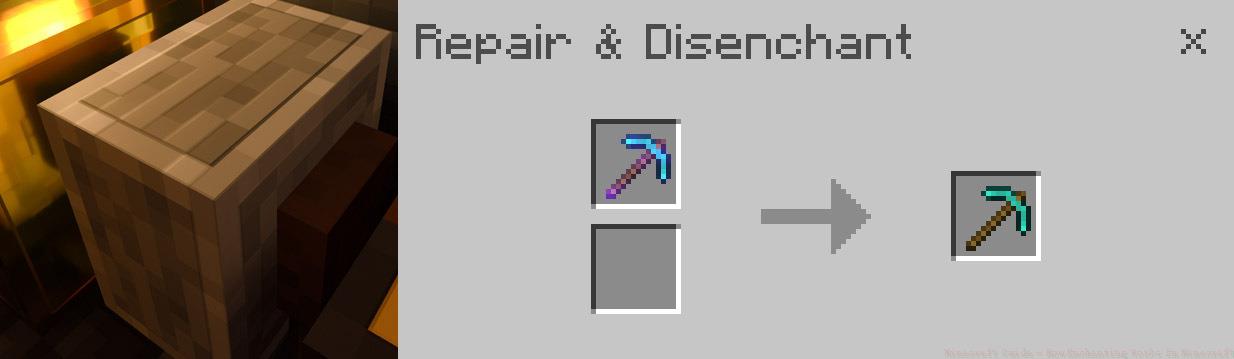
Disenchanting destroys the item’s enchantments but returns experience points based on the enchantment’s level and type.
Strategic Application: Use disenchantment to recycle unwanted enchanted items found during exploration or to correct enchanting mistakes on valuable gear.
Limitation Awareness: Disenchantment doesn’t recover lapis lazuli or the item itself if enchanted books are used. Plan disenchantment sessions to maximize experience recovery while minimizing permanent resource loss.
Advanced Technique: Combine disenchantment with villager trading for optimal resource efficiency. Trade for enchanted books with undesirable enchantments, then disenchant them for experience recovery.
Action Checklist
- Gather 4 obsidian, 2 diamonds, and 1 book for enchanting table
- Construct and strategically place 15 bookshelves around your table
- Establish experience farms (mob grinder, crop farm) for level sustainability
- Practice book enchanting with anvil for precise control
- Implement strategic disenchantment for resource recovery
No reproduction without permission:SeeYouSoon Game Club » Minecraft Guide – How Enchanting Works In Minecraft Master Minecraft enchanting with expert strategies, common pitfalls to avoid, and advanced optimization techniques