
TL;DR
- Resolute provides positive stress outcomes while Meltdown causes severe party damage
- Stress management requires strategic hero selection and skill investment
- Affinity relationships are critically impacted by stress resolution outcomes
- Neither Meltdown nor Resolute statuses are permanent unlike the first game
- Advanced preparation at Inns significantly reduces expedition stress risks
The relentless pressure of Darkest Dungeon II’s stress system constantly threatens your party’s stability, requiring vigilant management to prevent catastrophic breakdowns.
Darkest Dungeon II’s signature stress mechanic continuously accumulates across your party members, creating tension that demands strategic intervention. Understanding the nuanced triggers and outcomes becomes essential for survival in this punishing roguelike environment. Some stress management techniques provide sustainable solutions for maintaining hero effectiveness, while others offer only temporary relief before the psychological burden inevitably resurfaces.
This comprehensive guide examines the redesigned Resolute mechanic introduced in The Void Between Us January 2023 update, which fundamentally altered how characters handle extreme stress levels. The revised system creates more dynamic tension while providing occasional positive outcomes from dire situations.
In the original Darkest Dungeon, reaching maximum stress triggered a resolution moment that typically resulted in negative permanent traits requiring town treatment. The sequel’s overhaul preserves the suspenseful tension but implements more varied and immediate consequences.
Following The Void Between Us update, characters reaching peak stress now face either devastating Meltdowns or rare Resolute breakthroughs. While Meltdowns occur more frequently in this challenging game, the possibility of positive resolutions introduces strategic depth to stress management decisions.
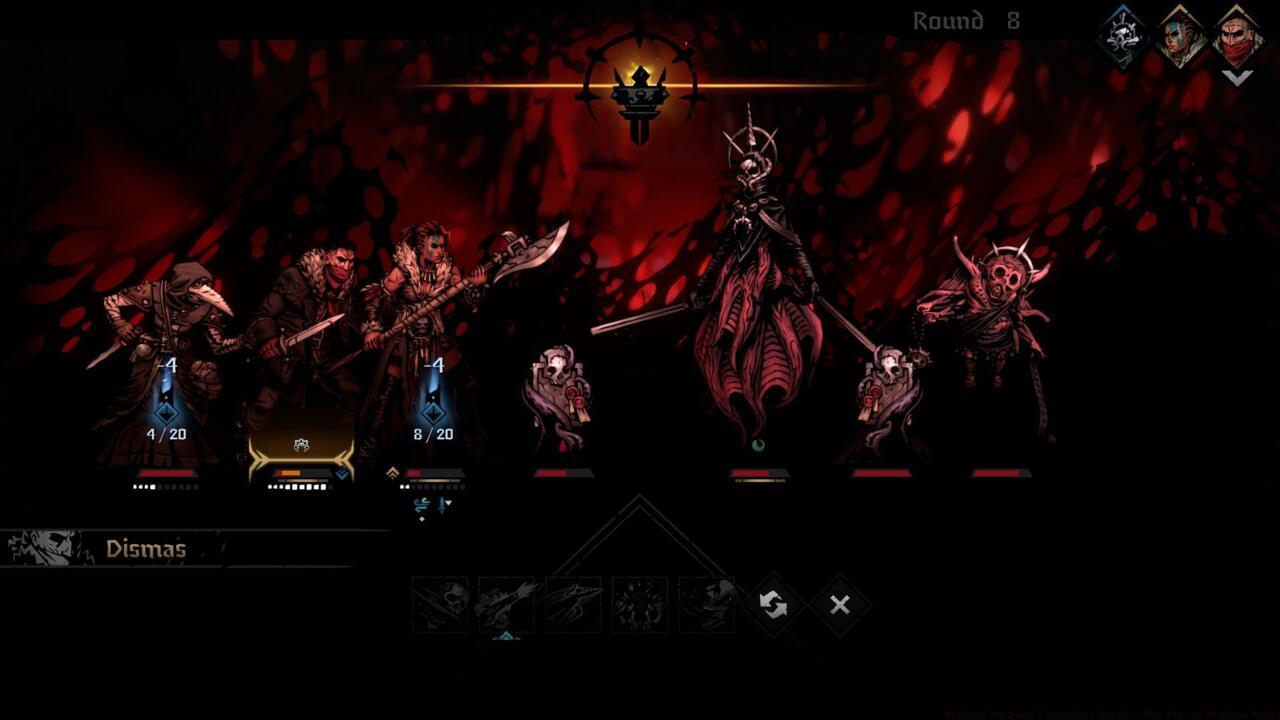
Meltdown consequences severely impact party dynamics and combat effectiveness.
Both resolution states dramatically influence party Affinity relationships alongside immediate health and status effects, with outcomes ranging from beneficial to catastrophic. Practical observations reveal Resolute can provide substantial benefits like 30 HP recovery, while Meltdowns may inflict devastating four-point Affinity losses that cripple party synergy. These stress resolution moments represent critical turning points in any expedition.
Proactive stress control remains the cornerstone of successful Darkest Dungeon II expeditions, requiring systematic approaches to psychological management.
The fundamental principle involves maintaining hero stress levels through consistent intervention rather than reactive measures. Strategic class selection proves crucial—specialists like the Jester and Plague Doctor possess abilities specifically designed to alleviate group stress accumulation. Investing skill points in stress-reduction capabilities often determines whether parties survive extended journeys intact.
Inn visits provide critical opportunities for stress mitigation through purchasable items that temporarily reduce psychological burdens. Proper preparation before embarking on subsequent expeditions significantly decreases the likelihood of catastrophic stress events during critical encounters.
Fortunately, neither Meltdown nor Resolute conditions become permanent character traits unlike the first installment. These temporary status effects create immediate tactical challenges rather than long-term liabilities, allowing recovery through proper management.
While Resolute occurrences remain uncommon, consistent observation confirms they appear regularly across multiple playthroughs post-update. Deliberately maintaining high stress levels to trigger potential positive outcomes represents risky strategy, though occasionally these breakthroughs provide unexpected salvation during desperate situations.
Mastering stress mechanics requires understanding both optimal practices and frequent player mistakes that undermine expedition success.
Strategic Party Composition: Building teams with complementary stress management capabilities dramatically improves sustainability. Pair stress-resistant frontliners with support classes possessing stress-reduction abilities to create resilient compositions. Consider bringing multiple stress-management specialists for particularly demanding regions or boss encounters.
Common Management Errors: Many players underestimate the cumulative nature of stress, allowing minor accumulations to escalate into crises. Another frequent mistake involves conserving stress-reduction abilities for “emergencies” rather than using them proactively to prevent critical levels.
Advanced Timing Strategies: Coordinate stress reduction with known difficult encounters, ensuring parties enter challenging battles with manageable stress levels. Plan routes that include regular access to stress-relief opportunities rather than maximizing distance between safe points.
Resource Allocation: Budget significant currency for stress-reduction items at Inns, treating psychological management with equal importance to healing and equipment upgrades.
For comprehensive guidance on expedition fundamentals, consult our Complete Guide to foundational strategies. When optimizing combat effectiveness, our Weapons Unlock strategies provide parallel advancement systems. Effective Class Guide principles translate well to party composition planning in Darkest Dungeon II.
Action Checklist
- Regularly monitor stress levels and intervene before reaching 75% capacity
- Invest in Jester or Plague Doctor stress-reduction skills early in runs
- Purchase stress-reduction items at every Inn visit as priority expenditure
- Balance party composition with at least one dedicated stress-management specialist
- Plan expedition routes to include regular stress-relief opportunities
No reproduction without permission:SeeYouSoon Game Club » Darkest Dungeon 2 Resolute Guide – How Stress Resolve Works Master Darkest Dungeon II's stress mechanics with expert strategies for Meltdown prevention and Resolute triggering