
TL;DR
- Stress management is critical – prevent meltdowns to avoid relationship damage and negative quirks
- Always equip trinkets and combat items, matching gear to anticipated enemy types and environmental hazards
- Proactively engage battles to reduce Loathing levels and maintain Hope torch effectiveness
- Use hospitals strategically to remove detrimental quirks and inns to improve character relationships
- Advance hero stories at Shrines of Reflection for permanent ability upgrades across future runs
Darkest Dungeon II transitions your adventure from claustrophobic dungeons to treacherous roads, introducing complex new systems that will rigorously test your party’s mental fortitude and combat efficiency. The sequel demands mastery of psychological dynamics alongside traditional tactical combat.
As emphasized in the opening narrative, Darkest Dungeon II revolves around extracting victory from seemingly hopeless circumstances. Your carriage-bound heroes traverse a world teetering on the brink of annihilation, where internal conflicts often prove more dangerous than external threats. The psychological strain of confronting cosmic horrors can rapidly erode party cohesion, turning allies into adversaries.
While the game provides basic tutorials, they frequently lack the practical depth needed to prevent expedition collapses. This guide delivers comprehensive strategies for navigating Darkest Dungeon II’s most challenging aspects, from relationship management to strategic resource allocation in seemingly unwinnable scenarios.
Building upon the original game’s foundation, psychological stress returns as a central mechanic with expanded significance. Each character features a white stress meter positioned below their health bar, gradually filling as encounters grow more perilous. Though perfect stress management remains unattainable, minimizing accumulation through proactive measures significantly improves survival odds.
When a hero reaches maximum stress during combat, they experience a catastrophic Meltdown. This devastating event substantially reduces their health and typically imposes new negative traits called Quirks. Meltdowns inflict collateral damage beyond individual characters, severely compromising inter-party relationships. Negative relationships manifest during battles through character conflicts, ability interference, stress infliction, and debilitating status effects. The cascading consequences of unchecked stress necessitate carrying stress-reduction items like Laudanum for emergency management between inn visits.
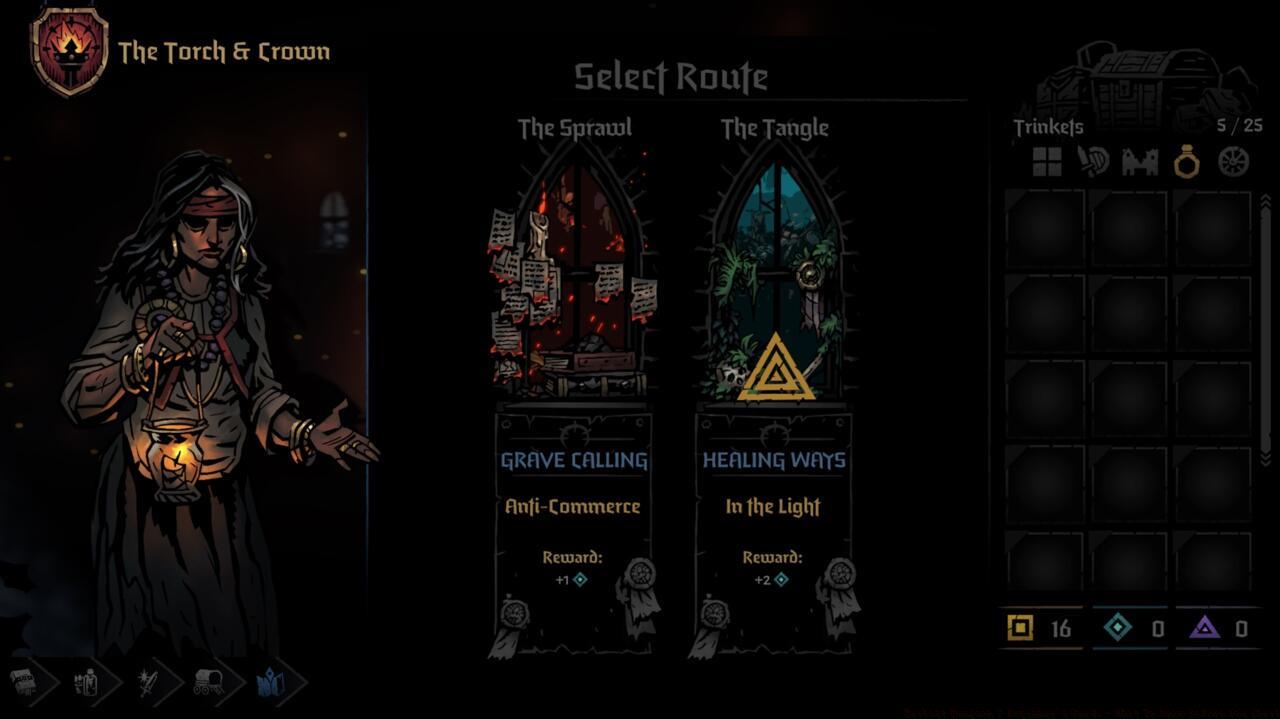
Strategic path selection and gear preparation dramatically influence expedition success rates and survival duration.
Advanced preparation through route analysis and strategic equipment allocation provides your best defense against the game’s relentless challenges.
Darkest Dungeon II’s core loop involves navigating diverse regions toward the malevolent mountain dominating the horizon. Your path choices and character outfitting represent the primary tools for preserving your party’s viability.
Before departing any location—and whenever necessary during your journey—meticulously review each character’s equipment screen. Ensure all available Trinket slots contain beneficial items and that every party member carries Combat Items. Leaving these slots empty constitutes a critical strategic error that compounds difficulty unnecessarily.
Equipment selection should directly correspond to your chosen route and anticipated threats. The path selection interface preceding departure from each inn reveals expected encounter types and predominant damage varieties. Routes emphasizing Fire attacks, for example, warrant equipping Burn resistance trinkets and fire-specific healing items. Maintain comprehensive Combat Item inventories at all times, prioritizing healing and utility options. Utilize items proactively rather than hoarding them, as inventory capacity constraints prevent excessive accumulation.
Each inn visit incrementally increases the world’s Loathing level, tracked in the screen’s upper-left corner. Accumulating Loathing generates progressively severe detrimental effects, including increased random battle frequency and accelerated Hope torch depletion. Diminishing Hope intensifies character stress while empowering enemies with combat advantages.
Strategic battle engagement provides the most effective Loathing reduction method. Successfully completing Lair encounters, Cultist confrontations, or other combat scenarios decreases overall Loathing. Reduced Loathing levels persist until reaching the next inn, creating extended windows of reduced difficulty. Early-expedition battle engagement establishes favorable conditions that persist throughout your journey, enhancing survival probability and team stability.

Maintaining positive inter-character relationships requires constant attention but yields substantial combat benefits.
Consistent relationship maintenance, though challenging, provides crucial protection against cascading negative consequences during critical encounters.
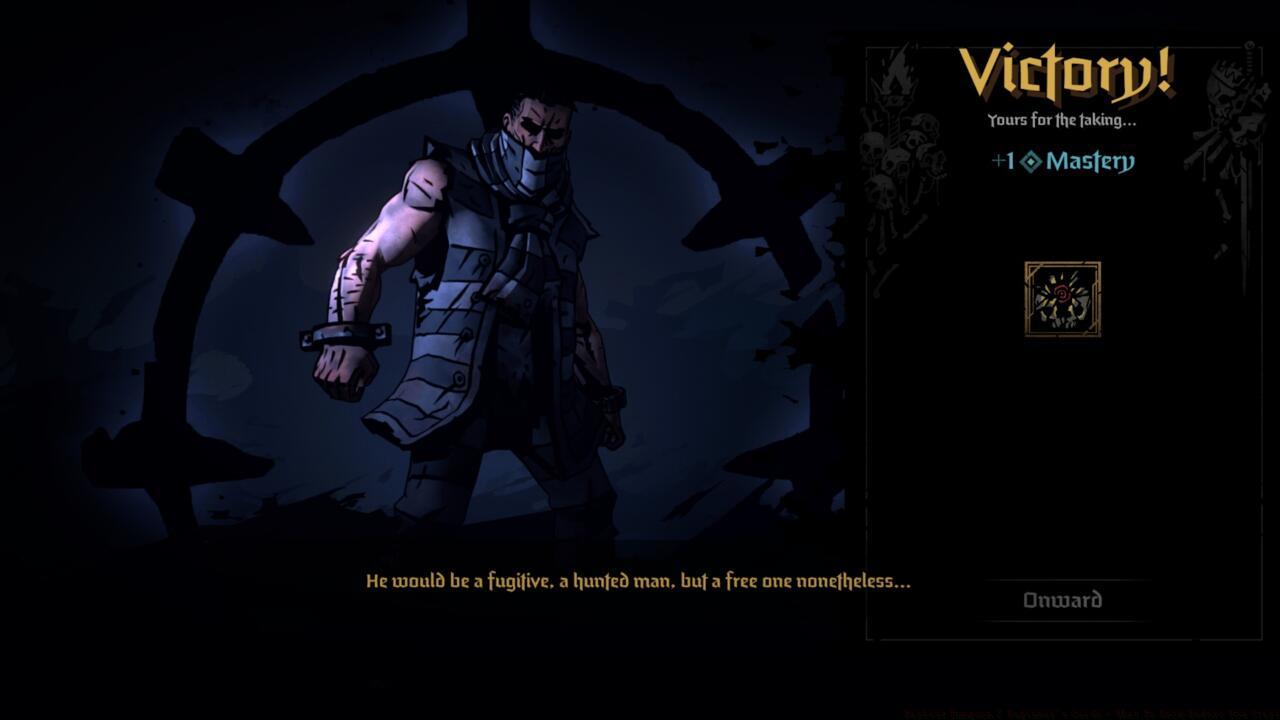
Shrines of Reflection offer critical character progression opportunities that transcend individual expeditions.
Hospital locations provide specialized services for removing detrimental quirks acquired through meltdowns or specific encounters. Strategic hospital utilization cleanses characters of accumulated negative traits, restoring combat effectiveness and relationship potential.
Hero story advancement through Shrine visits unlocks permanent ability upgrades and new combat options that persist across all future gameplay sessions. These narrative-driven progression elements substantially enhance character capabilities over multiple expedition attempts.
Inn interactions facilitate relationship improvement through shared activities and conversation opportunities. Positive relationship development generates combat synergies, including coordinated attacks, stress reduction, and ability enhancements.
Action Checklist
- Analyze route options and equip region-specific trinkets before departure
- Distribute combat items to all party members, ensuring no empty slots remain
- Engage 1-2 battles early in each region to reduce Loathing accumulation
- Monitor stress levels and use Laudanum before reaching critical thresholds
- Visit Shrines of Reflection whenever available to advance hero stories
No reproduction without permission:SeeYouSoon Game Club » Darkest Dungeon 2 Beginner’s Guide – What To Know Before You Start Master Darkest Dungeon II's psychological warfare and strategic survival mechanics with expert guidance