
Master the Monaco GP in F1 25 with this optimized car setup guide featuring advanced racing strategies
Understanding Monaco’s Unique Racing Challenge
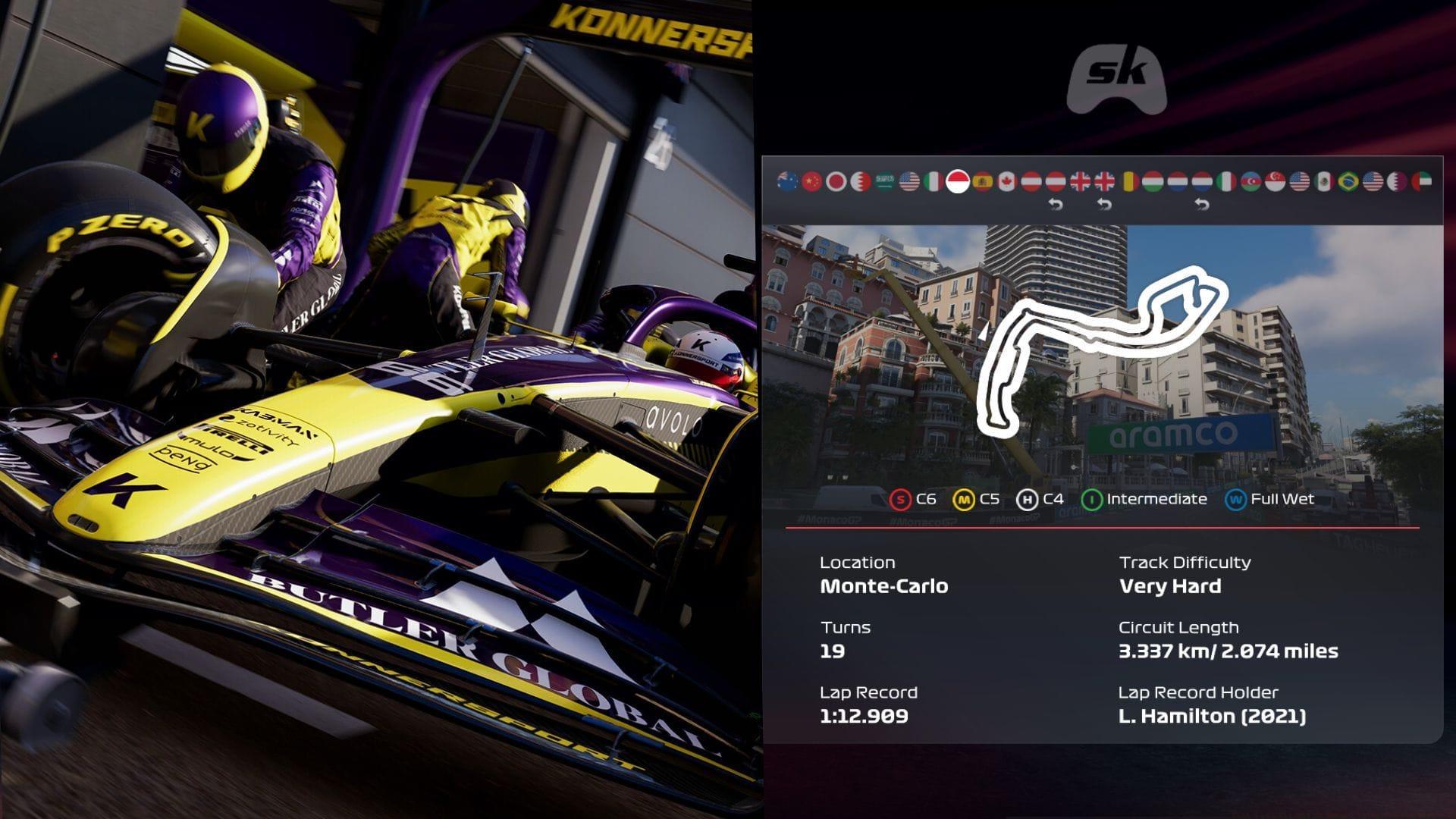
The Monaco Grand Prix stands as Formula 1’s most iconic street circuit, combining historic prestige with extreme technical difficulty. This legendary track demands unparalleled precision from drivers in F1 25, particularly when rain transforms the already slippery surface into a treacherous challenge.
Monaco’s narrow streets and constant directional changes require a setup prioritizing mechanical grip over raw speed. The circuit features numerous elevation changes, tight hairpins, and minimal runoff areas where even minor errors can result in race-ending collisions with barriers.
Successful navigation requires understanding three critical elements: the circuit’s unique rhythm, the importance of qualifying position, and how to manage tyre wear across the race distance. Mastering these aspects separates podium finishers from those struggling to complete the race.
Optimal Car Setup Configuration
Conquering Monaco requires meticulous car configuration focused on maximizing mechanical grip and traction. Here’s the comprehensive setup that delivers competitive performance:
- Differential Adjustment On Throttle: 100%
- Differential Adjustment Off Throttle: 15%
- Front Anti-Roll Bar: 15
- Rear Anti-Roll Bar: 21
- Front Right Tyre Pressure: 29.5 psi
- Front Left Tyre Pressure: 29.5 psi
- Rear Right Tyre Pressure: 21 psi
- Rear Left Tyre Pressure: 21 psi
This high-downforce configuration with 25/25 aerodynamics generates exceptional grip through Monaco’s sequence of tight corners. The balanced approach provides stability for attacking curbs while maintaining precision to avoid the ever-present barrier risks.
The fully locked on-throttle differential ensures maximum rear-end stability during acceleration from slow-speed corners like the Grand Hotel Hairpin and Rascasse. Meanwhile, the minimal off-throttle setting promotes sharper turn-in response for navigating the circuit’s constant directional changes.
Suspension tuning employs a stiffer front anti-roll bar (15) paired with a softer rear (21), creating optimal weight transfer characteristics for Monaco’s bumpy surface and frequent elevation changes. This combination helps maintain consistent platform stability through chicanes and over crests.
Advanced Racing Strategies
Beyond car setup, mastering Monaco requires sophisticated race strategy and driving techniques. The circuit’s narrow nature makes overtaking exceptionally difficult, emphasizing the critical importance of qualifying performance.
Corner exit traction becomes paramount for building momentum through Monaco’s technical sections. Focus on smooth throttle application when exiting slow corners, using the 100% on-throttle differential to maximize acceleration without inducing wheelspin that could compromise tyre life.
Brake management proves crucial with the 100% brake pressure and front-biased balance. This configuration allows confident late braking into Sainte Dévote and other tight corners while preventing rear instability. Practice threshold braking to find the latest possible braking points without locking fronts.
Pit stop strategy requires careful planning since Monaco’s narrow pit lane and difficult overtaking often make track position more valuable than fresh tyres. Consider extending stints when possible, but monitor tyre wear closely as degraded rubber significantly impacts lap times.
Common Mistakes to Avoid
Many drivers struggle at Monaco due to preventable errors in both setup choices and race execution. Understanding these common pitfalls can significantly improve your performance.
Avoid the temptation to reduce downforce for straight-line speed – Monaco rewards cornering performance over top speed. The 25/25 aero configuration provides essential stability through the circuit’s numerous direction changes.
Driving errors often occur from over-aggression on corner entry. The low 15% off-throttle differential requires smooth steering inputs – sudden movements can cause snap oversteer and contact with barriers. Practice gradual turn-in to maximize the setup’s rotation benefits.
Tyre pressure management proves critical on Monaco’s bumpy surface. The recommended pressures (29.5 psi front, 21 psi rear) optimize grip and responsiveness, but avoid further reductions that could cause rim damage from curb impacts.
Race management mistakes include poor fuel conservation in practice sessions and inadequate brake cooling management. Monaco’s stop-start nature increases fuel consumption, while the frequent heavy braking demands optimal brake temperatures throughout the race distance.
No reproduction without permission:SeeYouSoon Game Club » Best F1 25 Circuit de Monaco setup for the Monaco GP Master the Monaco GP in F1 25 with this optimized car setup guide featuring advanced racing strategies