
TL;DR
- Valhalla shifts from loot-heavy systems to gear upgrading with strategic resource management
- The Conquest system locks you into multi-mission story arcs requiring careful planning
- Massive skill tree allows free respeccing to experiment with different combat styles
- World Events replace traditional sidequests with organic, narrative-driven encounters
- Settlement building provides long-term progression through barracks and specialized facilities
Assassin’s Creed Valhalla transports the franchise’s established action-RPG framework into the brutal Viking Age of northern Europe. While maintaining recognizable DNA from Origins and Odyssey, Ubisoft introduces significant gameplay innovations including enhanced social stealth mechanics and expanded character customization options. The Viking setting naturally incorporates settlement-building systems that create meaningful long-term progression beyond the main narrative. Prepare for an extensive adventure that typically requires 60+ hours for completion, with completionist runs extending beyond 100 hours.
GameSpot’s official review awarded Valhalla an 8/10, praising its rich world-building and refined combat systems while noting the substantial time investment required.
Valhalla departs from Odyssey’s equipment-heavy approach by implementing a more curated gear system. Rather than constantly cycling through loot, you’ll maintain a select collection of armor sets that can be progressively enhanced through resource investment. Upgrading equipment improves statistical bonuses and unlocks additional rune slots for further customization. To maximize your gear potential, maintain constant vigilance for crafting materials throughout your exploration.
Strategic resource gathering involves hunting wildlife for leather acquisition and mining ore deposits in mountainous terrain. Utilize your Odin’s Sight ability to detect nearby resources or deploy Synin, your raven companion, for aerial reconnaissance of material caches. Pro tip: Focus on upgrading one primary armor set early rather than spreading resources thin across multiple pieces.
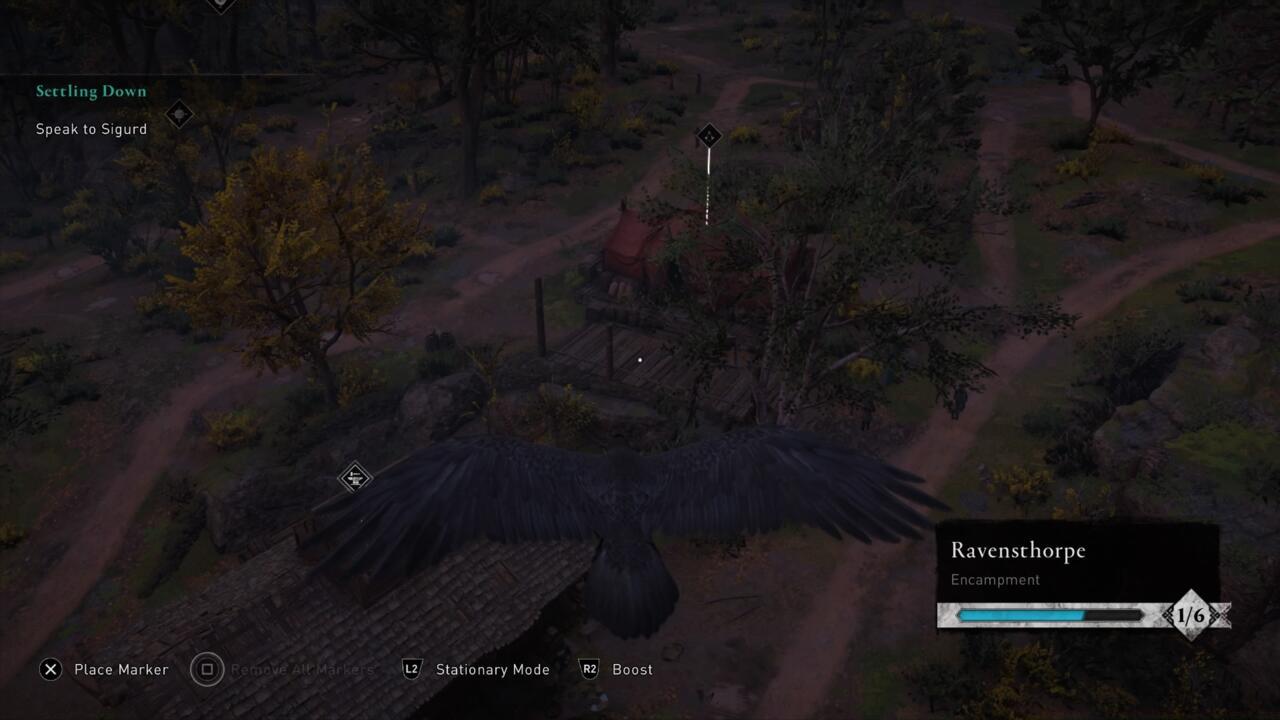
Continuously monitor your current power level and prioritize regions where your capabilities match or surpass the recommended thresholds. Venturing into significantly higher-level territories dramatically increases survival difficulty due to enhanced enemy strength and aggression. Additionally, certain hostile regions require tactical discretion – equip your cloak to assimilate with local populations when navigating unfriendly territories.
Valhalla offers granular difficulty customization across multiple gameplay dimensions. Exploration settings control HUD information density and map markers, with Pathfinder mode providing the most minimalist experience by relying entirely on environmental cues and dialogue hints. Stealth difficulty modifies enemy detection sensitivity, while the controversial Guaranteed Assassination option restores instant-kill mechanics from earlier series entries. Combat difficulty includes adjustable Aim Assist configurations ranging from Partial to completely disabled.
Primary narrative progression occurs through Conquest missions initiated by consulting Randvi in your longhouse. These extensive, multi-stage story arcs can be undertaken in flexible sequence, but commitment is binding once selected – you must complete all associated objectives before accessing alternative storylines. This design encourages deliberate campaign planning rather than impulsive mission selection.
Valhalla revolutionizes side content with World Events, replacing conventional sidequests with spontaneous, narrative-rich encounters. These unscripted missions lack traditional tracking systems but typically involve minimal travel distance and deliver modest rewards alongside memorable character moments. For broader tactical insights, consult our comprehensive Class Guide that explores specialized combat roles.
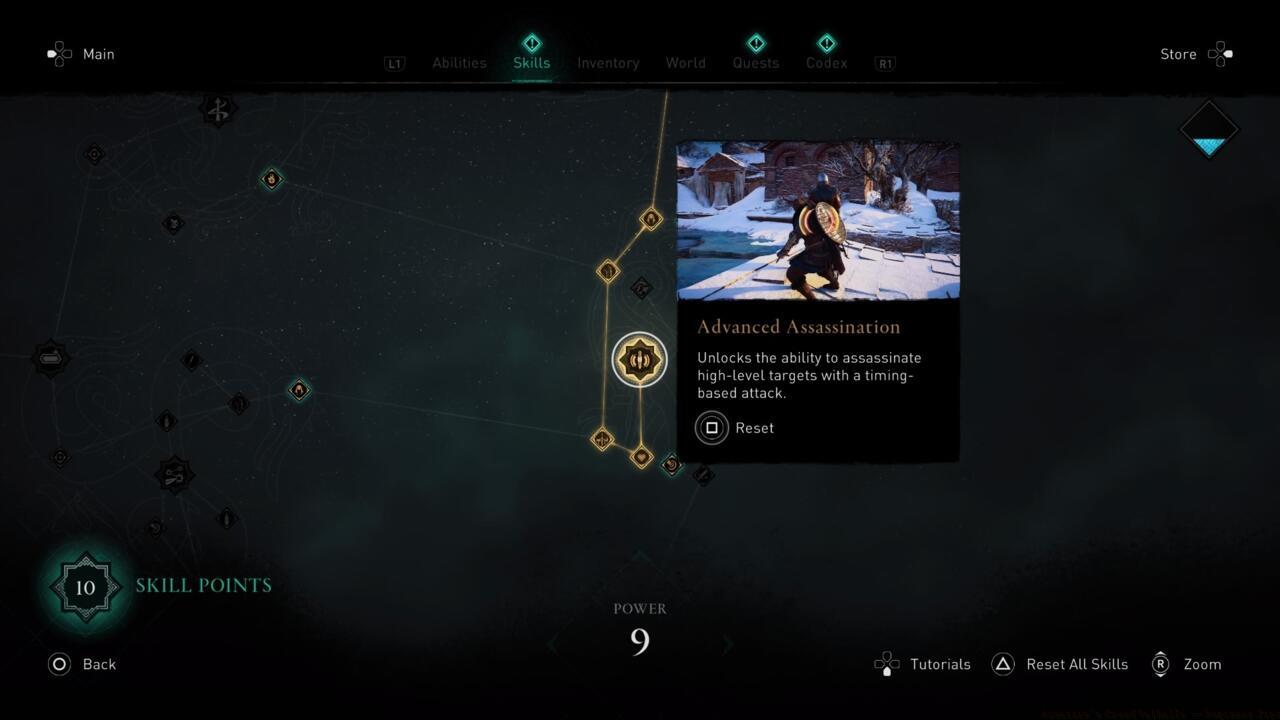
Valhalla features an expansive skill tree with accelerated progression thanks to dual skill point awards per level advancement. Unlike Odyssey’s restrictive system, you can freely reallocate skill points without cost, enabling extensive experimentation with advanced combat techniques across different specialization branches. This flexible approach gradually reveals obscured tree sections, providing strategic visibility even for unexplored skill paths.
Advanced strategy: Prioritize skills that complement your preferred combat style early, then diversify into secondary specializations. Common mistake: Over-investing in passive abilities while neglecting core combat enhancements. For detailed ability breakdowns, explore our Complete Guide covering advanced tactical options.
The franchise’s signature collectible systems return with Order of Ancient medallions that can be redeemed at Hidden Ones Bureaus for powerful abilities. These bureaus also expand assassin lore, delivering essential background for series veterans. After completing the tutorial and reaching England, focus on camp development priorities.
Essential upgrades include barracks construction for Jomsviking recruitment – these unique lieutenants can be hired by other players, generating steady silver income. The taxidermist facility enables trophy preservation from challenging legendary animal hunts, serving as both decoration and achievement markers. For weapon-specific strategies, reference our Weapons Unlock guide for optimal loadout configuration.
Action Checklist
- Upgrade one primary armor set instead of multiple pieces for efficient resource use
- Monitor power levels and avoid territories 30+ levels above your current capability
- Build barracks early to create Jomsviking for passive income generation
- Complete Conquest arcs sequentially rather than switching between storylines
- Experiment freely with skill tree respeccing to discover optimal build combinations
No reproduction without permission:SeeYouSoon Game Club » Assassin’s Creed Valhalla — Beginner Tips Master Assassin's Creed Valhalla with essential Viking strategies, gear optimization, and settlement building tips