
A complete guide to Elden Ring Nightreign’s 3-player co-op, crossplay limitations, and essential team strategies
The Core 3-Player Design Philosophy
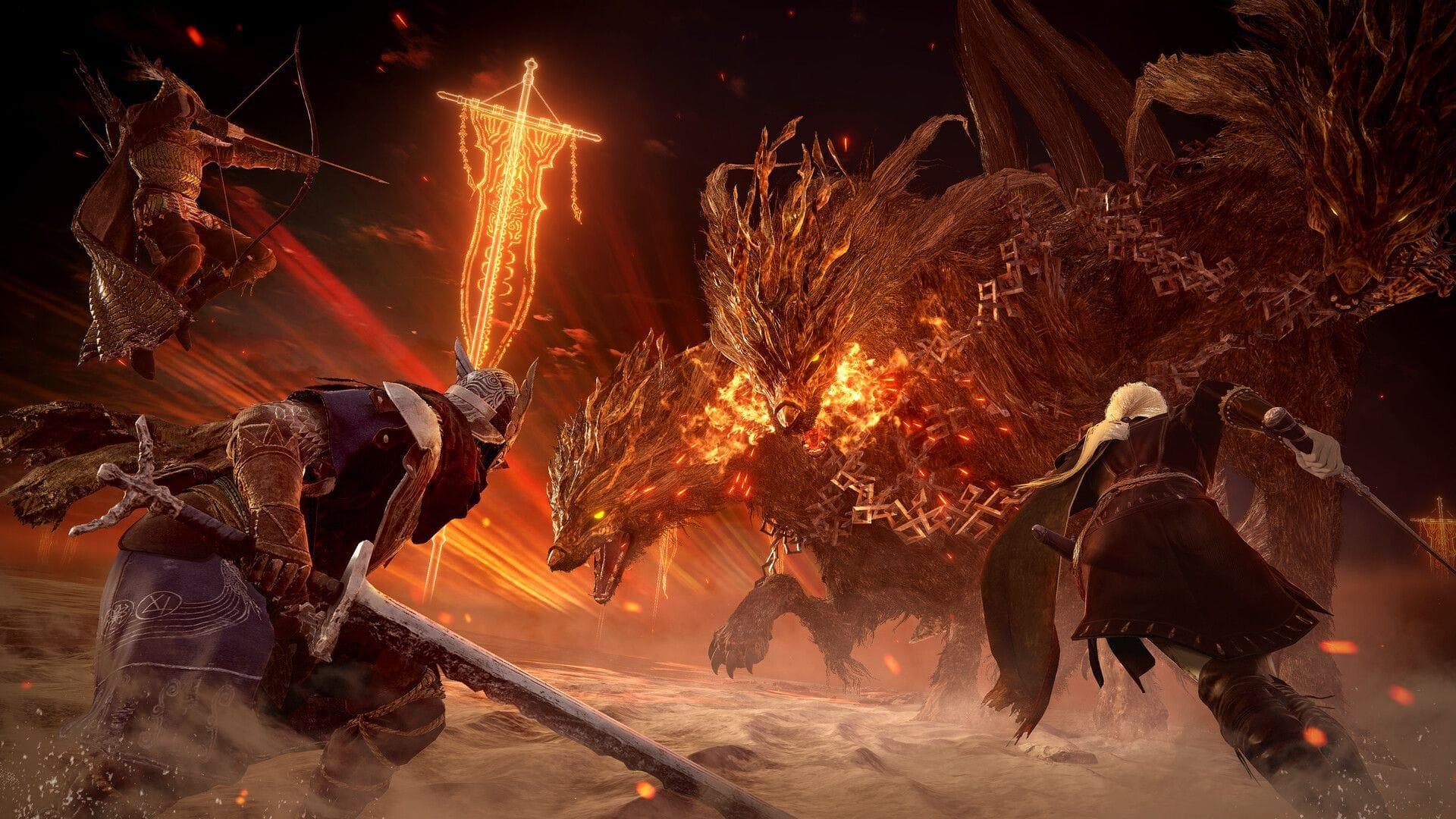
Elden Ring Nightreign represents a fundamental shift from its predecessor’s solitary exploration, centering its entire experience around multiplayer and co-op mode. Developed as a standalone title, Nightreign is engineered from the ground up to be a replayable, high-intensity PvE adventure. It prioritizes rapid group progression and territorial control over the methodical, lonely journey of the original game.
The cornerstone of this design is its rigid three-player squad system. The game supports pre-formed groups of three or solo entry with automatic matchmaking to complete the team. Director Junya Ishizaki clarified the reasoning behind this specific number, stating it was a deliberate balance decision, not a technical constraint. During extensive playtesting, two-player teams failed to create the intended “rhythm” of combat and exploration. The trio format emerged as the optimal configuration for managing the game’s inherent chaos and speed, allowing for more dynamic role distribution and tactical flexibility.
Gameplay Loop: Racing Against the Night
Abandoning the open-ended, slow-burn RPG core of the original, Nightreign imposes a strict temporal framework. Players have only three in-game nights to scavenge for gear, level up their characters, and prepare for formidable boss encounters. This creates a run-based, adrenaline-fueled loop where speed, coordination, and time management are paramount.
The environment itself becomes an adversary. Expect to traverse treacherous landscapes—soaring over lava flows on spectral eagles, scaling sheer cliffs under pressure—all while looting as efficiently as possible. The map dynamically contracts via a closing circle mechanic, reminiscent of battle royale games. This zone forces teams into confrontations, making strategic positioning and control of the terrain a critical component of survival. The three-player format is integral to this flow, as Ishizaki noted it enables teams to split up to cover more ground during the looting phase, then reconvene with combined resources for the major battles.
Practical Co-op Setup and Limitations
For solo adventurers, the matchmaking system will automatically fill your team to the mandatory three-player count. To play with specific friends, you’ll need to use a group password system. A significant point of frustration for many will be the inability to lock a party at two players. If you and one friend wish to play together, your only option is to form a team and leave the third slot open for a matchmade random player.
Crossplay is notably restricted. Elden Ring Nightreign does not support full cross-platform play. While it launches on PC, PlayStation 4, PlayStation 5, Xbox One, and Xbox Series X|S, cooperative play is siloed within console families. PlayStation 4 and 5 players can team up, as can Xbox One and Series X|S users. However, there is no bridge between PC and PlayStation or PC and Xbox ecosystems. This limitation is a considerable drawback for a title so deeply invested in cooperative multiplayer, as it fragments the player base and can hinder friends from playing together across different platforms.
From Elden Ring to Nightreign: A Multiplayer Evolution
This represents a dramatic evolution from the base game’s approach. In the original Elden Ring, multiplayer was a supplemental feature—a tool to summon temporary assistance for a tough boss before returning to a primarily solo experience. Nightreign flips this script, making group play the foundational pillar from the outset.
The integration is far more seamless, the pacing is exponentially faster, and the game’s structure—including shared class abilities and the condensed three-night campaign—is built to facilitate a novel cooperative experience. It’s less about occasional help and more about constant, interdependent teamwork.
Advanced Team Strategies and Common Pitfalls
Optimization Tips for Advanced Players:
- Plan Your Composition: Before starting a run, discuss roles. Designate a ‘scout’ for fast looting, a ‘tank’ to hold choke points during the circle close, and a ‘support’ for healing or buffs. Complementary character builds are crucial.
- Master the Split: In the early nights, don’t travel as a blob. Use the three-player design to your advantage by splitting to loot three different areas simultaneously, marking high-value targets on your map for the team.
- Regroup Smartly: Set clear waypoints and timing for regrouping before the circle forces you together. Wasting time waiting for a slow teammate can cost you a night.
Common Mistakes and How to Avoid Them:
- Greed Over Teamwork: Hoarding all loot for yourself cripples your team’s overall power. Prioritize sharing key upgrades (like weapon enhancements) based on who can use them most effectively for the team’s success.
- Ignoring the Circle: Underestimating the speed of the closing zone is a run-ender. Constantly monitor the map and begin moving toward the safe area well before you think you need to.
- Poor Communication: Assuming your teammates know the plan. Use pings or voice chat to call out resources, enemy positions, and when you’re in trouble. Silent teams are dead teams in Nightreign.
That’s the complete breakdown of multiplayer and co-op in Elden Ring Nightreign.
Read on: Is Elden Ring Nightreign coming to Nintendo Switch and Nintendo Switch 2? Possibilities explored
No reproduction without permission:SeeYouSoon Game Club » Will there be a multiplayer and co-op mode in Elden Ring Nightreign? A complete guide to Elden Ring Nightreign's 3-player co-op, crossplay limitations, and essential team strategies