
TL;DR
- Wild Hearts features kemono that integrate seamlessly with environments rather than standalone monsters
- The game emphasizes respectful hunting with cultural gestures and no capture mechanics
- Karakuri system allows dynamic map modification and personalized traversal options
- Item management is streamlined with Karakuri replacing traditional consumables
- Strategic loadout planning becomes crucial with limited Karakuri equipment slots
While numerous titles have attempted to challenge Monster Hunter’s dominance in the creature-hunting genre, Wild Hearts emerges as the first genuine contender that successfully reimagines core mechanics. This innovative approach creates an experience that feels familiar to series veterans while introducing groundbreaking changes that significantly alter gameplay dynamics and player engagement.
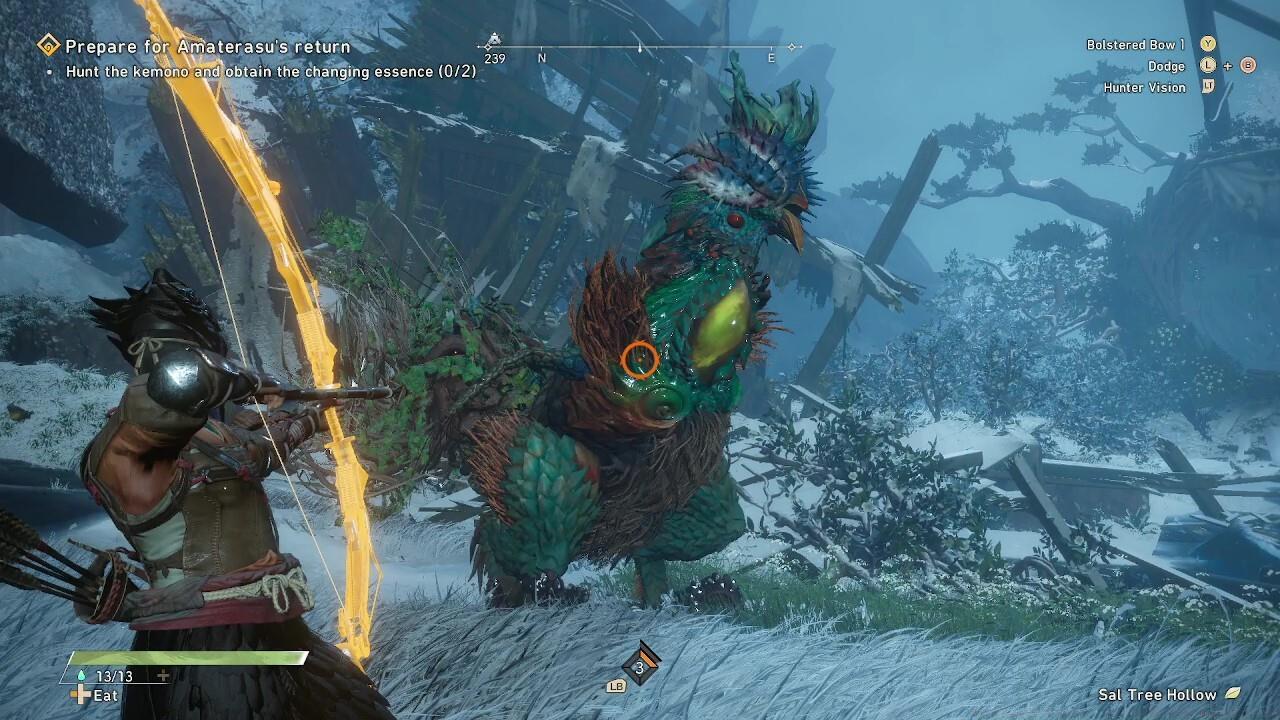
The development team has accomplished what many considered impossible: creating a monster-hunting game that maintains the genre’s essence while innovating in multiple dimensions. For players transitioning from other hunting games, understanding these fundamental differences is crucial for maximizing enjoyment and mastering the unique systems that define Wild Hearts’ identity.
Unlike Monster Hunter’s creature designs that often feel like visitors to their environments, Wild Hearts’ kemono exhibit deep ecological integration. These beings aren’t merely inhabiting spaces—they emerge from the landscape itself, with many featuring botanical elements that blur the line between fauna and flora. This design philosophy creates a world where every encounter feels organically situated rather than artificially placed.
The kemono concept represents a fundamental shift from traditional monster design. Rather than creating creatures that occupy environments, the developers crafted beings that embody their surroundings. A vine-covered beast might literally sprout from the forest floor, while a crystalline kemono could form from mountain minerals, creating unparalleled environmental cohesion.
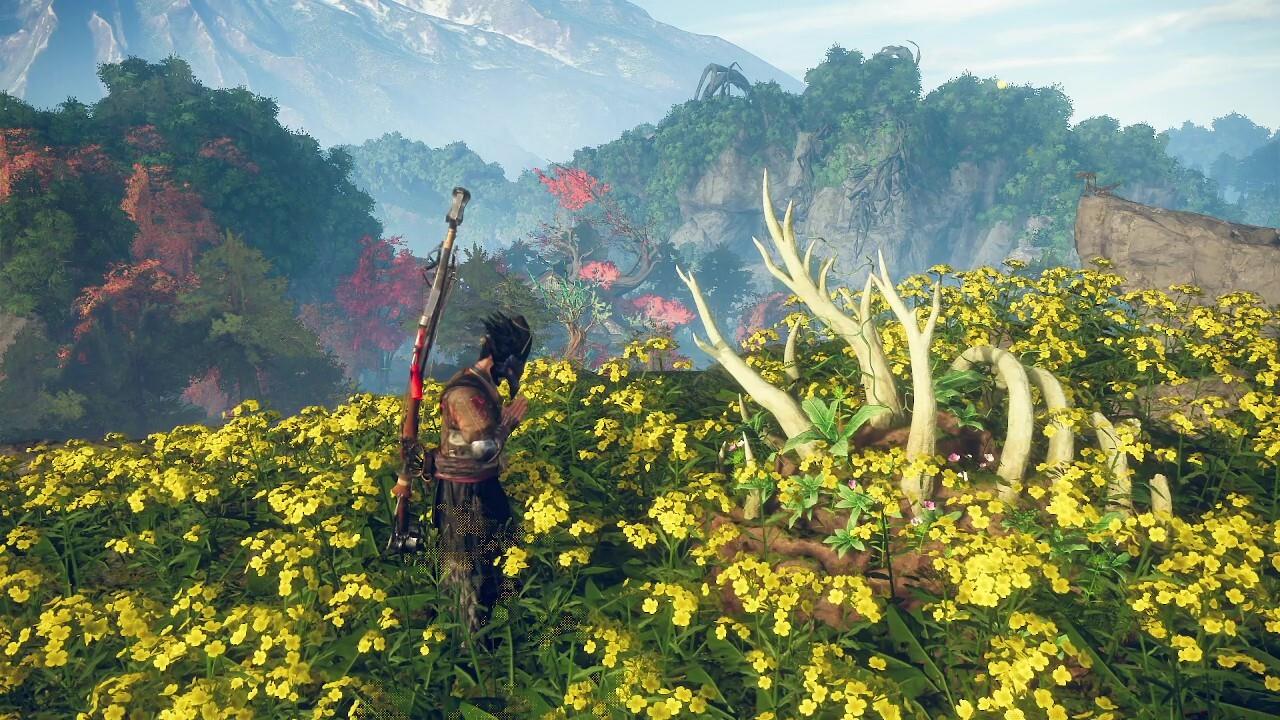
This approach affects combat strategy significantly. Since kemono are deeply connected to their habitats, environmental awareness becomes as important as learning attack patterns. Players must observe how each creature interacts with its surroundings to anticipate movements and identify strategic advantages.
Wild Hearts introduces a refreshing ethical dimension to monster hunting that contrasts sharply with traditional approaches. While both games involve protecting settlements, Wild Hearts frames the conflict as necessary defense rather than proactive hunting. The absence of capture mechanics reinforces this philosophical distinction, positioning players as guardians rather than conquerors.
The cultural practices integrated throughout gameplay—bowing to fallen creatures, offering thanks for resources—create a narrative where humanity exists as part of the ecosystem rather than dominating it. This respectful approach extends to resource gathering, where every action acknowledges the natural world’s generosity.
This philosophical foundation impacts player psychology throughout the experience. The constant reminders of respect and gratitude create a more contemplative hunting experience, where each encounter carries emotional weight beyond mere combat challenge.
Common mistake: Many players initially overlook the cultural gestures, missing valuable character development and world-building. Optimal approach: Embrace the role-playing elements fully—these small actions enhance immersion and reinforce the game’s unique identity.
The Karakuri system represents Wild Hearts’ most innovative departure from genre conventions. These ancient constructs serve dual purposes: immediate problem-solving tools and permanent infrastructure development. Early-game Karakuri focus on mobility enhancement—springs for crossing chasms, blocks for scaling heights—but their utility expands dramatically as players progress.
Advanced Karakuri unlocks transform static environments into personalized networks. Repositionable zip lines create custom transit routes, while defensive structures can be strategically placed to control engagement zones. This dynamic approach to level design empowers players to actively shape their hunting grounds.

Pro tip: Experienced players should prioritize unlocking permanent Karakuri early, as these investments pay continuous dividends throughout the game. Strategic placement of zip line networks can reduce traversal time by 40-60% in frequently visited regions.
The system’s brilliance lies in its scalability. What begins as simple platforming assistance evolves into sophisticated environmental manipulation that fundamentally changes how players approach each hunt and navigate the world.
Wild Hearts dramatically simplifies inventory management by eliminating the consumable item bloat characteristic of Monster Hunter. Instead of managing dozens of potions, bombs, and buff items, players rely primarily on their equipped Karakuri and limited healing resources. This design choice shifts strategic focus from resource collection to tactical application.
The Karakuri fusion mechanic replaces traditional item functionality. By combining basic constructs into advanced tools, players create situation-specific solutions without cluttering their inventory. This system rewards creativity and foresight rather than grinding for crafting materials.
Loadout planning becomes critically important since players can only equip a limited selection of Karakuri types simultaneously. This limitation encourages strategic specialization and adapts to different hunting styles and kemono types.
Advanced optimization: Master players typically maintain 2-3 specialized loadouts for different scenarios—one for mobility-focused hunts, another for defensive encounters, and a third for environmental challenges.
Time investment: New players should expect to spend approximately 3-5 hours experimenting with different Karakuri combinations before settling on preferred loadouts. This experimentation phase is crucial for understanding the system’s full potential.
Action Checklist
- Experiment with all basic Karakuri types during early gameplay to understand their fundamental applications
- Create 3 specialized Karakuri loadouts for different hunting scenarios
- Master zip line network placement to reduce map traversal time by 40% minimum
- Practice Karakuri fusion combinations against weaker kemono before attempting advanced hunts
- Study kemono environmental interactions to anticipate attack patterns and movement behaviors
No reproduction without permission:SeeYouSoon Game Club » Wild Hearts: 6 Ways It’s Different From Monster Hunter Discover how Wild Hearts revolutionizes monster hunting with environmental integration, Karakuri mechanics, and streamlined gameplay