
How expanding the tournament format and implementing double-elimination can revolutionize League of Legends Worlds
The Case for Tournament Expansion
The League of Legends World Championship requires fundamental structural changes as it approaches its second decade of competition. After more than ten years of evolution, the premier tournament must embrace double-elimination brackets and significant expansion to remain relevant in today’s rapidly growing esports landscape.
Worlds has transformed dramatically since its 2011 debut, but the core format remains stuck in the past. It’s time for Riot Games to implement comprehensive changes that reflect modern competitive realities.
The journey from an eight-team weekend event to a month-long spectacle with triple the participants demonstrates remarkable growth. However, the foundational structure—round-robin groups followed by single-elimination knockouts—has persisted despite massive changes in the competitive ecosystem. League of Legends esports has exploded globally, yet the tournament format fails to capture this expanded reality. 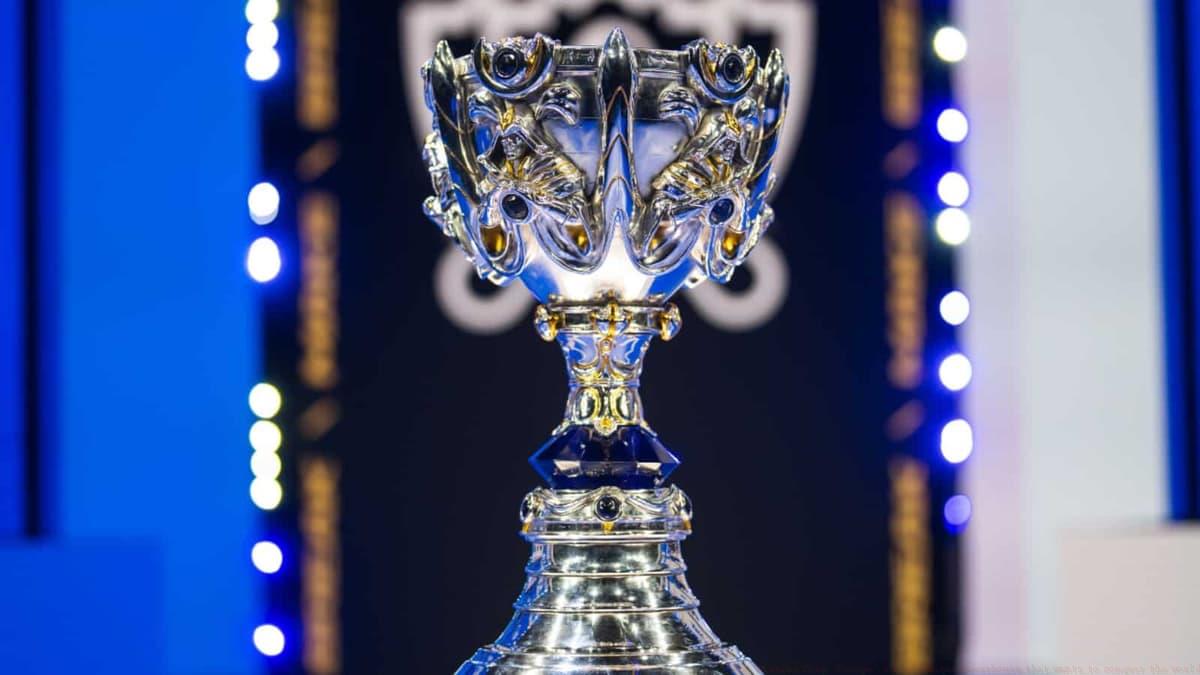 After 11 years, it’s time for Riot to change the Worlds format
Consider traditional sports evolution for context. Soccer’s World Cup expanded from 32 teams in 1998 to 48 scheduled for 2026, while Worlds has remained at 24 teams since 2017’s Play-Ins introduction. This stagnation contradicts the explosive growth of competitive League across emerging regions.
 Riot Games
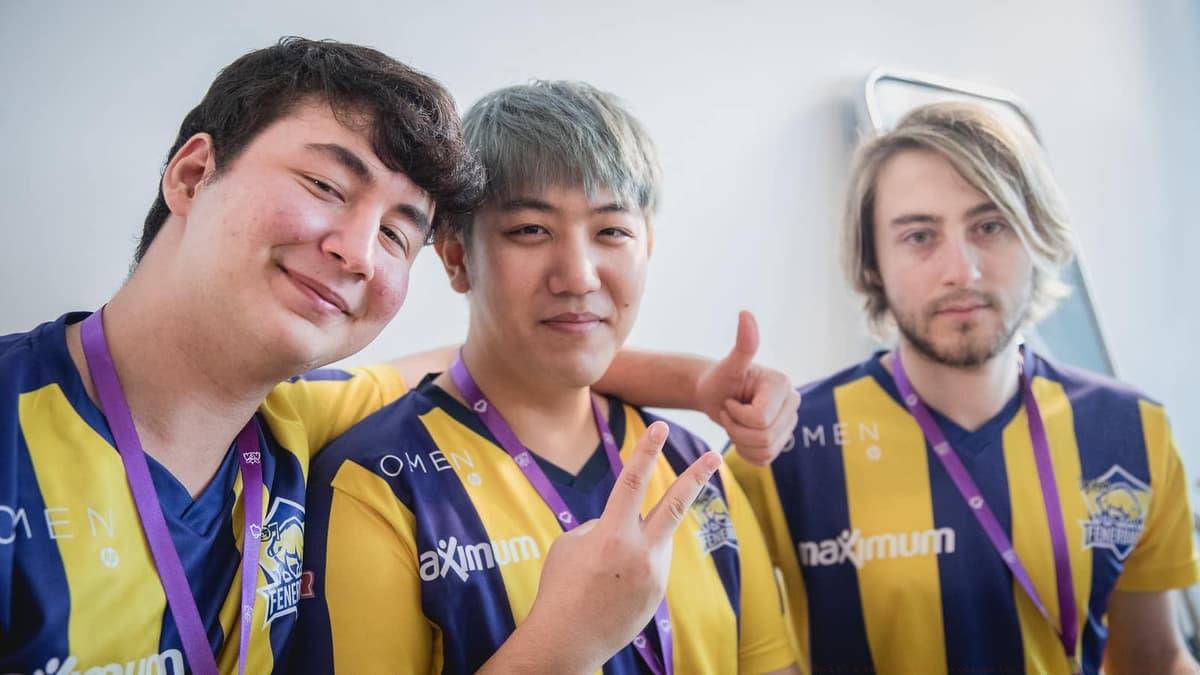
Turkish team Fenerbache 1907 were one of the first Play-Ins teams at Worlds when Play-Ins were introduced in 2017 Recent tournaments demonstrate why expansion is overdue. Japan’s DFM defeating Cloud9 in 2021 Play-Ins and Turkey’s Istanbul Wildcats taking games off European champions MAD Lions at MSI 2021 prove that competitive parity is increasing. The esport has outgrown its regional limitations, and Worlds must adapt accordingly. A strategic expansion to 32 teams could include:
This expanded framework naturally leads to eliminating the problematic Play-Ins stage entirely.
Abolishing Play-Ins: Leveling the Competitive Field
Play-Ins emerged in 2017 as a gateway for wildcard regions to access the main event, but the results have been disappointing. Only six of twenty possible qualification spots have been claimed by these regions, with major region lower seeds typically dominating the stage. This outcome fundamentally undermines the stage’s intended purpose.
 Riot Games
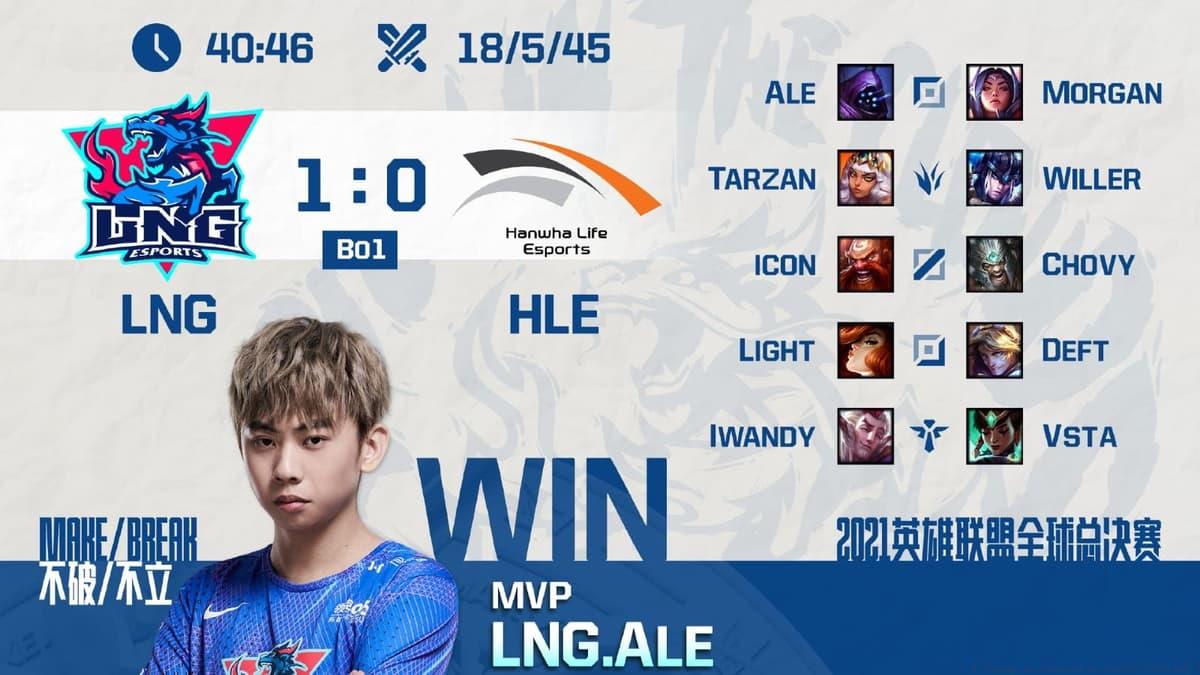
China’s LNG dominated their Play-Ins group Riot’s own accidentally published Pick’Ems text describing Play-Ins as an unsupported “fiesta” reveals internal perception issues. With either the current 24-team format or proposed 32-team expansion, eliminating Play-Ins creates a more equitable structure. All teams would compete in unified group stages—either six groups of four, four groups of six, or eight groups of four—providing equal opportunity for success.
The best-of-one double round-robin group format remains effective for maintaining pace while ensuring competitive fairness. Switching to best-of-three groups would disproportionately benefit established regions, potentially widening existing gaps. However, once groups conclude, the tournament requires its most significant transformation.
 Riot Games
Does the Worlds playoffs format need to change?
Esports World Cup 2025: All games, schedule, prize pool & more
100 Thieves exit competitive League of Legends amid massive LTA viewership decline
LoL fans furious as T1 miss 2025’s first international due to LCK format changes
Double-Elimination Playoffs: Ensuring Competitive Integrity
Community demand for double-elimination brackets has reached critical mass. Reddit posts proposing theoretical double-elimination formats gain thousands of upvotes, while professional players like Amazing and Munchables have advocated for the change since 2020. As competitive levels rise, single-elimination becomes increasingly inadequate. Drawing tournament favorites like DWG KIA often means immediate elimination, whereas double-elimination provides redemption opportunities.
 Riot Games
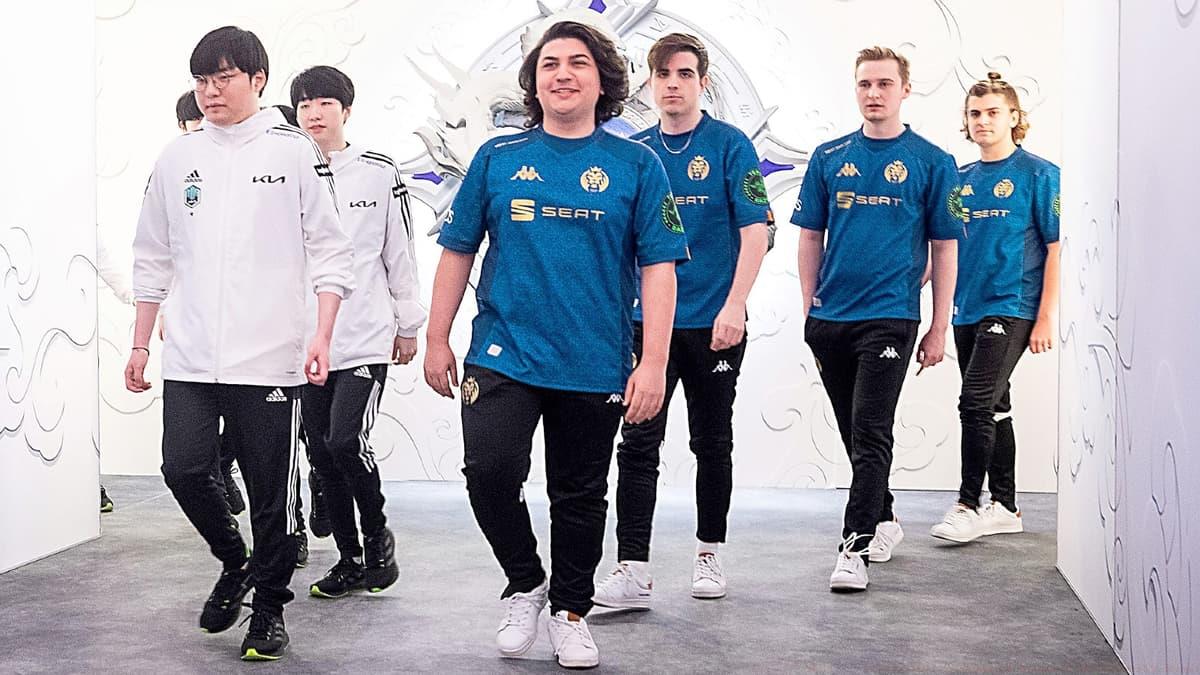
MAD Lions would still be at Worlds despite their 3-0 loss to DWG KIA if the tournament was double-elimination However, implementing double-elimination with 24 teams presents challenges, often requiring third-place group finishers to advance, which doesn’t suit every tournament’s competitive level.
Soccer’s Euro 2020 demonstrates the risks of advancing third-place teams—none of which achieved winning records in their groups. This approach can dilute knockout stage quality. Double-elimination truly shines with 32 teams, where group winners and runners-up create a compelling 16-team bracket.
 Riot Games
Matches such as the DWG KIA v T1 semifinal at Worlds 2021 wouldn’t spell the end for either team in a double-elimination bracket Two implementation models exist: either first-seeds compete in upper brackets while second-seeds start in lower brackets, or more intriguingly, all 16 teams are seeded 1-16 for an initial round before splitting into upper and lower brackets based on results.
This structure accommodates both underdog upsets and tournament favorites. If powerhouses like DWG KIA suffer unexpected early losses, they can battle through the lower bracket. Unlike single-elimination’s all-or-nothing approach, double-elimination guarantees second chances while maintaining competitive intensity.
 Riot Games
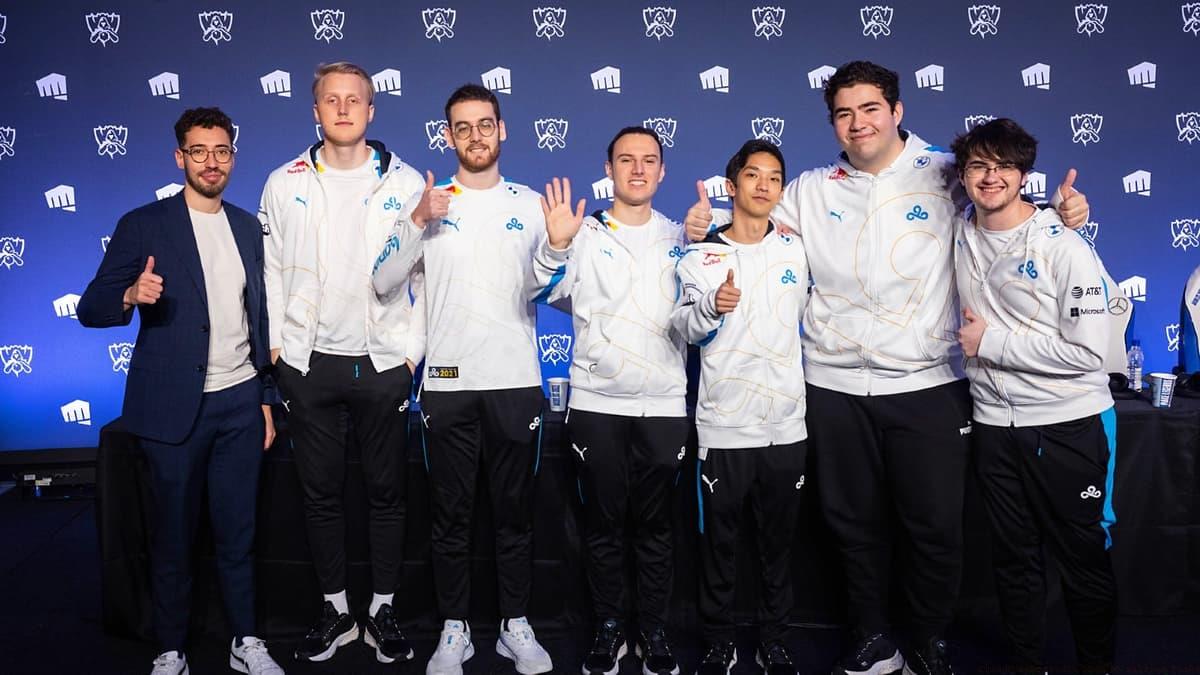
How much further could Cloud9 could have gone given another chance?
Practical Implementation and Fan Impact
The fundamental question remains: how much can format changes actually achieve? Since 2013, every Worlds champion has come from LCK or LPL regions, with 17 of 20 players at Worlds 2021 being Korean. Chinese and Korean dominance appears entrenched, raising doubts about format impact on competitive balance.
Cloud9 head coach Alfonso ‘mithy’ Aguirre Rodríguez criticized the entire professional League structure
following Cloud9’s 2021 Worlds elimination, calling the format “unfair” to Western teams. With such significant talent disparities, can format adjustments meaningfully help?
 Riot Games
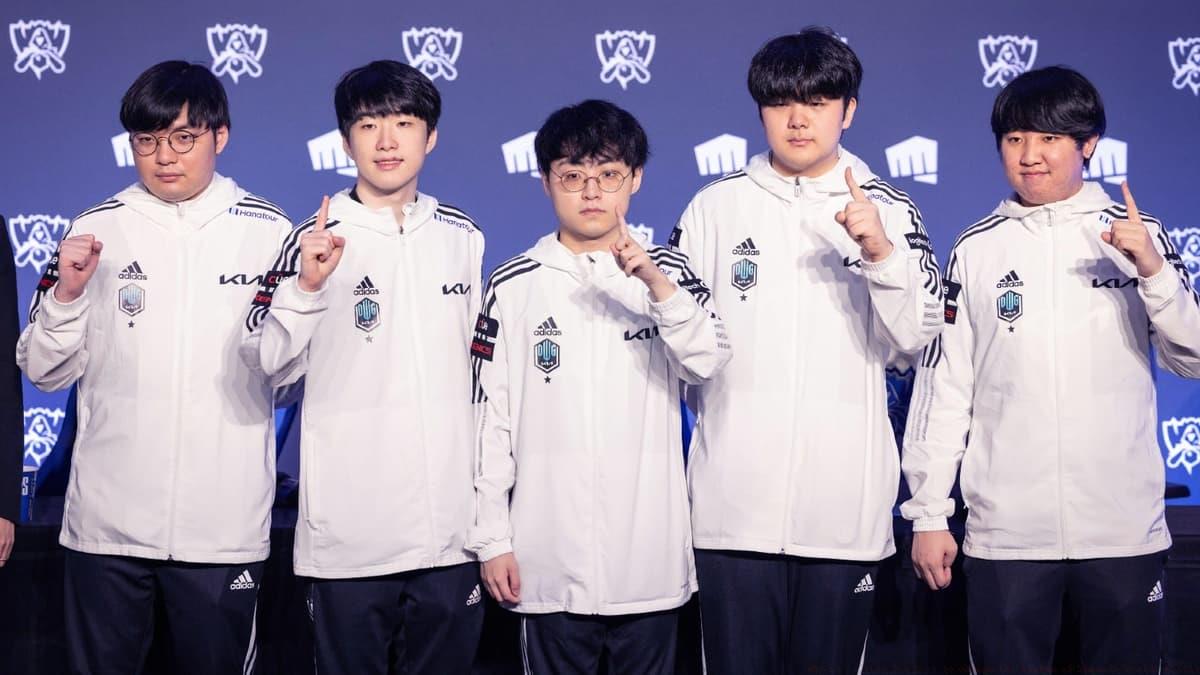
With teams as competitive as DWG KIA in the mix, does Worlds’ format matter? Transformation must begin somewhere. Adjusting Worlds to enhance competitiveness and global inclusion represents a logical starting point. Attempting to overhaul the entire esports structure immediately would be impractical, but Worlds possesses inherent flexibility. It has evolved before and will continue evolving. Comprehensive competitive structure reform can occur gradually, but these specific Worlds modifications offer immediate impact potential. While Riot’s plans remain uncertain, fan demand for format modernization continues growing exponentially.
Practical Implementation Strategy:
Successfully implementing these changes requires phased adoption. Begin with expanded regional qualification tournaments to test the 32-team model, followed by Play-Ins integration into main groups, and finally introducing double-elimination once the expanded structure proves stable.
Viewer Experience Enhancements:
Double-elimination creates compelling narrative arcs—teams battling through lower brackets, redemption stories, and more meaningful matches. This structure reduces early tournament exits for popular teams, maintaining viewer engagement throughout the event.
Competitive Development Benefits:
Emerging regions gain valuable experience against top competition in group stages rather than being filtered through Play-Ins. The extended format provides more international practice opportunities, potentially accelerating competitive development globally.
No reproduction without permission:SeeYouSoon Game Club » Why it’s time for Riot to change the League of Legends Worlds format How expanding the tournament format and implementing double-elimination can revolutionize League of Legends Worlds