
A comprehensive guide to Watanabe Mode and Miike Mode in Ghost of Yotei with practical gameplay strategies
Introduction to Ghost of Yotei’s New Gameplay Modes
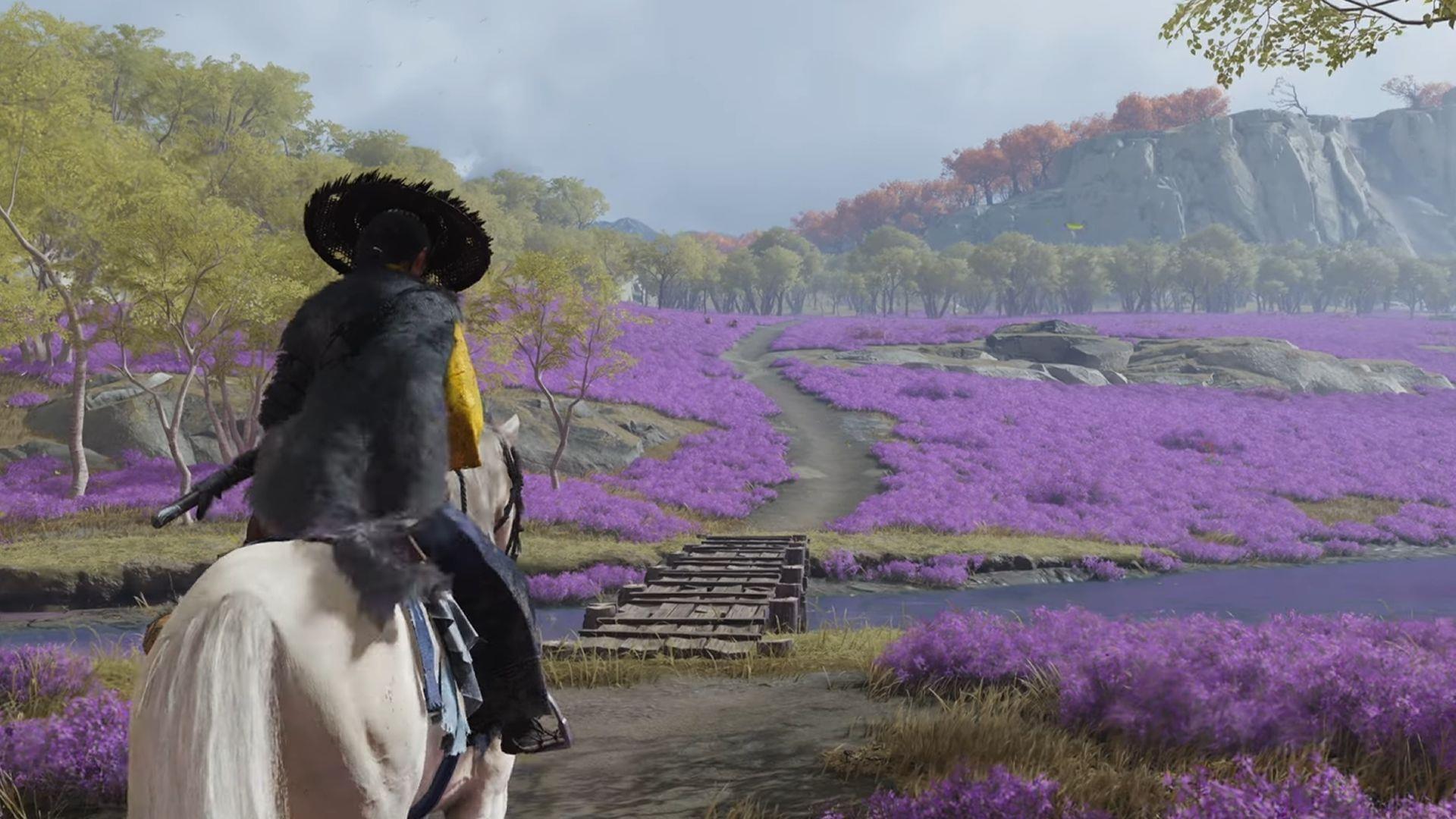
Sucker Punch Productions has introduced two innovative gameplay modes in Ghost of Yotei that fundamentally change how players experience the game world. The Watanabe Mode represents a significant departure from traditional gaming audio design, while Miike Mode offers a more visceral combat encounter. These optional modes demonstrate the developers’ commitment to providing diverse playstyles within the expansive open-world samurai adventure.
Recent gameplay demonstrations have highlighted how these modes integrate seamlessly with the core experience. The narrative foundation maintains continuity with previous titles while offering substantially greater player agency. This design philosophy allows veterans to appreciate familiar mechanics while exploring new gameplay dimensions that enhance replayability and personalization.
Watanabe Mode: Lo-Fi Music Experience
The Watanabe Mode introduces a curated Lo-Fi music selection that transforms exploration into a meditative experience. While unconventional for an action game, this audio approach proves remarkably effective during scenic traversal and photography sessions. The carefully selected soundtrack complements Yotei’s breathtaking landscapes, creating moments of tranquil immersion that contrast beautifully with the game’s intense combat sequences.
During combat encounters, the Lo-Fi accompaniment creates a unique psychological dynamic. Rather than traditional adrenaline-pumping scores, the relaxed beats help maintain player composure during challenging boss fights. This counterintuitive approach can reduce tension-induced mistakes while providing a fresh perspective on combat mechanics that many players may find surprisingly effective.
Strategic Insight: The mode’s toggle functionality allows real-time adjustment based on activity type. Consider activating Watanabe Mode during exploration and photography sessions, then switching to standard audio for story-intensive missions where traditional musical cues enhance narrative impact.
Miike Mode: Intense Combat Enhancement
For players seeking heightened combat intensity, Miike Mode delivers an uncompromising close-quarters experience. This mode adjusts the camera perspective to bring players closer to the action, making every sword clash and parry feel more immediate and personal. The visual enhancements include more prominent blood effects and dynamic mud splatter that reacts realistically to movement and impacts.
The proximity camera creates a sense of intimacy with combat mechanics that veteran players will appreciate. This perspective change requires adjusted timing for parries and dodges, effectively increasing difficulty while providing superior visual feedback. The enhanced gore and environmental effects contribute to a more visceral samurai combat simulation that honors the brutal reality of feudal Japanese warfare.
Pro Tip: Miike Mode significantly changes combat rhythm – practice in less challenging encounters before attempting difficult boss fights. The closer perspective improves reading enemy telegraphs but reduces peripheral vision awareness.
Strategic Mode Selection Guide
Mastering when to employ each mode represents a key skill for optimizing your Ghost of Yotei experience. Watanabe Mode excels during exploration-heavy segments, side quest completion, and photography expeditions where atmospheric immersion enhances enjoyment. The Lo-Fi soundtrack particularly shines during sunset and nighttime exploration when the game’s visual design reaches its peak beauty.
Miike Mode should be reserved for combat-focused sessions, particularly when facing challenging duels or engaging in territory liberation missions. The enhanced visual feedback helps players master timing-based mechanics while the intense presentation amplifies the satisfaction of victory. Consider creating custom gameplay sessions focused specifically on each mode’s strengths rather than constant switching.
Advanced Strategy: Experienced players can create hybrid approaches – using Watanabe Mode for standard encounters to maintain calm focus, then switching to Miike Mode exclusively for boss battles to maximize combat intensity and visual satisfaction.
Gameplay Tips and Common Mistakes
Avoid These Common Pitfalls: Many players initially overlook mode switching opportunities, sticking with one setting throughout their playthrough. This approach misses the dynamic experience the developers intended. Another frequent mistake involves using Miike Mode during exploration – the close camera perspective severely limits environmental awareness and scenic appreciation.
Optimization Techniques for Advanced Players: Coordinate mode selection with difficulty settings – Watanabe Mode pairs well with higher difficulties by reducing combat stress, while Miike Mode enhances challenge through perspective limitations. Utilize the photo mode extensively with Watanabe Mode active, as the Lo-Fi soundtrack inspires more creative composition and patient scene setup.
Performance Considerations: Miike Mode’s enhanced particle effects may impact frame rate on standard PS5 hardware. If experiencing performance issues during intense combat, consider temporarily disabling this mode or reducing other visual settings to maintain smooth gameplay.
For comprehensive pre-release information, consult the official Ghost of Yotei pre-order guide for Editions and bonuses explored to understand how these modes integrate with different game versions.
No reproduction without permission:SeeYouSoon Game Club » What is Watanabe Mode in Ghost of Yotei? A comprehensive guide to Watanabe Mode and Miike Mode in Ghost of Yotei with practical gameplay strategies