
TL;DR
- Eight cars exceed 10 million credits, with the Shelby Cobra Daytona Coupe topping at 30 million
- Credit accumulation requires strategic planning and avoiding unnecessary vehicle purchases
- Ferrari appears twice on the list with 1957 models demonstrating exceptional collector value
- Each vehicle represents significant racing history and unique performance characteristics
- Smart auction house usage and event completion provide the fastest credit accumulation paths
Building a collection of Forza Horizon 5’s most premium vehicles represents the ultimate achievement for dedicated players. These automotive masterpieces demand not just exceptional driving skill but also masterful financial planning and resource management throughout your Mexican racing journey.
The economic reality of acquiring these elite machines requires disciplined credit accumulation over dozens of hours. Strategic players must prioritize high-reward events while resisting impulse purchases on mid-tier vehicles that drain precious resources. Compared to property investments, these cars command staggering prices—the most expensive mansion in the game costs less than half of what you’ll need for the top-tier vehicles.
Understanding vehicle rarity mechanics and auction house dynamics becomes crucial when targeting these eight multi-million credit automotive icons. Each represents not just exceptional performance but also significant historical importance in motorsport evolution.
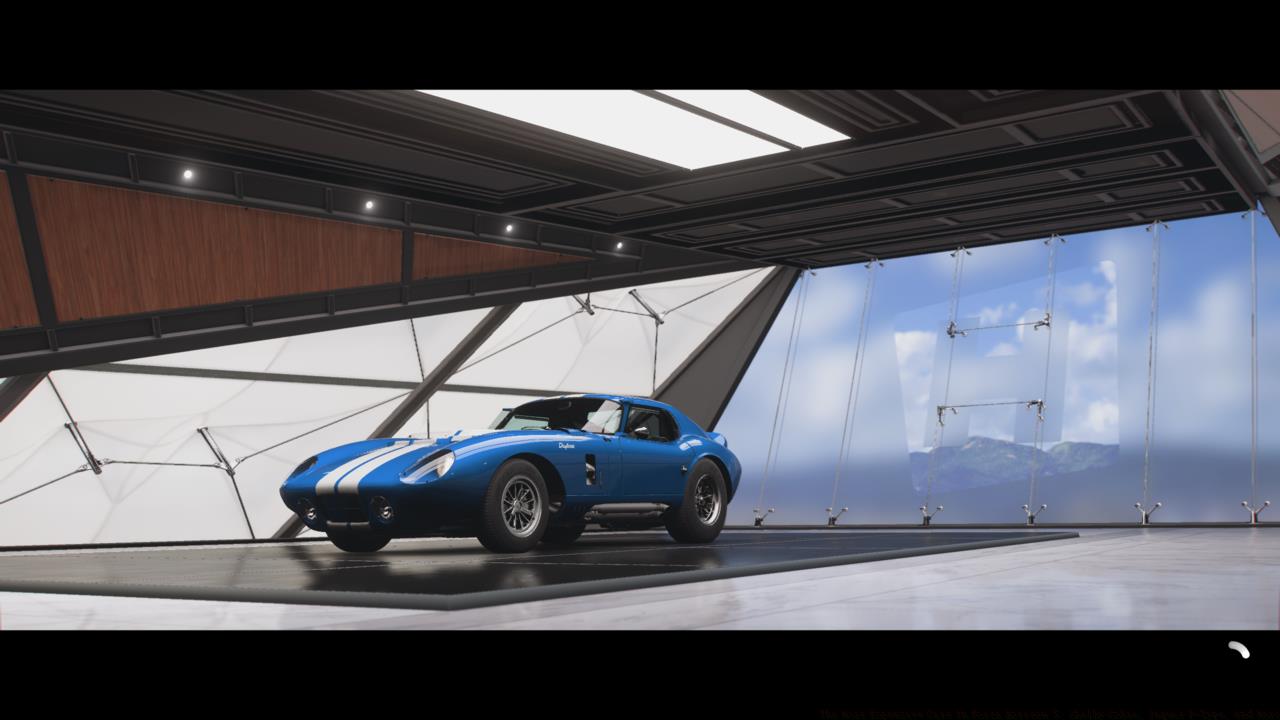
The Shelby Cobra Daytona Coupe dominates Forza Horizon 5’s pricing structure with its unprecedented 30 million credit valuation.
This American racing legend’s price gap over the second-most expensive vehicle is so substantial that the difference alone could purchase another car from this elite list. Its competition history includes defeating Ferrari at Le Mans, establishing American engineering prowess on the global stage.
Performance-wise, the Cobra delivers 485 horsepower from its 4.7-liter V8 engine, reaching 60 mph in approximately 4.2 seconds with a top speed exceeding 185 mph. The aerodynamic coupe bodywork significantly improved high-speed stability compared to the standard roadster version.
Acquisition strategies include monitoring the Forzathon Shop for rare appearances, completing seasonal championships, or patiently scouring the auction house for listings—though expect fierce bidding wars when one appears.
.jpg)
Jaguar’s D-Type presents arguably the most distinctive aerodynamic profile among Forza’s premium vehicles, featuring revolutionary monocoque construction and vertical stabilizer fin.
As the only other vehicle exceeding 20 million credits, the D-Type’s value reflects its triple Le Mans victories from 1955-1957. The car’s aviation-inspired design incorporated fuel tanks within the monocoque structure rather than traditional separate fuel cells.
Driving dynamics showcase exceptional balance with the 3.4-liter XK straight-six producing 250 horsepower. While not the fastest in straight-line speed, its cornering capabilities and braking performance made it dominant on circuit tracks.
Collectors should note that the D-Type appears more frequently in seasonal events than the Shelby Cobra, providing more reliable acquisition opportunities for patient players.
.jpg)
This Ferrari gained cinematic fame through Ferris Bueller’s Day Off, though the film actually featured a replica rather than an original.
The 250 California Spider combines breathtaking aesthetics with competition-proven performance, featuring a 3.0-liter V12 generating 240 horsepower.
While not Ferrari’s fastest offering in the game, the California provides exceptional driving pleasure with its precise steering feedback and balanced chassis. The vehicle’s coachbuilt construction by Scaglietti adds to its exclusivity and collector appeal.
Pro tip: Focus on completing Ferrari-specific accolades and weekly challenges, as these often provide the best opportunities to acquire rare models without auction house premium pricing.
.jpg)
Ferrari’s Testa Rossa completes the manufacturer’s double appearance on this exclusive list, demonstrating Ferrari’s dominant year in both production and racing achievement.
The ‘Red Head’ nickname derives from its crimson-painted cylinder heads, with the 3.0-liter V12 producing approximately 300 horsepower in race trim.
This model established Ferrari’s racing supremacy throughout the late 1950s, claiming multiple victories at prestigious events including the 24 Hours of Le Mans and Mille Miglia.
Investment-minded players should recognize that Ferrari classics typically maintain their value better than other manufacturers, making them safer long-term virtual investments.
.jpg)
This pre-war German engineering masterpiece represents automotive history’s technological frontier, featuring mid-engine layout and supercharged V12 powerplant.
The Auto Union Type D’s historical significance cannot be overstated—it pioneered concepts that wouldn’t become standard in racing cars for decades.
With 485 horsepower from its 3.0-liter engine, the Type D delivered performance that remained competitive well into the postwar era.
Rarity factors make this one of the most challenging acquisitions; players should prioritize any seasonal events featuring this vehicle as primary reward.
.jpg)
McLaren’s F1 GT represents modern supercar engineering at its absolute peak, featuring the legendary BMW-sourced 6.1-liter V12 producing 627 horsepower.
As one of only three road-legal F1 GTs produced, this vehicle’s exclusivity justifies its premium valuation alongside historical racing legends.
Performance metrics include 0-60 mph in 3.2 seconds and a top speed of 231 mph, making it competitive with contemporary hypercars despite its 1990s origins.
Strategic acquisition involves monitoring the auction house during non-peak hours and having sufficient credits ready for immediate purchase when listings appear.

Porsche’s legendary 917 with its distinctive long-tail configuration dominated endurance racing, particularly at Le Mans where it achieved legendary status.
The 917’s handling characteristics require mastery—its lightweight construction and massive power output create challenging but rewarding driving dynamics.
This particular livery represents the 1973 version that continued Porsche’s dominance in sports car racing, featuring technical refinements over earlier models.
Customization options allow players to fine-tune the vehicle for specific race types, though purists may prefer maintaining its historical configuration.
.jpg)
Ford’s GT40 MKII represents American racing engineering at its most triumphant, famously ending Ferrari’s dominance at Le Mans with its 1-2-3 finish in 1966.
This racing icon delivers 485 horsepower from its 7.0-liter V8, creating an iconic soundtrack that echoes through Forza Horizon 5’s diverse landscapes.
Performance upgrades can enhance the GT40’s capabilities, though purist collectors may prefer preserving its historical authenticity.
Value proposition analysis shows the GT40 offers exceptional performance per credit compared to higher-priced vehicles on this list.
For players progressing through our Class Guide, understanding vehicle classes helps maximize each car’s potential in competitive events.
Building your credit reserves for these premium purchases requires strategic gameplay approaches. Prioritize high-reward events like The Trial, Seasonal Championships, and Horizon Tour, which provide substantial credit payouts alongside potential vehicle rewards.
Auction house mastery involves identifying undervalued vehicles, flipping them for profit, and timing your bids to avoid bidding wars that inflate final prices.
Common mistakes include overspending on mid-tier vehicles early game, neglecting skill point farming on owned cars, and missing limited-time seasonal events with exclusive rewards.
Advanced optimization includes completing all bonus boards for permanent credit multipliers and mastering drift zones for consistent skill chain bonuses.
Time estimates suggest dedicated players can accumulate 10-15 million credits weekly through optimized event completion and smart auction house trading.
For comprehensive racing strategies applicable across different games, check our Complete Guide to competitive gameplay mechanics.
Action Checklist
- Complete all bonus boards for permanent credit boost multipliers
- Focus on seasonal events with high credit rewards and exclusive vehicles
- Master auction house sniping – target undervalued cars during off-peak hours
- Farm skill points on owned vehicles and redeem for wheelspins
- Prioritize completing story chapters and accolades for one-time large credit rewards
- Monitor Forzathon Shop weekly for rare vehicle appearances
No reproduction without permission:SeeYouSoon Game Club » The Most Expensive Cars In Forza Horizon 5: Shelby Cobra, Jaguar D-Type, And More Master the art of acquiring Forza Horizon 5's most exclusive multi-million credit supercars and racing legends