
Master System Shock 2’s remaster with essential survival strategies and build optimization insights
Game Overview and Legacy
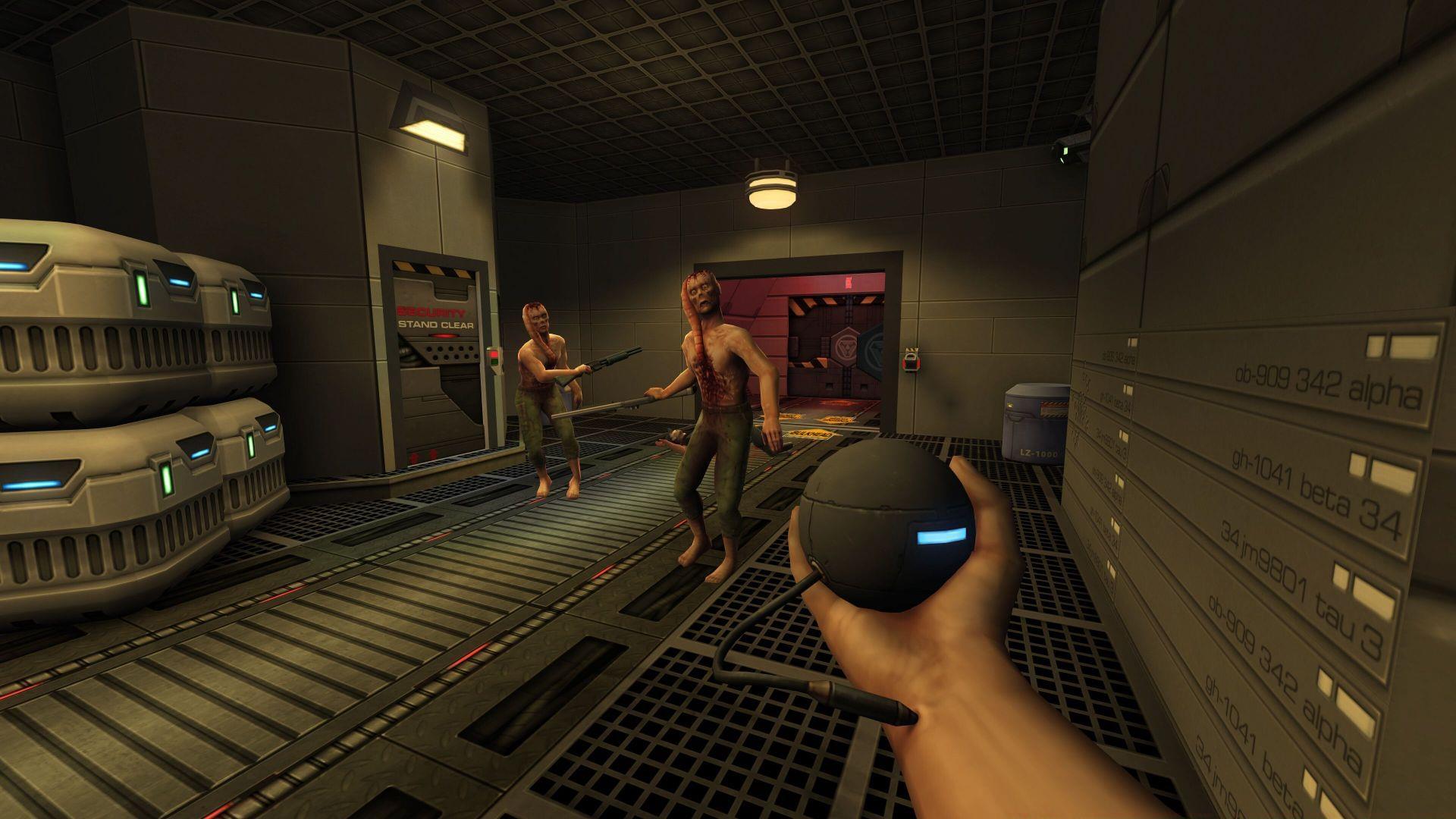
First launched in 1999, System Shock 2 established foundational mechanics that would influence countless immersive simulation titles. This groundbreaking sequel to the 1994 original pioneered environmental storytelling and player-driven problem solving that defined a generation of gaming experiences. The newly released 25th Anniversary edition revitalizes this masterpiece for contemporary hardware while maintaining its distinctive character.
Your adventure begins when responding to a distress call from Tau Ceti V, quickly spiraling into chaos as an alien collective called “The Many” infests your vessel. This biological nightmare transforms crew members into aggressive mutants while the notorious artificial intelligence SHODAN re-emerges from the first installment. These dual threats create a compelling sci-fi horror scenario that remains impactful decades later.
Awakening from cryogenic suspension places you at the center of this escalating crisis. While the narrative follows predictable beats typical of its era, the true strength lies in the emergent gameplay possibilities. Before exploring mechanics, understanding the development heritage provides crucial context for appreciating this landmark title.
The creation involved collaboration between Looking Glass Studios (Ultima, Thief, Deus Ex) and Irrational Games, who would later develop the spiritual successor BioShock franchise. This pedigree explains why System Shock 2 incorporates design philosophies from multiple legendary franchises, creating a unique synthesis of RPG elements, immersive simulation, and survival horror.
Survival Gameplay Mechanics
The learning curve proves exceptionally steep, with minimal guidance beyond the introductory tutorial. Newcomers should complete this orientation thoroughly—neglecting it guarantees confusion and frustration. This design philosophy emphasizes player agency and discovery over hand-holding, creating authentic tension and accomplishment.
Beginning in the Medical Bay after selecting your specialization (Marine, Navy, or OSA operative), you receive minimal direction. Narrative cues occasionally indicate objectives, but determining execution methods remains entirely your responsibility. This demands meticulous environmental investigation and information synthesis.
Successful navigation requires exhaustive interaction with every accessible element. Scrutinize information displays, collect audio logs, examine text entries, and investigate hidden areas to gain advantages against the alien infestation and SHODAN’s machinations. The malevolent AI will progressively torment you as the story advances, enhancing psychological tension.
Survival horror elements manifest through scarce ammunition, pervasive enemy threats, and overwhelming atmospheric dread. Despite not being marketed as horror, the game masterfully cultivates apprehension through environmental storytelling and audio design. The constant isolation and uncertainty create palpable tension that modern titles struggle to replicate.
Atmospheric audio significantly contributes to the unsettling experience. Mechanical sounds blend with disturbing vocalizations from organic and robotic adversaries, creating sensory overload. Early encounters with security turrets triggering zombie hordes remain particularly terrifying even by contemporary standards. Maintaining constant vigilance becomes essential for survival.
Primary gameplay involves exploring the complex Von Braun starship to secure resources and advance the narrative. This exploration highlights the game’s strength: multiple solution pathways for every challenge. Players can shatter windows to bypass obstacles, hack computer systems to disable security, perform platforming sequences, power electrical systems, and locate access codes. These Metroidvania-inspired mechanics reward thorough investigation with progression opportunities.
Combat and Character Building
The Psionic Amplifier offers an alternative to conventional weaponry for players seeking diversified combat approaches. This neural interface device enables psychic capabilities including telekinesis, temporary invisibility, and offensive powers. While upgrade costs escalate rapidly, creating a “sci-fi mage” character provides rewarding gameplay variety despite the resource investment challenges.
Multiple combat methodologies remain viable, though each carries distinct limitations. Understanding these trade-offs enables informed playstyle decisions aligned with personal preferences and difficulty tolerance.
Despite visual and technical enhancements, the remaster retains some original jankiness. Players adapt relatively quickly to awkward movement and combat mechanics, but progression balance issues require longer adjustment periods. The permanent stat allocation system using Cyber Modules demands careful planning, as reallocation remains impossible throughout the entire campaign.
Inefficient stat distribution creates significant late-game difficulties. The safest early strategy involves maximizing melee effectiveness against appropriate enemies, as bludgeoning weapons don’t deteriorate like firearms. Kiting enemy AI for melee attacks proves effective despite imperfect hit detection. Reserve ammunition for challenging opponents like turrets, robots, surveillance cameras, and spider-like creatures by utilizing energy weapons or standard sidearms.
Psi ability implementation feels cumbersome, requiring manual selection through pop-up menus for power switching. The inventory management system shares similar clunkiness. However, persevering through these archaic interfaces reveals an exceptionally ambitious and atmospheric experience that remains impressive given its age.
Advanced Build Strategy: Specialize early in one combat style rather than spreading Cyber Modules thinly. Marine builds benefit from focused firearms investment, Navy excels with hacking and technical skills, while OSA operatives should prioritize Psi abilities. Hybrid builds require meticulous planning to avoid combat ineffectiveness.
Remaster Technical Analysis
Nightdive Studios faithfully preserves the original 1999 experience while implementing visual refinements for modern platforms. Their proprietary Kex Engine, previously utilized for Quake 1 & 2, Turok 3, and The Thing remasters, provides the technical foundation. This ensures compatibility with contemporary hardware while maintaining authentic gameplay feel.
Players anticipating comprehensive visual modernization comparable to the System Shock remake may feel disappointed. The presentation maintains dated visual aesthetics despite high-resolution textures, updated assets, and refreshed animations consistent with the original artistic vision. Performance remains consistently stable even at maximum graphical settings across all supported platforms.
Technical issues observed during testing included occasional texture flickering and geometry misalignment. The inclusion of four-player cooperative multiplayer provides welcome assistance for players finding the solo experience overwhelming. However, community reports indicate potential co-op problems including save file corruption following crashes and enemy invincibility glitches requiring caution.
Graphics configuration options feel limited for a contemporary remaster. Conversely, audio presentation excels with enhanced ambient and electronic music that remains memorably atmospheric decades later. The soundtrack significantly enhances the pervasive tension, establishing mood more effectively than many modern horror titles. Modding support enables community-driven content and customization for dedicated enthusiasts.
Performance Optimization: Despite limited settings, disable motion blur and reduce shadow quality if experiencing performance issues. The co-op experience benefits from stable internet connections and frequent manual saves to prevent progression loss from potential crashes.
Advanced Tips and Verdict
Original System Shock 2 detractors won’t find their opinions altered by this remaster, which preserves the challenging, technically complex RPG foundations. Nightdive Studios demonstrates restraint compared to their ambitious System Shock remake, instead focusing on faithful preservation with quality-of-life improvements.
This re-release successfully highlights a historically significant artifact showcasing ambitious game design and masterful atmospheric creation. The experience remains compelling despite aging elements, with few genuine successors beyond Prey (2017). This uniqueness makes System Shock 2: 25th Anniversary Remaster worthy of exploration for both nostalgic fans and immersive simulation newcomers.
Expert Survival Strategies: Always carry at least one weapon for each damage type. Conserve ammunition by using melee against standard hybrids. Hack every accessible terminal for resource information and security control. Invest in maintenance skill to improve weapon durability. Save cyber modules for essential upgrades rather than immediate stat boosts.
Common Beginner Mistakes: Don’t waste ammunition on security cameras—use EMP grenades or melee. Avoid spreading skill points across too many disciplines early. Regularly backtrack to previously inaccessible areas after obtaining new abilities. Never underestimate the usefulness of the wrench throughout the entire game.
Reviewed on: PC (Code provided by Nightdive Studios)
Platform(s): PC, PS4, PS5, Xbox One, Xbox Series X|S, Nintendo Switch
Developer(s): Nightdive Studios, Looking Glass Studios, Irrational Games
Publisher(s): Nightdive Studios
Release Date: June 26, 2025
No reproduction without permission:SeeYouSoon Game Club » System Shock 2: 25th Anniversary Remaster review – A terrifying immersive sim that’s ambitious even today Master System Shock 2's remaster with essential survival strategies and build optimization insights