
Killing Floor 3 delivers impressive audiovisuals but struggles with repetitive gameplay and missing features in this 2025 review
Killing Floor 3: Technical Performance and First Impressions
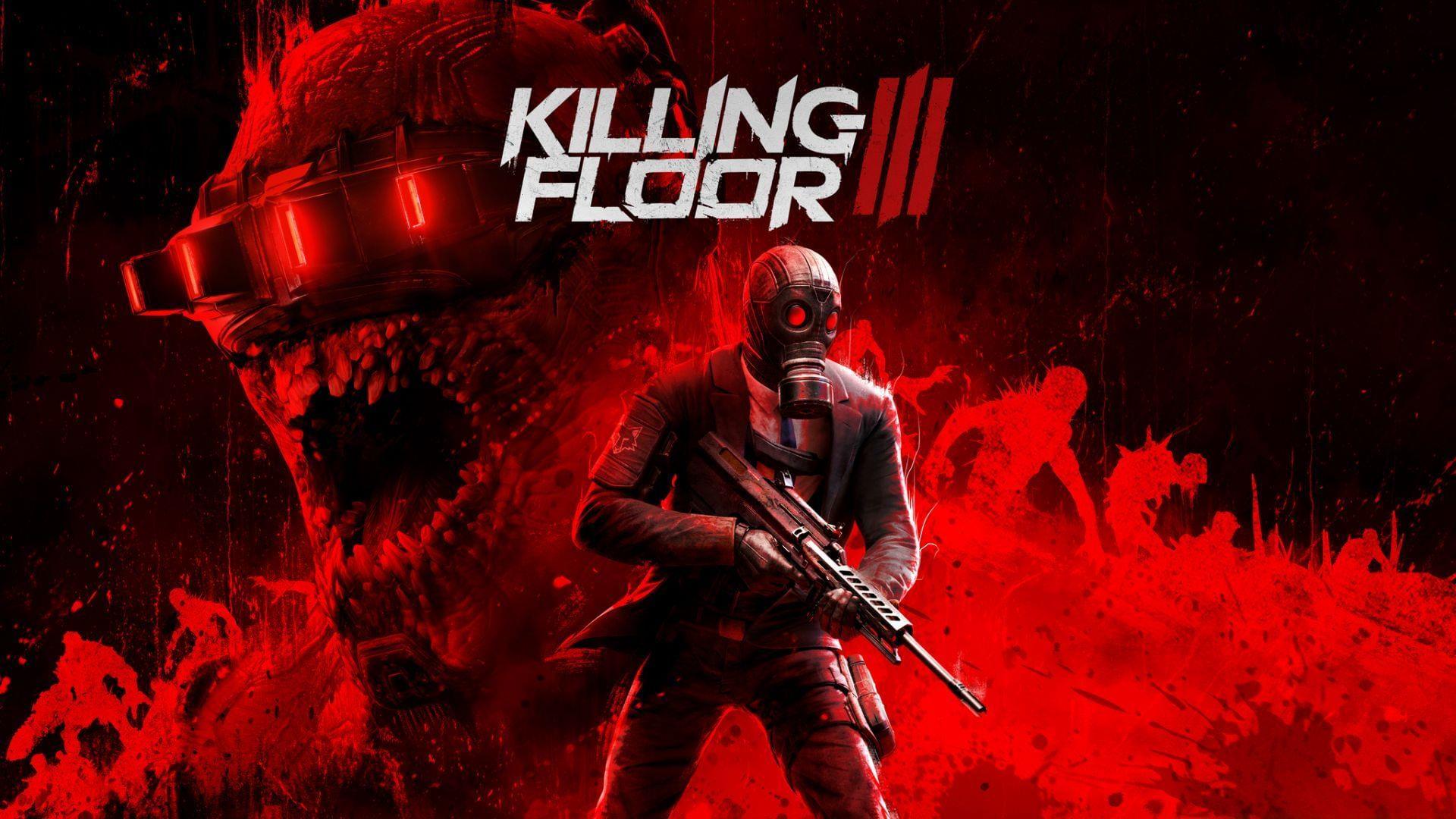
The long-awaited Killing Floor 3 has finally launched, bringing both excitement and technical hurdles for series enthusiasts. While I’m not a franchise veteran, my experience with Killing Floor 2 during a Steam sale revealed why it dominated the cooperative survival genre with its chaotic action and satisfying combat mechanics. The announcement of this sequel generated genuine anticipation about how Tripwire Interactive would evolve their signature formula.
Initial setup presented immediate technical challenges. The shader compilation process required substantial time, a common issue with Unreal Engine 5 titles that fortunately resolved itself after the first launch. Subsequent startups proceeded much more smoothly, though this initial barrier might frustrate players eager to jump straight into the action.
The onboarding tutorial demonstrates thoughtful design for newcomers. Unlike many modern games that overwhelm players with lengthy explanations, Killing Floor 3’s introduction remains concise and practical. Movement controls feel responsive, combat mechanics prove intuitive to grasp, and the overall learning curve accommodates both series newcomers and returning players refreshing their skills.
Unfortunately, stability issues emerged immediately after the tutorial concluded. A LowLevelFatalError crash disrupted my first solo campaign attempt, requiring error report submission. These performance problems persisted throughout my playtime, with frequent stutters and additional crashes diminishing the experience. Community feedback on Steam suggests these technical problems affect many players, not just isolated cases.
Audio Excellence and Sound Design
For enthusiasts of aggressive music genres like industrial metal, Killing Floor 3 delivers an auditory masterpiece. The soundtrack intensity perfectly complements the on-screen chaos, creating an immersive atmosphere that elevates the entire gameplay experience. The audio design stands as one of the game’s strongest elements.
Series fans will recognize Rocky Gray’s distinctive compositional style, as he returns to create three of the four primary soundtracks. His previous work on Killing Floor 2 established the franchise’s sonic identity, and his continued involvement ensures musical continuity between installments.
Weapon sound effects deserve particular praise for their crisp, powerful delivery that maintains impact through extended play sessions. Environmental audio and Zed vocalizations further enhance immersion without becoming repetitive or grating. The audio configuration menu offers straightforward, effective options that work immediately without requiring extensive tweaking or compatibility troubleshooting.
Pro Tip: Adjust the dynamic range settings based on your audio equipment. Using the ‘High’ setting with quality headphones reveals subtle directional audio cues that can help pinpoint approaching Zed threats before they become visible.
Visual Overhaul and Gore System
Visually, Killing Floor 3 represents a substantial generational leap beyond its predecessor. Environmental details showcase impressive texture work, lighting creates moody atmospheres, and the signature gore meets franchise expectations for brutality. Character models, UI elements, and cinematic presentation all demonstrate polished execution that should satisfy graphics-conscious players.
The upgraded M.E.A.T. 2.0 gore system delivers some of the most visceral dismemberment mechanics in contemporary gaming. Watching limbs detach with realistic physics, blood spray patterns respond to impact angles, and Zed bodies deform according to damage creates consistently satisfying feedback. This visual carnage remains a core pleasure throughout the experience.
Advanced Strategy: Aim for limb-specific dismemberment to control crowd movement. Removing legs slows rushing Zeds significantly, while arm removal reduces their attack threat. This tactical approach to gore adds strategic depth beyond mere visual spectacle.
Core Gameplay and Mission Structure Analysis
While the fundamental shooting mechanics feel competent, the mission design fails to capitalize on this solid foundation. Objectives remain disappointingly basic, offering little structural variety or depth to sustain long-term engagement. Most matches follow identical patterns: survive enemy waves, complete repetitive tasks, then confront a minimally differentiated boss encounter.
Enemy spawning behavior often breaks immersion through awkward placement, with Zeds frequently materializing directly behind players without logical entry points. Certain animations and transitions lack the fluidity expected from modern first-person shooters, creating occasional clunkiness that detracts from the overall combat flow.
Common Mistake: New players often stand their ground against overwhelming numbers. Instead, master the kiting technique – maintaining distance while moving backward – to control engagements and avoid being surrounded by spawns that appear behind you.
Boss Battles and Difficulty Balance
Theoretically, Killing Floor 3 maintains the classic co-op formula: survive increasingly difficult waves, accumulate currency for gear upgrades, then defeat a boss. However, execution reveals significant shortcomings in boss design and difficulty scaling that reduce long-term appeal.
My Normal difficulty playthrough featured underwhelming boss encounters that failed to deliver memorable challenges. While higher difficulties like Hell on Earth might provide greater tests, the baseline experience should offer more engaging encounters. The absence of a truly beginner-friendly mode forces Normal difficulty to accommodate too broad a skill range, resulting in compromised design that satisfies neither newcomers nor veterans.
Most bosses feel either mechanically simplistic or frustrating due to technical issues rather than designed challenge. None of the encounters left distinctive impressions or encouraged strategic adaptation beyond basic survival tactics.
Difficulty Recommendation: Series veterans should start on Hard difficulty, as Normal provides insufficient challenge. New players may struggle with the gap between tutorial simplicity and actual game difficulty, suggesting the need for better graduated learning curves.
Specialist Classes and Progression Systems
Character selection presents one of the game’s more controversial elements. The six available Specialist classes (the game’s term for perk systems) each feature unique skill trees and progression paths. While this represents theoretical advancement over previous titles’ systems, practical implementation feels constrained.
The specialization trees offer meaningful choices and tactical considerations, but the limited initial roster restricts team composition variety. Though the development roadmap promises additional Specialists, launching with only six options significantly impacts replayability and strategic diversity.
Customization options provide superficial personalization without enabling truly distinctive character builds. The system lacks the flexibility for players to develop unique playstyles that reflect individual preferences rather than predefined archetypes.
Team Composition Tip: Balance your squad with at least one Medic Specialist and one Demolitionist for optimal survival chances. The limited Specialist pool makes team synergy more important than in previous installments where broader options allowed more experimental compositions.
Missing Features and Community Tools
The most glaring issues extend beyond bugs to fundamental feature omissions. The absence of text chat functionality in a 2025 cooperative shooter seems inexplicable, hindering basic communication between teammates. This oversight becomes particularly frustrating during intense encounters where voice communication isn’t feasible or desired.
Similarly baffling is the launch without mod support or custom map tools. Killing Floor 2’s enduring popularity stems largely from its vibrant community-created content, making this exclusion particularly disappointing. While both features appear on the 2025 development roadmap, their absence at launch represents a significant missed opportunity.
Communication Workaround: Until text chat arrives, establish basic pinging protocols with your team and use external voice apps like Discord for more complex coordination. Develop simple callout systems for specific Zed types that everyone can recognize quickly.
Pricing Model and Live-Service Concerns
The $40 base price represents reasonable value for a modern shooter, particularly compared to industry standards. However, the simultaneous presence of cosmetic microtransactions and battle pass mechanics alongside missing core features creates troubling prioritization signals.
The Shadow Agent Season 1 Deluxe Pass costs $19.99, with future season passes available for pre-purchase at $29.99. This monetization infrastructure arrived fully implemented while essential community features remained undeveloped, suggesting misplaced development priorities.
The live-service approach feels prematurely executed when basic functionality gaps persist. Players reasonably expect completed core experiences before additional paid content, making the current implementation difficult to justify regardless of the fair initial price point.
Purchase Advice: Wait for feature-complete editions or substantial discounts unless you’re a dedicated franchise fan. The current implementation doesn’t justify full price given the missing features and technical issues.
Final Verdict and Future Potential
I genuinely wanted Killing Floor 3 to emerge as a standout 2025 release. The franchise deserves excellence, and the development team clearly possesses passion for their creation. Unfortunately, the current state feels more like an early access title than a finished product, with solid foundations undermined by incomplete execution.
The core elements – visuals, core combat, audio design – demonstrate clear potential for greatness. However, the overall package suffers from technical instability, repetitive design, and baffling feature omissions that prevent it from reaching its ambitions.
Most frustrating remains the fully implemented monetization alongside missing basic features. This prioritization suggests corporate pressures over player experience considerations, damaging community trust at a critical launch period.
Until substantial updates address these concerns, I can only recommend Killing Floor 3 to deeply committed franchise enthusiasts willing to tolerate its current limitations while awaiting improvements. More discerning players should monitor development progress before committing.
Read more related articles here:
No reproduction without permission:SeeYouSoon Game Club » Killing Floor 3 review: Beautiful, brutal, but rough from the start Killing Floor 3 delivers impressive audiovisuals but struggles with repetitive gameplay and missing features in this 2025 review