
TL;DR
- Three ship archetypes exist: DPS for damage, Tank for defense, Support for team healing
- Cannon selection dramatically impacts combat range, damage type, and tactical options
- Team composition benefits from mixing ship types to cover all combat roles
- Ship progression starts from basic raft to specialized warships with unique perks
- Weapon positioning and ship type synergy create powerful combat combinations
Navigating the treacherous waters of Skull and Bones requires more than just sailing skill—it demands strategic ship selection that aligns with your preferred combat approach. The game presents a sophisticated naval combat system where your vessel’s class fundamentally shapes your battlefield role and effectiveness.
Your journey begins humbly aboard a simple raft, but through persistent plundering and crafting, you’ll unlock increasingly powerful warships. Each vessel falls into one of three distinct combat archetypes that determine its size, durability, and specialized capabilities. Understanding these classifications early will save you countless resources and ensure you’re building toward a ship that complements your playstyle.
From our extensive testing and analysis, Skull and Bones features three primary ship types: DPS, Tank, and Support. These classifications aren’t merely cosmetic—they dictate your ship’s core attributes, available perk slots, and optimal combat positioning. For instance, Support-class vessels like the Sentinel feature the “Unburden” ability, which continuously regenerates hull integrity and repairs critical damage at a steady rate. This makes them invaluable for sustained engagements where endurance matters more than burst damage.
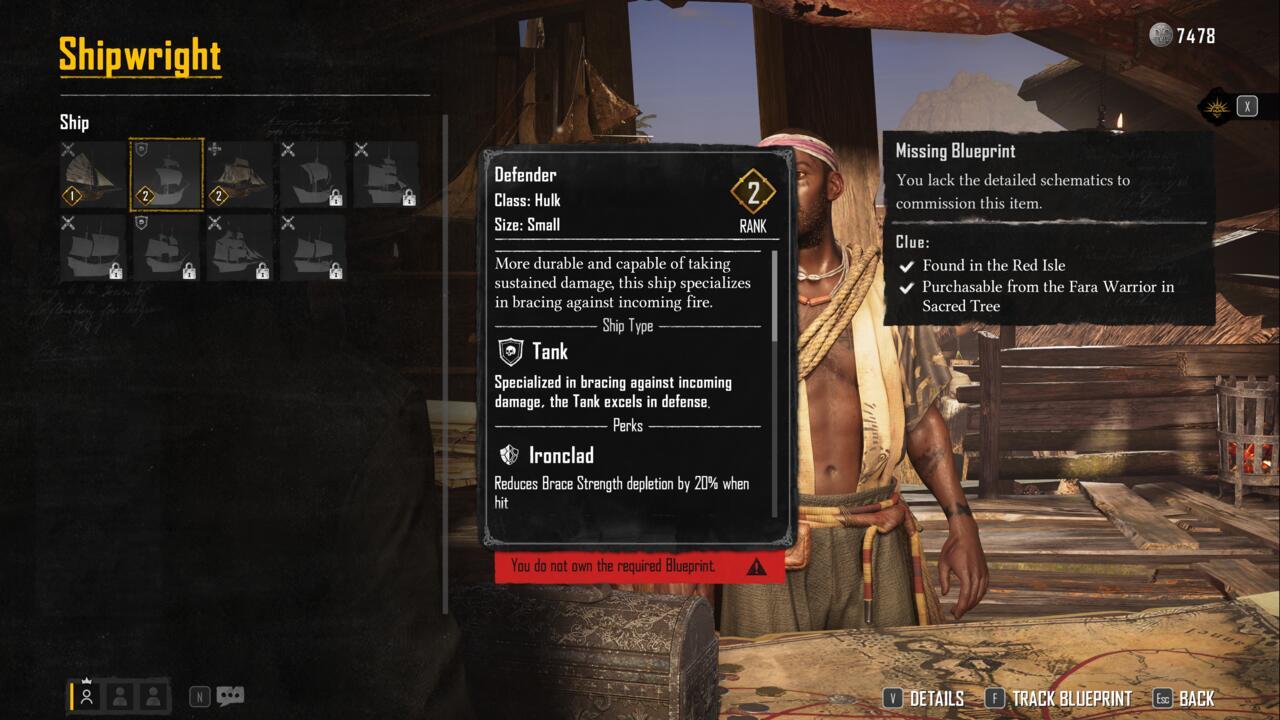
A ship with the Tank ship type
Damage-focused DPS ships prioritize offensive capabilities above all else, featuring weapon systems designed to inflict maximum destruction and debilitating status effects. Meanwhile, Tank-class vessels excel at absorbing punishment through reinforced hulls and specialized bracing mechanics that dramatically reduce incoming damage. Below are the official classifications with expanded tactical insights:
Maintaining awareness of your ship’s classification is crucial during naval engagements, as it determines optimal engagement ranges, target prioritization, and survival strategies. When coordinating with other players, diversifying your fleet composition across all three archetypes creates a balanced team capable of handling any combat scenario. A common mistake new captains make is overlooking how different ship types complement each other’s strengths and cover weaknesses.
Your ship’s offensive capabilities are defined by its cannon selection, with each weapon type offering distinct tactical advantages and limitations. Choosing the right artillery requires understanding not just damage numbers, but how each cannon performs in different combat scenarios and against various target types.
Long Guns represent the sniper rifles of naval warfare—high-risk, high-reward weapons that demand precision aiming but deliver devastating results against vulnerable components. Their extended range allows you to engage enemies well before they can effectively return fire, though this advantage diminishes significantly in close-quarters combat where their slow reload speed becomes a critical vulnerability.
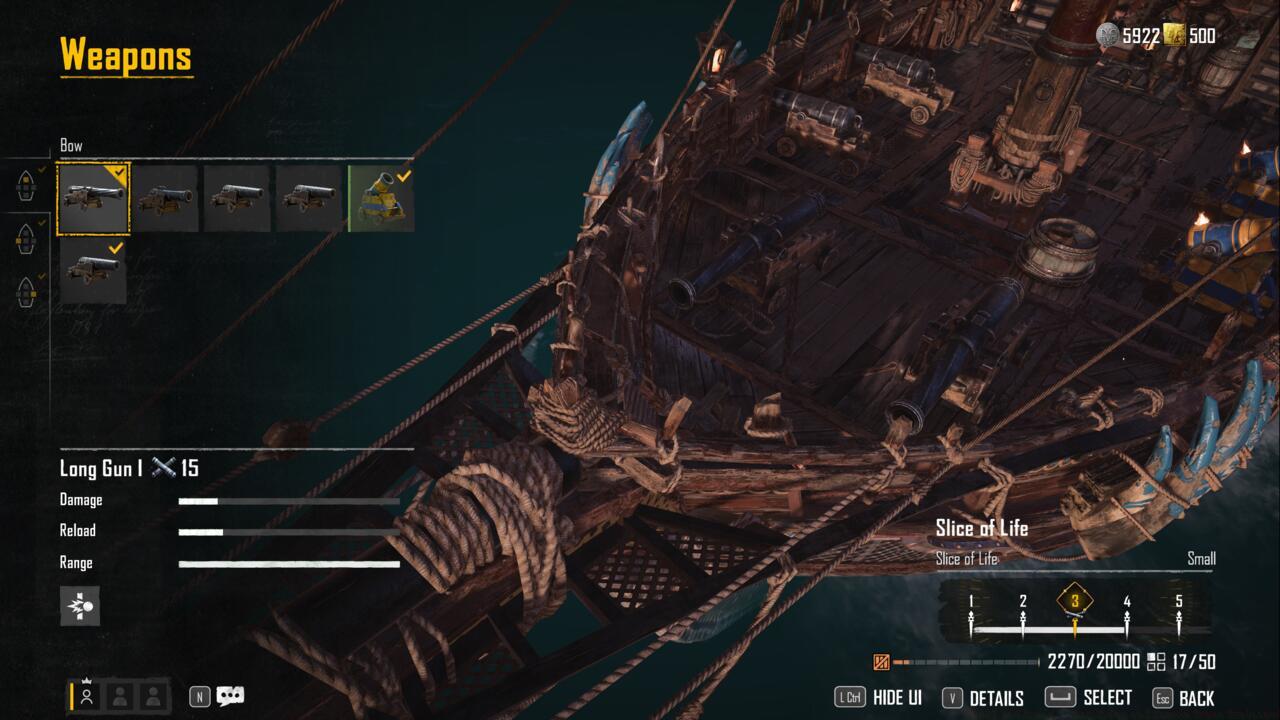
The Long Gun cannon is high-risk, high-reward.
Demicannon systems fill the middle-ground role, offering balanced performance across range, damage, and firing rate. These versatile weapons adapt well to changing combat conditions, making them excellent choices for captains who prefer adaptability over specialization. Their moderate reload speed and damage output make them reliable in most engagements.
For brutal close-range encounters, Carronades deliver overwhelming firepower at the expense of effective range. These weapons excel at devastating broadside attacks that can cripple or sink enemy vessels in a single well-placed volley. However, their limited engagement range requires aggressive positioning that often exposes your ship to counterattacks.
Advanced captains should consider how cannon types synergize with their ship’s classification. Tank vessels benefit from shorter-range, high-impact weapons that capitalize on their ability to survive close-quarters exchanges. Meanwhile, DPS ships can leverage long-range artillery to maximize damage output while minimizing return fire. Support vessels often perform best with area-effect weapons that complement their team-oriented role.
Progression from your initial raft to a fully-equipped warship follows a deliberate upgrade path that rewards strategic planning. Early investments in foundational ship components create a stronger platform for specialized equipment later in your pirate career. Understanding this progression hierarchy prevents wasted resources on intermediate upgrades that offer minimal combat advantages.
The most effective ship builds leverage equipment synergy—matching your cannon types with complementary furniture, armor plating, and ship-specific perks. For example, pairing long-range artillery with navigation-enhancing furniture creates a formidable kiting vessel that can control engagement distances.
A common pitfall among new players is over-specializing in a single combat approach. While focusing entirely on damage or defense might seem appealing, the most successful captains maintain flexibility to adapt to different combat scenarios and enemy compositions.
When planning your ultimate vessel, consider these critical factors: your preferred engagement range, typical crew size (solo vs. group play), and most frequently encountered enemy types. These considerations will guide your decisions when selecting between competing ship blueprints and weapon systems.
Team coordination elevates ship selection from individual preference to strategic necessity. In coordinated groups, designated tank vessels should initiate engagements while DPS ships position for optimal firing angles. Support ships must maintain positioning that allows them to assist multiple allies while minimizing their exposure to direct fire.
Resource allocation represents another often-overlooked strategic dimension. Early-game materials invested in temporary upgrades could instead be saved for permanent ship improvements that provide lasting advantages throughout your nautical career.
Action Checklist
- Identify your preferred combat role (damage, defense, or support) before committing to a ship type
- Test different cannon types in combat scenarios to determine range preferences
- Plan your resource allocation to prioritize permanent ship upgrades over temporary equipment
- Coordinate with crew members to ensure balanced team composition across ship types
- Analyze enemy vessel types in your common hunting grounds and counter-build accordingly
No reproduction without permission:SeeYouSoon Game Club » Skull And Bones – Ship Types And Cannon Types Explained Master Skull and Bones ship classes and cannon types to build your perfect naval combat vessel