
TL;DR
- Obtain Bulbasaur, Charmander, and Squirtle through NPC gifts or wild encounters
- NPC method requires specific catch totals and provides Pokémon with guaranteed good stats
- Wild encounters offer additional chances but require knowledge of specific locations
- Each starter has unique movesets and levels when received as gifts
- Advanced strategies include catch combos and location-specific timing
Pokémon Let’s Go Pikachu and Let’s Go Eevee represent modern reimaginings of the classic Pokémon Yellow experience, though they incorporate significant quality-of-life improvements. While not exact remakes, these titles maintain the nostalgic starter mechanics that made the original so memorable. Unlike the traditional choice between Bulbasaur, Charmander, or Squirtle at the beginning, your adventure starts with either Pikachu or Eevee based on your selected game version.
The developers have cleverly preserved the spirit of Pokémon Yellow by ensuring all three original Kanto starters remain accessible through dedicated gameplay methods. This design choice allows players to experience the classic trio while maintaining the unique partner Pokémon dynamic that defines the Let’s Go series. Understanding these acquisition methods early can significantly impact your team composition strategy.
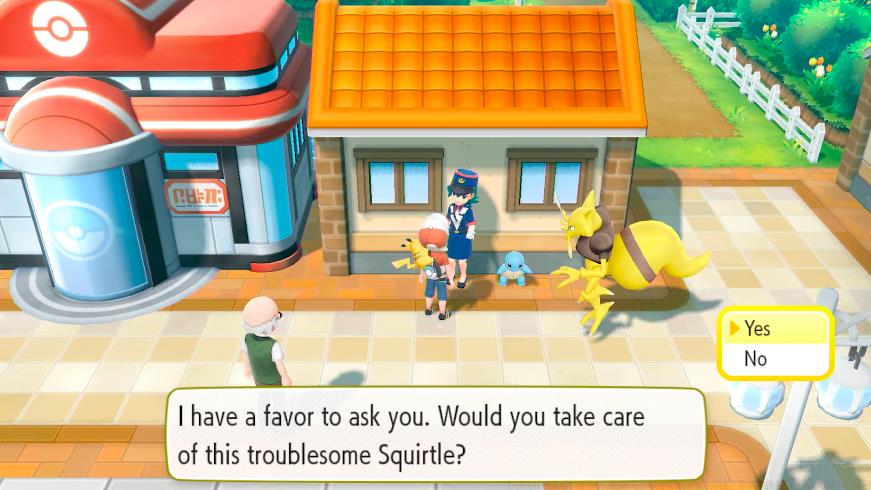
Securing the original starters through non-player character gifts represents the most reliable approach for trainers seeking predictable results. This method eliminates the randomness of wild encounters while providing Pokémon with consistently solid base stats. The system rewards cumulative catching effort rather than requiring specific Pokémon types, making it accessible even for casual players.
The mechanics work through a simple but effective progression: each NPC requires you to reach specific catch milestones. These totals include duplicates of species you’ve already registered, meaning focused catching sessions in early routes can quickly accumulate toward your goals. The key advantage lies in the guaranteed Individual Values (IVs) these gifted Pokémon possess, making them superior for competitive training compared to randomly encountered specimens.
- Bulbasaur: Located with a resident in Cerulean City who rewards your dedication after capturing 30 Pokémon total. This Grass-type starter arrives at Level 12 with a balanced moveset including Tackle, Growl, Vine Whip, and Leech Seed.
- Charmander: Provided by an enthusiast on Route 24 beyond Nugget Bridge once your Pokédex records 50 captures. The Fire-type companion joins at Level 14 equipped with Scratch, Growl, Smokescreen, and Ember for immediate battle readiness.
- Squirtle: Awarded by Officer Jenny in Vermillion City after achieving 60 total Pokémon caught. This Water-type partner enters your team at Level 16 with the defensive moveset Tackle, Tail Whip, Bubble, and Withdraw.


For trainers preferring the thrill of the hunt or seeking multiple specimens for trading, wild encounters provide an alternative acquisition path. These appearances follow specific spawn mechanics that experienced players can leverage to their advantage. Understanding location patterns and spawn conditions dramatically increases your success rate.
Verified sightings confirm Bulbasaur appearing in Viridian Forest, though its spawn rate remains notably low. Charmander emerges within the darkness of Rock Tunnel, requiring Flash HM navigation capabilities. Squirtle manifests along Route 24 and the challenging Seafoam Islands, with higher appearance rates in later game areas.
Successful wild starter hunting demands patience and preparation. These rare Pokémon typically exhibit lower catch rates than common species, making quality Poké Balls and strategic throwing techniques essential. Many veteran trainers recommend establishing catch combos of common Pokémon in these areas first, as this mechanic significantly boosts rare spawn probabilities.
Mastering starter acquisition involves more than simply knowing locations—it requires strategic planning and execution. One common mistake involves attempting wild catches too early without proper resources, resulting in wasted opportunities and frustration. Instead, focus on building your team and resources before pursuing these rare encounters.
Efficient catching methodology suggests concentrating on early-route Pokémon like Pidgey and Rattata to quickly reach NPC gift thresholds. These species offer high encounter rates and manageable catch difficulties, allowing rapid progress toward your 30, 50, and 60 catch goals. Remember that the counter tracks total captures, not unique species, making repetition your ally.
For advanced players seeking perfect IV specimens, combining both methods proves most effective. Use NPC gifts for reliable team members while hunting wild starters for potential superior individuals. This dual approach balances guaranteed progress with optimization opportunities, a strategy detailed further in our Weapons Unlock guide for similar progression systems.
Team composition planning should account for when you’ll acquire each starter relative to gym progression. Bulbasaur’s early availability makes it valuable against the first two gyms, while Charmander and Squirtle arrive as your challenge Cerulean Gym and beyond. Consider how each starter complements your partner Pokémon’s strengths and weaknesses.
Action Checklist
- Catch 30 total Pokémon to unlock Bulbasaur gift in Cerulean City
- Reach 50 captures to claim Charmander from NPC on Route 24
- Achieve 60 total catches for Squirtle reward in Vermillion City
- Hunt wild starters in verified locations using catch combos
- Compare IVs between gifted and wild specimens for optimal team building
No reproduction without permission:SeeYouSoon Game Club » Pokemon Let’s Go: How To Get Charmander, Squirtle, And Bulbasaur Complete guide to obtaining all original starter Pokémon in Let's Go Pikachu and Eevee with expert strategies