
TL;DR
- Monk excels as hybrid melee/ranged class scaling powerfully into endgame content
- Prioritize Dexterity and Intelligence attributes for mobility and mana management
- Lightning and air skills form the core damage rotation with frost for utility
- Quarterstaff remains essential early game before transitioning to elemental focus
- Strategic passive tree planning enables smooth progression toward chosen Ascendancy
Mastering the Monk class in Path of Exile 2 delivers exceptional gameplay satisfaction when you implement proper build strategies from the outset. This versatile combatant represents one of six launch classes available during early access, blending melee prowess with ranged elemental capabilities across multiple viable build archetypes.
The Monk’s combat identity centers on hybrid engagement tactics, allowing players to fluidly transition between close-quarters quarterstaff techniques and devastating elemental projectiles. While initial power levels may feel modest during early gameplay sessions, the class undergoes remarkable transformation through careful attribute allocation and skill selection, ultimately emerging as a dominant force in endgame scenarios.
For players seeking comprehensive Monk development guidance, this detailed walkthrough provides essential strategies for skill optimization, attribute distribution, and progression planning.
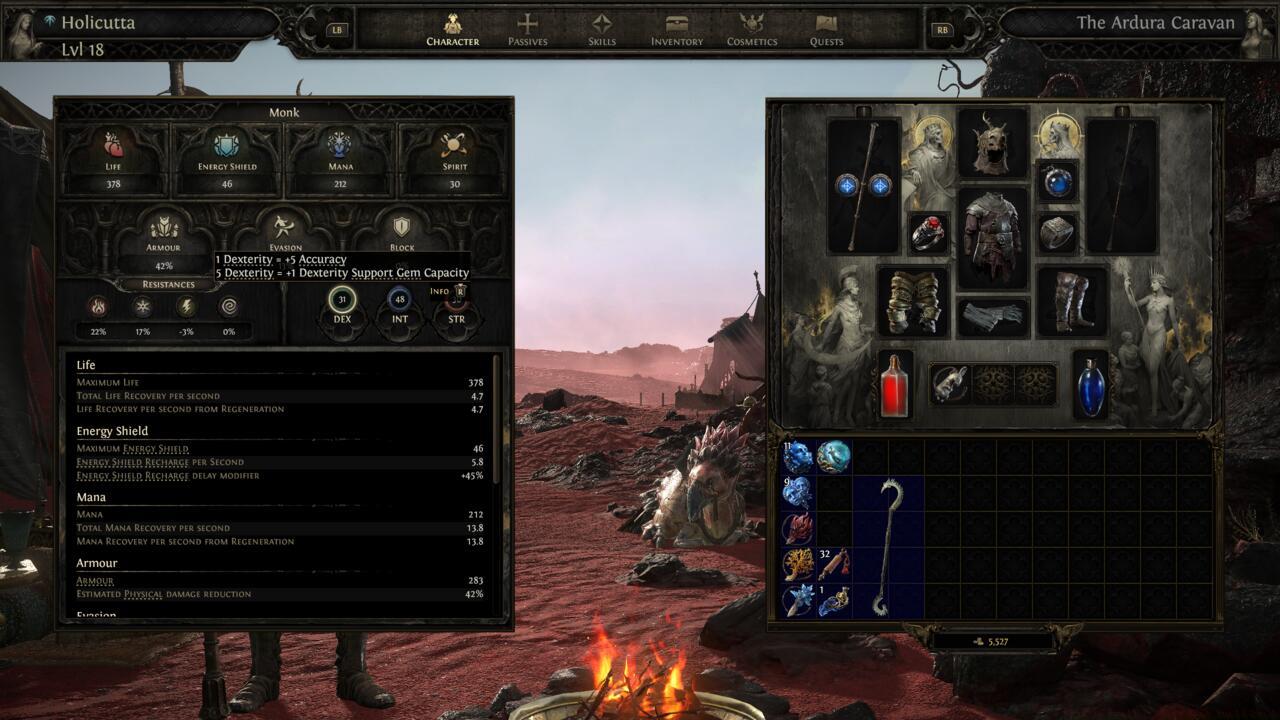
Strategic attribute allocation forms the foundation of effective Monk gameplay, with Dexterity and Intelligence serving as primary stats.
Beginning your Path of Exile 2 journey as a Monk grants immediate access to consistent quarterstaff melee strikes complemented by fundamental ranged elemental abilities. The class harnesses lightning and frost elemental forces alongside air-based techniques capable of damaging adversaries while applying crowd control effects like stunning. During initial leveling phases, employ every available skill regardless of damage classification to maximize combat effectiveness.
As your Monk advances beyond level ten, strategic specialization into one or two primary damage types creates powerful synergistic effects within your build framework. This focused approach establishes clear direction for passive skill tree development and streamlines eventual Ascendancy selection decisions.
Regardless of current character level, consistently prioritize boosting Dexterity and Intelligence attributes through gear selection and passive allocations. The Monk’s combat methodology emphasizes mobility and evasion both at close range and from distance. Dexterity enhances your Monk’s agility and positioning capabilities, while Intelligence guarantees sufficient mana reserves to continuously cast the diverse elemental skills at your disposal.
Dexterity and Intelligence remain your cornerstone attributes throughout the entire gameplay experience.
Many players eventually phase out basic quarterstaff attacks to concentrate exclusively on elemental techniques. However, during early gameplay stages, these melee strikes typically deliver superior damage output against standard enemies, making them valuable panic buttons during difficult encounters. Quarterstaff attacks provide the additional benefit of consuming zero mana, offering significant resource conservation advantages during initial levels before mana pools expand sufficiently to sustain continuous skill usage.
With foundational Monk mechanics established, we can now explore optimal skill selection methodologies. Currently, the most effective development path emphasizes lightning-based abilities as primary damage sources, complemented by selective air skill integration for enhanced combat control.
During early character progression, freely combine lightning and air techniques with frost skills, as available hotbar space accommodates diverse ability combinations. Glacial Cascade stands out as the premier frost skill selection, functioning as an exceptionally potent boss elimination tool for Monk characters. This ranged capability generates a linear frost trajectory across the battlefield that detonates upon reaching its maximum range. Repeatedly deploying this technique against major enemies from moderate distances inflicts massive damage while potentially freezing targets, creating vulnerability windows for follow-up assaults.
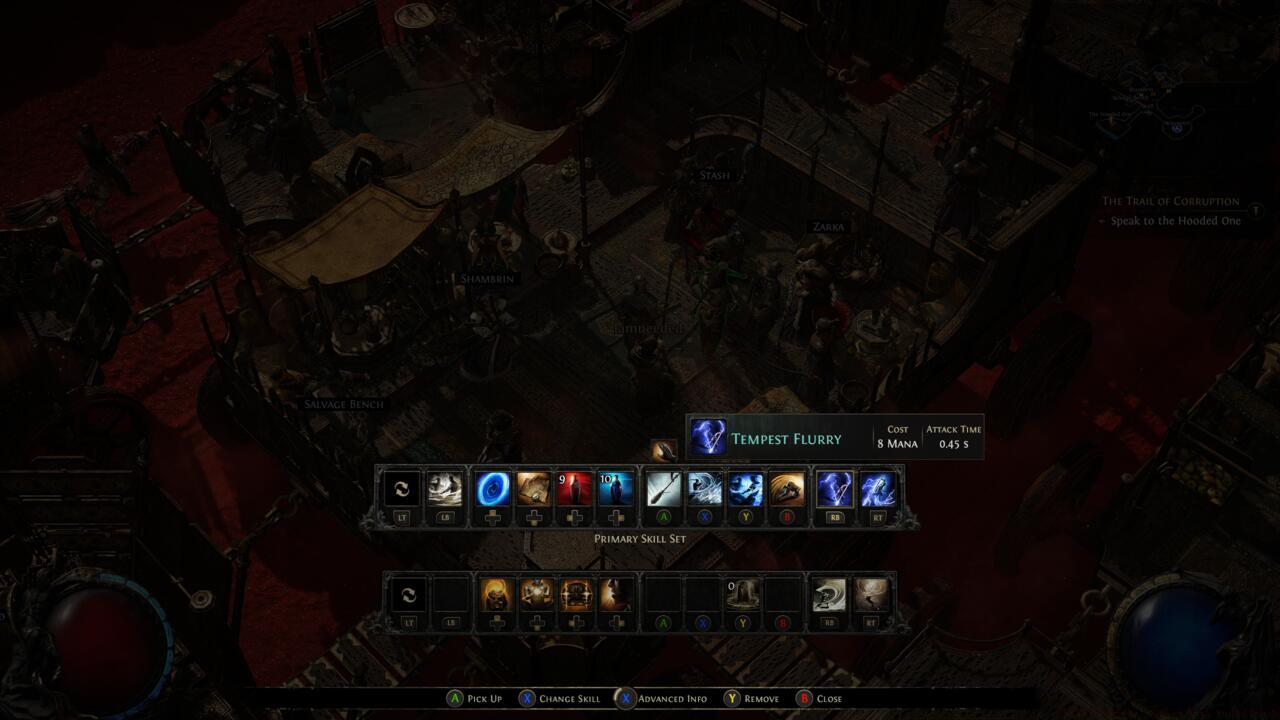
Monk skill diversity spans multiple elemental damage types and attack formats, enabling adaptable combat approaches.
Lightning skills typically deliver superior clearing capabilities against grouped enemies, while air skills provide valuable crowd control through stunning mechanisms. The most common mistake new Monk players make involves over-specializing too early, limiting their adaptability against various enemy types. Instead, maintain a balanced skill portfolio until you identify your preferred playstyle around level 20-25.
Advanced optimization involves sequencing skills to maximize damage windows. For example, following an air skill stun with concentrated lightning attacks during the vulnerability period dramatically increases effective damage output. This skill rotation strategy separates competent Monk players from truly exceptional ones.
For players transitioning from other action RPGs, the Monk’s skill system shares similarities with hybrid casters in games like Diablo 4, though with greater emphasis on elemental combinations. Understanding these parallels can accelerate mastery of the class’s unique mechanics.
Support gems represent crucial components for enhancing your Monk’s combat capabilities, transforming basic skills into devastating techniques through various amplification and utility effects.
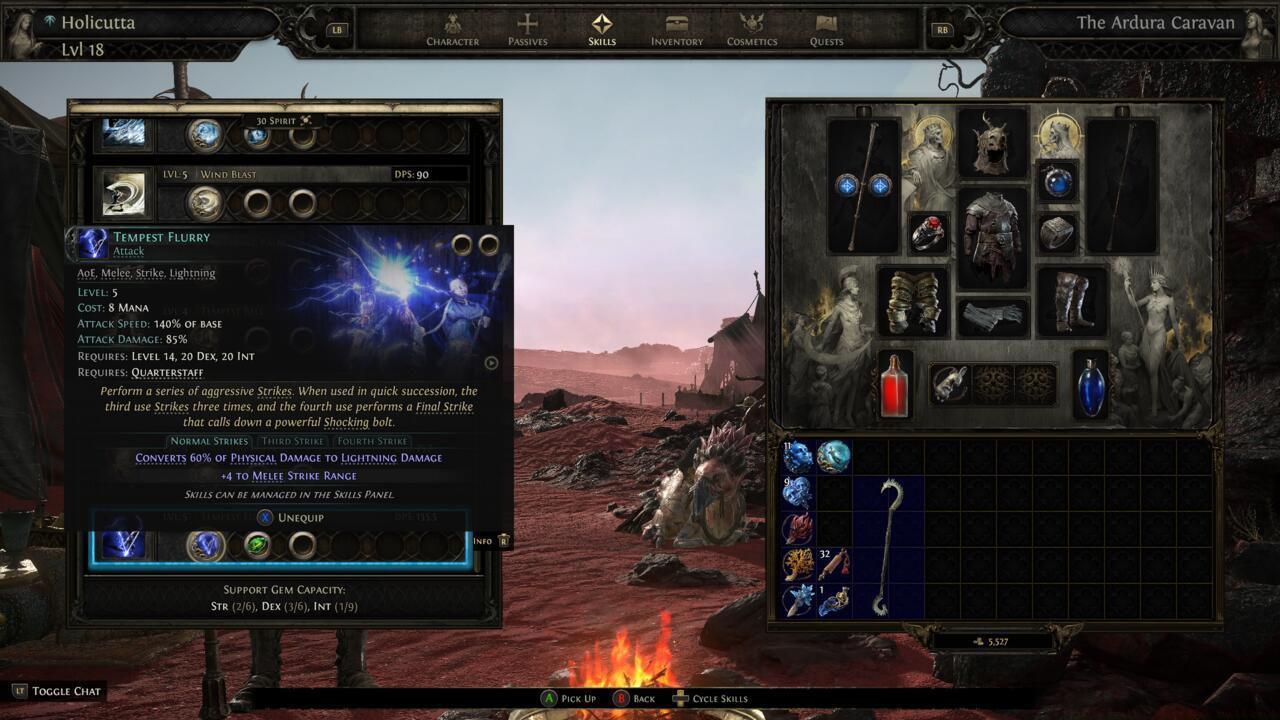
Strategic support gem implementation significantly improves your Monk’s skill performance across multiple combat dimensions.
Damage-focused support gems should prioritize lightning and elemental damage amplification, while utility options should enhance area coverage, projectile behavior, or resource efficiency. The most effective support combinations typically include at least one damage multiplier and one quality-of-life enhancement.
Many players underestimate the importance of mana efficiency supports during early and mid-game, leading to frustrating combat interruptions. Incorporating at least one mana conservation support gem ensures smooth skill rotation execution, especially during extended encounters.
Advanced gem strategies involve creating complementary skill combinations where support gems benefit multiple active abilities simultaneously. This approach maximizes gem slot efficiency and creates more versatile combat capabilities.
Common gem selection errors include over-investing in damage at the expense of sustainability, or conversely, prioritizing defense too heavily and sacrificing clear speed. The optimal balance typically emerges through experimentation with different support combinations tailored to your specific playstyle preferences.
The passive skill tree offers extensive customization opportunities for your Monk, enabling specialized development toward specific combat roles and playstyles.
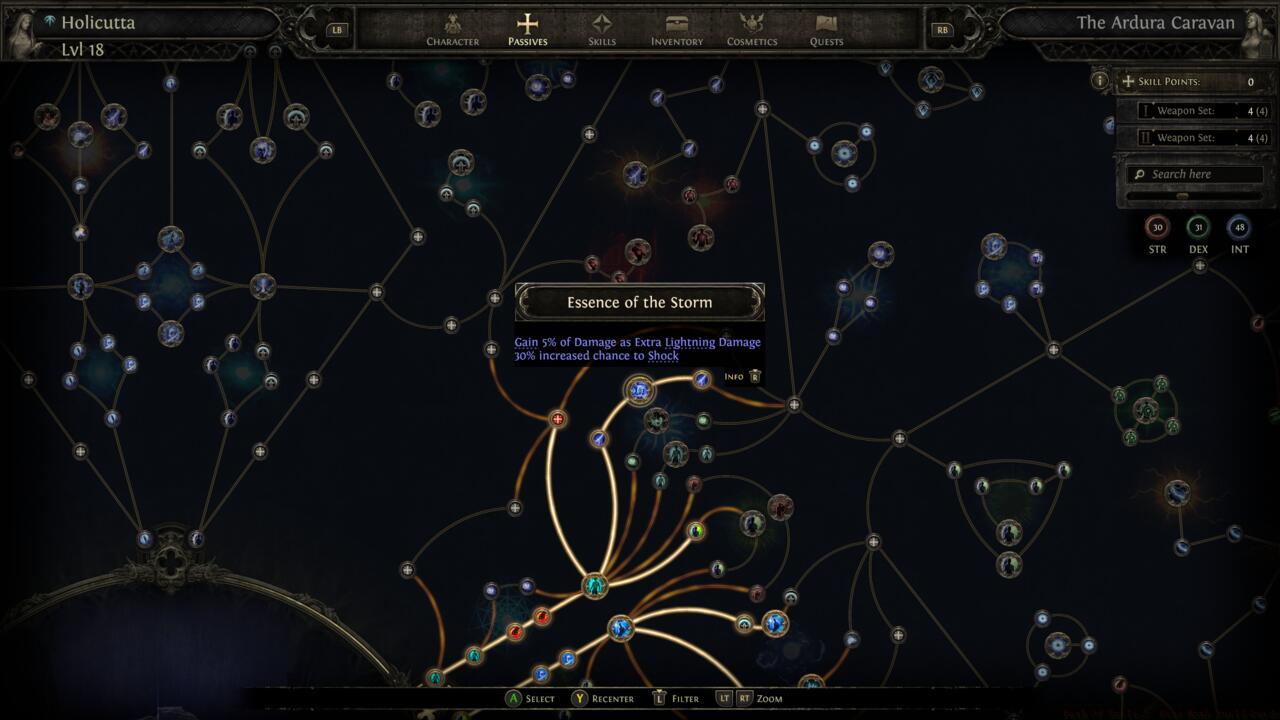
Strategic passive ability selection enhances your Monk’s capabilities across multiple combat dimensions and playstyles.
Early passive selections should establish solid foundations in both Dexterity and Intelligence, ensuring balanced development of mobility and mana resources. As you progress, gradually shift toward more specialized nodes that amplify your chosen damage types and combat methodologies.
Many players make the critical error of spreading passive points too thinly across multiple damage types, resulting in mediocre performance across all capabilities rather than excellence in specific areas.
Mid-game passive development should align with your emerging skill preferences and anticipated Ascendancy path. This forward-looking approach prevents costly passive respec requirements later in your progression.
Endgame optimization involves careful pathing through the tree to access keystone passives that fundamentally alter your gameplay approach. These significant investments should only be made after thorough research and planning.
Advanced players often utilize path of exile community tools to plan their passive tree progression in advance, avoiding inefficient point allocation and ensuring smooth power scaling throughout their gameplay experience.
Ascendancy choices represent defining moments in your Monk’s development, fundamentally shaping your character’s capabilities and combat identity.
The available Ascendancy options for Monk typically emphasize either enhanced elemental mastery, improved mobility and evasion, or hybrid combat capabilities. Your selection should directly complement your established skill preferences and playstyle approach.
Many players struggle with Ascendancy decisions due to insufficient understanding of how each path interacts with their current build framework.
Strategic Ascendancy selection involves evaluating both immediate power spikes and long-term viability. Some paths offer dramatic early improvements but limited scaling potential, while others provide modest initial benefits with exceptional endgame performance.
Common selection errors include choosing Ascendancies based on popularity rather than compatibility with your specific build, or selecting paths that require complete skill overhauls to function effectively.
For players seeking additional class guidance beyond Monk specifics, our comprehensive Class Guide provides valuable insights into character selection strategies across multiple gameplay archetypes.
Advanced planning for your Ascendancy path should begin during mid-game development, allowing sufficient time to adjust your passive tree and skill selections to maximize synergy with your chosen path.
Action Checklist
- Establish Dexterity/Intelligence foundation through gear and early passives
- Experiment with lightning, air, and frost skills during levels 1-15
- Specialize into primary damage type around level 20
- Optimize support gem combinations for damage and sustainability
- Plan passive tree path toward chosen Ascendancy
No reproduction without permission:SeeYouSoon Game Club » Path Of Exile 2: Best Monk Build Guide Master the Monk's elemental combat and strategic progression in Path of Exile 2 with expert build guidance