
Essential skill progression strategies and practical optimization tips for mastering Oblivion Remastered gameplay
Introduction to Oblivion’s Skill System
Oblivion Remastered presents players with 21 distinct skills that shape their journey through Cyrodiil. Your character’s effectiveness hinges on strategic skill selection aligned with your chosen class and attribute distribution. Unlike many RPGs, Oblivion offers remarkable freedom in character development, allowing you to forge a unique identity through skill specialization.
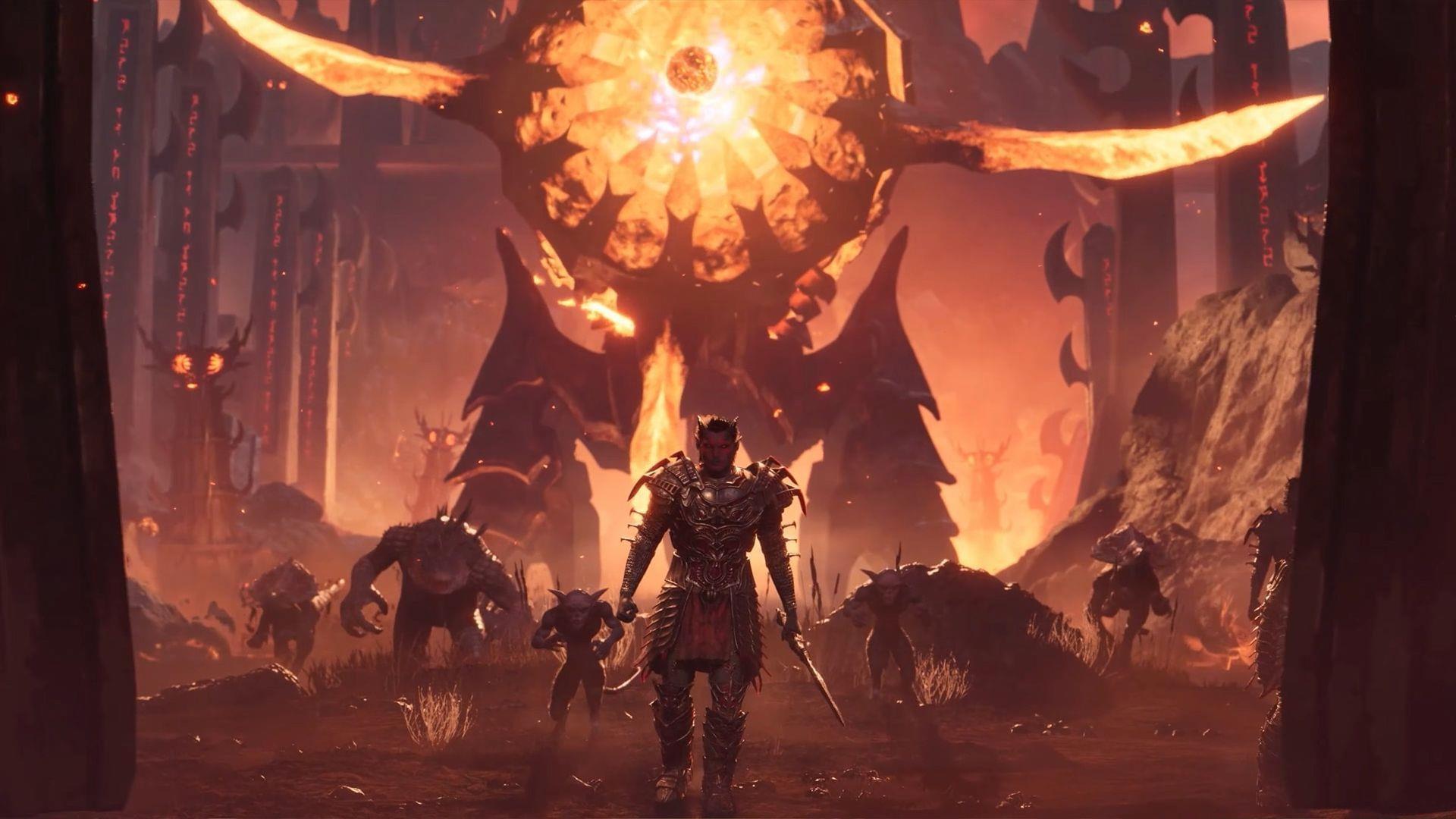
This guide focuses on eight critical skills that provide maximum impact during your initial hours and throughout your adventure. They’ve been organized by functional category rather than strict priority, as different playstyles require different skill hierarchies. Understanding these skills’ synergistic relationships will help you create a more effective character.
Common Beginner Mistake: Many players spread skill points too thinly across multiple combat skills early on. Specializing in one primary combat skill (Blade, Marksman, OR Destruction) while developing support skills yields better results than mediocre proficiency in several.
Foundational Support Skills: Alchemy & Restoration
Alchemy serves as both an economic engine and utility system in Oblivion Remastered. Creating potions provides consumables for your adventures and valuable goods for sale. However, this skill demands early commitment due to its progressive nature – the most powerful effects require significant investment.
Alchemy Skill Progression:
Practical Tip: Collect every ingredient you encounter during early exploration. Create basic potions frequently to level Alchemy efficiently, even if you sell the results. Focus on discovering useful combinations like Restore Health (Blessed Thistle + Columbine) or Damage Magicka (Nightshade + Vampire Dust).
Restoration deserves attention regardless of your chosen build. This magic school eliminates reliance on healing potions, dispels debilitating conditions, and provides the only reliable cure for vampirism. While leveling Restoration can feel gradual, starting early ensures you have vital healing capacity when needed most.
Restoration Skill Progression:
Optimization Strategy: Create a custom “Practice Healing” spell with minimal magicka cost and cast it repeatedly while exploring. This provides consistent skill advancement without combat pressure. Restoration becomes particularly valuable during extended dungeon crawls where potion supplies dwindle.
Stealth Specialization: Sneak vs. Illusion
Stealth-oriented characters face a critical decision between two complementary approaches: the martial-focused Sneak skill or the magical Illusion school. Each offers distinct advantages for different playstyles.
Sneak enhances traditional stealth gameplay, rewarding undetected movement and positioning. This skill synergizes powerfully with Blade and Marksman for devastating sneak attacks. Organic development through regular sneaking in dungeons and towns proves sufficient for steady progression.
Sneak Skill Progression:
Advanced Technique: Practice sneaking directly behind stationary NPCs in towns. The skill increases based on proximity while undetected, not just successful attacks. This allows safe skill farming without combat risks.
Illusion offers a magical approach to stealth through spells like Invisibility and Chameleon. This school effectively “cheeses” detection mechanics, allowing you to bypass enemies entirely rather than engaging them. Illusion requires substantial magicka investment but provides unparalleled avoidance capabilities.
Illusion Skill Progression:
Critical Distinction: Sneak enhances martial damage output for combat-oriented stealth characters, while Illusion focuses on avoidance and crowd control. Choose Sneak if you enjoy tactical assassinations, or Illusion if you prefer bypassing encounters through magical means. Illusion’s 100% Chameleon effect (from multiple items) essentially breaks game balance, making you permanently undetectable.
Combat Core Skills: Blade, Marksman, and Destruction
Your primary combat skill defines your engagement approach in Oblivion Remastered. These three options cater to different tactical preferences, each with unique progression rewards.
Blade proficiency affects all edged weapons, from daggers to greatswords. This skill becomes immediately useful during the introductory dungeon and scales effectively throughout the game. Beyond raw damage improvements, Blade introduces valuable status effects at higher levels.
Blade Skill Progression:
Combat Tip: Against heavily armored opponents, use power attacks to apply Weakness to Normal Weapons before switching to regular attacks. This debuff significantly improves subsequent damage output against resistant enemies.
Marksman caters to ranged combat specialists who prefer tactical positioning over direct confrontation. Archery requires early investment since low accuracy and slow draw speed can prove fatal in urgent situations.
Marksman Skill Progression:
Aiming Strategy: The Journeyman zoom ability isn’t just cosmetic – it provides actual accuracy improvement at distance. Use this to eliminate enemies before they close to melee range, especially against dangerous spellcasters.
Destruction magic offers elemental combat through fire, frost, and shock spells. This skill provides versatile damage types to exploit enemy vulnerabilities. While purchasing spells requires gold, the variety available ensures you can always find appropriate tools for different situations.
Destruction Skill Progression:
Elemental Advantage: Different enemies have specific vulnerabilities. Fire damages troll regeneration, frost slows physical attackers, and shock bypasses most resistances. Carry at least two elemental types to handle various encounters effectively.
Equipment Maintenance: Armorer Skill
Weapons and armor deteriorate with use in Oblivion Remastered, even enchanted artifacts like Chillrend. The Armorer skill enables field repairs using repair hammers, saving substantial gold compared to blacksmith services while providing valuable convenience.
Armorer Skill Progression:
Economic Impact: At Master level, Armorer eliminates repair costs entirely. Considering high-level equipment repair can cost thousands of gold, this skill pays for itself many times over during a complete playthrough.
Practical Repair Strategy: Always carry 5-10 repair hammers once you reach Journeyman level. Repair equipment after each major encounter rather than waiting for severe degradation. Over-repaired items (Expert+) provide permanent stat bonuses, making Armorer one of few skills that directly improves equipment beyond baseline values.
Common Mistake: Players often neglect Armorer until their favorite weapon breaks at an inconvenient moment. Regular maintenance prevents equipment failure during critical battles and saves countless trips to blacksmiths.
Secondary Skill Development
While the previously discussed skills deserve focused attention, several secondary abilities develop naturally through regular gameplay without requiring active investment.
Armor skills (Heavy and Light) progress automatically when wearing corresponding equipment. Simply equip your preferred armor type from the beginning, and proficiency will increase through combat exposure. Mercantile improves through buying and selling transactions – regularly selling loot rather than discarding it provides steady advancement.
Athletics enhances your Fatigue/Stamina system, affecting running speed and power attack effectiveness. This skill advances through movement, so consider traveling on foot occasionally rather than always using the free horse available early in the game.
Passive Development Tip: Create an “armor training” set for town activities. When not expecting combat, wear your secondary armor type to develop that skill passively. Switch to primary armor before entering dangerous areas.
Skill Synergy Awareness: Many skills influence each other indirectly. High Mercantile improves prices for selling Alchemy potions. Better Athletics enhances Fatigue for Marksman drawing. Understanding these relationships helps you develop complementary skill combinations.
Character Building Philosophy
Oblivion Remastered ultimately celebrates player agency in character development. While certain skill combinations prove more effective mechanically (“meta” builds), personal enjoyment remains the primary success metric.
The skills highlighted in this guide provide strong foundations for various playstyles, but they represent starting points rather than rigid prescriptions. Experimentation often leads to discovering unexpectedly effective combinations that suit your individual approach to Cyrodiil’s challenges.
If you encounter difficulties, remember that console commands (on PC) and various gameplay adjustments exist to tailor the experience. The true objective isn’t min-maxed optimization but creating a character whose development journey you find engaging and rewarding.
Read more Oblivion Remastered articles here:
No reproduction without permission:SeeYouSoon Game Club » Oblivion Remastered: Best Skills to level in the beginning Essential skill progression strategies and practical optimization tips for mastering Oblivion Remastered gameplay