
Understanding Oblivion Remastered’s visual upgrades, gameplay preservation, and how it differs from fan remake projects
Introduction: The Remaster vs. Remake Distinction
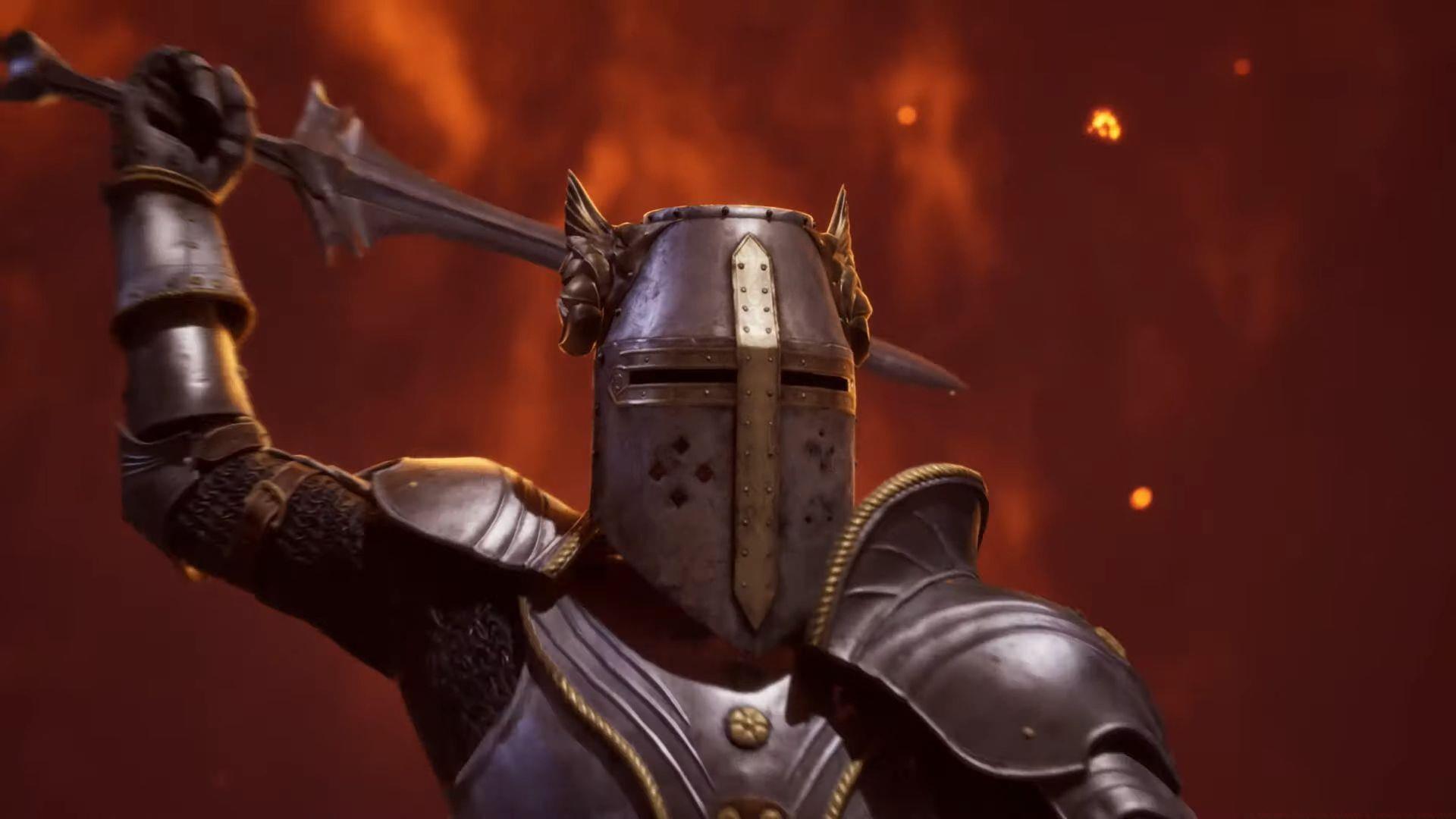
After extensive speculation spanning multiple years, Bethesda has officially unveiled The Elder Scrolls IV: Oblivion Remastered. For veteran players returning to Cyrodiil, the fundamental question emerges: does this represent a comprehensive remake or a visual enhancement? The development team has explicitly categorized this as a remaster, setting clear expectations about the project’s scope and limitations.
From a technical perspective, Oblivion Remastered unequivocally qualifies as a remaster based on industry standards. Bethesda and ZeniMax Online Studios deliberately selected this classification rather than positioning it as a remake. The project constitutes a thorough visual reconstruction, transitioning the entire game to Unreal Engine 5 for superior graphical rendering capabilities. Observers can immediately recognize the comprehensive asset recreation designed specifically for this modern engine, representing a monumental leap beyond the primitive texture quality that characterized the original 2006 release.
Technical Upgrades: Unreal Engine 5 Implementation
The migration to Unreal Engine 5 represents the most substantial technical achievement in Oblivion Remastered. This engine transition enables advanced rendering techniques including dynamic global illumination, virtualized geometry through Nanite technology, and enhanced particle systems. The visual overhaul extends beyond simple texture resolution increases to encompass completely recreated environmental assets, character models, and lighting systems.
Original Oblivion’s blocky, low-polygon architecture has been reconstructed with photorealistic material properties and physically-based rendering. Surface textures that previously appeared flat now demonstrate realistic wear patterns, material variation, and environmental weathering. Character models benefit from increased polygon counts, sophisticated skin shaders, and more natural facial animations, though the core character designs remain faithful to the original aesthetic.
Environmental details receive particular attention in this remaster. The famously vibrant forests of Cyrodiil now feature volumetric fog, dynamic weather effects, and significantly improved flora density. Dungeon interiors showcase enhanced shadow mapping and atmospheric lighting that dramatically improves immersion without altering the fundamental layout or navigation of these spaces.
Gameplay Preservation: What Stays the Same
Fundamental narrative components remain completely unchanged in Oblivion Remastered. The main questline involving Martin Septim and the Oblivion Crisis proceeds identically, with the same dialogue sequences, plot developments, and character arcs. Voice acting retains the original performances, preserving the distinctive characterizations that defined the 2006 experience.
Dungeon layouts and architecture maintain their original designs with minor quality-of-life adjustments. Players will recognize every corridor, chamber, and secret passage from the original game, though environmental details and lighting have been enhanced for visual appeal. The core exploration experience remains fundamentally unchanged despite the graphical improvements.
All gameplay systems persist without mechanical alterations. The attribute system governing Strength, Intelligence, Willpower, and other core statistics functions identically. The division between major and minor skills maintains the original progression pacing and leveling mechanics. Racial bonuses and special abilities remain precisely as implemented in the original release, ensuring veteran players can utilize their existing knowledge of character optimization strategies.
Combat mechanics preserve the original timing, animation priorities, and tactical considerations. While animations have been refined for visual smoothness, the underlying combat flow, spellcasting mechanics, and stealth systems operate with identical parameters. This ensures that established combat techniques and strategies remain effective without requiring adaptation to new mechanics.
Comparative Analysis: Skyblivion as a True Remake
Skyblivion represents a fundamentally different approach as a comprehensive remake rather than a visual remaster. This fan-driven project not only overhauls graphics but completely reimagines dungeon layouts, encounter design, and environmental storytelling. Where Oblivion Remastered preserves original level design, Skyblivion introduces entirely new spatial arrangements and navigation challenges.
The mechanical improvements in Skyblivion address longstanding criticism of Oblivion’s level scaling system. Enemy difficulty progression has been recalibrated to provide more consistent challenge curves, and loot distribution has been rebalanced to reward exploration more meaningfully. These systemic changes distinguish it as a true remake rather than merely a visual update.
Combat mechanics in Skyblivion incorporate elements from more recent Elder Scrolls titles, including dual-wielding capabilities, refined stealth systems, and enhanced magic mechanics. This represents a fundamental reworking of gameplay systems rather than the preservation approach taken by the official remaster. The project essentially rebuilds Oblivion’s content using Skyrim’s more modern gameplay foundation.
Practical Player Strategies and Common Pitfalls
Optimization Strategies for Returning Players: Veteran Oblivion players should leverage their existing knowledge of efficient leveling techniques. Focus on controlling major skill increases to manage level scaling effectively. The efficient leveling method involving skill preparation before sleeping remains crucial for maximizing attribute gains. Plan your major skills carefully around your intended build rather than frequently used skills.
Common Mistakes to Avoid: Newcomers often underestimate the importance of efficient attribute progression. Avoid the pitfall of leveling too quickly without corresponding attribute gains, as this creates underpowered characters against scaled enemies. Don’t neglect Acrobatics and Athletics despite their removal as skills in later Elder Scrolls titles – they remain vital for navigation and mobility in Oblivion’s world design.
Advanced Character Building: Specialize in complementary skill combinations rather than spreading points too thinly. Magic users should prioritize Intelligence and Willpower while combining Destruction with complementary schools. Melee fighters benefit from focusing on either Strength or Agility-based approaches rather than hybrid builds initially. Stealth characters achieve best results by specializing in either Marksman or Blade rather than attempting both simultaneously.
Technical Performance Considerations: Despite the visual upgrades, the underlying game engine maintains similar system requirements relative to modern standards. However, the enhanced textures and effects may necessitate stronger hardware than the original. Monitor performance in densely forested areas and during large-scale Oblivion gate battles where particle effects and NPC counts peak.
No reproduction without permission:SeeYouSoon Game Club » Is the new Oblivion release a remake or remaster? Understanding Oblivion Remastered's visual upgrades, gameplay preservation, and how it differs from fan remake projects