
TL;DR
- Minecraft’s biome system has evolved from simple grasslands to over 60 unique environments with distinct resources
- Plains biomes offer ideal starting locations with abundant farm animals, horses, and rare donkey spawns
- Forest variants provide specialized resources – flower forests for dyes, dark forests for dangerous but rewarding exploration
- Strategic biome selection dramatically impacts survival success and resource acquisition efficiency
- Understanding biome-specific mob behaviors and terrain advantages is crucial for advanced gameplay
Minecraft’s landscape has transformed dramatically from its early days of basic grasslands and woodlands. Have you encountered the spectacular Eroded Badlands with their towering spire formations? Or discovered the isolated safety of Mushroom Fields where hostile mobs cannot spawn?
Note: This guide focuses on the Bedrock version of Minecraft, available on Windows 10, Xbox, PlayStation, Switch, and mobile.
When Minecraft first launched, players encountered only a handful of common biome types. Over a decade of development has introduced remarkable diversity, including exceptionally rare environments that can take hours of exploration to locate. This comprehensive biome overview corresponds with Minecraft version 1.17, while the anticipated 1.18 update promises additional underground sub-biomes like lush caves, cheese caves, and spaghetti caves. We’ll examine all primary Overworld biomes and their distinguishing characteristics, plus the transitional variant biomes that emerge along biome boundaries.
Below you’ll find detailed breakdowns of each biome category, their specialized variants, and the valuable resources awaiting discovery within each unique ecosystem.
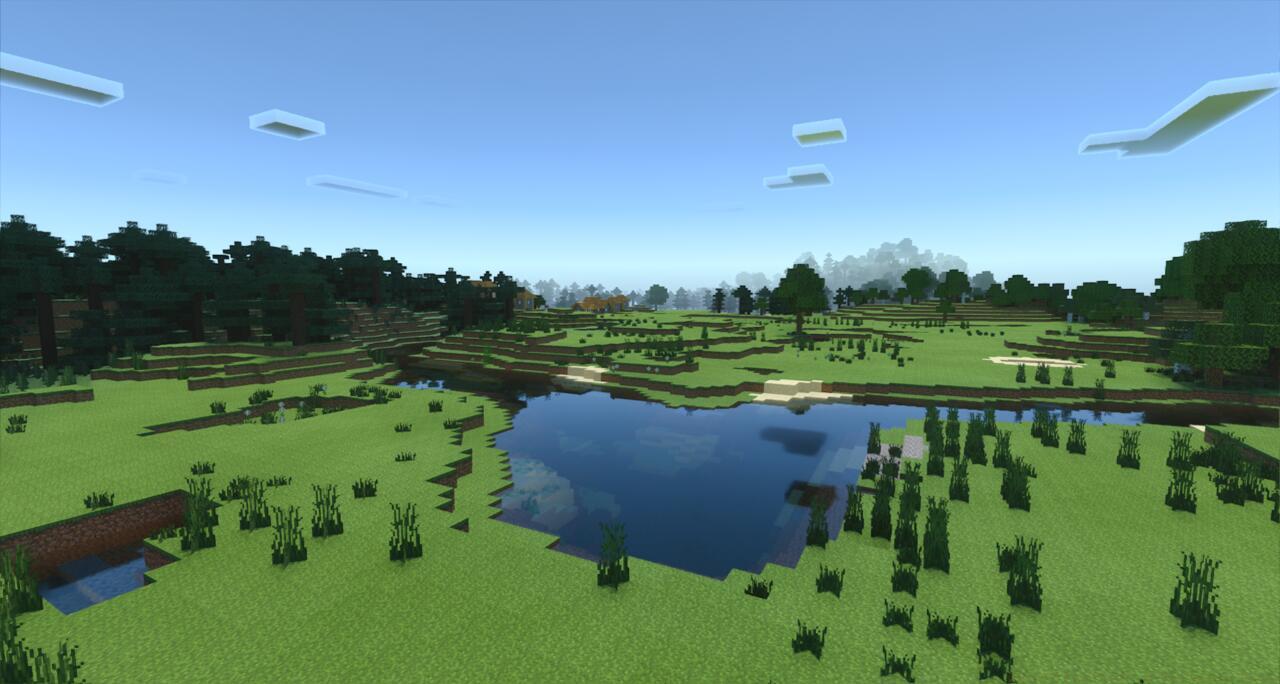
Plains represent one of Minecraft’s most frequently encountered biomes—even casual observers have likely seen screenshots featuring these characteristic flat landscapes. While predominantly level terrain, occasional oak trees dot the scenery, providing immediate access to basic wood resources.
These expansive areas generate common farm animals like cows, pigs, and sheep, alongside horses for transportation. Crucially, plains serve as the exclusive spawning ground for donkeys, which can be equipped with chests for mobile storage. Bee populations and naturally occurring beehives add beekeeping opportunities, while all standard hostile mobs appear during nighttime hours. Most flower varieties can spawn here, with the specialized sunflower plains variant being the sole source of sunflowers in the game. Villages and pillager outposts occasionally generate in plains, though their rarity makes each discovery particularly valuable for resource acquisition.
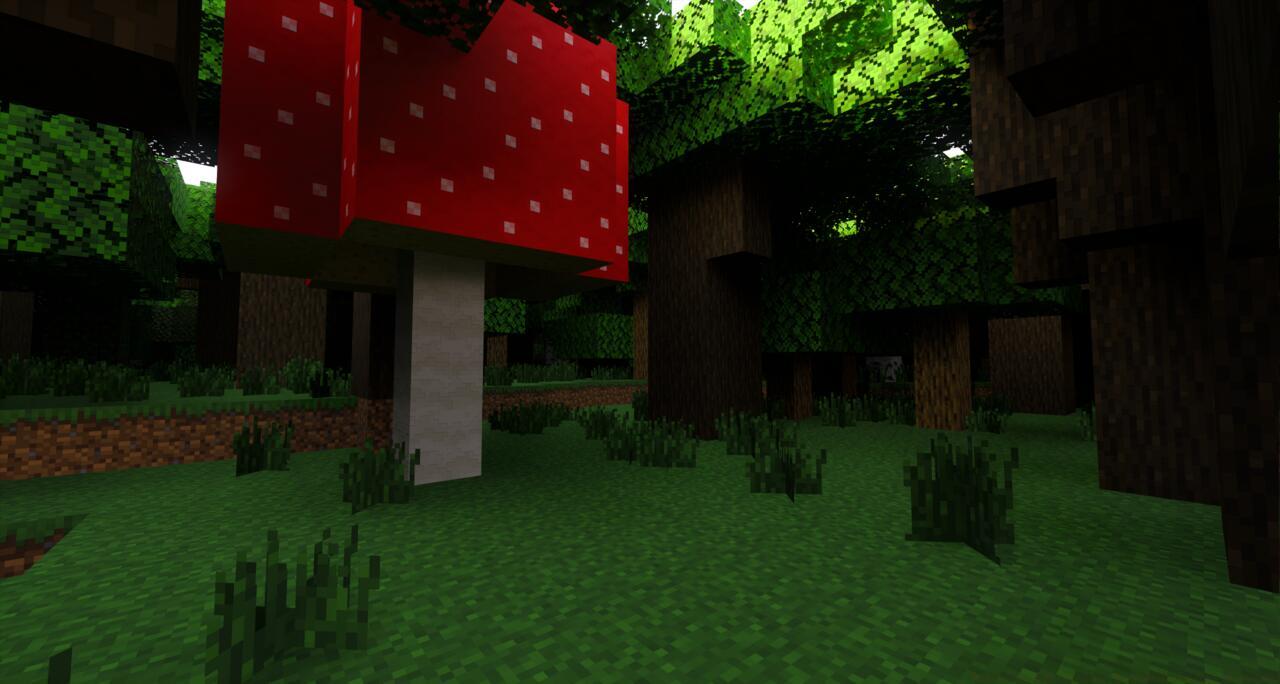
Forest biomes match plains in commonality and typically showcase dense concentrations of oak and birch trees interspersed with water features. These wooded areas uniquely support wolf spawns; these loyal companions can be tamed using bones and will subsequently defend your base from threats. Standard hostile mobs populate forests after dark, while rare lava pool formations can ignite surrounding vegetation, creating potential hazards or opportunistic cobblestone generation.
Minecraft features several distinct forest subtypes, each with specialized characteristics:
Seasoned Minecraft players understand that biome selection dramatically influences survival efficiency and progression speed. Beginners frequently underestimate the strategic importance of starting biome choice, often wasting valuable early-game hours in resource-poor environments.
Common Mistakes to Avoid:
- Building permanent bases in dark forests without adequate lighting, leading to constant mob sieges
- Overlooking plains biome donkey spawns, missing optimal early-game storage solutions
- Ignoring flower forest potential for mass dye production and decorative possibilities
Pro Exploration Tips:
- Always carry bone meal in plains biomes to rapidly cultivate emergency food sources
- Establish forward operating bases near biome borders to access multiple resource types efficiently
- Use the Complete Guide approach to systematically document discovered biomes for future navigation
Understanding biome-specific mechanics like the exclusive wolf spawns in forests or donkey availability in plains can save dozens of hours in resource gathering and transportation. The Weapons Unlock methodology applies well to Minecraft’s progressive resource acquisition across different environments.
Action Checklist
- Survey starting area biome composition before establishing permanent base
- Prioritize plains biome exploration to locate donkeys for mobile storage
- Collect multiple bone stacks in forest biomes for wolf taming and defense
- Document biome coordinates and resources using the systematic approach from our Class Guide
No reproduction without permission:SeeYouSoon Game Club » Minecraft Guide – What Makes Each Biome Special? Master Minecraft's diverse biomes with expert strategies for exploration, survival, and resource gathering