
TL;DR
- Learn to identify and exploit each biome’s unique resources and dangers
- Master survival tactics for extreme environments from deserts to ice spikes
- Understand mob behavior variations across different terrain types
- Optimize your exploration strategy based on biome-specific challenges
- Plan your progression path through temperate, hot, and cold regions strategically
Every Minecraft world presents a unique landscape, yet all share the same fundamental building blocks—the game’s extensive biome system. Each environment offers distinctive characteristics that significantly impact your survival strategy. From the towering rock formations of Eroded Badlands to the exclusive sunflower fields found only in Sunflower Plains, understanding these differences becomes crucial for long-term success.
Biome knowledge directly affects your survival odds in multiple ways. For instance, desert-dwelling zombies transform into Husks that withstand daylight without burning, while swamps become the sole source of rare blue orchids. Recognizing these patterns early can mean the difference between thriving and repeatedly respawning.
While Minecraft’s world generation appears limitless, strategic preparation transforms random exploration into calculated advancement. We’ve organized the primary biomes into three strategic categories: Temperate regions for beginners, Hot zones for resource gathering, and Cold territories for experienced players seeking unique challenges.
These beginner-friendly environments typically appear where players first spawn, offering relatively safe conditions for establishing your initial base. Plains, various forest types, and swamps provide balanced resources with manageable threats, making them ideal learning grounds.
Common Temperate Biomes:
- Plains: Flat terrain perfect for first builds with ample animal spawns
- Forests: Wood-rich areas with varying density and tree types
- Swamps: Unique flora including lily pads and rare blue orchids
Pro Tip: While temperate biomes seem safer, never underestimate the Dark Forest’s hostile mob density or the rare Witch Huts that generate in swamp regions. These areas demand careful navigation even for experienced players.
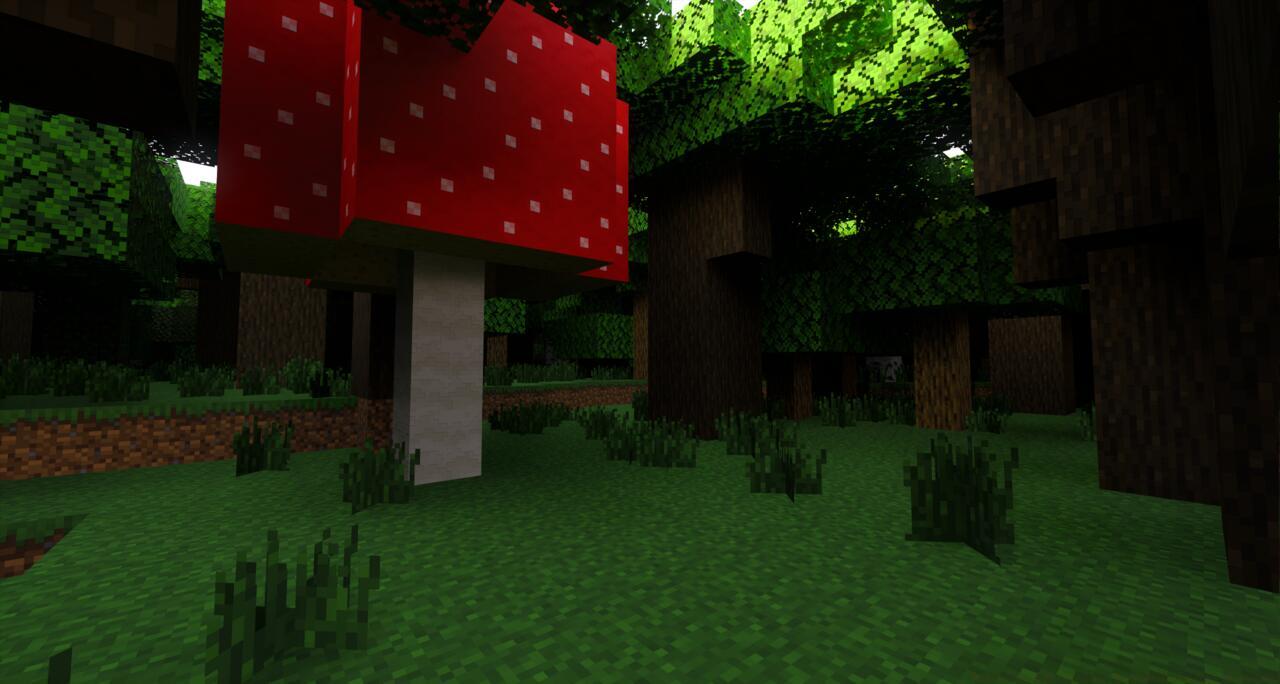
Strategic Advantage: Temperate biomes offer the most balanced start—adequate food sources, building materials, and manageable enemy encounters. Establish your main base here before venturing into more dangerous territories.
Minecraft’s warmest regions present both exceptional opportunities and significant challenges. While deserts appear frequently, locating Badlands and Jungles requires considerable exploration luck or strategic travel planning.
Desert Survival Essentials:
- Husks replace standard zombies and don’t burn in sunlight
- Limited wood resources necessitate alternative fuel sources
- Cactus farms become viable defensive perimeter options
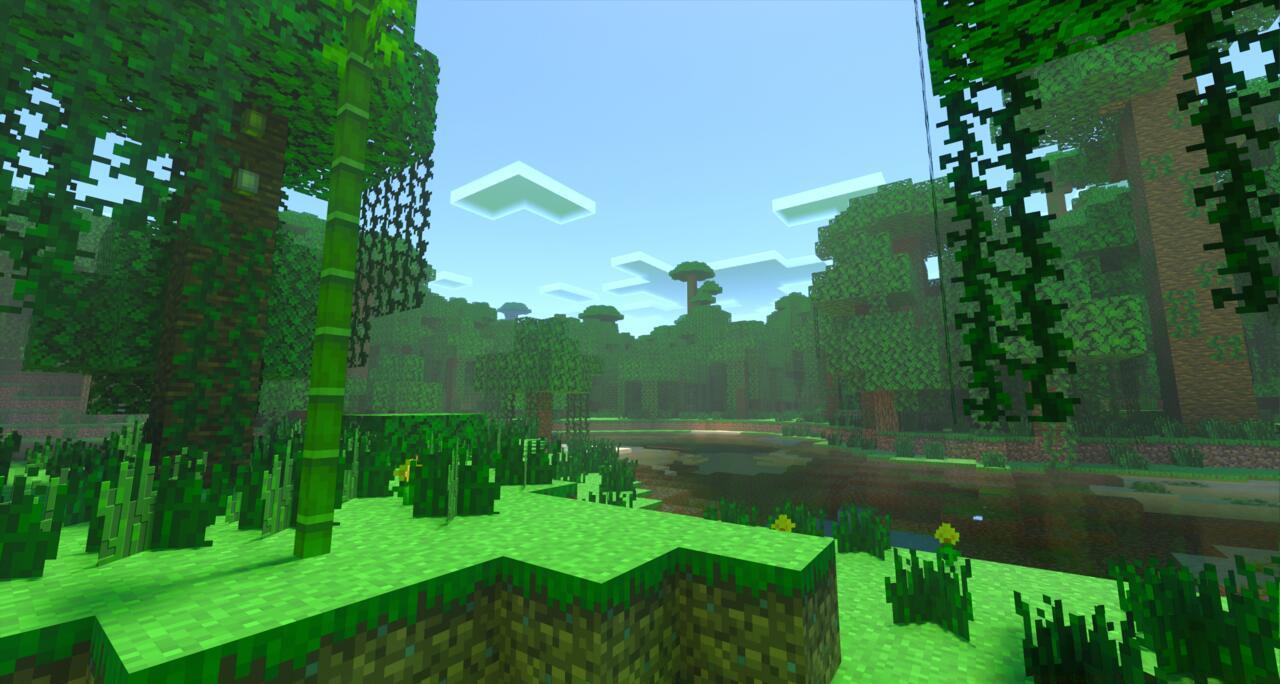
Jungle Exploration Tactics: These dense, humid forests contain unique resources like cocoa beans, melons, and parrots. The thick canopy makes navigation challenging but offers excellent hidden base locations. Vines provide natural ladder systems for vertical movement.
Common Mistake: Many players underestimate the dehydration rate in hot biomes. Always carry extra water bottles and establish emergency shelter points during extended exploration sessions.
These represent Minecraft’s most challenging environments, testing even veteran players’ skills. From ice-covered landscapes to underwater domains and mysterious mushroom islands, each presents unique obstacles requiring specialized preparation.
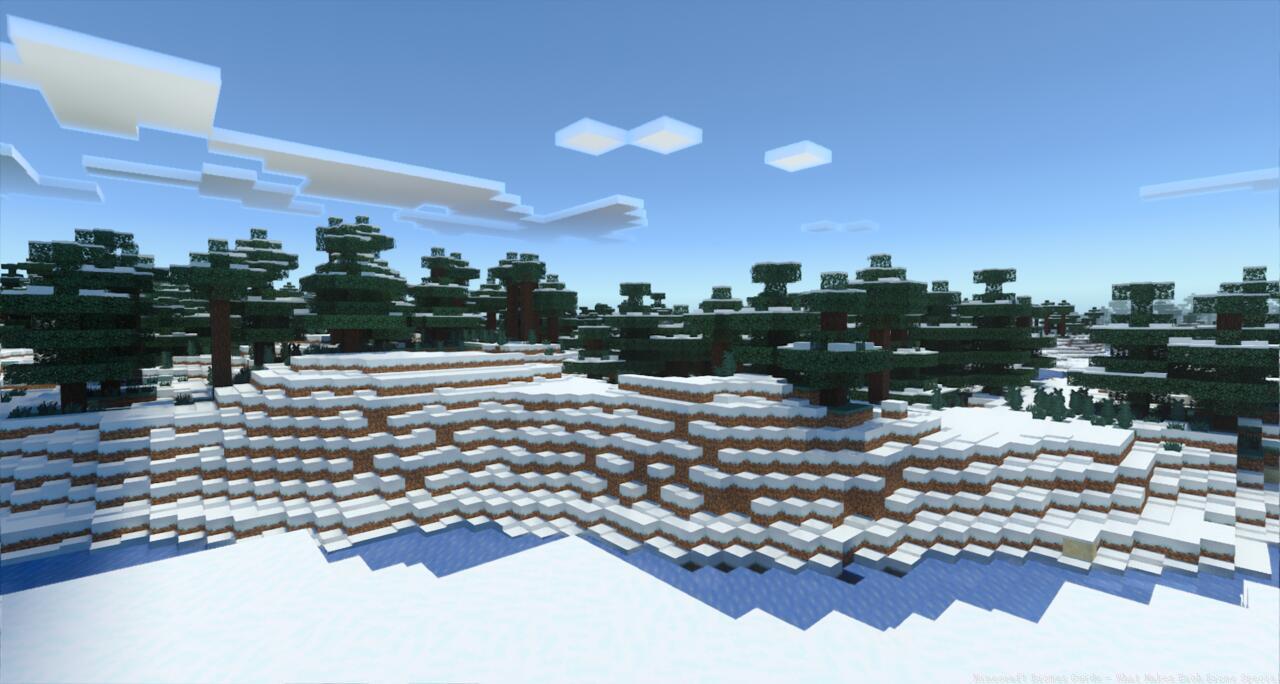
Snow Biome Strategies:
- Taiga regions offer spruce wood and wolf taming opportunities
- Snowy Tundras provide open terrain with limited natural cover
- Ice Spikes biomes create dramatic frozen spires perfect for ambitious builds
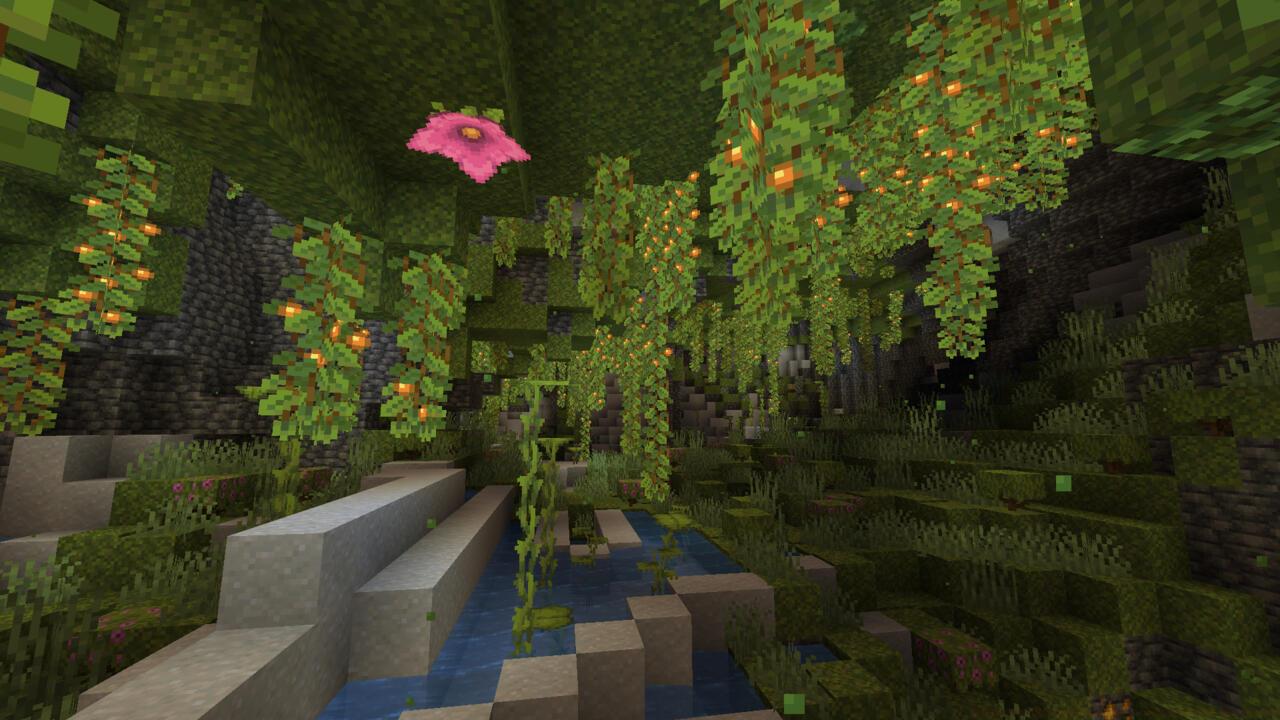
Underground Evolution: Minecraft’s subterranean world has transformed dramatically. While mining expeditions always carried tension, the underground now offers remarkable variety through Lush and Dripstone caves.
Ancient City Dangers: In the deepest depths, Ancient Cities introduce extreme threats. Triggering a Sculk Shrieker summons the Warden—a nearly blind but incredibly powerful mob that hunts by sound. Survival here demands complete silence and strategic movement.
Pro Tip: Always carry snowballs in cold biomes—they’re effective against Blazes and can break through certain ice types without tools.
Mastering biome navigation requires understanding the strategic progression path. Begin in temperate regions to establish your resource base, then systematically explore hot biomes for unique materials before tackling cold territories’ advanced challenges.
Resource Optimization: Each biome offers exclusive resources—deserts provide sand and cactus, jungles yield bamboo and cocoa, while snowy biomes offer packed ice and blue ice for advanced transportation systems.
Time Management: Plan your exploration sessions based on biome difficulty. Temperate regions typically require 1-2 hours for full resource mapping, while hostile biomes may demand 3-4 hour dedicated sessions with proper preparation.
Building Considerations: Adapt your architectural style to each environment. Desert builds benefit from sandstone and terracotta, while snowy bases should incorporate spruce and snow blocks for aesthetic cohesion.
Understanding these biome dynamics will transform your Minecraft experience from random wandering to strategic mastery. Each environment presents unique opportunities—learn to recognize and exploit them effectively.
Action Checklist
- Establish base in temperate biome with balanced resources
- Map local biome boundaries and identify transition zones
- Prepare desert exploration kit with extra water and alternative fuel sources
- Practice silent movement techniques for Ancient City navigation
- Build specialized outposts in extreme biomes for resource farming
No reproduction without permission:SeeYouSoon Game Club » Minecraft Biomes Guide – What Makes Each Biome Special Master Minecraft biome survival with expert strategies, resource guides, and terrain tactics