
TL;DR
- Tanks require strategic positioning and timing to create opportunities for damage dealers
- Understanding champion subtypes (Vanguard/Warden) determines your engagement style and team role
- Proper ability sequencing and soul management separate average Thresh players from masters
- Itemization choices should adapt to enemy team composition and current game state
- Effective communication and map awareness are crucial for successful tank initiation
Establish battlefield dominance through strategic positioning and calculated engagements with our comprehensive Wild Rift tank mastery guide. Mastering these resilient champions requires understanding both macro strategy and micro-execution.
League of Legends: Wild Rift delivers the authentic MOBA experience optimized for mobile platforms, featuring diverse champion classes across multiple roles. The tank specialization appeals particularly to players who thrive on frontline confrontation and creating space for teammates. These durable combatants excel at controlling engagements and protecting valuable allies.
Tank champions function as damage mitigation specialists, typically requiring coordinated efforts from multiple opponents to eliminate. Their exceptional durability enables them to spearhead assaults throughout match phases, creating safe zones for fragile damage dealers to operate effectively from protected positions.
Each tank champion specializes in either aggressive initiation (Vanguard) or defensive protection (Warden) roles. Both archetypes suit players who prefer close-quarters combat and dictating engagement terms. If you enjoy commanding attention while enabling teammate success, the tank class provides ideal gameplay dynamics.
This guide examines premier tank champions in League of Legends: Wild Rift, detailing their comprehensive ability kits and advanced tactical applications.
Mastering tank gameplay extends beyond simple durability—it requires precise mechanical execution and spatial awareness. Successful tank players understand when to engage, how to absorb damage efficiently, and where to position for maximum team impact.
Engagement timing separates competent tanks from exceptional ones. Initiate fights when your team has numerical advantage, cooldown availability, and proper vision control. Avoid committing when key abilities are unavailable or teammates are out of position.
Damage absorption techniques involve more than standing in harm’s way. Advanced players use ability sequencing to mitigate burst damage, position to draw focus away from carries, and utilize terrain for defensive advantages. Learning to balance aggression with preservation ensures you remain relevant throughout extended engagements.
Zone control represents a critical tank responsibility. By occupying strategic map positions, you deny enemy movement options and create safe pathways for teammates. This spatial dominance often determines objective control and team fight outcomes.
Understanding these core mechanics will significantly improve your performance regardless of which tank champion you select. For broader strategic context, consult our Class Guide covering all champion archetypes.
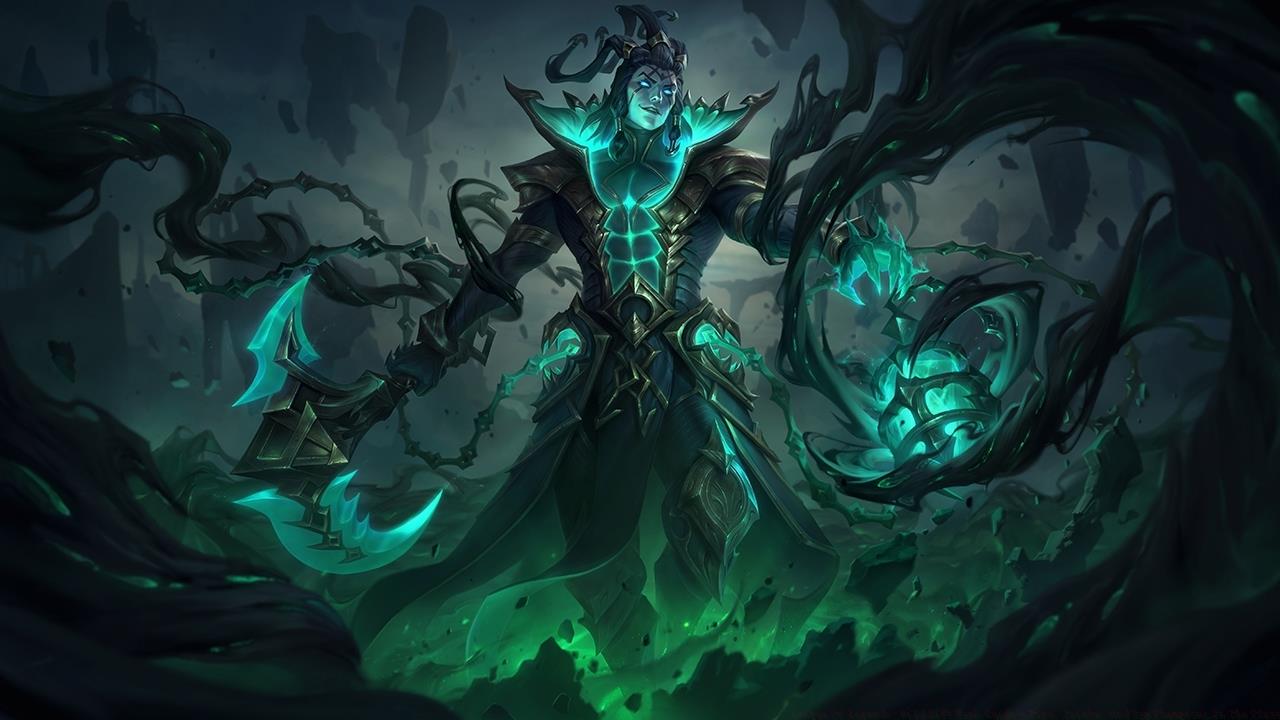
Thresh, the Chain Warden
Thresh exemplifies tank versatility, combining exceptional resilience with unparalleled battlefield manipulation. His unique capacity to reposition both allies and opponents makes him perpetually threatening throughout all match phases.
What distinguishes Thresh isn’t merely his damage absorption capability, but his extraordinary field control through strategic positioning adjustments. Leverage this control advantageously during conflicts—either displacing threats from vulnerable teammates using Death Sentence or creating escape routes with Dark Passage.
Ability 1: Death Sentence
Advanced Thresh mechanics involve predicting enemy movement for hook connections, understanding when to recast for repositioning versus maintaining crowd control, and managing soul collection while maintaining proper positioning.
Mastering Thresh requires developing spatial prediction skills and understanding engagement windows. His skill ceiling remains among the highest in the tank class, rewarding dedicated practice with exceptional playmaking potential.
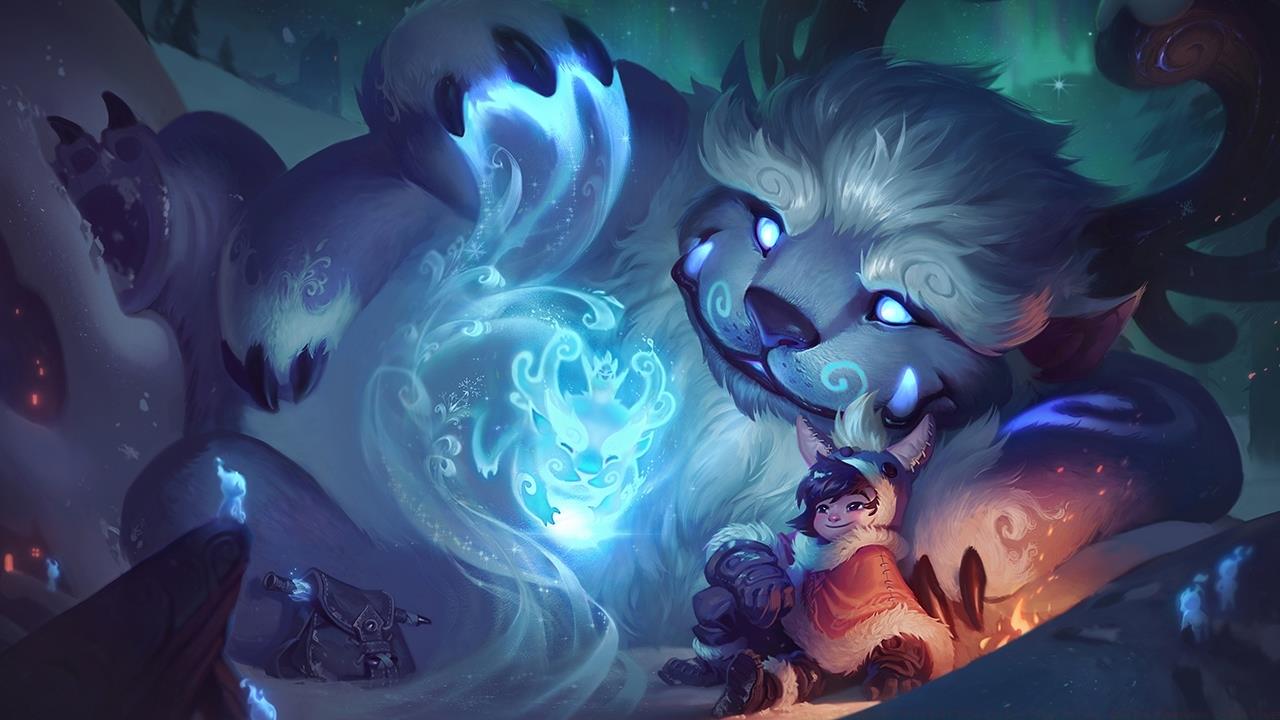
Nunu & Willump, the Boy and his Yeti
Braum, the Heart of the Freljord
Galio, the Colossus
Dr. Mundo, the Madman of Zaun
Many aspiring tank players struggle with common pitfalls that undermine their effectiveness. Recognizing these errors represents the first step toward mastery and improved team contribution.
Overextension remains the most frequent tank error. Engaging without teammate follow-up potential or proper escape routes often results in unnecessary deaths and lost objectives. Always verify team positioning before committing to aggressive plays.
Ultimate ability misuse significantly impacts team fight outcomes. Using crowd control ultimates on single targets or defensive ultimates after teammates have already died wastes crucial cooldowns. Time your ultimate abilities to maximize their impact on fight determination.
Itemization errors commonly plague developing tank players. Building identical items regardless of enemy composition reduces effectiveness dramatically. Adapt your defensive items to counter specific threat types—armor against physical damage dealers, magic resistance against casters.
Communication breakdowns represent another critical failure point. Tanks must coordinate initiation timing and target focus with their team. Without proper communication, even perfectly executed engages may fail due to lack of follow-up.
By addressing these common mistakes, you’ll rapidly improve your tank performance and climb ranked ladders more consistently. For comprehensive gameplay improvement, explore our Complete Guide covering advanced MOBA strategies.
Action Checklist
- Practice ability combos in training mode for 15 minutes before ranked sessions
- Review minimap every 3-5 seconds to track enemy positions and identify engagement opportunities
- Analyze enemy team composition and adapt item build accordingly
- Communicate initiation timing and target focus with team using ping system
- Study replay of one loss per day to identify positioning errors and missed opportunities
No reproduction without permission:SeeYouSoon Game Club » League Of Legends: Wild Rift Tank Guide – Tips, Tricks, And Top Champions In The Class Master tank champions in Wild Rift with advanced strategies, positioning tactics, and team fight dominance techniques