
TL;DR
- Support champions provide crucial team utility through crowd control, healing, and buffs
- Proper positioning and vision control are essential for survival and effectiveness
- Champion selection should complement your team composition and playstyle
- Mastering ability timing and cooldown management separates good from great supports
- Early game laning phase decisions heavily impact mid to late game outcomes
Elevate your team’s performance by mastering the strategic Support role in League of Legends: Wild Rift. This comprehensive guide provides the advanced knowledge needed to excel beyond basic gameplay mechanics.
Support champions serve as the backbone of any successful team composition, providing essential utility that enables carries to maximize their damage potential. Unlike damage-focused classes, supports prioritize team success over individual performance through calculated positioning, precise ability timing, and strategic vision control.
These champions operate most effectively when paired with allies, particularly during the crucial laning phase. Their vulnerability when isolated necessitates constant awareness of teammate positioning and potential threat locations. Mastering the support role requires understanding both macro-level strategy and micro-level mechanical execution.
Successful support play demands exceptional map awareness and decision-making skills. You’ll need to balance aggressive plays with defensive positioning, knowing when to engage versus when to protect your carries. This delicate balance separates competent supports from truly game-changing ones.
Wild Rift features two primary support archetypes, each requiring distinct approaches to gameplay and team coordination. Understanding these specializations is crucial for selecting the right champion for your playstyle and team needs.
Crowd control specialists excel at disrupting enemy formations and creating engagement opportunities. Champions like Nautilus and Leona fall into this category, using stuns, roots, and knock-ups to control the battlefield. Their effectiveness depends heavily on timing and target selection, making them ideal for players with strong game sense and prediction abilities.
Enhancement-focused supports prioritize amplifying ally capabilities through healing, shielding, and stat buffs. Soraka and Janna represent this playstyle, requiring exceptional positioning and reaction times to maximize their protective potential.
Many modern support champions blend both approaches, offering versatile toolkits that adapt to various game situations. These hybrid supports provide flexibility but demand broader skill sets and deeper game knowledge to master effectively.
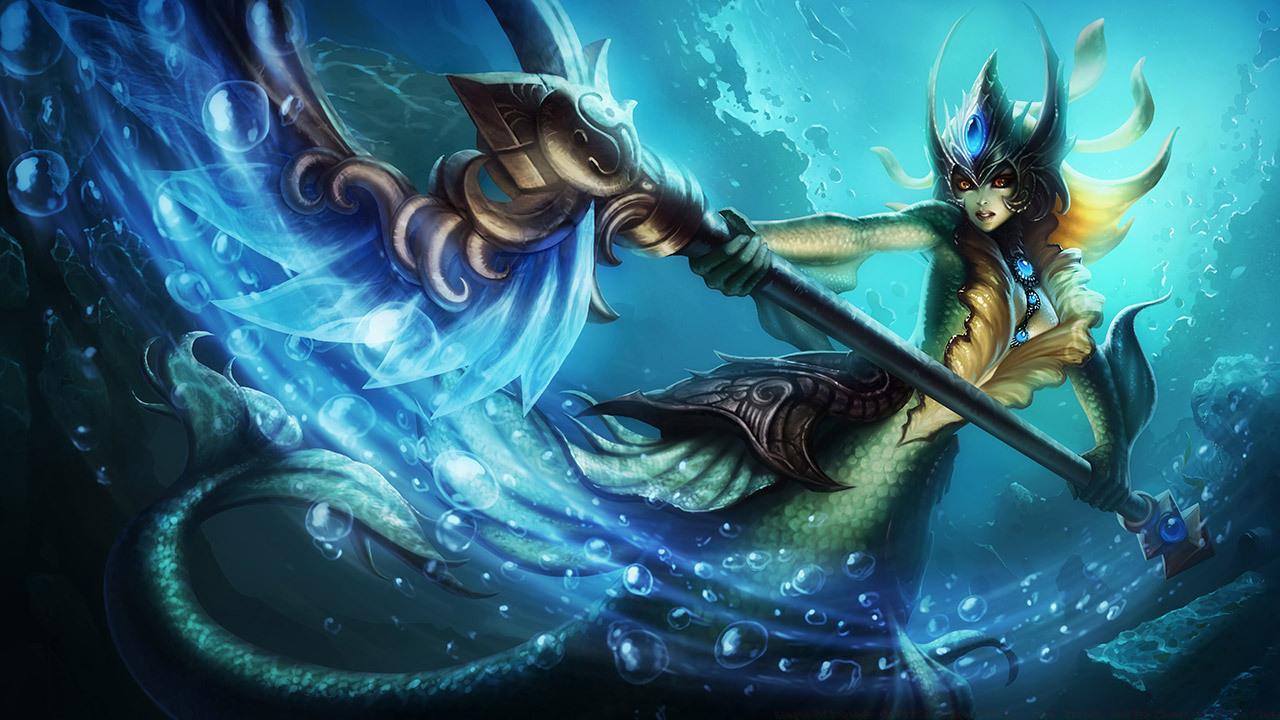
Nami, the Tidecaller
Choosing your specialization involves honest self-assessment of your strengths as a player. Aggressive players may prefer engage-heavy champions, while methodical thinkers might excel with utility-focused picks. Your selection should also consider team composition needs and current meta trends.
Mastering specific support champions requires deep understanding of their unique mechanics and optimal ability sequences. Here’s an in-depth look at some of the most impactful supports in the current meta.
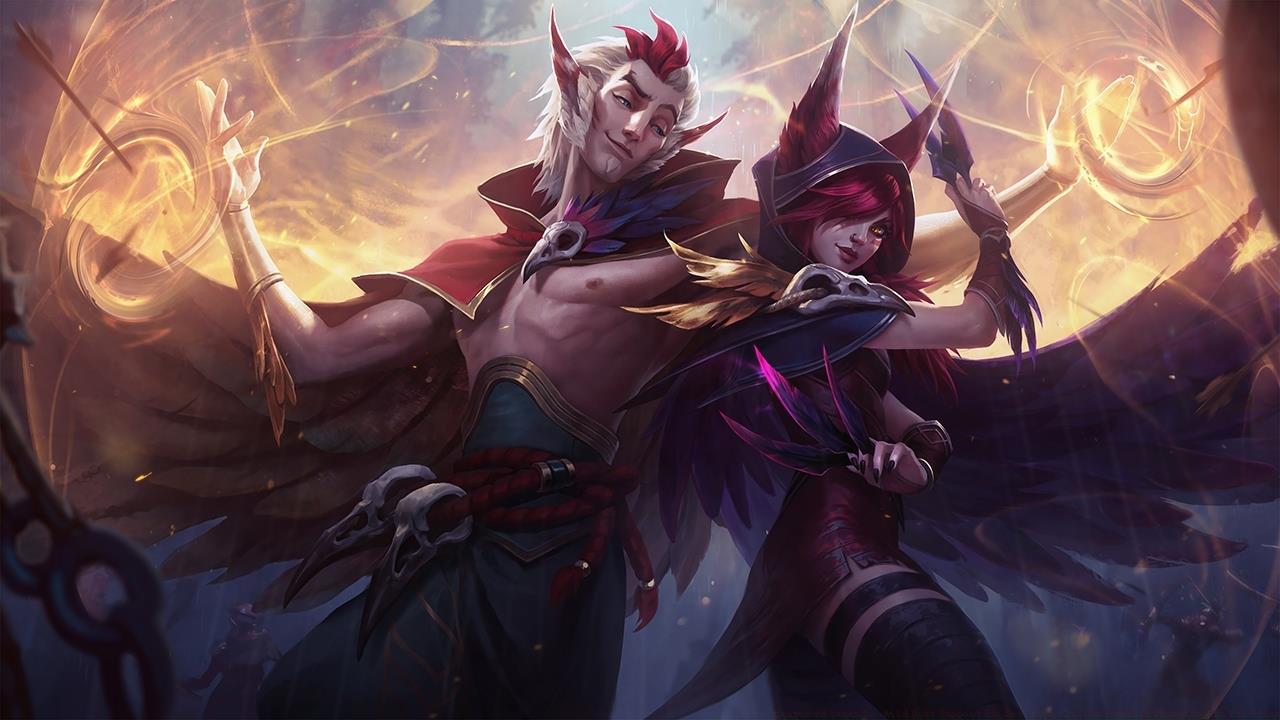
Rakan, the Charmer
Rakan combines mobility, disruption, and protection in a highly versatile kit. His playstyle revolves around calculated aggression, knowing when to dive into fights and when to retreat to safety. The synergy with Xayah creates one of the most powerful bot lane combinations in Wild Rift.
- Rakan periodically generates protective shields during matches, providing consistent damage mitigation.
- Lover’s Leap: When Xayah activates recall, Rakan can join her teleportation, enabling coordinated rotations.
Ability 1: Gleaming Quill
- Rakan projects an enchanted feather that inflicts magic damage upon contact. Successfully striking enemies activates healing effects for nearby allies, making accurate skill shots crucial for maximum effectiveness.
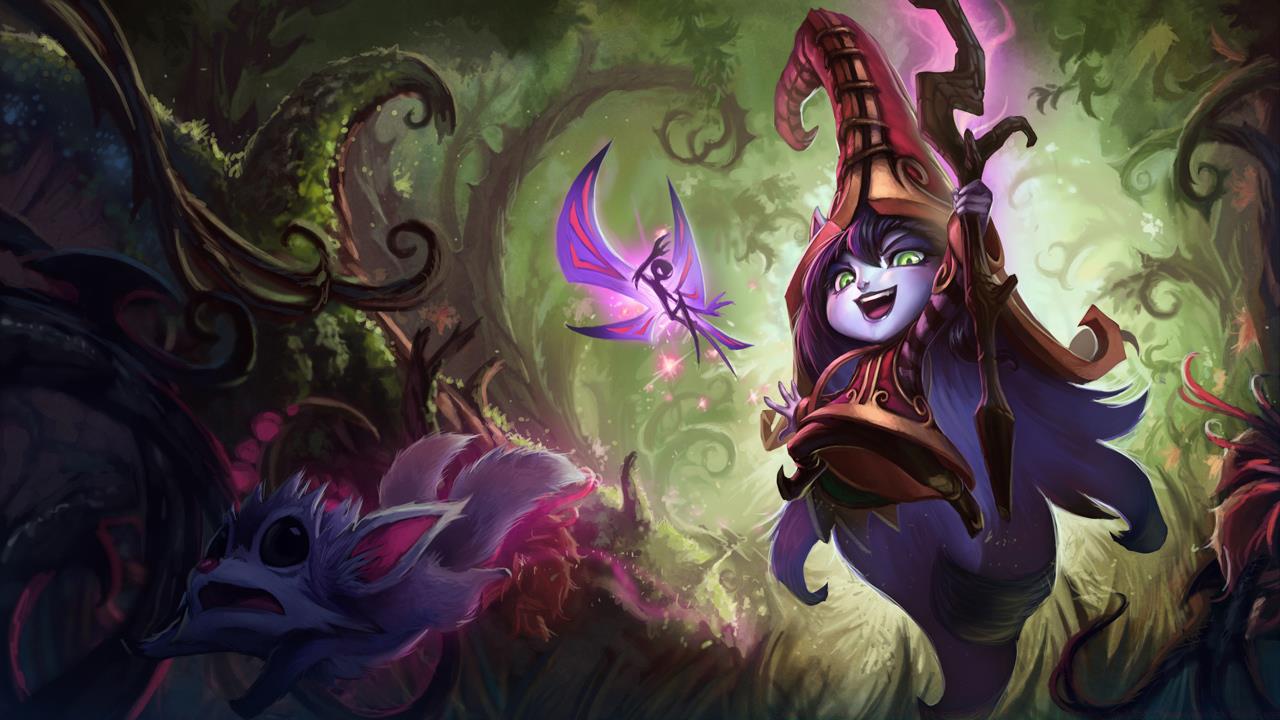
Lulu, the Fae Sorceress
Lulu excels at transforming fragile carries into unstoppable forces through targeted enhancements. Her polymorph ability serves as one of the most powerful single-target disables in the game.

Janna, the Storm’s Fury
Janna dominates through superior disengagement and protective capabilities. Her tornado and monsoon abilities can single-handedly negate enemy engagement attempts when properly timed.
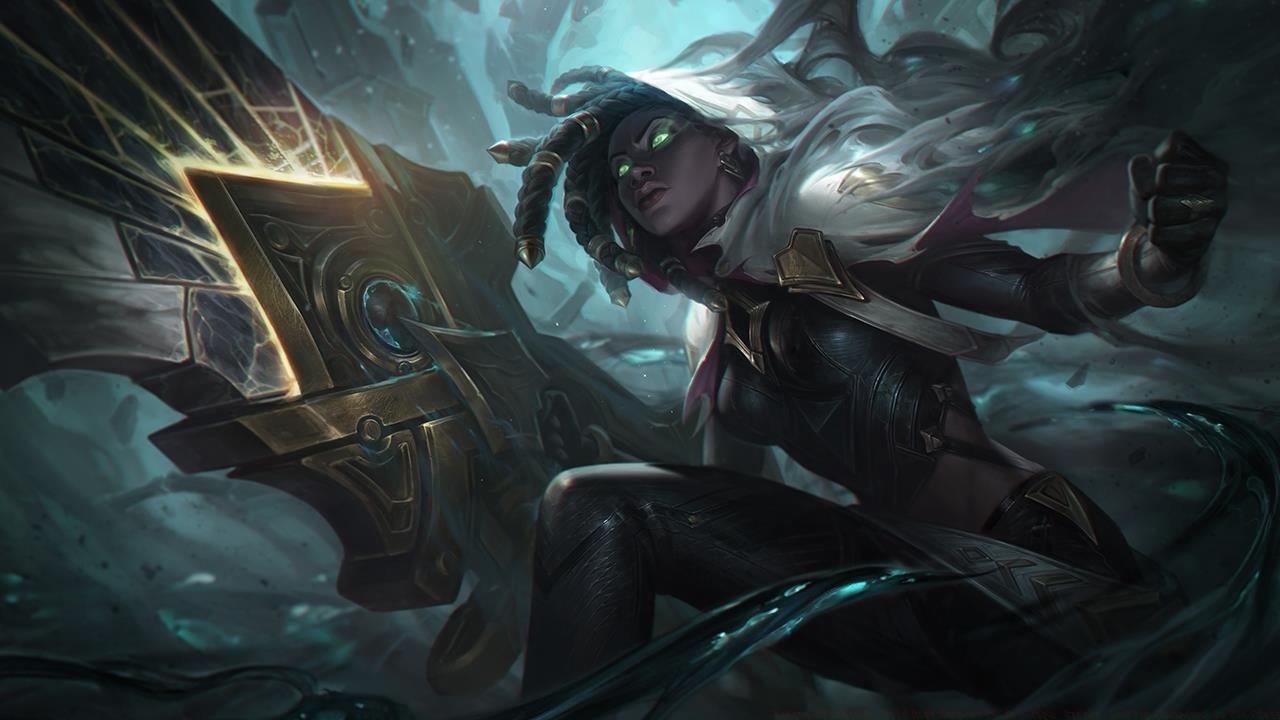
Senna, the Redeemer
Senna offers unique scaling potential as a support who transitions into a secondary carry during extended matches. Her soul collection mechanic provides permanent stat increases throughout the game.
Advanced support players understand that ability usage extends beyond basic functionality. Proper cooldown management, mana conservation, and situational adaptation separate competent players from true masters of their chosen champions.
Beyond champion mechanics, successful support play requires strategic decision-making and awareness of common mistakes that can undermine your effectiveness.
During laning phase, focus on establishing bush control and managing wave positions to create favorable trading opportunities. Avoid the common error of over-staying in lane with low health or mana, as this often leads to preventable deaths and lost objectives.
Vision control represents one of the most underutilized aspects of support play. Strategic ward placement at river entrances and objective points provides crucial information for your entire team. Remember to consistently purchase control wards to deny enemy vision and create pick opportunities.
Team fight execution requires precise positioning relative to both allies and enemies. As a support, your primary concern should be protecting key carries while creating disruption where possible. Avoid the temptation to over-commit to aggressive plays without proper team follow-up.
Common support mistakes include poor resource management, mis-timed engagements, and inadequate map awareness. Many players focus too heavily on their immediate lane without considering broader game developments occurring elsewhere on the map.
Advanced players should focus on shot-calling and objective prioritization. Your unique positioning as a non-farming role allows greater mental bandwidth for strategic decision-making and team coordination.
Action Checklist
- Master 2-3 support champions with different playstyles to adapt to various team compositions
- Practice precise ability timing in training mode, focusing on combo execution and cooldown management
- Establish consistent warding patterns at key map locations during matches
- Analyze replay footage to identify positioning errors and missed opportunity windows
- Develop communication skills for shot-calling and team coordination during critical objectives
No reproduction without permission:SeeYouSoon Game Club » League Of Legends: Wild Rift Support Guide – Tips, Tricks, And Top Champions In The Class Master Wild Rift's Support role with advanced strategies, champion breakdowns, and team coordination techniques