
TL;DR
- Fighters excel at close-quarters combat with balanced damage and durability
- Master two distinct archetypes: mobile skirmishers versus durable juggernauts
- Early game aggression creates snowball advantages for scaling champions
- Proper ability sequencing and combo execution separates average from elite players
- Positioning and target selection determine teamfight success more than raw stats
Elevate your combat performance with this comprehensive breakdown of Wild Rift’s Fighter class, designed to transform beginners into seasoned brawlers.
For newcomers to the League of Legends universe, Wild Rift offers the perfect entry point with its streamlined mobile experience. The game faithfully translates the core MOBA mechanics to handheld devices while featuring a diverse selection of champions across six distinct roles. This guide zeroes in on the Fighter category, ideal for players who thrive in the thick of battle and prefer direct confrontation over passive playstyles.
Fighters in Wild Rift serve as the vanguard of any team composition, delivering sustained damage output while possessing enough resilience to withstand enemy counterattacks. These champions remain constantly engaged in the action, from clearing jungle camps to initiating decisive engagements in lane. While they struggle against long-range opponents, fighters dominate close-quarters exchanges against tanks and assassins alike.
The fighter roster divides into two primary archetypes: highly mobile skirmishers who sacrifice some damage for agility, and slow-moving juggernauts who absorb tremendous punishment but lack escape options. Understanding this strategic dichotomy proves essential for optimizing your performance across different matchups and game phases.
Below you’ll find detailed analysis of Wild Rift’s premier fighter champions, including their complete ability kits and advanced gameplay applications.
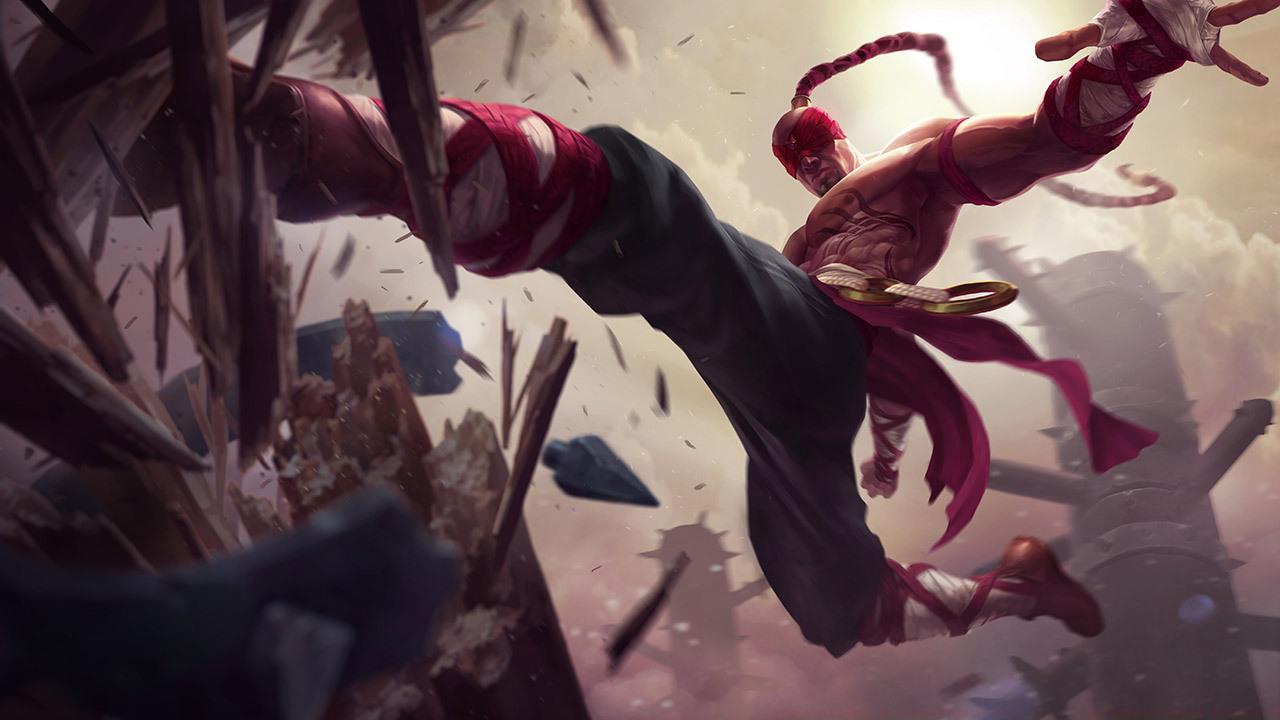
Lee Sin, the Blind Monk
Lee Sin, the Blind Monk
Role: Fighter/Assassin
Lee Sin dominates the early game through exceptional physical burst damage and unparalleled mobility, establishing him as the premier jungling specialist. Securing an aggressive start proves critical since his influence diminishes during extended matches. Deploy him in the jungle to efficiently clear camps and ambush vulnerable champions, rapidly accumulating the resources needed to maintain relevance in later stages.
Ability 1: Sonic Wave/Resonating Strike
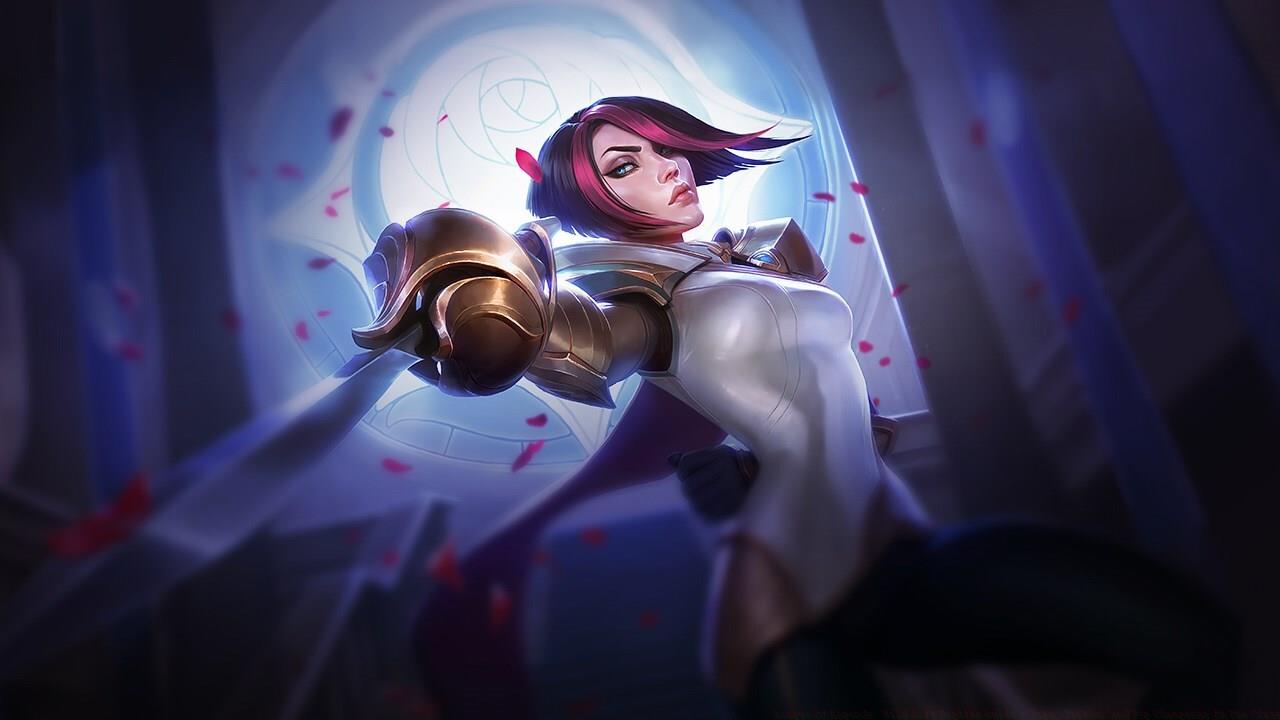
Fiora, the Grand Duelist
Fiora Advanced Tactics: Master her vital spot mechanic to maximize true damage output. Perfect parry timing can negate crucial enemy abilities and create duel-winning opportunities.
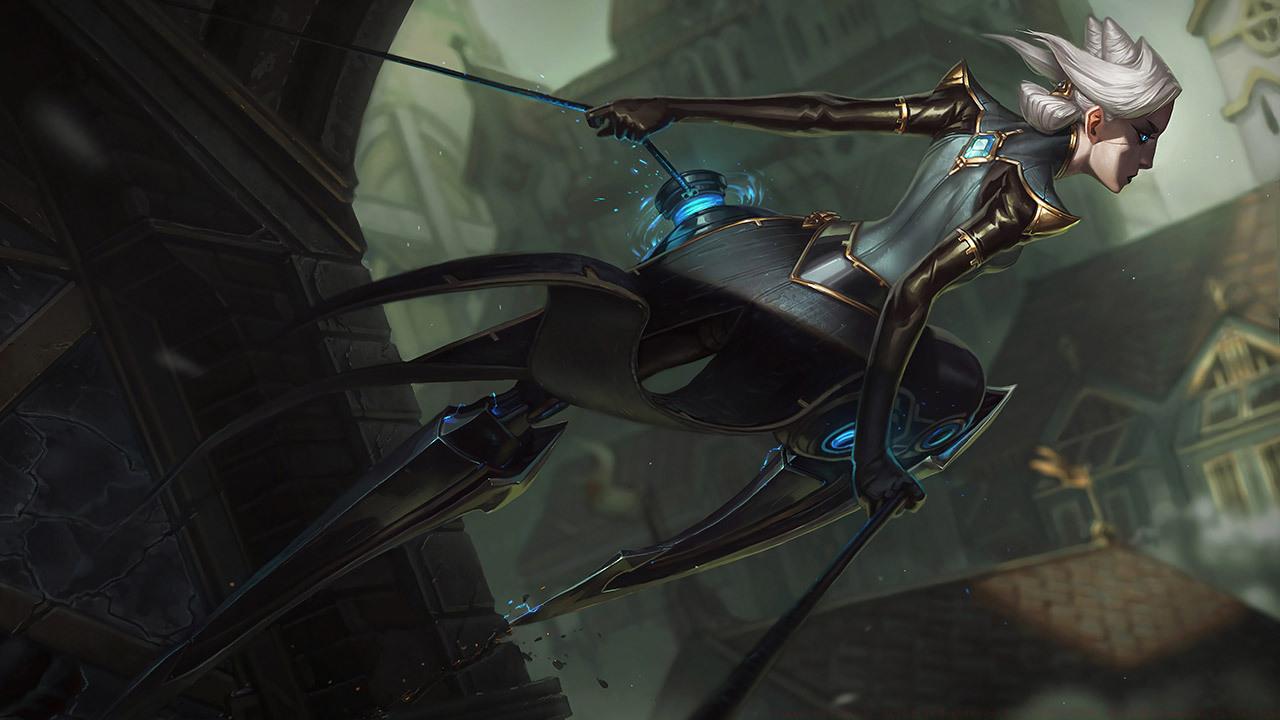
Camille, the Steel Shadow
Camille Positioning Guide: Utilize her hookshot for unexpected engages and escape routes. Her ultimate creates isolated duel scenarios that eliminate enemy positioning advantages.
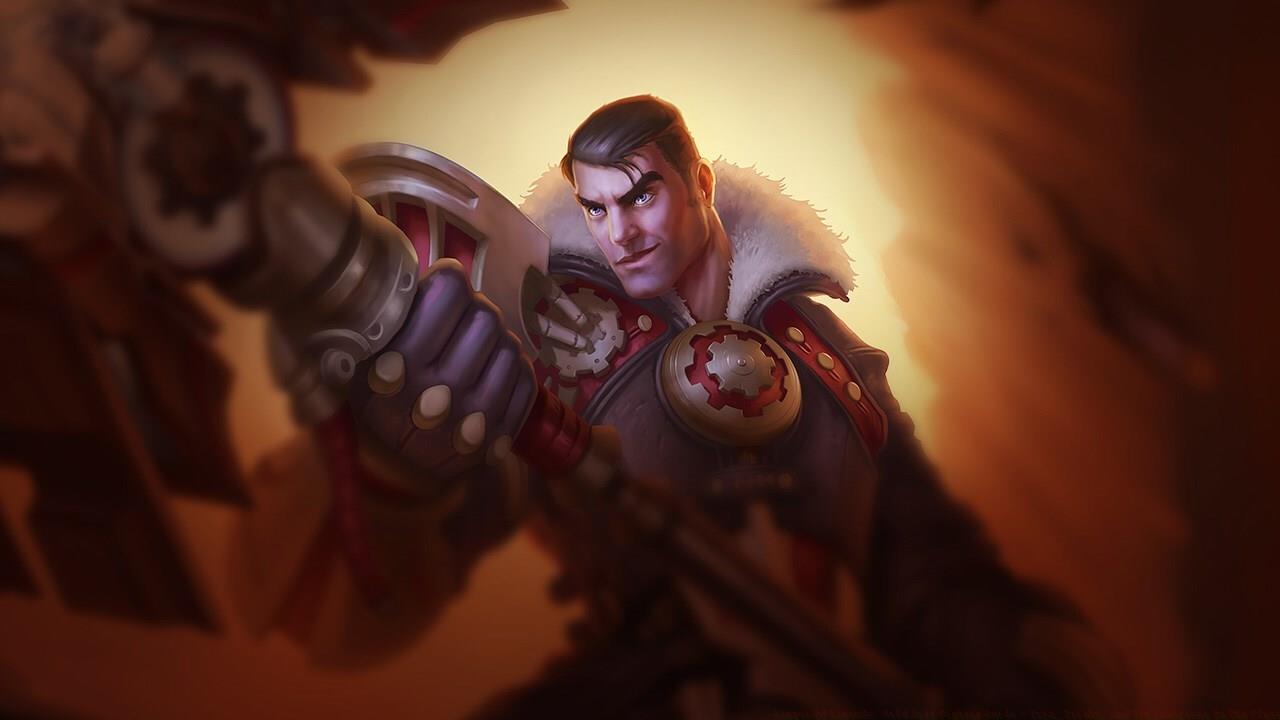
Jayce, the Defender of Tomorrow
Jayce Form Switching: Seamlessly transition between hammer and cannon stances to adapt to changing combat situations. Master the acceleration gate combo for unexpected poke damage.
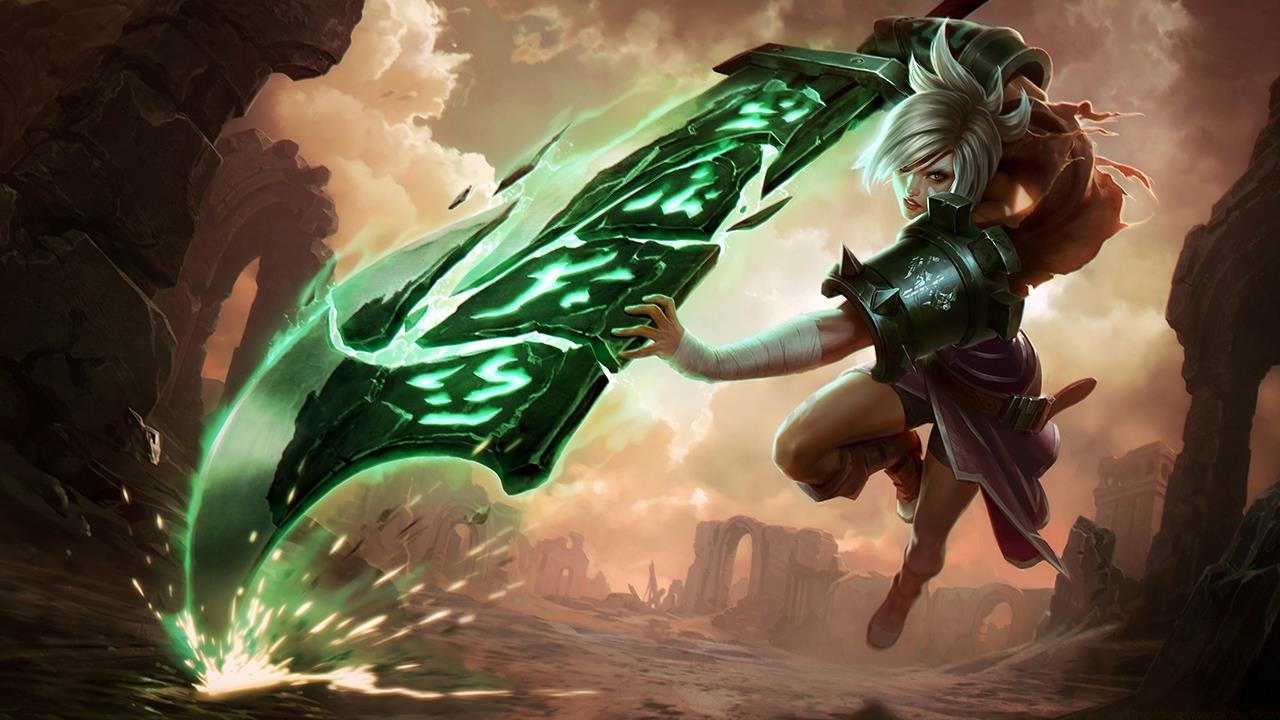
Riven, the Exile
Riven Animation Canceling: Advanced players utilize auto-attack resets between ability casts to dramatically increase damage per second. Proper combo execution can eliminate squishy targets in seconds.
Early Game Dominance Principles: Fighters with strong early games should prioritize aggressive invades and objective control. Lee Sin players should aim for level 3 ganks to secure first blood advantages. Proper jungle pathing ensures you arrive at scuttle crab contests with health and cooldown advantages.
Common Rookie Mistakes: Avoid overextending without vision against ranged compositions. Many new fighters waste crucial abilities on minions instead of saving them for champion engagements. Knowing when to disengage proves as important as knowing when to commit.
Mid-Late Game Transitions: As matches progress, shift from solo aggression to coordinated team play. Frontline fighters should initiate engagements while mobile skirmishers flank the backline. Resource management becomes critical during extended sieges and teamfights.
Teamfight Execution Framework: Identify priority targets before engaging. Juggernauts should absorb cooldowns while divers eliminate damage dealers. Always monitor positioning to avoid being kited by ranged opponents.
Optimization for Advanced Players: Master ability sequencing to maximize damage windows. Learn matchupspecific trading patterns to win lane phases consistently. Itemization adjustments based on enemy composition can dramatically improve performance.
Action Checklist
- Practice last-hitting minions to achieve consistent gold income during laning phase
- Master at least one fighter from each archetype (skirmisher and juggernaut)
- Learn proper ability combos and animation cancels in practice tool
- Study matchup-specific strategies against common lane opponents
- Develop map awareness and objective timing for strategic decision-making
No reproduction without permission:SeeYouSoon Game Club » League Of Legends: Wild Rift Fighter Guide – Tips, Tricks, And Top Champions In The Class Master Wild Rift Fighters with expert strategies, champion breakdowns, and advanced combat techniques