
TL;DR
- Slide puzzle drawers require strategic card placement to score 5 damage in one round
- Understand sigil interactions like Flying vs Mighty Leap for optimal positioning
- Use left-to-right attack sequencing to eliminate blockers systematically
- Test configurations with the bell button before finalizing solutions
- Mastering these puzzles teaches advanced card mechanics for the main game
Unlocking the slide puzzle drawers in Inscryption provides access to powerful cards and essential items that can significantly impact your escape attempts from the mysterious cabin. These puzzles represent a crucial bridge between the card game’s core mechanics and the environmental puzzle-solving elements that define the game’s unique hybrid experience.
When beginning your Inscryption journey, you’ll discover yourself confined within a dimly lit cabin, forced to engage in card battles against an ominous, shadowy opponent. While the initial focus appears to be on deck-building and roguelike progression, the game gradually reveals its deeper layers through first-person exploration. Standing up from the card table allows you to investigate the cabin thoroughly, uncovering hidden clues and solving interconnected puzzles that form the backbone of your escape strategy.
During early exploration phases, you’ll encounter a distinctive chest featuring multiple locked drawers positioned against the western wall. Accessing these containers presents a unique challenge—they’re secured by puzzles that directly translate the card game’s combat rules into spatial challenges. Each sliding tile corresponds to a specific card, and your objective involves arranging these elements to produce a winning combat scenario. Below we provide comprehensive guidance on puzzle mechanics for those preferring to solve them independently, while also offering complete solutions for players seeking direct assistance.
For additional foundational knowledge, consider consulting our Complete Guide to Inscryption’s core systems and progression pathways.
Progressing through the cabin environment follows an intricate chain of interconnected puzzles, where each solution naturally leads to the next challenge’s starting point. The slide puzzle drawers are concealed within a chest located adjacent to the safe—you must first solve the safe puzzle to obtain the key required for chest access. This initial puzzle serves as an accessible introduction to the game’s environmental puzzle design philosophy.

Strategic card positioning across the battlefield is essential for achieving the required five damage points.
Within the secured safe rests the essential key that unlocks the main chest, revealing four distinct drawers, each featuring progressively complex puzzles on their faces. As you advance through the sequence, puzzle difficulty escalates significantly, potentially requiring consultation with the rule book situated beside your card table seating position to identify optimal pathways.
The slide puzzles function as direct translations of the card game’s combat system into interactive spatial challenges. Metallic squares individually represent specific cards, and you can vertically slide them to transition between your combat row and your opponent’s defensive line. The fundamental objective involves creating card configurations where, following established game rules, you accumulate exactly five damage points within a single combat round. To evaluate your current configuration’s damage output, activate the bell mechanism positioned on the puzzle’s left side.
Success in these puzzles hinges on properly configuring cards according to their unique rules and special abilities called sigils. Since you cannot observe real-time combat resolution as in the main card game, you must mentally simulate potential outcomes by anticipating how different sigils interact during battle resolution. For example, cards possessing the Flying sigil can bypass ground-based defenders to score direct damage, unless the opposing card features the Mighty Leap sigil, which specifically counters aerial attacks. Resolving such situations requires strategic repositioning of cards across available slide tracks.
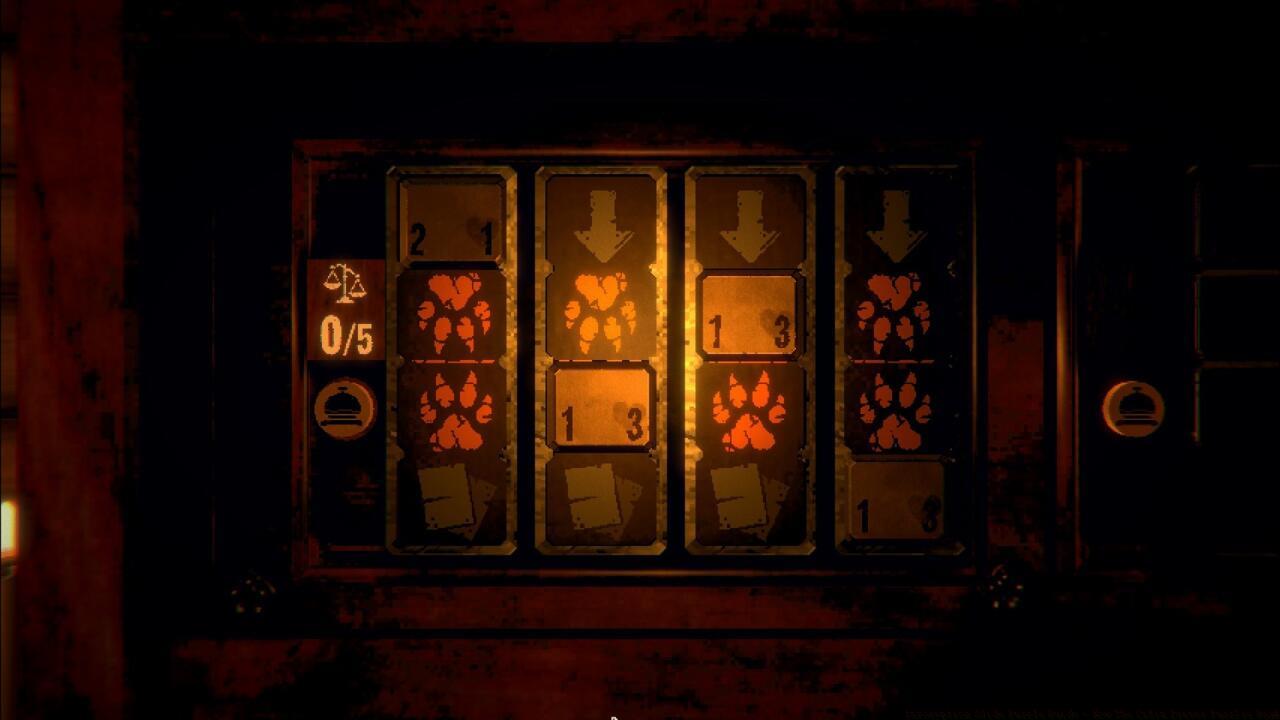
The introductory puzzle demonstrates basic mechanics without defensive complications.
Most puzzles revolve around either repositioning defensive blockers or strategically eliminating them to enable damage-scoring cards to connect. Remember that combat damage resolution occurs sequentially from left to right—when a left-positioned card features the Bifurcation sigil, enabling attacks against adjacent lanes, you can utilize this to destroy blockers protecting cards to their right. With the defensive card effectively neutralized, the newly exposed card can then successfully contribute its damage to the total. Although brute-force approaches remain possible due to limited solution combinations, learning and applying rule knowledge provides significantly faster resolution, while simultaneously building essential expertise for advancing through the primary card game challenges.
Understanding these mechanics becomes particularly valuable when working through Weapons Unlock systems in similar puzzle-driven games.
Mastering Inscryption’s slide puzzles requires going beyond basic mechanics to understand sophisticated sigil combinations and attack sequencing. The Flying sigil, for instance, allows cards to bypass ground-based defenders entirely, but this advantage gets neutralized when facing cards with Mighty Leap, creating strategic dilemmas requiring careful card positioning.
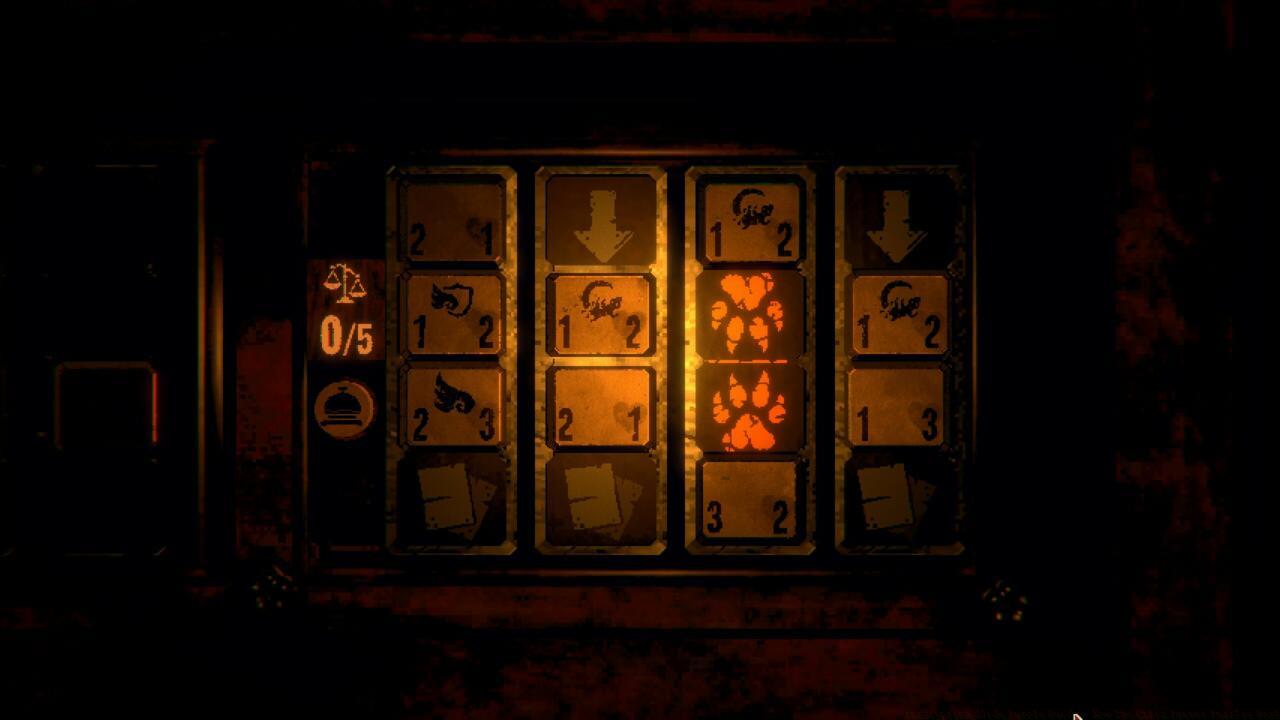
Skink cards present unique challenges by spawning defensive Tail cards upon taking damage.
Skink-type cards introduce complex mechanics by generating Tail cards when damaged—these secondary cards can unexpectedly block your attacking units and disrupt carefully planned damage calculations. Understanding this spawning behavior is crucial for anticipating and mitigating its impact on your strategic objectives.
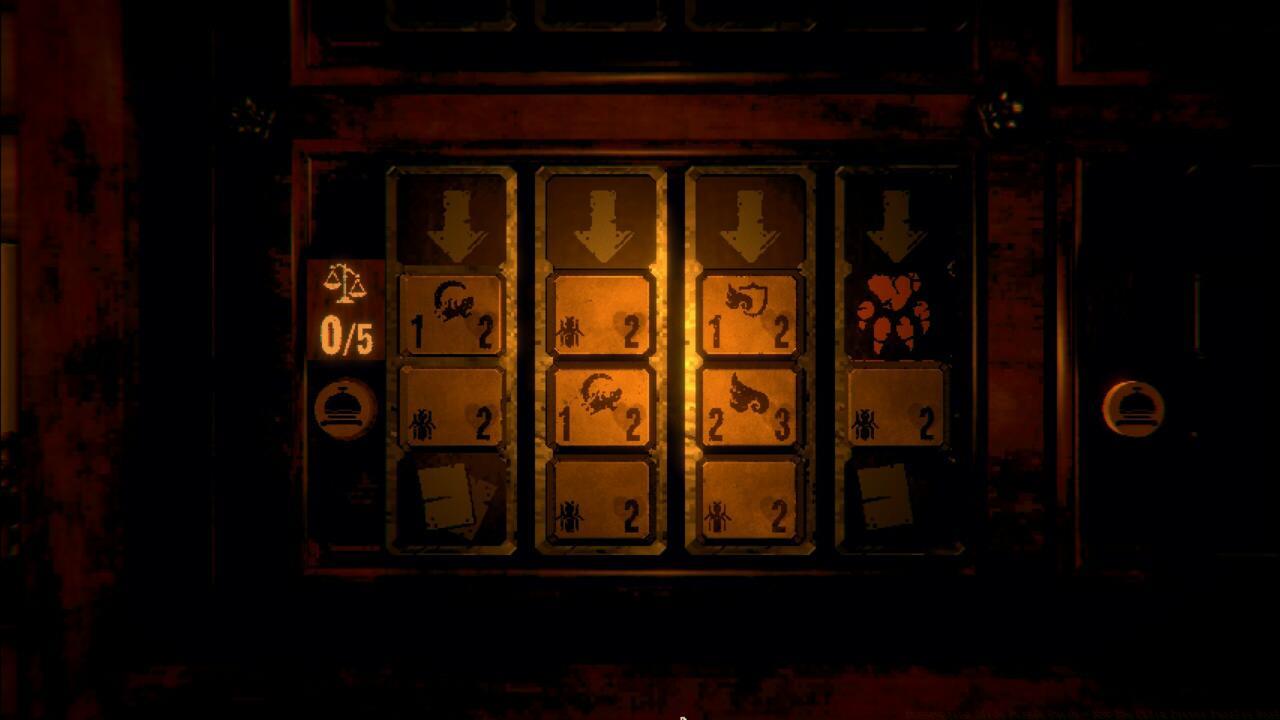
Ant cards demonstrate power scaling based on colony size, creating synergistic opportunities.
Ant cards feature dynamic power scaling where their attack strength increases based on the total number of Ant cards you control. This colony-based mechanic creates powerful synergies when combined with understanding of Skink card behaviors, enabling sophisticated puzzle solutions that might otherwise remain elusive.
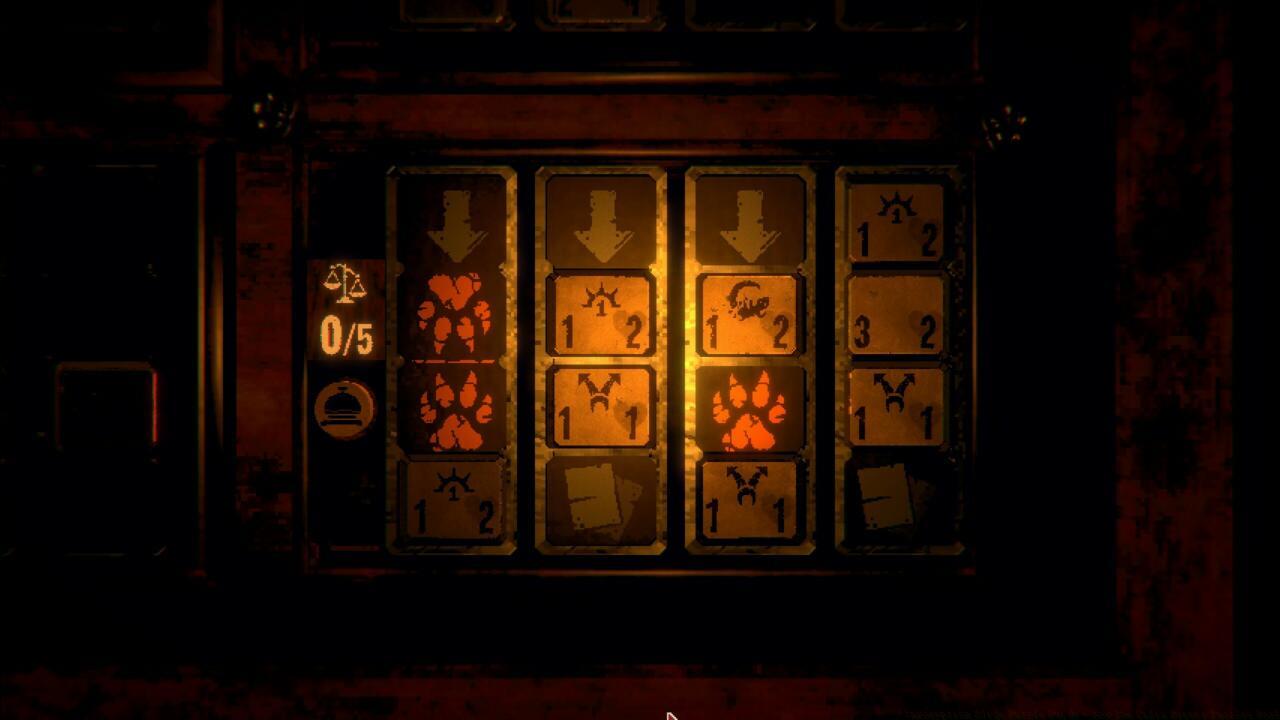
Bifurcation sigil cards provide tactical advantages by attacking multiple lanes simultaneously.
Cards with the Bifurcation sigil deliver attacks to both adjacent lanes, effectively doubling their offensive potential compared to standard single-lane attackers. Leveraging this multi-target capability becomes essential for efficiently eliminating clustered defensive formations.
Common strategic errors include failing to account for left-to-right damage resolution order, misunderstanding sigil interaction hierarchies, and overlooking card positioning consequences. Avoid these pitfalls by thoroughly testing each configuration with the bell verification system before committing to solutions. This approach aligns with principles found in comprehensive Class Guide resources for similar tactical games.
Puzzle 1: Basic Introduction
This initial puzzle serves as a mechanical tutorial without defensive complications. Simply position all available cards into your attack row to achieve the required five damage points. This straightforward solution introduces the fundamental concept of damage accumulation without additional complexity.
Puzzle 2: Skink Encounter
This challenge introduces Skink cards that spawn Tail cards upon receiving damage. The key strategy involves positioning your cards to either avoid damaging Skinks entirely or ensuring that spawned Tail cards don’t block your primary damage sources. Consider using high-damage cards to eliminate Skinks in single attacks when possible.
Puzzle 3: Ant Colony Strategy
Here you must leverage the Ant card mechanic where power increases with each additional Ant card controlled. Combine this with strategic Skink management to create optimal damage configurations.
Puzzle 4: Bifurcation Tactics
The final puzzle requires sophisticated use of Bifurcation sigil cards that attack adjacent lanes. Position these multi-attack cards to eliminate multiple blockers simultaneously while protecting your high-damage units.
Pro Tips for Advanced Players:
– Always test configurations with the bell button before finalizing
– Remember damage resolution occurs left-to-right
– Use Bifurcation attacks to clear paths for subsequent cards
– Consider sigil interactions before final positioning
– Document successful configurations for future reference
Successfully completing all four slide puzzle drawers not only rewards you with valuable game resources but also significantly enhances your understanding of advanced card mechanics that prove invaluable throughout your Inscryption journey.
Action Checklist
- Locate the chest near the safe and solve the initial safe puzzle
- Retrieve the key from the safe and unlock the main chest
- Solve Puzzle 1 by sliding all cards to your attack row
- Complete Puzzle 2 by strategically managing Skink card interactions
- Master Puzzle 3 by combining Ant colony mechanics with Skink management
- Conquer Puzzle 4 using advanced Bifurcation tactics
No reproduction without permission:SeeYouSoon Game Club » Inscryption Slide Puzzle Guide – How The Cabin Drawer Puzzles Work Master Inscryption's slide puzzle drawers with strategic card mechanics and step-by-step solutions