
TL;DR
- Explore the cabin thoroughly between battles to solve puzzles and unlock powerful cards
- Master the sacrifice mechanic by strategically trading weaker cards for stronger battlefield presence
- Maintain a lean, curated deck focused on card synergies rather than quantity
- Embrace death as a learning tool that reveals new information and card crafting opportunities
- Take risks with special encounters and item usage to advance the narrative and discover secrets
Inscryption presents a challenging blend of collectible card game mechanics and roguelike progression that can overwhelm new players. This guide provides essential strategies to help you navigate both the card battles and the mysterious cabin environment.
As a hybrid gaming experience from Daniel Mullins Games, Inscryption combines strategic card combat reminiscent of Slay the Spire with deep narrative exploration similar to their previous title Pony Island. The card battling system is surprisingly sophisticated, serving as both a gameplay foundation and a gateway to unraveling the game’s dark mysteries.
Newcomers often struggle initially due to the game’s minimal tutorials and layered complexity. Our comprehensive tips will accelerate your mastery of combat mechanics, secret discovery, and progression through this uniquely atmospheric adventure.
Many players mistakenly focus exclusively on card battles, missing Inscryption’s core exploration component. Early in your journey, you’ll discover the ability to stand up from the gaming table and investigate the surrounding cabin environment.
The puzzles scattered throughout the cabin are crucial for plot advancement and card acquisition. Solving these environmental challenges unlocks premium cards in later stages, making thorough exploration between matches essential for building a competitive deck.

Common exploration mistake: Players often rush through cabin areas without methodically checking every interactive element. Optimal strategy involves systematically examining each room between battles, clicking on suspicious objects, and noting environmental changes across playthroughs. The cabin contains numerous hidden interactions that require repeated visits and careful observation to uncover.
Inscryption features numerous game mechanics that aren’t explicitly explained but are vital for success. The rulebook, located to the left when you first stand up, provides essential information about sigils and card interactions.
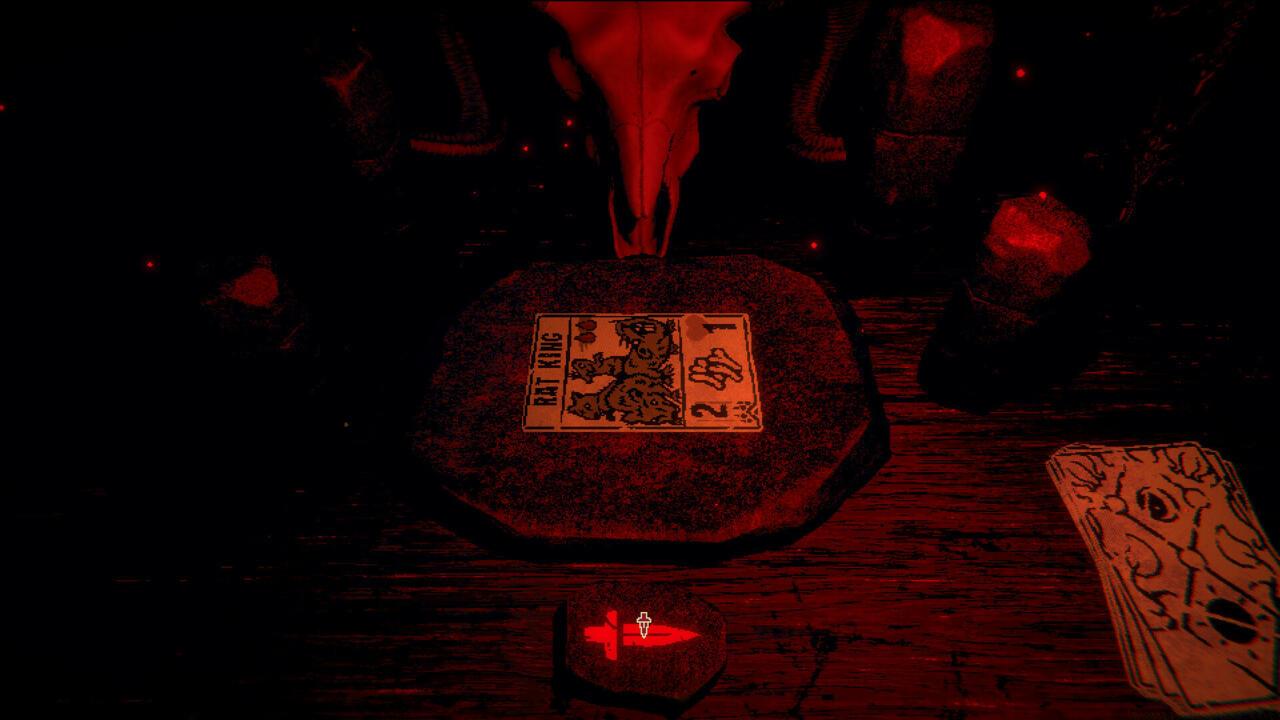
Advanced tip: Right-click any card sigil displaying an open book icon to instantly access relevant rulebook pages. Understanding sigil interactions is critical not only for combat success but also for solving many of the game’s environmental puzzles.
The sacrifice mechanic forms the core of Inscryption’s early-game strategy. Cards display blood droplet icons indicating their cost, with most sacrifices providing one blood point. Higher-value creatures require multiple sacrifices, creating strategic decisions about when to trade weaker cards for powerful battlefield assets.
Strategic sacrifice error: Many players hoard low-value cards like squirrels and cats instead of using them as strategic resources. Optimal play involves maintaining a supply of sacrificial fodder while planning several turns ahead for optimal blood economy management.
As you progress through the game map, you’ll encounter opportunities to enhance your deck through card sacrifices and modifications. These moments require careful consideration about which cards to remove or empower.

Deck curation principle: Identify underperforming cards that consistently remain unplayable or provide minimal battlefield impact. Even powerful cards with high attack and health values may not justify their deck slot if they don’t contribute to your overall strategy.
Common deckbuilding mistake: Players often prioritize card quantity over quality, resulting in inconsistent draws. A streamlined deck of 15-20 synergistic cards typically outperforms a bloated 30-card collection with poor cohesion.
Advanced optimization: Focus on building card combinations that create powerful synergies rather than collecting individually strong cards. This approach to deck construction shares principles with strategic resource management in our Class Guide, where specialization often beats generalized approaches.
Inscryption emphasizes mystery discovery over straightforward card game progression. The randomized nature of card acquisition means completing all three game areas will require multiple attempts.
Death mindset adjustment: Unlike traditional games where failure represents setback, in Inscryption each death reveals new information and progression opportunities. Some narrative elements and card unlocks are exclusively accessible through repeated failures.
Progressive exploration strategy: Instead of fixating on a single successful run, prioritize visiting unexplored map locations and attempting new challenges whenever possible.

Advanced death utilization: Each failed attempt can be leveraged to create overpowered cards for future runs. This death-based progression system requires embracing failure as an integral part of the learning and discovery process, similar to the adaptive strategies discussed in our Complete Guide to mastering complex game systems.
Throughout your journey, you’ll discover unique opportunities to trade cards for special items or engage in unconventional transactions. These encounters often trigger hesitation, as the outcomes are typically unknown and may involve sacrificing valuable cards.
Risk assessment principle: Despite the uncertainty, these special interactions often advance the narrative and unlock puzzle-solving capabilities.
Opportunity cost calculation: Since multiple playthroughs are expected, becoming overly attached to specific cards in any given run limits your discovery potential.
Hidden reward strategy: Always investigate the skull object in the cabin, as it provides free teeth currency that can be used for various purchases and interactions.
Advanced item usage: Don’t conserve consumable items excessively. Many players make the mistake of saving powerful items for “the right moment” that never arrives. Regular item deployment accelerates learning and secret discovery, much like the tactical approach to equipment in our Weapons Unlock guide, where understanding tool capabilities through use is more valuable than theoretical knowledge.
Action Checklist
- Between each card battle, thoroughly explore the cabin and click on all interactive objects
- Study the rulebook thoroughly and right-click sigils during battles to understand mechanics
- Practice strategic sacrifice by trading weaker cards for powerful creatures
- Curate your deck down to 15-20 synergistic cards
- Embrace death as learning opportunities and use failed runs to craft powerful cards
- Take risks with special encounters and use items liberally to discover secrets
No reproduction without permission:SeeYouSoon Game Club » Inscryption Beginner’s Tips Master Inscryption's card battles and cabin secrets with advanced strategies and practical tips