
TL;DR
- Team Liquid’s poor DreamLeague performance stemmed from accumulated complacency and insufficient practice
- iNSaNiA took a deliberate break from pubs to combat toxicity and mental fatigue, losing 1200 MMR upon return
- The team is adapting to 33’s micro-focused approach after losing Zai’s macro-oriented playstyle
- Professional teams often copy tournament winners rather than developing original counter-strategies
- Current patch favors core players over supports, with Chen remaining overpowered despite recent nerfs
Games and Esports Articles Dota 2
In an exclusive interview conducted during the 1win Series Dota 2 Spring event, Team Liquid’s captain Aydin “iNSaNiA” Sarkohi provided candid insights into his team’s recent struggles. Following their disappointing 13-14th place finish at DreamLeague S22, the discussion centered on Liquid’s current form, the strategic implications of roster changes, and the broader professional Dota 2 landscape where teams increasingly emulate successful strategies rather than innovating.
The conversation explored multiple dimensions of professional gaming, from individual player psychology to team dynamics and meta-game evolution. iNSaNiA’s revelations about mental health management and team adaptation offer valuable lessons for competitive players at all levels.
— During DreamLeague S22 you described your relationship with Dota as “very business-like.” What did you mean by this characterization?
— Following ESL Kuala Lumpur, I essentially stopped playing Dota completely for an extended period. From that tournament through BetBoom Dacha, I avoided queuing for public matches entirely due to diminished motivation—a concerning situation for any professional player.
The silver lining emerged in my significantly improved mental state. Stepping away from the daily grind of public matches provided crucial psychological relief from the constant stress and toxicity that permeates ranked gameplay. This deliberate disengagement served as an essential mental reset.
When I resumed playing, the consequence was losing 1200 MMR within a single week—a deserved outcome given my performance level. However, this break was necessary to restore my psychological equilibrium and rediscover motivation for the public match environment.
Competitive Dota consistently brings enjoyment, whereas public matches present greater challenges. The fundamental issue stems from players possessing radically different approaches and expectations about optimal gameplay. When these conflicting perspectives collide, frustration inevitably follows, making extended daily exposure to this environment mentally draining.
— From your perspective, what potential solutions exist for improving the public match experience?
— Transforming this environment proves exceptionally difficult. The core challenge lies in Dota’s beautiful complexity—the absence of singular correct solutions enables diverse strategic approaches but also generates conflict when players disagree on optimal decisions.
Valve’s ongoing matchmaking improvements represent the most viable approach. Their recent implementation allowing players to prioritize either match quality or behavior score represents meaningful progress, though unfortunately unavailable in Immortal Draft due to population constraints.
Pro Tip: When facing motivation slumps, consider structured breaks rather than forced play. Schedule 3-5 day complete disengagements from ranked matches to prevent burnout while maintaining competitive edge.
— You previously stated that since TI11 the team had become “extremely lazy” and this was “catching up to us.” Have your teammates acknowledged this pattern?
— Every team member recognizes this issue. We understood this complacency represented an inevitable reckoning—a ticking time bomb that has now detonated.
Our current response involves intensive bootcamp training. We’ve already completed one week of concentrated practice, with only a brief one-week home break before returning to another extended bootcamp session—a significant departure from our typical month-long breaks between competitions.
The solution centers on refocusing on fundamental gameplay through increased volume and dedication. We possess proven methodologies for success but must consistently apply them through disciplined practice regimens.
— How specifically did this “laziness” manifest in your team’s operations?
— Scrimmage participation became minimal—typically limited to the week preceding major tournaments. Last year, this approach succeeded because we shared deep game understanding. When we convened for practice sessions, we already possessed aligned perspectives on hero selections and strategic execution.
This season demanded adjustment to different personnel and playstyles. We must rediscover how each player contributes to cohesive team performance—a process requiring substantial time investment.
Our previous success relied on clearly defined player responsibilities during matches. With Zai’s departure necessitated redistributing these roles, compelling us to reconstruct our competitive identity.
— 33 represents a fundamentally different player type compared to Zai. Was the adaptation process mutual or one-sided?
— The transition involved reciprocal adjustments. However, given 33’s distinctive capabilities and expertise, our primary focus became enabling his optimal performance while maintaining our established gameplay foundations.
— What specific qualities make him unique within the professional landscape?
— His passion for Dota manifests in meticulous attention to minute gameplay details and optimization opportunities—a stark contrast to our previous macro-focused strategic discussions.
Last year, approximately 95% of our conversations centered on map-wide strategy and broad concepts. Neta operates at the opposite extreme, introducing analytical dimensions previously absent from our team dynamic.
He contributes perspectives our roster completely lacked previously. While boxi demonstrated some similarity, 33 has emerged as our primary voice for micro-level optimization, bringing these considerations to the forefront of our strategic development.
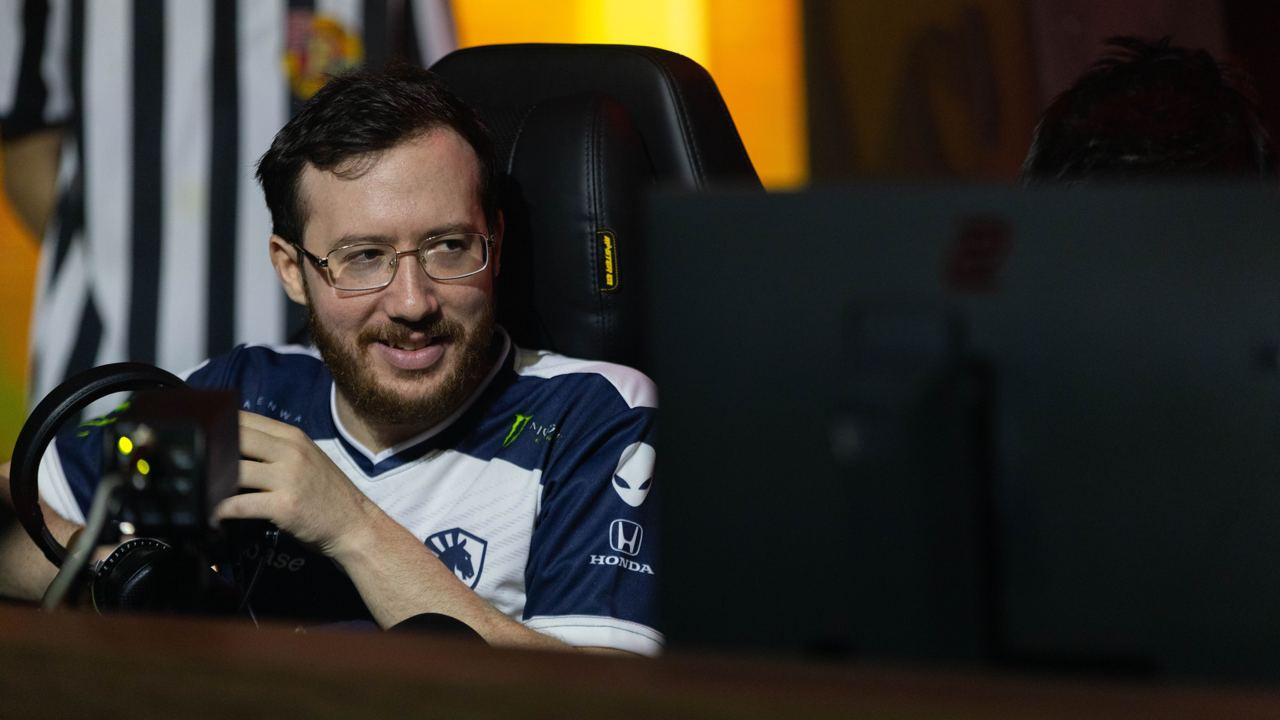
— Your DreamLeague outcome represented one of Liquid’s poorest performances recently. What specific factors contributed to this result?
— Essentially every possible element malfunctioned simultaneously. Our gameplay lacked any redeeming qualities—comprehensive failure across all dimensions.
I attribute this primarily to insufficient practice between tournaments rather than fatigue factors. We failed to maintain meta awareness and adapt to widespread Falcons strategy emulation across the professional scene.
— What’s your perspective on teams systematically copying Falcons’ successful approaches?
— This pattern consistently emerges in competitive Dota. When Gladiators dominated last year, numerous teams analyzed and adopted their strategies.
The natural progression sees tournament winners receiving extensive analytical attention. Competitors examine winning methodologies to identify transferable elements for implementation within their own teams.
We observed increased Mars, Dragon Knight, and Razor selections as teams explored these heroes’ potential following Falcons’ demonstration of their effectiveness.
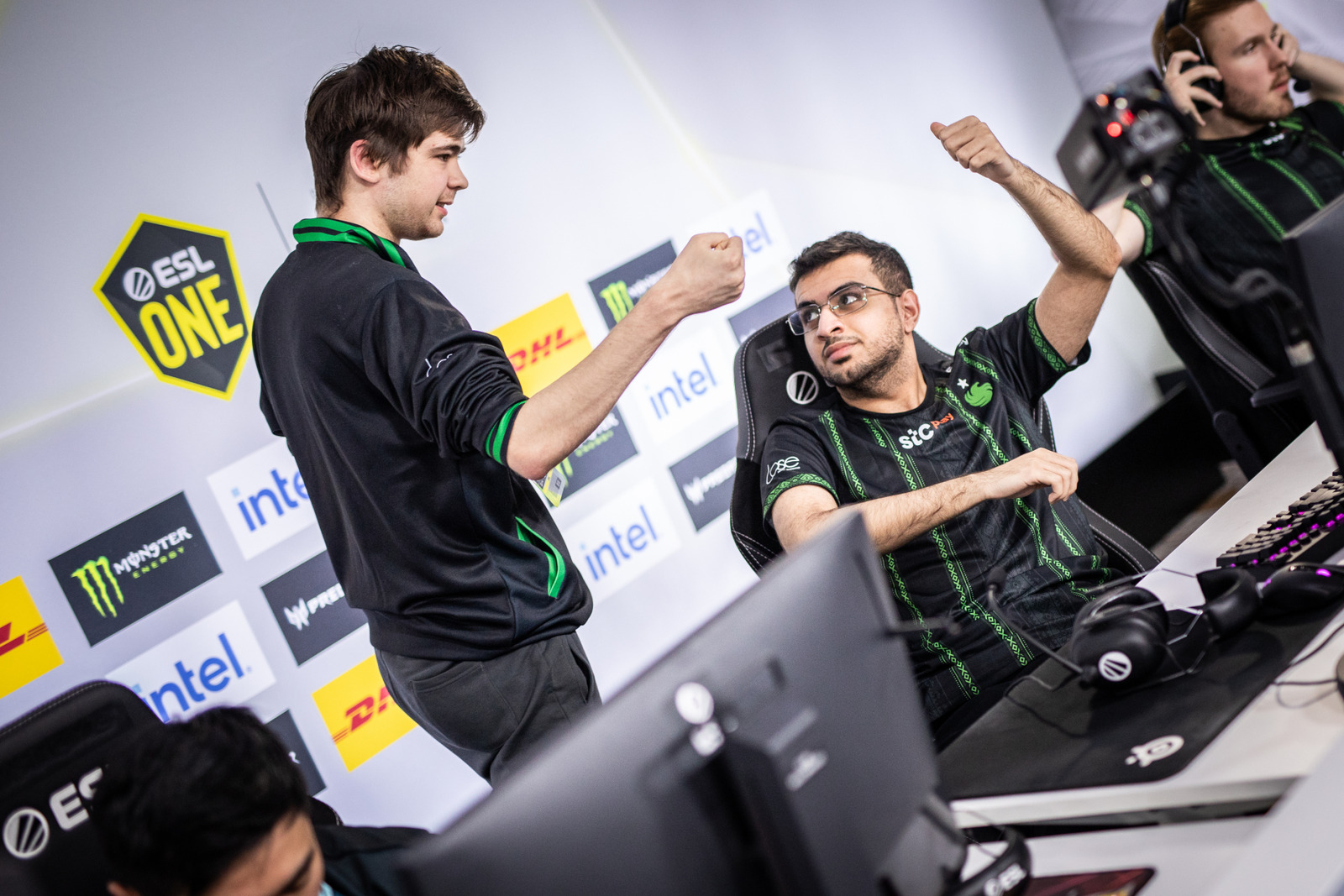
— Regarding the recent 7.35d update, what significant changes have impacted your gameplay?
— Crystal Maiden’s Shard modification stands out as particularly impactful. The mana cost increase from 175 to 325 significantly affects lane sustainability since you previously could consistently use it on creep waves followed by Crystal Nova for efficient farming patterns.
— Many position 4 players express dissatisfaction with their current role. As a position 5 specialist, how do you assess the current support landscape?
— Position 5 has weakened considerably recently. Last year featured dominant support heroes that reliably generated MMR gains, whereas current options lack comparable impact.
This patch clearly favors core players over support specialists. Both position 4 and 5 players likely share this perspective regarding role balance.
— How do you perceive the evolving distinction between position 4 and 5 responsibilities?
— Role differentiation has diminished significantly. Position 5 no longer functions purely as a lane support—similar transformations have occurred between offlane and carry roles where traditional definitions no longer apply cleanly.
The evolution relates more to hero capabilities than rigid role definitions. Modern players appreciate this flexibility, though traditionalists may prefer previous clearer role demarcations.
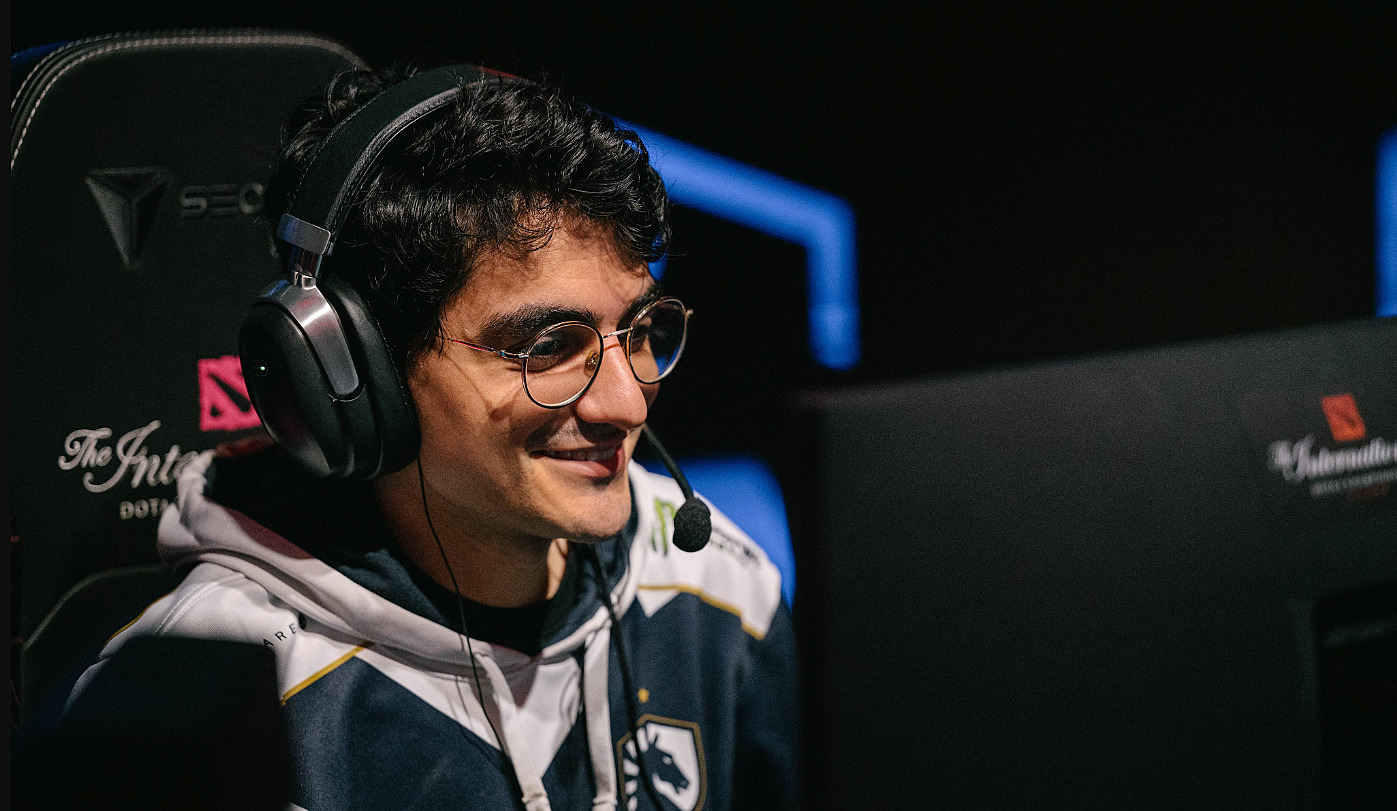
— Chen consistently receives the highest ban rates professionally. Do the 7.35d adjustments sufficiently address his dominance?
— Unfortunately, these changes prove inadequate. Chen requires substantially more significant nerfs given his current power level. While Valve appropriately exercises caution to avoid completely eliminating heroes from viability, more substantial adjustments remain warranted.
— Do you anticipate resurgence of zoo strategies with Helm of the Dominator adjustments?
— Zoo compositions always remain welcome additions to the meta. With 33’s expertise, Liquid ranks among the world’s strongest teams executing these strategies.
The recent Dominator enhancements represent positive developments. While determining their full impact requires additional observation, these changes represent steps in positive directions for strategic diversity.
Common Mistake: Many teams immediately copy tournament-winning strategies rather than developing original counter-approaches. The superior method involves analyzing why strategies succeed then developing tailored responses rather than direct imitation.
This incremental patch likely serves as an interim release while Valve prepares more substantial gameplay updates—preferable to extended periods without meta adjustments.
— The DreamLeague outcome represented one of your poorest performances recently. What specific factors contributed to this disappointing result? Was inadequate recovery time after BetBoom Dacha a contributing element?
— Honestly, it felt like a perfect storm of everything going wrong simultaneously. Our in-game execution was fundamentally flawed across all aspects. We couldn’t identify any positive elements in our gameplay approach. The issues were comprehensive rather than isolated. I wouldn’t attribute it to insufficient rest periods or scheduling constraints.
The core issue stems from our collective failure to maintain rigorous practice routines during tournament intervals. We neglected staying current with meta developments and lacked clarity about our preferred hero selections, their optimal implementation, and necessary adaptations to counter the widespread emulation of Falcons’ strategies by competing teams. This realization has prompted our current intensive training regimen, acknowledging these deficiencies as the primary causes of our DreamLeague underperformance.
— What perspective do you hold regarding teams attempting to replicate Falcons’ successful formula?
— This phenomenon follows established competitive patterns. When Gladiators dominated last season, numerous organizations studied their approach to borrow strategic concepts. This represents a natural progression – whichever team achieves tournament victory inevitably attracts extensive analytical attention. Competitors will scrutinize their methodologies to extract and implement successful elements, attempting to recreate observed strategies.
The strategic convergence creates interesting competitive dynamics. We observed increased selections of Mars, Dragon Knight, and even Razor, heroes that gained popularity as teams explored their potential. This pattern helps identify whether specific heroes possess inherent strength imbalances or the winning team simply demonstrates exceptional proficiency with them. Current evidence suggests these heroes maintain solid viability, given their widespread adoption and consistent performance across multiple teams.
— Why don’t teams develop original counter-strategies rather than imitating successful approaches?
— Our team attempts to employ that methodology. However, replication often proves simpler because you observe concrete implementation examples. You can directly copy demonstrated methodologies rather than analyzing “Why does this strategy succeed? How can we effectively counter it? What countermeasures maintain viability”? Frequently, creative solutions emerge, but the primary challenge becomes execution at levels surpassing your opponents’ proficiency.
Consider Ammar’s extensive Huskar experience – he might have played thousands of matches. While I might develop counter approaches, I lack equivalent comfort executing them compared to his Huskar mastery. This creates complex strategic puzzles requiring either players with exceptionally diverse hero pools or deep game understanding to resolve effectively. For most teams, studying winning teams’ approaches and attempting replication represents the most practical solution.
— Some analysts suggest Falcons simply align well with the current patch. If the meta shifts, they might not maintain their competitive level. What’s your assessment?
— Similar commentary emerged regarding Gladiators last season. Critics claimed “Their success stems from patch compatibility”. However, skilled players shape the meta to complement their strengths. With comprehensive Dota understanding, you develop playstyles that make patches appear customized for your team, consistently identifying viable heroes across meta transitions. You either adapt existing heroes to new contexts or discover new options that enhance your performance while improving proficiency with those selections.
Contemporary Dota updates differ significantly from historical approaches. Previously, developers might completely rework heroes like Pangolier into unviability. Current balancing involves incremental adjustments – heroes might disappear temporarily before resurfacing later. Falcons demonstrate exceptional hero mastery, ensuring continued relevance unless their core heroes receive substantial nerfs.
— Regarding recent patches, we experienced 7.35d. Do any changes significantly impact your gameplay or is it relatively minor?
— The Crystal Maiden Shard adjustment represents particularly frustrating modifications due to persistent mana management challenges. Increasing from previous values to 150 mana creates substantial impact because previously you could utilize it on every creep wave followed by Crystal Nova for breaking. Previously you gained creep wave gold for 175 mana, now requiring 325 – quite impactful. This likely represents the most substantial change from my perspective.
— Many position 4 support players express dissatisfaction with their current role. As position 5, what’s your perspective? Are you content with current conditions or desire modifications?
— Position 5 has experienced notable power reduction recently. Last season, it represented a strong role with consistently powerful heroes that could substantially increase MMR through selective play. Currently, no standout options exist. Most issues received attention except Chen and Crystal Maiden adjustments. The current environment favors core players over supports. Both position 4 and 5 players likely share similar frustrations.
— How do you perceive the distinction between position 4 and 5 roles currently?
— The differentiation has diminished considerably. Position 5 no longer functions merely as a lane support. Similar evolution occurred between offlane and carry positions, where role definitions became less rigid. Sometimes your carry assumes offlane responsibilities while your offlaner becomes primary initiation. Support roles experience comparable overlap regarding midlane rotation capabilities and ganking potential. These aspects relate more to hero characteristics than role specifications.
We had an opportunity to talk with Team Liquid support Aydin “iNSaNiA” Sarkohi as a part of 1win Series Dota 2 Spring. A month ago, the team had an unusually bad result, finishing 13-14th at DreamLeague S22. That’s why Liquid’s general form was a big topic here for our editor Polina Mashina, together with the long-term consequences of Neta “33” Shapira replacing Ludwig “zai” Wåhlberg, and everyone and their mothers copying Team Falcons after that team had its hot streak of wins.
— During DreamLeague S22 you said something like “My relationship with Dota has been very business-like for a while”. Can you clarify what you meant by that?
— Following ESL Kuala Lumpur, I essentially stopped playing public matches entirely. This extended period without pub participation lasted until after BetBoom Dacha, where I completely lost motivation for solo queueing. While this approach might seem counterproductive for professional development, the mental benefits were substantial—I experienced significantly reduced stress levels and enjoyed a more relaxed mental state away from the daily toxicity that permeates public games.
The break provided crucial psychological recovery time, allowing me to distance myself from the constant pressure and frustration that comes with public matchmaking. When I resumed playing, I faced the consequence of dropping 1200 MMR within a single week, which was reasonably expected given my performance decline. However, this temporary setback was necessary to rebuild my enthusiasm and refine my approach to public gameplay.
I genuinely appreciate competitive Dota and almost always find it engaging, whereas public matches present different challenges. The primary difficulty stems from players having vastly different strategic approaches and conflicting opinions about optimal gameplay decisions. When these divergent philosophies collide during matches, it frequently generates team conflict and player frustration. Remaining in this high-tension environment for extended daily sessions becomes mentally exhausting over time.
— In your opinion, is there anything that can be done about that?
— Addressing this issue proves exceptionally challenging. The fundamental problem lies in Dota’s inherent complexity—there are multiple valid approaches to any situation, which creates disagreement about the ‘correct’ play. This diversity of strategic options is actually one of the game’s strengths, but it simultaneously creates friction when players hold opposing views about correct decision-making.
Valve has implemented meaningful improvements to matchmaking systems. The recent option allowing players to prioritize either match quality or behavior score represents significant progress. Unfortunately, this feature isn’t available in Immortal Draft matches, likely due to insufficient player population at that skill bracket. The current development direction represents the most viable approach to enhancing the public match experience.
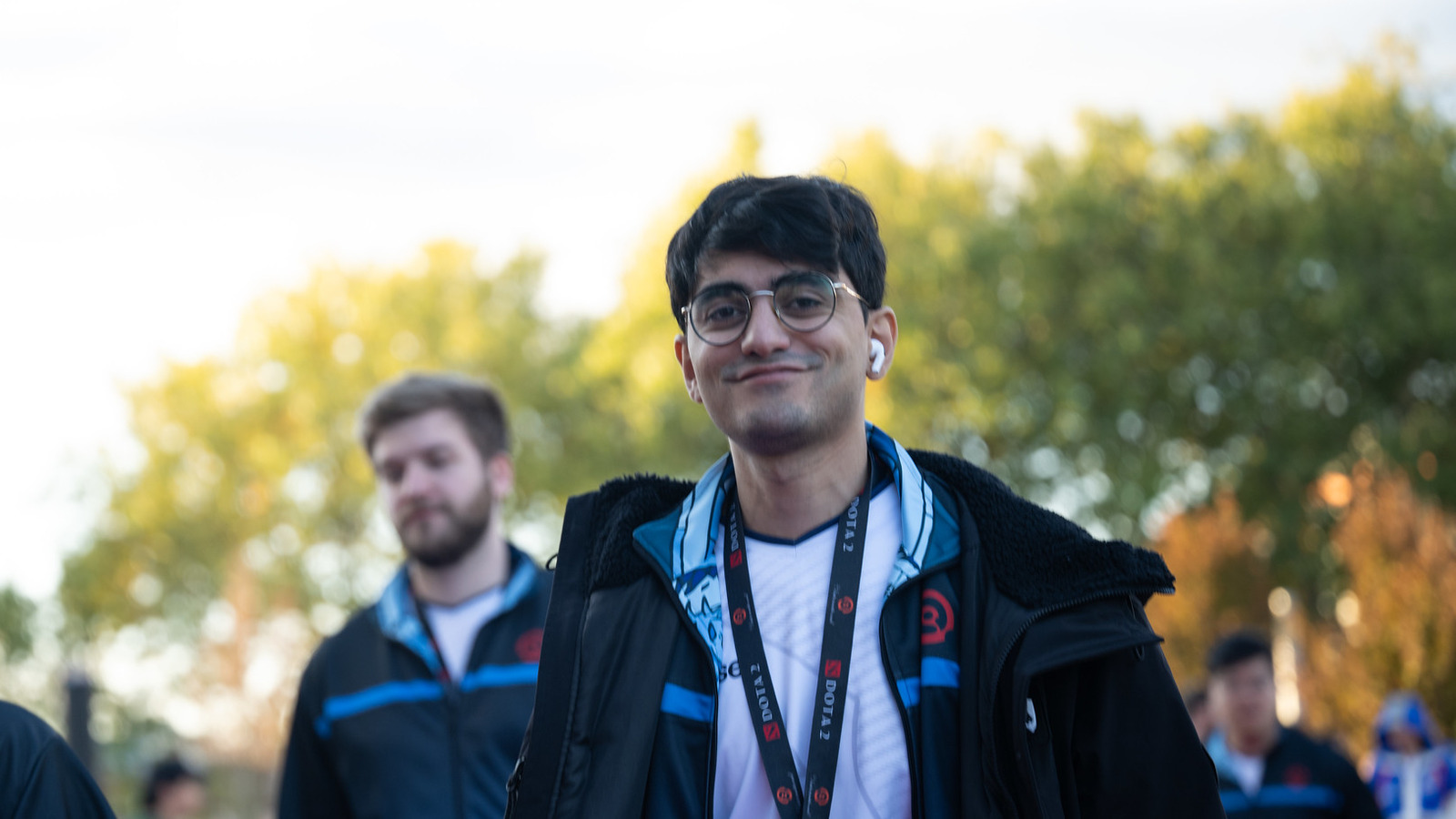
— In the past you also said, “Since TI11 we’ve been pretty stable and extremely lazy. It’s catching up to us, for sure”. Have you discussed it with your teammates, do they notice it?
— Absolutely, every team member recognizes this pattern. We understood from the beginning that our approach would eventually create problems. The combination of stability and reduced effort created a predictable countdown to performance issues, and we’ve now reached the point where the consequences are unavoidable.
Addressing this situation isn’t particularly complicated. We anticipated this development occurring eventually. Currently, we’re investing substantial collective effort to address these challenges. We’re currently in a week-long bootcamp, followed by an unusually brief one-week break—typically we take nearly a month between intensive training periods—before returning immediately to another bootcamp session.
For our team, the most critical adjustment involves refocusing on core gameplay fundamentals, increasing our play volume, and maintaining competitive edge awareness. We possess established methodologies that we know produce results. Following our strategic framework and executing our designated responsibilities will restore our competitive standing. While specific approaches remain confidential, the fundamental requirement involves significantly increased practice time and dedication.
— When you say you were lazy, how did it manifest itself?
— We significantly reduced our scrimmage schedule. Previously, we might only arrange practice matches during the week preceding major tournaments. Last competitive season, this minimalist approach worked effectively because we shared deep strategic understanding. When we organized scrim sessions, all players maintained aligned perspectives about hero viability, role compatibility, and strategic execution requirements.
This year, we recognized that roster changes necessitate different approaches. We must rediscover how each player contributes to team synergy. This discovery process has consumed considerable time, rendering last year’s methods less effective. Increased scrimmage participation and practice volume have become essential.
Previously we operated under specific strategic frameworks… I shouldn’t elaborate extensively since we still utilize these concepts, but essentially, we established clear responsibility distributions where each player managed specific in-game duties to ensure proper team functionality. Obviously, with Zai departing, certain role assignments required adjustment. We’re currently working to redefine our team identity.
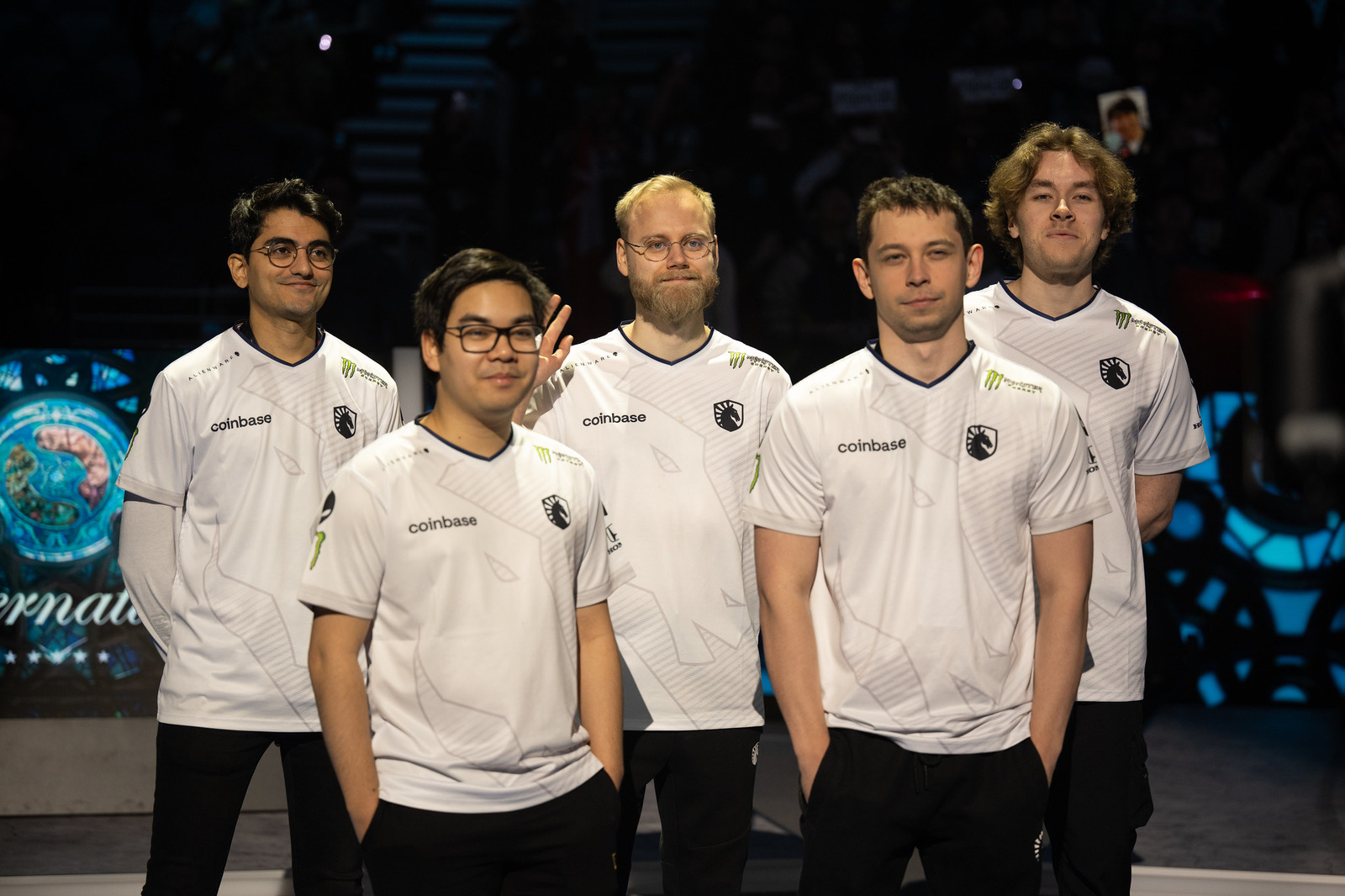
— 33 is a very different player compared to Zai. When he joined, was it more of him adapting to your team or the other way around?
— The adaptation process involved mutual adjustment. However, given his distinctive playstyle and exceptional expertise, our primary objective has been enabling his optimal performance while the remaining four players identify the most effective support strategies, while maintaining our individual gameplay strengths. Consequently, the adaptation burden fell more heavily on our side than his, primarily because we believe his approach represents valuable strategic evolution and future direction for our organization.
— What makes him unique as a player?
— He possesses genuine passion for Dota and demonstrates exceptional attention to minute gameplay details, constantly seeking optimization opportunities for seemingly insignificant elements—this contrasts sharply with our previous team philosophy. Last season, we conducted virtually no discussions about micro-mechanics, with approximately 95% of our strategic conversations focusing on macro-level map control and broader strategic concepts. Neta represents the complete opposite approach.
Consequently, he introduces strategic dimensions that were previously absent from our team framework. Probably the only Liquid player exhibiting somewhat similar tendencies is boxi. However, Neta currently serves as our primary strategic voice, bringing these micro-optimization discussions to the forefront and allocating significant analytical resources to them.
— The result at the last DreamLeague is one of the lowest for you in a while. What went wrong? Did you not have time to rest after BetBoom Dacha?
— I believe virtually every possible factor worked against us. Our gameplay execution reached unacceptable levels. No aspect of our performance demonstrated redeeming qualities. Essentially, everything failed simultaneously.
I genuinely attribute this to insufficient collective effort during inter-tournament periods to maintain practice intensity, stay current with meta developments, and develop comprehensive understanding of preferred hero selections, execution methods, and adaptation requirements for teams emulating Falcons strategies. This recognition drives our current intensive training approach, acknowledging these deficiencies caused our DreamLeague performance issues.
— What are your thoughts on teams trying to copy Falcons?
— This pattern represents standard competitive behavior. Last season when Gladiators achieved success, numerous organizations analyzed their approaches to extract strategic insights. This represents natural competitive evolution—successful teams attract analytical attention. Competitors examine winning strategies to identify transferable concepts and replicate observed successful patterns.
The phenomenon demonstrates interesting meta development. We observed increased Mars, Dragon Knight, and Razor selections—heroes that gained popularity and received expanded strategic exploration. You can determine whether specific heroes possess unbalanced characteristics, or whether the successful team simply demonstrates exceptional proficiency with specific picks. In this instance, the evidence suggests these heroes simply demonstrate strong competitive viability, since multiple teams successfully implement them.
Yatoro picks six best carry heroes of Dota 2 patch 7.35d
— But why don’t people just come up with their own ideas on how to counter them?
— We typically pursue that strategic direction. However, replication often proves simpler than innovation—observing successful execution provides clear implementation templates versus analyzing strategic strengths to develop effective countermeasures. Frequently, creative solutions emerge, but execution difficulty increases when you must outperform opponents who possess specialized expertise with specific strategies.
Consider Ammar’s extensive Huskar experience—I might identify theoretical counters, but my comfort level playing those alternatives rarely matches his Huskar proficiency. This creates complex strategic puzzles unless your roster contains players with diverse hero pools and deep game understanding to execute alternative approaches effectively. Consequently, for most competitors, emulating successful teams’ approaches typically represents the most straightforward competitive path.
— And there are some thoughts that Falcons just fit the patch. Like, that the patch will change and Falcons won’t compete at the current level anymore. What would you say?
— Similar criticisms emerged last season regarding Gladiators. The narrative suggested “Their success stems from patch compatibility rather than superior skill”. However, skilled competitors shape patch perception—if you demonstrate exceptional gameplay understanding, you’ll identify approaches that make the meta appear customized for your strengths.
Meta changes occur regularly, but adaptable teams discover methods to revitalize previous hero selections or identify new competitive options, then develop proficiency with those alternatives. I believe contemporary Dota receives different balancing treatment compared to historical approaches, where heroes like Pangolier might receive catastrophic nerfs rendering them unplayable. Such extreme adjustments rarely occur now—heroes typically receive minor adjustments, disappear briefly from competitive play, then reemerge later.
I anticipate similar patterns for Falcons. They demonstrate exceptional proficiency with their hero selections. Unless these heroes receive substantial balancing changes, they’ll likely maintain competitive relevance.
— Speaking about patches, we recently had one, 7.35d. Are there any significant changes for you or there’s nothing to rave about?
— The Crystal Maiden Shard adjustment represents one of the most impactful changes from my perspective, primarily because mana management consistently challenges CM players. Increasing the cost to 150 mana creates meaningful gameplay consequences since previously you could consistently utilize it on every creep wave followed by Crystal Nova for wave clearance. Previously you gained entire creep wave gold value for 175 mana expenditure, whereas now it requires 325 mana—representing substantial strategic alteration. I consider this probably the most significant adjustment affecting my gameplay.
— A lot of position 4 supports are currently not very happy with their role. What are your thoughts as position 5? Are you happy with the current state, or is there something you want to change?
— I believe the position 5 role has experienced noticeable power reduction during recent months. Last competitive season, support represented a strong position with consistently powerful hero options, enabling players to gain significant MMR through strategic selection. Currently, no support heroes demonstrate exceptional standout potential. Most balancing issues received attention except Chen and now Crystal Maiden adjustments. Consequently, the current meta favors core players more than support specialists. I suspect both position 4 and position 5 players currently experience role dissatisfaction.
— What are your thoughts on the difference in roles between pos4 and pos5?
— Role distinctions have diminished considerably recently—position 5 no longer functions exclusively as lane support. Similar evolution occurred between offlane and carry positions, where traditional definitions became less clear. Sometimes your carry player occupies the offlane position while your offlaner assumes initiation responsibilities. Support roles demonstrate comparable overlap patterns regarding midlane rotation capability and ganking effectiveness. These characteristics depend more on specific hero selections than rigid role assignments.
These developments interest certain players while disappointing others. Most competitors prefer previous role definitions, whereas newer generation players appreciate current flexibility. I cannot imagine Collapse playing traditional offlane styles from ten years ago, where you faced 1vs3 situations and received minimal team support every match. He would likely experience significant frustration. Similar reactions occur regarding numerous role evolution patterns. Generally, most players experience improved satisfaction, except possibly midlaners and carries, since their game influence has decreased compared to historical standards.
— Chen has been the most banned hero at the pro-scene lately. Do you think this nerf in 7.35d would make him less viable?
— Regrettably, no. I believe Chen requires substantially more significant balancing adjustments than the current patch provides. The implemented changes demonstrate insufficient impact, though I understand Valve’s cautious approach to avoid completely eliminating hero viability. However, given the hero’s current power level, they could implement much more substantial nerfs without destroying competitive playability.
— Do you think we’ll see any new heroes? For example, the return of the heroes who buy Helm of the Dominator.
— Certainly, zoo strategies always receive competitive welcome. I consider our team among the world’s strongest with zoo compositions, because we feature 33 on our roster, so… Certain Dominator enhancements demonstrate positive development, and I feel enthusiastic about these changes. I believe it remains premature to determine whether these adjustments prove sufficient, but they represent positive meta evolution. I experimented with Disruptor recently, and this hero hasn’t seen competitive play for approximately a year, which also represents welcome diversity.
We’ll experience some minor meta shifts, but overall the patch represents relatively limited scope. It appears Valve released 7.35d because they weren’t prepared to launch the major update yet. Consequently, they distributed this intermediate patch to maintain community engagement. However, releasing this limited-scope update represents superior approach compared to waiting additional months for the comprehensive patch deployment.
“Team Spirit did not win second TI with the same roster. So to me, it’s not the same”. Ceb on his love for trash-talk and beefs, ATF’s limitations, and OG’s mission
Two-time TI champion challenges Spirit’s achievement — but he is still their fan.
Action Checklist
- Schedule deliberate mental health breaks from public matches every 2-3 months to prevent burnout
- Implement structured scrimmage schedules with minimum 2 weeks preparation before major tournaments
- Analyze tournament-winning strategies to understand underlying principles rather than blindly copying
- Develop clear player responsibility frameworks that adapt to roster changes
- Track meta evolution patterns to anticipate strategic shifts before they become widespread
- Implement structured practice schedules between tournaments with specific meta analysis sessions
- Analyze winning teams’ strategies to identify adaptable elements while developing counter-measures
- Expand hero pool versatility to counter specialized opponent strategies effectively
- Conduct regular bootcamps focusing on both macro strategy and micro optimization
- Implement structured bootcamp schedules with minimal breaks between intensive training periods
- Increase scrimmage frequency to rebuild team coordination and strategic understanding
- Develop micro-optimization strategies alongside macro gameplay focus
- Create hero pool diversification plans to counter meta-copying strategies
- Establish individual responsibility frameworks that accommodate new player strengths
No reproduction without permission:SeeYouSoon Game Club » INSaNiA: “Our stability has been a ticking time bomb and now we feel it’s gone too far”Exclusive