
TL;DR
- Craft scaffolding using 6 bamboo and 1 string arranged in specific crafting table pattern
- Build vertically without climbing by placing blocks on sides of existing structures
- Demolish entire structures instantly by breaking the bottom scaffolding block
- Maintain support within 6 blocks to prevent collapse during horizontal expansion
- Understand edition-specific behaviors regarding lava interaction and phantom threats
Minecraft scaffolding represents one of the most versatile construction tools available to builders, offering unique advantages for ambitious architectural projects. This specialized block provides essential support for complex builds where traditional building methods prove insufficient.
When constructing massive structures at dangerous heights, the risk of fatal falls becomes a constant concern. Scaffolding dramatically enhances building safety by creating stable platforms that prevent accidental drops. While alternative transportation methods exist for vertical movement, scaffolding delivers unparalleled stability and precision placement capabilities. The demolition process proves remarkably efficient, requiring minimal effort to dismantle temporary structures while producing that distinctive cascading collapse sound many players find satisfying.
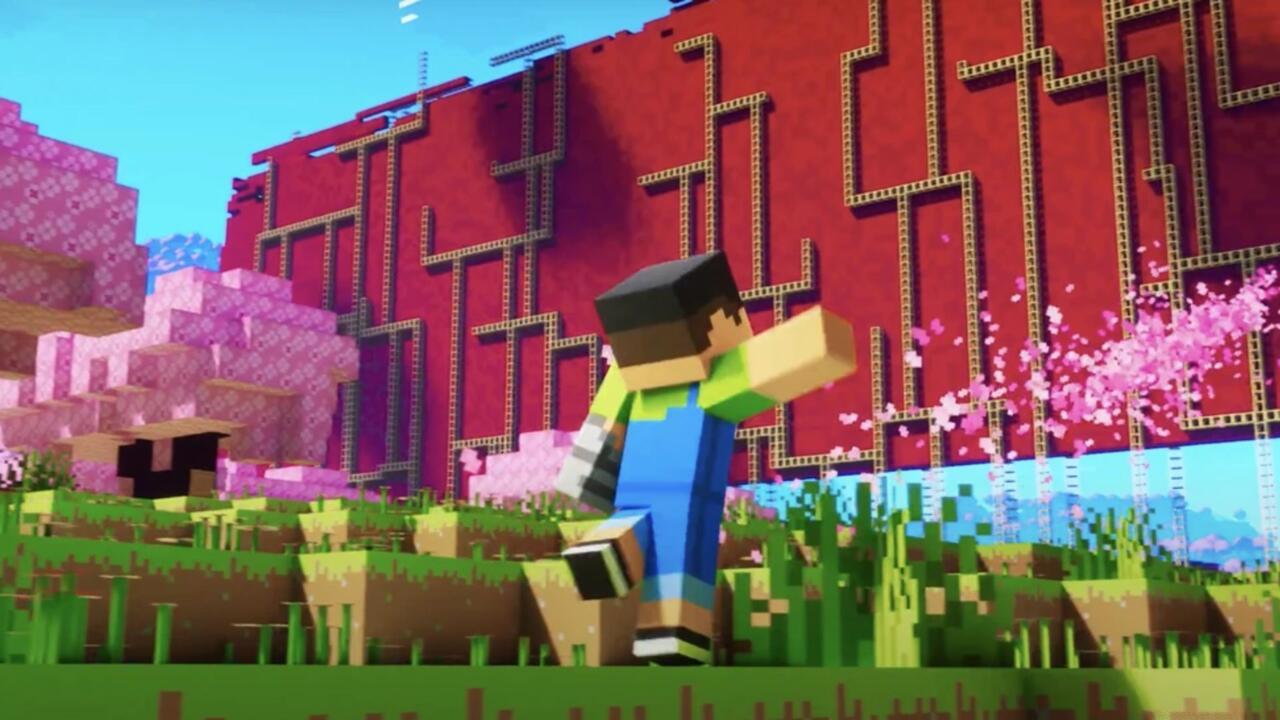
Scaffolding enables complex multi-directional structures that would be challenging with conventional blocks.
The scaffolding recipe requires precisely six bamboo stalks and one piece of string to produce six scaffolding blocks. Arrange three bamboo vertically along both the left and right columns of your crafting grid, then position the single string in the top-center slot. This arrangement mirrors the structural integrity of real-world scaffolding systems.
Bamboo resources can be reliably sourced from trial chamber chests found throughout your world. This fast-growing plant breaks instantly without requiring specialized tools, making resource gathering exceptionally efficient. For players seeking comprehensive guidance on other game mechanics, our Complete Guide offers extensive building strategies.
Common crafting mistakes include improper bamboo placement or insufficient string quantity. Ensure you have adequate workspace and materials before beginning construction. Advanced players can optimize bamboo farming by creating automated harvesting systems near trial chambers.
Scaffolding introduces revolutionary placement mechanics distinct from conventional blocks. To erect vertical towers rapidly, simply target the side of any ground-level block—the scaffolding will automatically extend upward without requiring you to climb as you build. This feature alone saves considerable time during large-scale construction projects.
Horizontal expansion requires placing blocks atop existing structures, which extends scaffolding laterally. This enables creation of elaborate multi-directional frameworks that provide unprecedented movement freedom. When using sneak placement while targeting specific sides, scaffolding attaches precisely to the faced surface. However, inadequate underlying support causes immediate collapse, with blocks falling to the ground below.
The critical support limit spans six blocks from the primary foundation. Exceeding this distance triggers structural failure, making strategic support placement essential for complex builds. Understanding these mechanics is as crucial as mastering Weapons Unlock systems in other games.
Breaking the lowest scaffolding block triggers chain demolition of all connected blocks above it. This efficient removal system makes scaffolding ideal for temporary structures or iterative design processes where frequent modifications are necessary.
Piston interactions with scaffolding typically result in block destruction rather than movement. Attempting to create dynamic scaffolding systems proves impractical given the material’s inherent fragility when subjected to mechanical forces.
The most significant edition variation concerns lava interactions. Java Edition scaffolding remains fire-resistant when placed in lava, while Bedrock Edition scaffolds ignite and burn immediately upon contact. This critical difference requires careful consideration when building in hazardous environments.
Hostile mobs cannot spawn directly on scaffolding surfaces, providing inherent safety benefits. However, phantom threats remain concerning during extended high-altitude construction sessions, especially at night. Proper lighting and protective measures become essential for nighttime building operations.
For builders seeking to optimize their approach, our Class Guide offers complementary strategic insights. Scaffolding excels for creating elaborate temporary structures, testing architectural concepts, or constructing intricate details that would be impossible using standard building techniques.
Action Checklist
- Gather 6 bamboo from trial chambers and 1 string from spiders
- Arrange materials in crafting table: bamboo on sides, string top-center
- Practice vertical construction by placing scaffolding on block sides
- Experiment with horizontal expansion while monitoring 6-block support limit
- Test demolition by breaking bottom blocks and observe chain reaction
No reproduction without permission:SeeYouSoon Game Club » How To Use Minecraft Scaffolding Master Minecraft scaffolding with expert crafting techniques, placement strategies, and safety tips for ambitious builds