
TL;DR
- Clay is essential for silos, crafting, and farm progression but requires strategic collection methods
- Tilling dirt patches near Robin’s house and on your farm yields the most consistent clay returns
- Artifact spots and geodes provide supplementary clay but shouldn’t be your primary farming method
- Advanced players can optimize clay collection through strategic timing and location prioritization
- Building multiple silos early prevents hay shortages and supports livestock expansion
Clay serves as a foundational resource in Stardew Valley that becomes increasingly vital as your farm develops. While it may seem like a simple material initially, its strategic importance grows substantially once you begin constructing essential farm buildings and crafting advanced items.
This versatile material functions as a core component for multiple crafting recipes and building projects. Unlike more straightforward resources like Wood and Stone that can be gathered predictably, clay requires targeted farming strategies to accumulate in meaningful quantities. Understanding its applications helps prioritize collection efforts effectively.
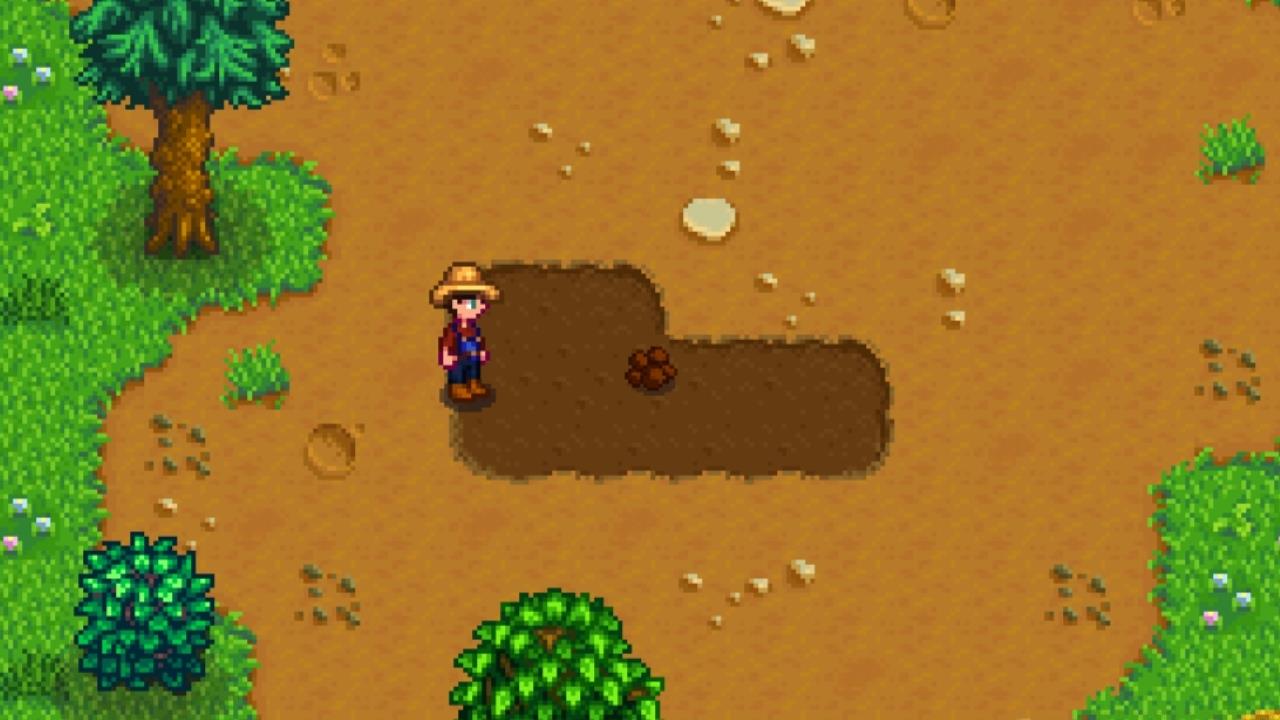
Strategic tilling of dirt patches provides the most reliable clay source for early to mid-game progression.
The most critical early-game use involves constructing silos through Robin’s carpentry services. These structures automatically collect hay when you cut grass on your property, creating an essential feed supply for livestock. Without adequate silo capacity, managing animals becomes significantly more challenging and expensive.
Mastering multiple clay acquisition techniques ensures you never face shortages when this material becomes urgently needed for construction or crafting projects.
Tilling Dirt and Sand: The most productive method involves systematically hoeing dirt patches throughout Pelican Town and your farm. The areas surrounding Robin’s carpenter shop consistently yield 2-4 clay pieces when fully tilled. Different farm layouts offer varying dirt quantities—standard farms typically provide the most tillable land for clay farming.
Sand tilling on beaches offers alternative clay sources, though the drop rates differ slightly from dirt patches. The mines and Skull Cavern contain sporadic dirt patches that can be hoed for additional clay, though this method proves less efficient than surface farming.
Artifact Spot Harvesting: Those wiggling worm spots that appear around town occasionally contain clay among their potential rewards. While not reliable as a primary collection method, they provide valuable supplementary clay when encountered during daily activities.
Treasure Chests and Geodes: Fishing treasure chests and processed geodes can yield clay, though the random nature makes them inconsistent sources. Since these methods prioritize rare artifacts and minerals, targeting them specifically for clay collection proves inefficient compared to focused tilling.
Ginger Island Clay Veins: After completing the Community Center or Joja Mart storyline, Ginger Island unlocks exclusive clay veins. These provide concentrated clay deposits but remain inaccessible until late-game progression.
Seasoned farmers develop sophisticated clay collection approaches that maximize efficiency while integrating with other farming activities.
Location Optimization: Prioritize these clay-rich areas: the large dirt patch north of Robin’s house (8-12 potential clay daily), the path to Mountain Lake (4-6 clay), and your farm’s natural dirt patches. The beach provides decent clay yields on rainy days when other activities become limited.
Seasonal Considerations: Winter offers prime clay farming opportunities since crop maintenance ceases, freeing time for resource gathering. The absence of grass and crops reveals additional tillable spots that might be overlooked during other seasons.
Tool Enhancement: Upgrading your hoe to copper level or higher enables multi-square tilling, dramatically increasing daily clay yields. The iron hoe’s three-square range proves particularly effective for clearing large dirt patches efficiently.
Daily Route Efficiency: Establish a systematic clay collection route that incorporates artifact spot checking. Begin at your farm, proceed to the mountain area near Robin’s, then check the beach if time permits. This route typically takes 2-3 in-game hours and yields 15-25 clay on average.
For comprehensive farming strategies that complement clay collection, our Complete Guide covers optimal resource management approaches.
Many players encounter avoidable setbacks in clay management that hinder their farm development progress.
Underestimating Silo Requirements: Beginners often build just one silo, then struggle with hay shortages when expanding their livestock. Construct 2-3 silos before acquiring multiple animals to ensure continuous feed supply through winter.
Inefficient Tilling Patterns: Randomly hoeing dirt without systematic coverage wastes energy and potential clay. Instead, work in organized rows or use upgraded hoe patterns to maximize coverage.
Neglecting Artifact Spots: While not primary clay sources, consistently ignoring worm spots sacrifices 5-10 potential clay pieces weekly.
Poor Timing: Attempting clay collection during peak cropping seasons (Spring/Summer) often conflicts with more profitable activities. Schedule major clay farming during winter or on rainy days when opportunity costs decrease.
Over-reliance on Geodes: Spending excessive time mining specifically for clay-containing geodes proves less efficient than direct tilling. Process geodes acquired during normal mining activities rather than specifically hunting them for clay.
Understanding weapon mechanics through our Weapons Unlock guide demonstrates how different games handle resource progression similarly.
Class specialization knowledge from our Class Guide translates well to Stardew Valley’s skill-based progression systems.
Action Checklist
- Upgrade hoe to copper level for efficient multi-square tilling
- Establish daily clay route: Farm → Mountain → Beach
- Build 2-3 silos before expanding livestock operations
- Focus winter months on systematic clay collection from all available dirt patches
- Process accumulated geodes in batches rather than individually
No reproduction without permission:SeeYouSoon Game Club » How To Get Clay In Stardew Valley Master clay farming in Stardew Valley with proven strategies, optimal locations, and advanced collection techniques