
TL;DR
- Gravel mining provides 10% flint drop rate – use Fortune enchantment for 100% efficiency
- Explore ruined portals and villages for guaranteed flint sources without mining
- Flint is essential for arrows, flint and steel, and advanced redstone contraptions
- Strategic shovel usage and biome selection dramatically increase flint acquisition speed
- Combine multiple acquisition methods for optimal flint stockpiling throughout gameplay
Flint represents a cornerstone resource for progressing through Minecraft’s survival challenges, particularly when establishing your archery capabilities or fire-starting equipment. Understanding the mechanics behind flint acquisition can transform your resource gathering efficiency.
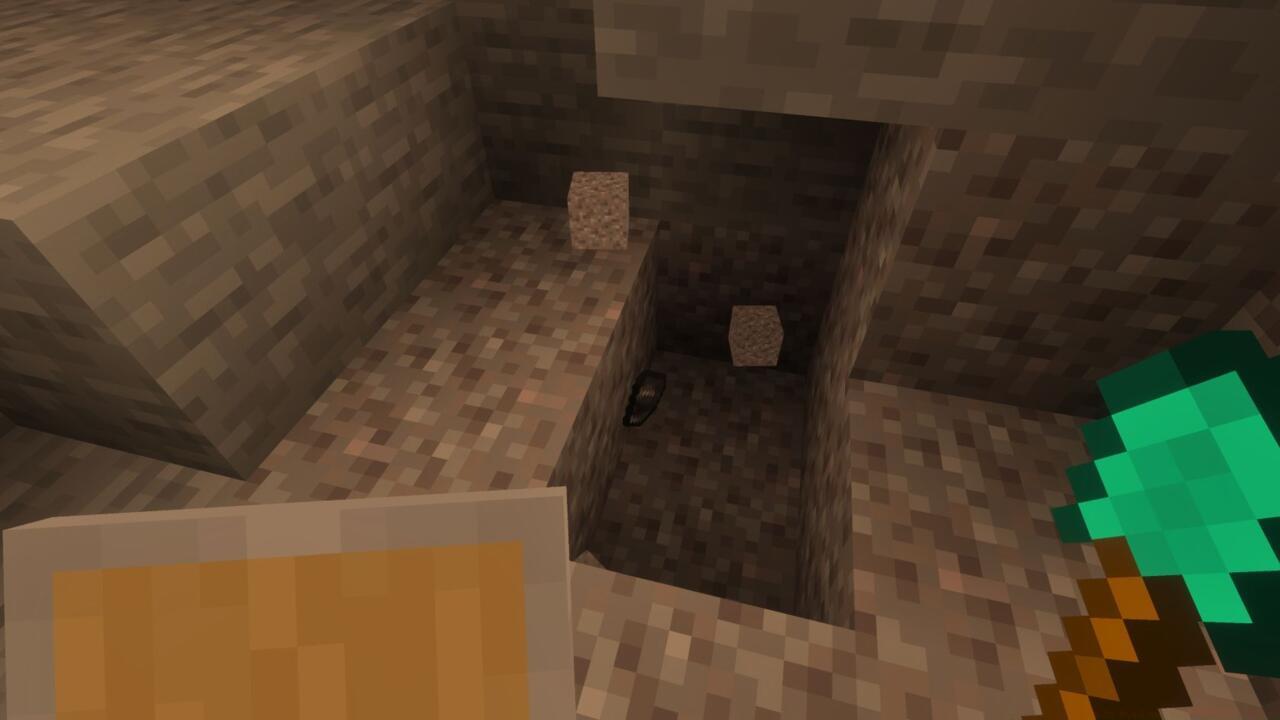
Strategic gravel excavation with proper tools yields optimal flint returns
The fundamental approach to obtaining flint involves systematic gravel mining. While manual excavation remains possible, employing any shovel variant accelerates the process significantly. Each gravel block mined carries precisely a 10% probability of dropping flint instead of gravel itself. The visual distinction between successful flint drops and regular gravel is clearly demonstrated in the accompanying reference image.
Gravel distribution spans nearly all elevation levels, making it readily accessible during early-game progression. However, strategic location selection dramatically impacts collection rates.
Optimal Gravel Source Locations:
- Aquatic environments (ocean floors, riverbeds, and coastal shorelines)
- Underground cave systems and ravine walls
- Mesa biome plateaus and badlands formations
- Nether realm ceilings and soul sand valley perimeters
Pro Mining Strategy: Utilize Fortune-enchanted shovels to dramatically increase flint yield. Fortune III guarantees flint from every gravel block, eliminating randomness from the process. Always carry multiple shovels when undertaking large-scale gravel mining operations to prevent tool degradation interrupting your workflow.
Common Mistake: Many players waste time mining singular gravel blocks instead of exploiting gravel’s gravity properties. Position yourself beneath gravel pillars and mine the bottom block – collapsing the entire structure automatically while maximizing efficiency.
Beyond traditional mining, several alternative acquisition methods provide reliable flint sources, particularly valuable when gravel is scarce or tools are unavailable.
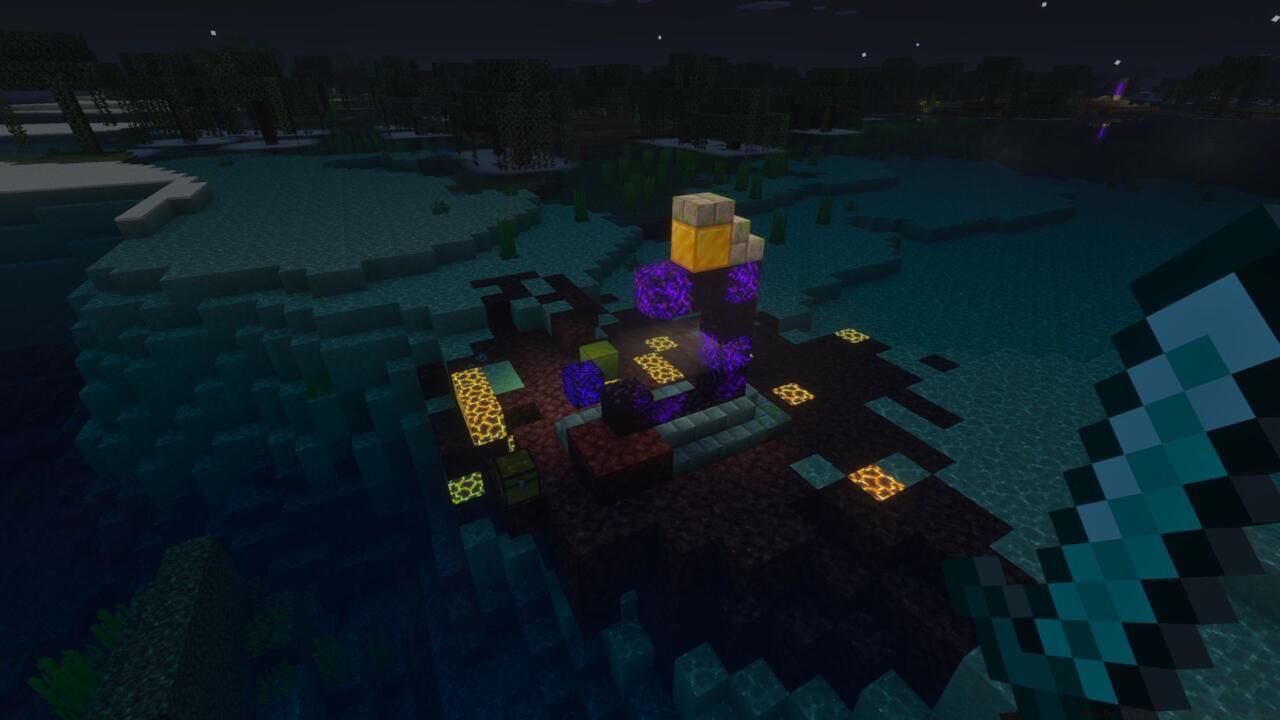
Ruined portals contain guaranteed flint within their chest loot tables
Structured exploration offers consistent flint returns without resource expenditure. Ruined portals, scattered across Overworld landscapes, consistently contain 1-2 flint pieces in their chest inventories. Similarly, village fletcher buildings often stockpile flint among their trade goods and storage chests.
Fletcher Trading Mechanics: Establishing trade relationships with fletcher villagers unlocks flint purchases for emeralds. Master-level fletchers typically offer 10 flint for 1 emerald, creating a renewable source once your trading infrastructure is established.
Advanced Looting Technique: When exploring structures, prioritize locations with multiple gravel patches nearby. Mine these gravel sources after looting chests to maximize each expedition’s flint yield. This combined approach typically nets 5-8 flint per location visited.
Time Optimization: Structure-based flint gathering requires approximately 15-20 minutes of exploration for 10-15 flint, compared to 30+ minutes of pure mining for equivalent quantities. Early-game players should balance both methods based on available tools and exploration opportunities.
Flint’s versatility extends across multiple essential crafting domains, making efficient acquisition critical for advancing through Minecraft’s technological progression.
Primary Crafting Implementations:
- Arrow Production: Each arrow requires one flint combined with stick and feather. Stockpiling 32+ flint enables creating full arrow stacks, essential for sustained ranged combat.
- Fire Starting Equipment: Flint and steel creation demands one iron ingot paired with flint, enabling fire placement and Nether portal activation.
- Advanced Redstone Applications: Dispenser mechanisms require flint as a core component, making it indispensable for automated farming systems and defensive contraptions.
Resource Management Strategy: Prioritize flint allocation based on your current gameplay objectives. Early survival focuses on flint and steel for secure food preparation and portal access, while mid-game shifts toward arrow production for exploration and combat readiness.
Common Crafting Error: Many players underestimate their flint requirements for dispenser-based farms. A simple chicken farm can consume 7 flint for dispensers alone – plan your resource allocation accordingly.
Pro Tip: Maintain separate flint stockpiles for different applications. Designate one chest for arrow materials, another for redstone components, and a third for emergency fire-starting needs. This organizational approach prevents crafting bottlenecks during critical gameplay moments.
For comprehensive weapon strategies that complement your flint-based arrow production, consult our detailed BF6 Weapons Unlock Guide to understand how resource management integrates with combat effectiveness.
Action Checklist
- Craft iron shovel for efficient gravel mining
- Locate aquatic or cave gravel deposits for concentrated mining
- Apply Fortune III enchantment to shovel for guaranteed flint drops
- Explore 2-3 ruined portals for chest loot flint
- Establish fletcher villager trading for renewable flint source
- Stockpile 64+ flint for arrow production and redstone projects
No reproduction without permission:SeeYouSoon Game Club » How To Find And Use Minecraft Flint Master flint acquisition and crafting strategies to enhance your Minecraft survival experience