
TL;DR
- Crafting transforms Makeshift weapons into Primal or Classic variants using Mechanical or Animal Parts
- Primal weapons offer higher damage with reduced accuracy, while Classic weapons provide reliable precision
- Material farming requires strategic vehicle destruction and wildlife hunting across specific map locations
- Inventory management is crucial as meat consumes slots while crafting materials have dedicated storage
- Advanced strategies include quick-crafting during combat and material pre-collection for late-game advantages
Fortnite Season 6 introduces a revolutionary crafting mechanic that allows players to transform basic Makeshift weapons into specialized Primal or Classic variants using collected materials. This system adds strategic depth to loot management and combat preparation.
The primal theme dominates Season 6’s landscape, evident from prehistoric structures to weapon aesthetics resembling survival games like ARK: Survival Evolved. This crafting overhaul represents one of the most significant gameplay changes since the game’s inception, requiring players to master material collection and weapon transformation.
Mastering Fortnite crafting provides competitive advantages that separate skilled players from beginners. This comprehensive guide delivers essential knowledge about Mechanical Parts, Animal Parts, Makeshift weapons, and the complete transformation process to maximize your combat effectiveness.
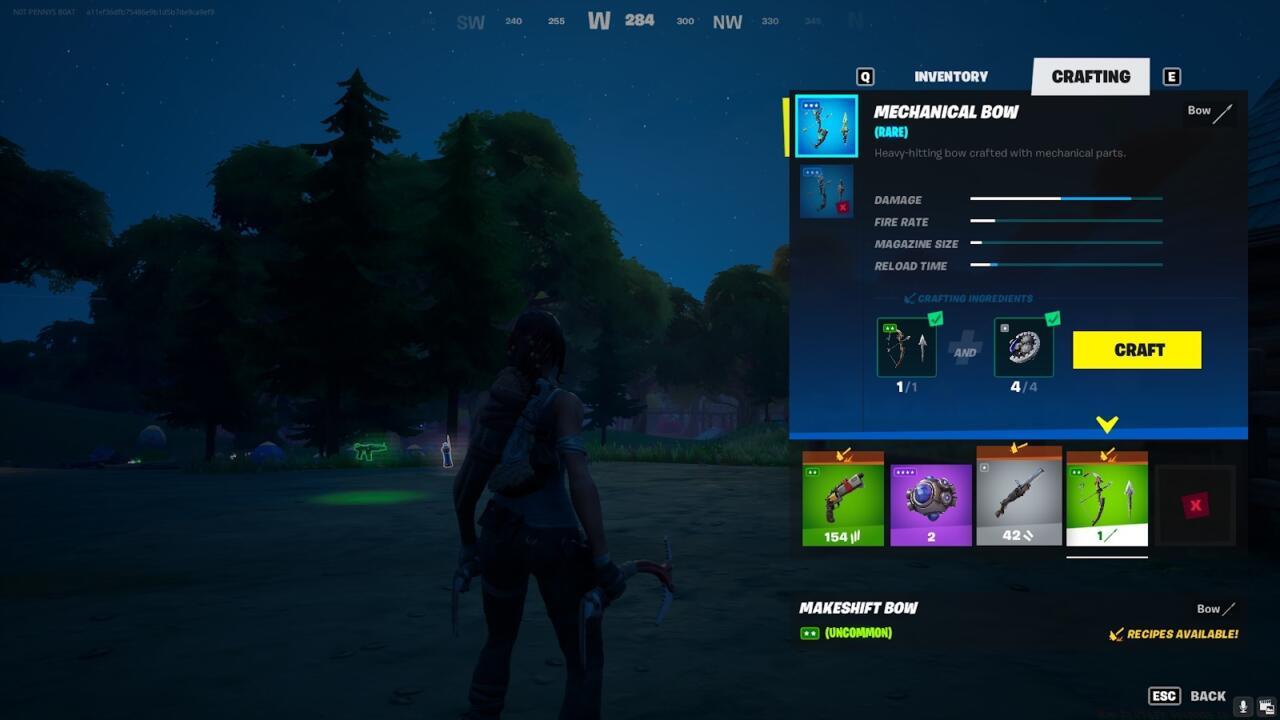
Before diving into complex recipes, understanding fundamental material types is crucial. The system operates on two primary resource categories: Mechanical Parts and Animal Parts, each with distinct acquisition methods and applications.
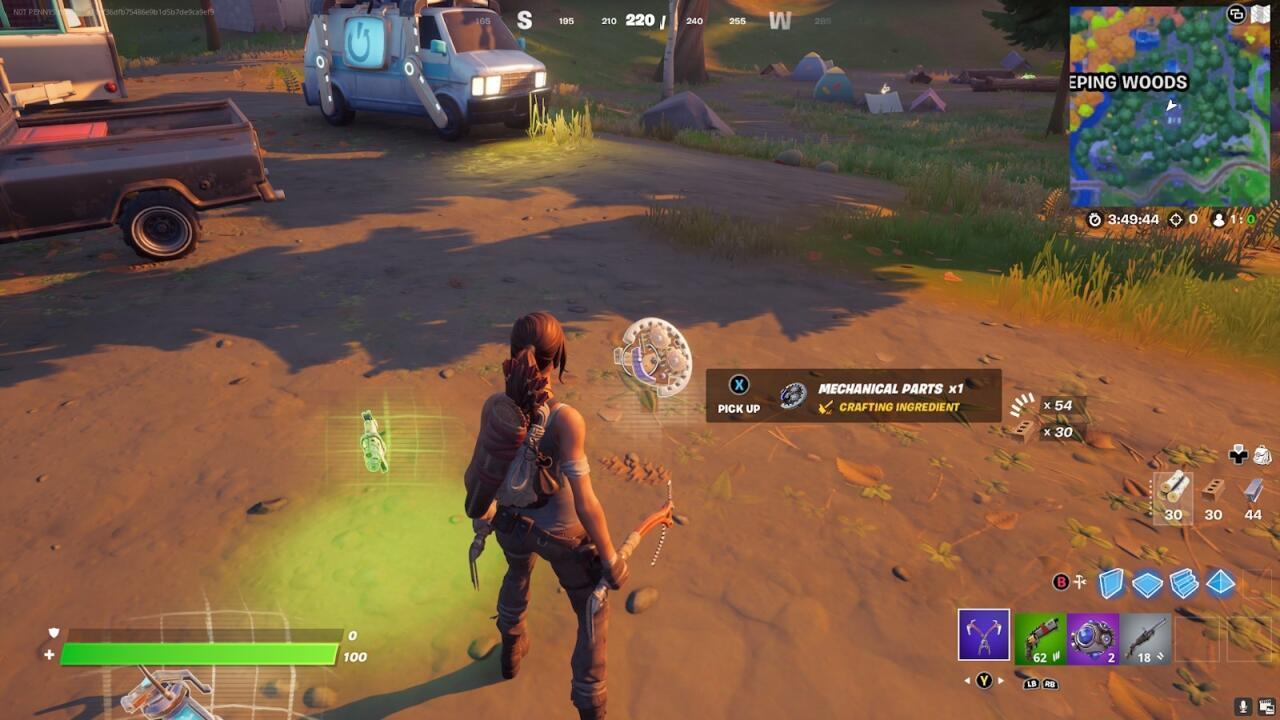
Mechanical Parts originate from destructible vehicles including cars, trucks, RVs, and any motorized transport. Efficient harvesting involves using your Harvesting Tool for precise dismantling or explosives for rapid collection, with larger vehicles typically yielding more components.
Animal Parts emerge from defeated wildlife, which now includes both passive creatures (chickens, frogs) and aggressive predators (boars, wolves). Successful hunting yields Bones and Meat, with strategic implications for health management and weapon crafting.
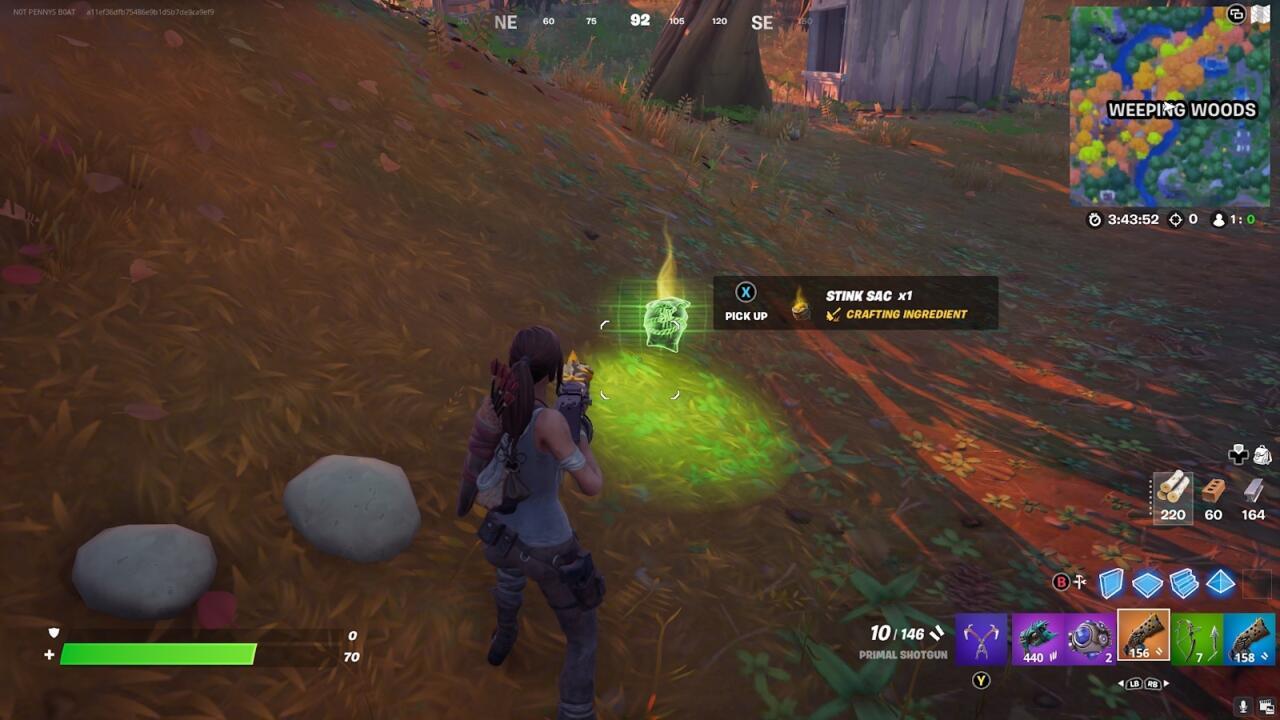
Frogs provide additional Stink Sacs for specialized gear, while larger animals like wolves and boars drop greater quantities of bones, making them priority targets for material-focused players.
Inventory optimization is essential since Bones and Mechanical Parts utilize dedicated crafting storage without consuming standard inventory slots. Meat, however, occupies regular inventory space—four pieces per slot—each restoring 15 HP when consumed.
The weapon dichotomy in Season 6 creates meaningful gameplay choices between Primal and Classic weapon archetypes. Understanding their distinct combat characteristics enables players to make informed decisions based on playstyle and situation.
Primal weapons, adorned with bone and teeth aesthetics, deliver superior damage output but sacrifice precision through increased recoil and spread. These excel in close-quarters combat where landing shots matters more than pinpoint accuracy.
Classic weapons maintain familiar performance characteristics from previous seasons, offering reliable accuracy and controllable recoil patterns. While potentially outdamaged by Primal variants in specific scenarios, their consistency makes them preferred for medium to long-range engagements.
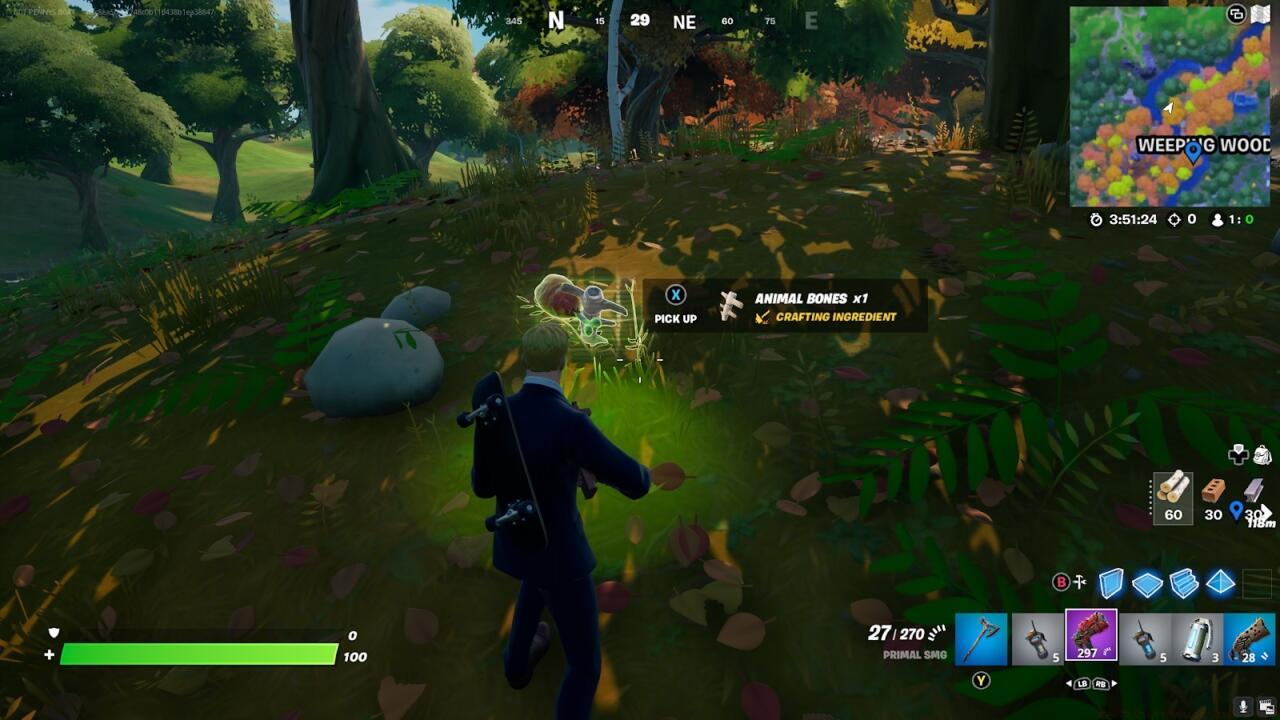
The separation between Mechanical and Animal parts in recipes reflects this philosophical divide. Primal weapons exclusively require Animal Parts (Bones), while Classic weapons need Mechanical Parts, creating distinct material farming priorities.
Makeshift weapons serve as foundational platforms for transformation. While functional in early-game scenarios, their true potential unlocks through crafting into specialized variants that align with your tactical approach.
This risk-reward dynamic forces players to evaluate their preferences and available resources. Situational awareness becomes crucial—sometimes you must craft what materials permit rather than what you ideally prefer.
Advanced players often carry one of each weapon type to adapt to changing combat situations. A Primal shotgun for building breaches paired with a Classic assault rifle for ranged suppression creates versatile loadouts.
Common mistakes include overcommitting to one weapon type without considering engagement distances. Successful players maintain flexibility, transforming weapons based on circle positioning and available cover.
Mastering Fortnite’s crafting system requires comprehensive knowledge of transformation recipes and strategic material management. This section provides complete crafting databases and professional optimization techniques.
Makeshift weapons transform through simple material combinations: Mechanical Parts create Classic variants while Animal Parts yield Primal versions. Each weapon category follows consistent patterns for predictable outcomes.
Assault Rifle transformations demonstrate the core pattern: 4 Mechanical Parts creates a Classic Assault Rifle, while 4 Animal Bones produces a Primal Assault Rifle. Similar ratios apply across weapon types with minor variations for balance.
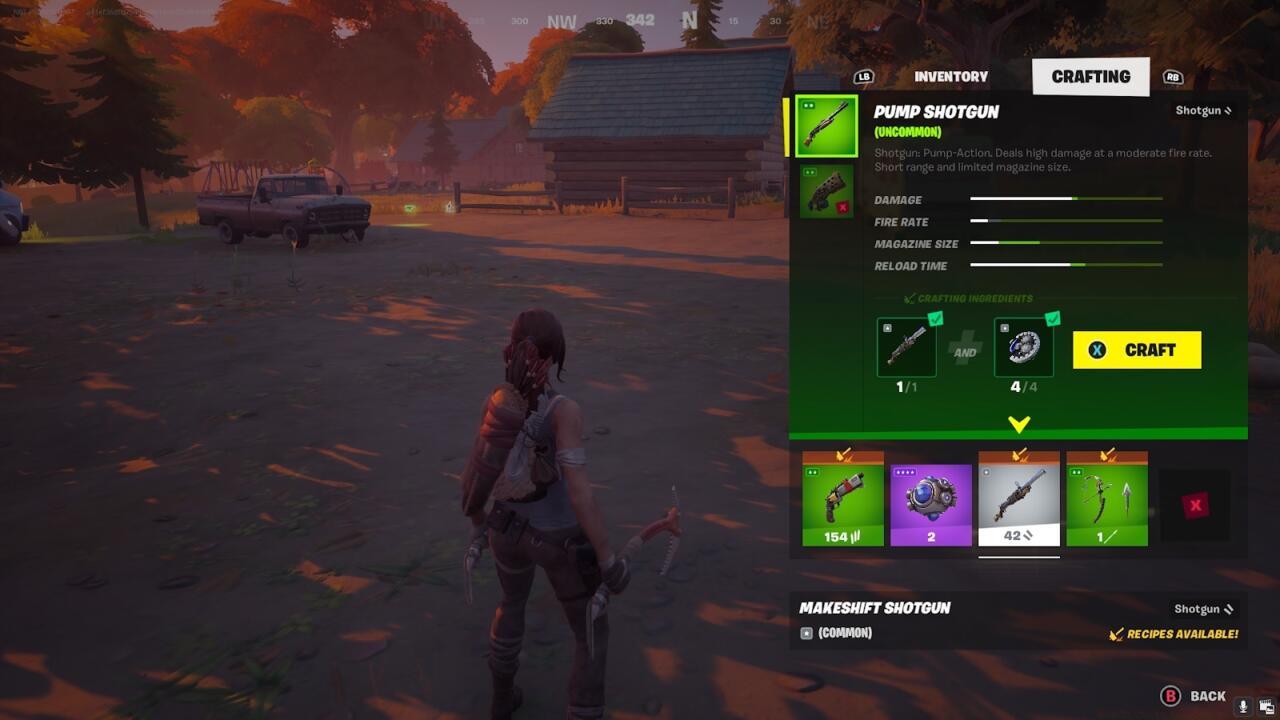
Shotgun recipes follow similar logic but with adjusted material requirements. The Primal Shotgun demands 4 Animal Bones for creation, delivering devastating close-range power ideal for aggressive playstyles and building breaches.
Efficient material farming involves strategic route planning. High-vehicle density areas like Pleasant Park and Lazy Lake provide abundant Mechanical Parts, while wildlife-rich zones including Weeping Woods and Colossal Crops offer optimal bone collection opportunities.
Professional players prioritize material collection during early-game looting phases. Securing 8-12 of each material type enables multiple transformations throughout the match, adapting to evolving circumstances.
Time management is crucial—spending too long farming materials risks encountering better-equipped opponents. Balance material acquisition with standard looting to maintain combat readiness.
Advanced tactics include quick-crafting during build battles, transforming weapons mid-fight to gain unexpected advantages against unprepared enemies.
For players seeking comprehensive weapon systems knowledge, our BF6 Weapons Unlock Guide offers parallel strategic insights applicable across gaming titles.
Material pre-collection before reaching end-game circles ensures you enter final engagements with optimally crafted weapons. This preparation often determines victory in competitive scenarios.
Action Checklist
- Collect 4+ Mechanical Parts from vehicles in high-density areas
- Hunt wildlife in primal zones to gather 4+ Animal Bones
- Transform Makeshift weapons into Primal or Classic variants based on available materials
- Create balanced loadouts with both weapon types for situational adaptability
- Practice quick-crafting during combat scenarios for unexpected advantages
No reproduction without permission:SeeYouSoon Game Club » How To Craft Weapons In Fortnite Master Fortnite Season 6 crafting with expert strategies for primal weapons, material farming, and tactical advantages