
TL;DR
- Multitool puzzles feature procedural generation but follow consistent solving logic
- Electricity rewiring requires identifying connection points and following glowing wire paths
- Laser puzzles demand precise orb positioning and beam redirection techniques
- Tripmine disarming involves careful laser path tracing and timing precision
- All puzzles can be reset without penalty and support accessibility options
Half-Life: Alyx blends intense action sequences with clever environmental challenges that test your problem-solving abilities. While the game maintains the series’ signature combat focus, Alyx Vance’s technical expertise introduces sophisticated puzzle mechanics centered around her versatile multitool device.
This indispensable gadget serves multiple functions beyond simple hacking. You’ll employ it to manipulate electrical systems, redirect laser beams, and neutralize security devices. The multitool transforms ordinary environmental interactions into engaging cerebral exercises that complement the game’s combat rhythm.
Each encounter with these challenges presents a uniquely generated configuration, ensuring no two solutions are identical. However, the underlying principles governing each puzzle type remain consistent, allowing you to develop reliable solving methodologies.
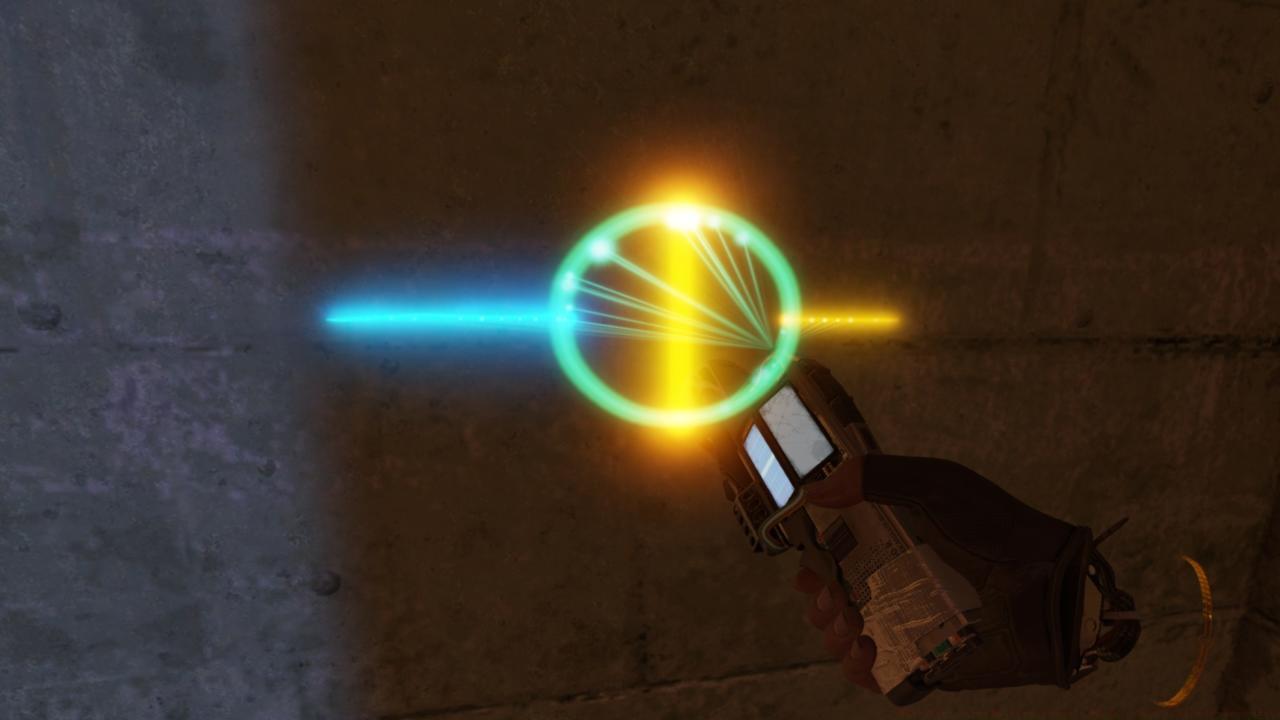
Mastering electricity redirection is fundamental to progressing through Alyx’s urban environments.
Accessibility remains a key consideration throughout these challenges. Valve has implemented comprehensive options including one-handed control schemes. While we conducted testing primarily with standard two-handed play, the puzzle designs appear accommodating to various play styles and physical capabilities.
Electrical system manipulation represents one of the most frequent applications for Alyx’s multitool. These puzzles typically involve restoring power to disabled equipment or rerouting current to bypass security systems.
When approaching any inactive device, systematically scan the surrounding area for access panels or connection interfaces. The multitool’s detection capability causes relevant wiring to illuminate when positioned correctly, providing clear visual feedback about interaction points.
Successful circuit completion requires tracing energy pathways from source to destination. Begin by identifying the power origin point, then follow the glowing conduits to locate where connections have been interrupted or require redirection.
Advanced technique: For complex multi-node puzzles, work backward from the target device toward the power source. This reverse-engineering approach often reveals solution paths more efficiently than forward tracing.
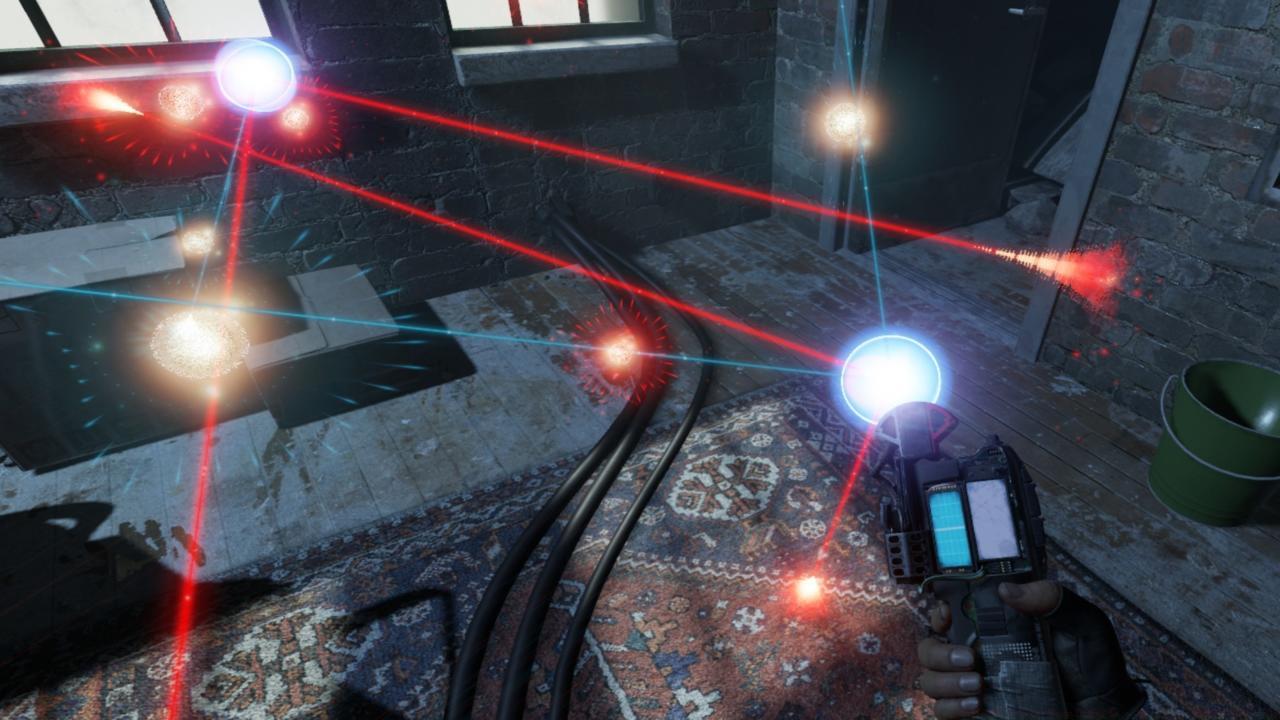
Orb manipulation requires careful positioning and spatial awareness to solve laser-based challenges.
Common mistake: Players often overlook secondary connection points located above or below eye level. Always conduct thorough vertical scans of the environment, as Combine technology frequently employs three-dimensional wiring layouts.
These electrical puzzles typically guard valuable resources like Combine fabricators and supply caches. Mastering them ensures consistent access to ammunition, health stations, and crafting materials throughout your journey.
Laser-based puzzles introduce spatial reasoning elements that demand precision and patience. These challenges involve manipulating floating orbs to redirect beams through specific pathways.
The core mechanic requires aligning the orb so incoming lasers connect with corresponding output nodes. Each successful connection illuminates the pathway, providing clear progress indication.
Strategic approach: Begin by identifying all laser sources and their intended destinations. Then position the orb to create bridging connections between matching color-coded endpoints.
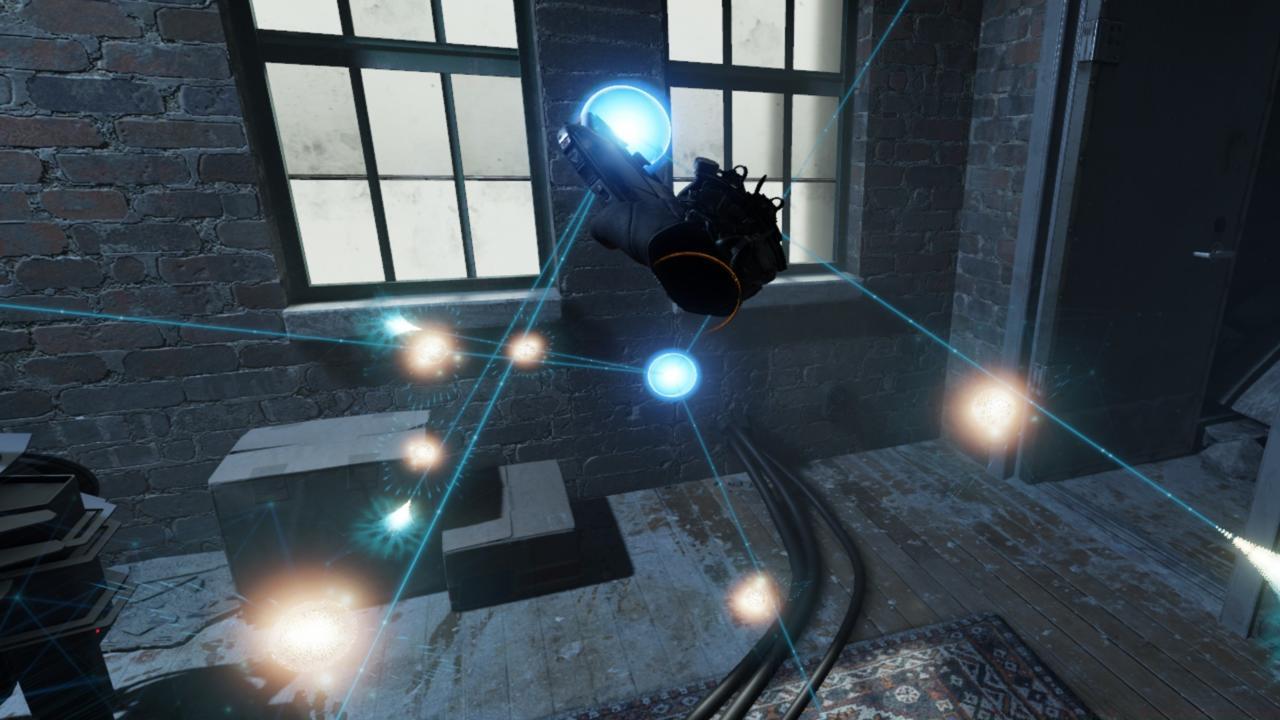
Complex laser webs require methodical approach and careful orb rotation to achieve proper alignment.
For intricate laser web configurations, adopt a perimeter-to-center methodology. Solve the outer connection points first, then work inward toward the central orb manipulation.
Advanced tip: When dealing with multiple orbs, prioritize establishing the longest connection paths first, as these typically have the most constrained positioning requirements.
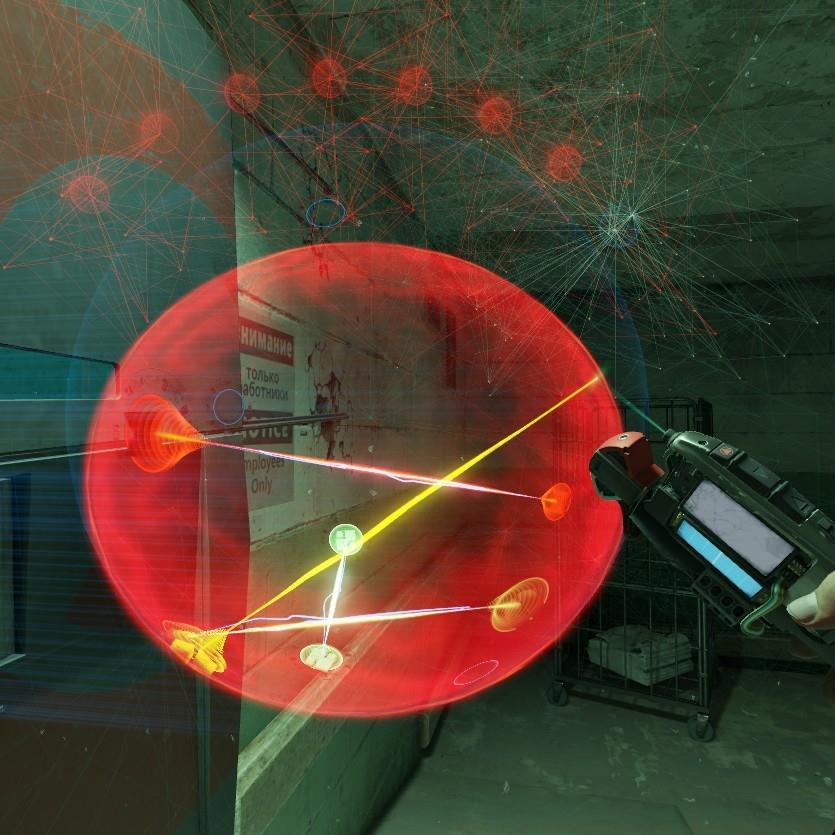
Precise orb matching requires steady hands and understanding of beam reflection principles.
Common frustration: Over-rotation of orbs often breaks existing connections while establishing new ones. Make incremental adjustments and frequently verify that previously solved pathways remain intact.
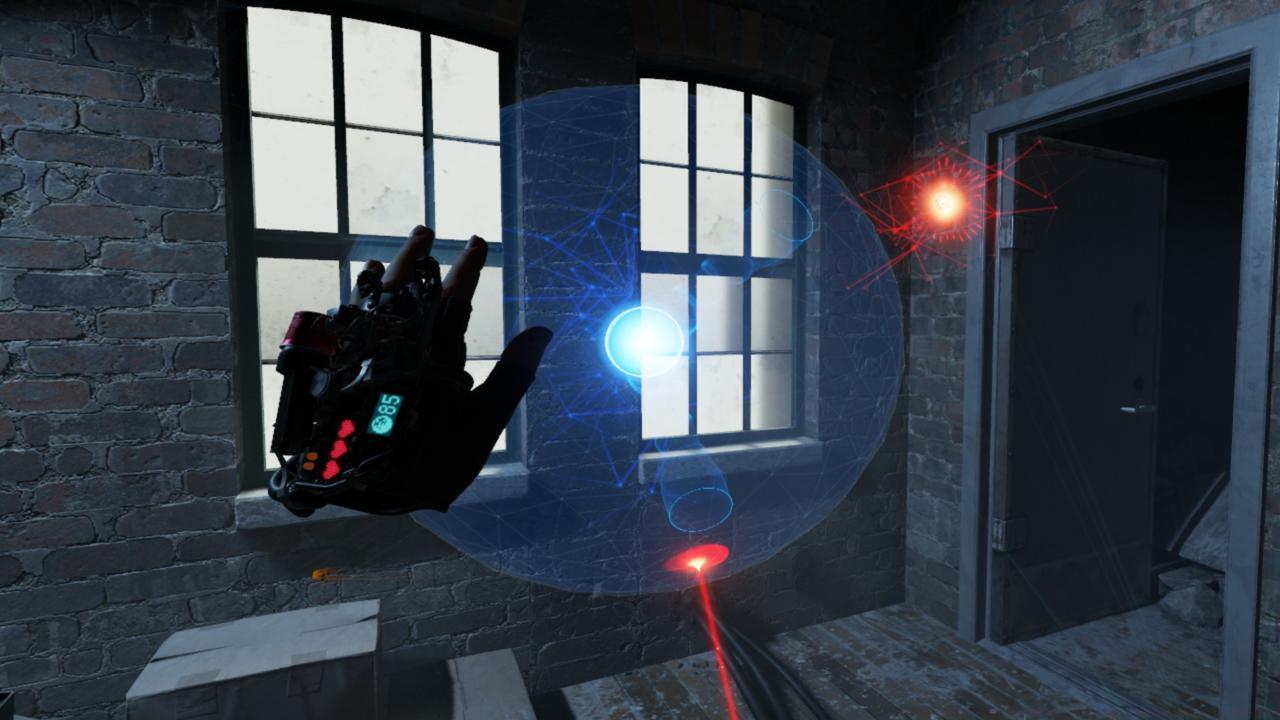
Laser redirection through orbs demands understanding of angles and beam trajectory physics.
Tripmine neutralization represents the most tense application of Alyx’s multitool. These security devices pose immediate threats that require careful deactivation rather than simple puzzle solving.
The disarming process involves carefully tracing the laser beam back to its source mechanism. Move slowly and methodically to avoid accidental triggering.
Essential technique: Position the multitool at the beam’s origin point and follow its path toward the detection field. The interface will provide clear feedback when proper alignment is achieved.
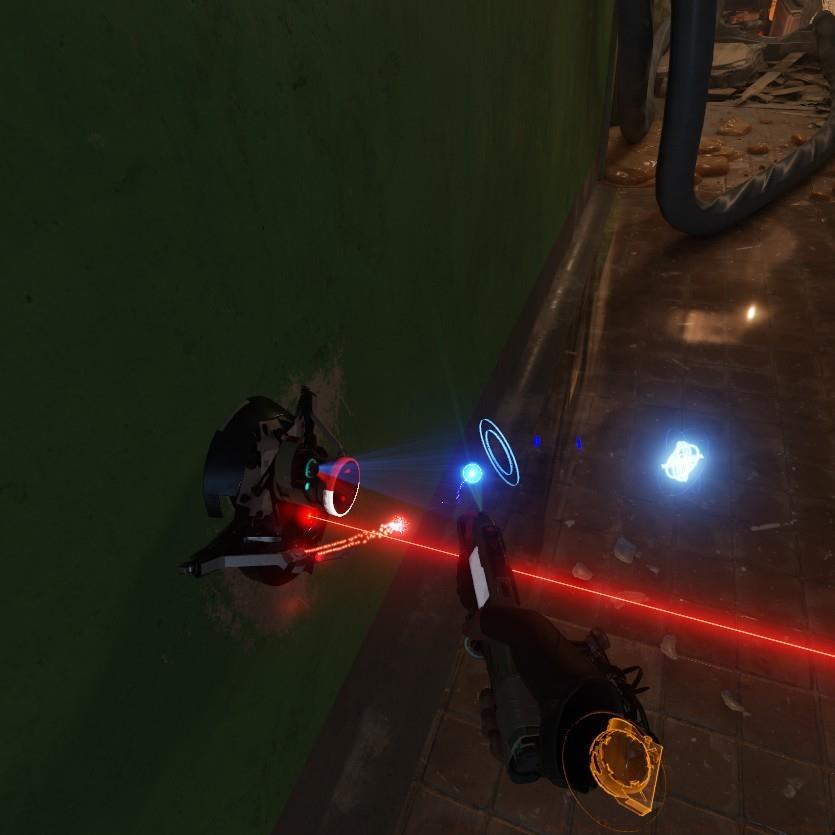
Tripmine disarming demands steady hands and precise tool positioning to avoid accidental detonation.
Critical safety protocol: Always maintain awareness of your surroundings while disarming. Other enemies may approach during the delicate process, requiring quick transitions between puzzle solving and combat readiness.
Common error: Rushing the disarming process frequently leads to failure. These puzzles test patience as much as technical skill—move deliberately and avoid sudden motions.
Advanced strategy: When multiple tripmines are clustered, prioritize disarming those blocking essential pathways or positioned near valuable resources.
Remember that failed disarming attempts carry no permanent consequences beyond requiring restarting the process. This safety net encourages experimentation and learning through repetition.
Beyond basic solution methods, several advanced techniques can significantly improve your puzzle-solving efficiency and success rates.
Time optimization: For electricity puzzles, experienced players can complete most configurations within 30-45 seconds. Laser orb challenges typically require 60-90 seconds depending on complexity, while tripmine disarming generally takes 20-30 seconds per device.
One-handed play considerations: While all puzzles are technically solvable with single-handed control, laser web configurations may prove particularly challenging. Consider adjusting game difficulty if encountering persistent frustration with accessibility controls.
Remaining combat-aware during puzzle solving is crucial, as hostile forces don’t pause for your technical endeavors.
Expert-level approach: Develop muscle memory for common puzzle patterns. While configurations are procedurally generated, they draw from limited template designs that become recognizable with experience.
Pro tip: When stuck on any puzzle type, temporarily look away from the interface then return with fresh perspective. This simple technique often reveals overlooked solutions.
For comprehensive Half-Life: Alyx guidance beyond puzzle solving, consult our Complete Guide for additional strategies and gameplay insights.
Remember that puzzle mastery directly enhances your resource acquisition capabilities. Those who excel at multitool challenges consistently maintain better equipment and supplies throughout the campaign.
Action Checklist
- Scan environment vertically and horizontally for all connection points
- Identify power sources and follow glowing wire paths systematically
- Solve laser puzzles using perimeter-to-center methodology
- Disarm tripmines with slow, deliberate movements
- Practice one-handed techniques if using accessibility options
No reproduction without permission:SeeYouSoon Game Club » Half-Life: Alyx Multitool Puzzle Guide — How To Solve Every Puzzle Master Half-Life: Alyx multitool puzzles with expert strategies and advanced techniques